New Umbrellas

Tokyo Umbrellas

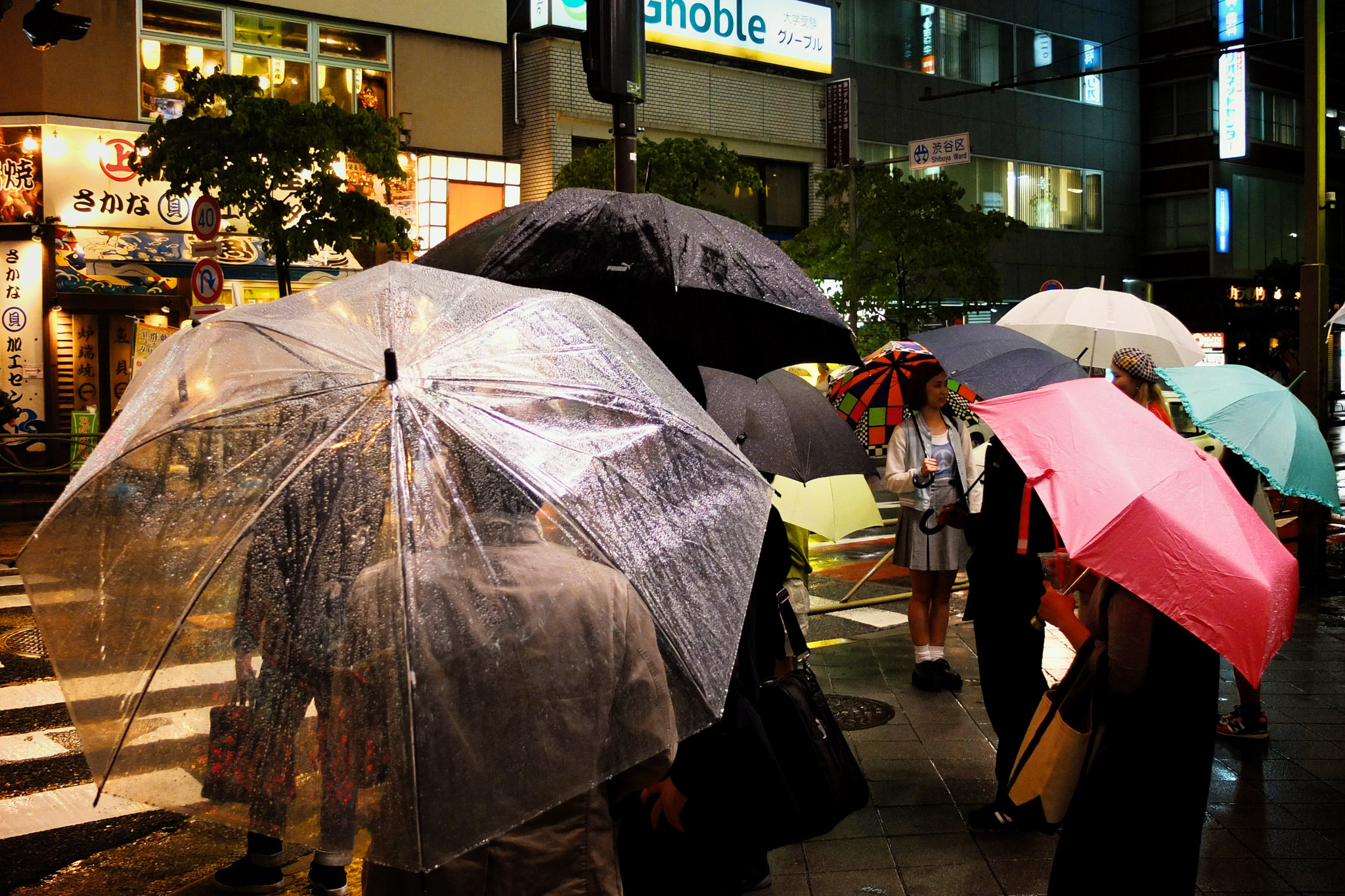
In 2014, I published Tokyo Umbrellas as a digital photo book. Though I had previous experience in book and magazine publishing, this was an experiment: my first book of photography. The book was the finishing touch on a project I’d been working on for a couple of years, framing it, giving a defining form and end to the project. In August of that year I put the book out there in PDF form — literally giving it away — and moved on.

In early 2021, while sorting through my files for my print archive, I came across Tokyo Umbrellas and, looking through it, realized it wasn’t all that good; there were good photos, and the basic concept of umbrellas shown used in the rain and sun worked well, but the book was — for want of a better word — bloated. Too many pages, too many images. With the benefit of hindsight and the experience accrued in the interim it was fairly easy to spot flaws in the work.

A benefit of digital books is that making changes is comparatively painless. So I took some time to rework my book.

Tokyo Umbrellas has now been re-edited and redesigned. It is now leaner, comprising a more focused 42 pages that feature 33 images. Less, as it’s often said, is more. This new second edition replaces the original book. Click the video below to flick through its pages. For more information and to view and download the digital book, head to the Tokyo Umbrellas page on this site.
Olympiad

A day after Brazil defeated Germany in the opening round of the mens’ Olympic football tournament, the opening ceremony of the Games of the Thirty-second Olympiad got under way. You’d imagine it would be the other way round but these are strange times.

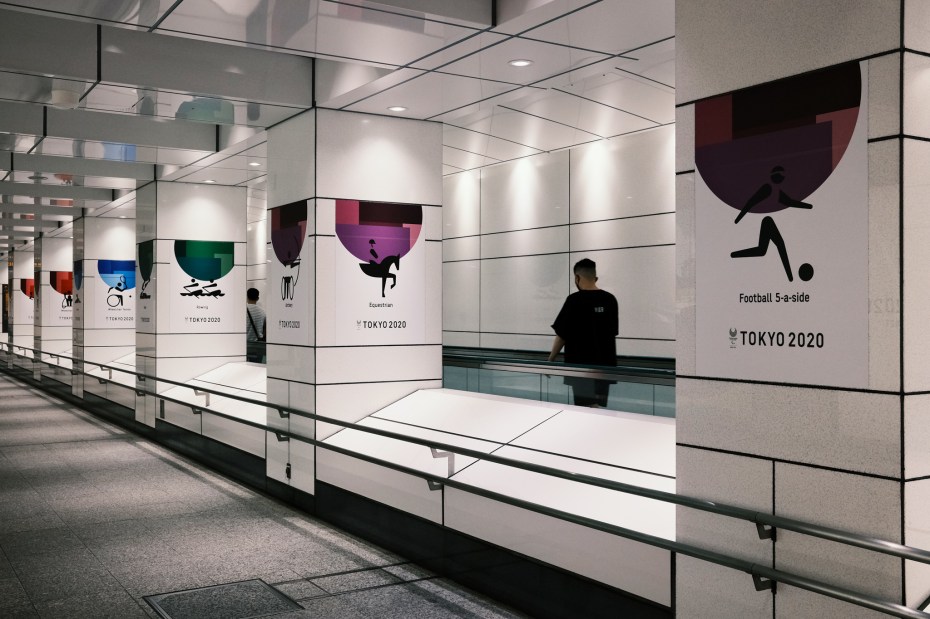
I’m ambivalent about these Tokyo 2020 Olympics, but I watched the televised ceremony, watched the fireworks, drones and digital projections, the singing and dancing, speeches and pantomimes broadcast from an all but empty stadium. It was a long kaleidoscopic spectacle in need of a cohesive vision; most of it left me cold.

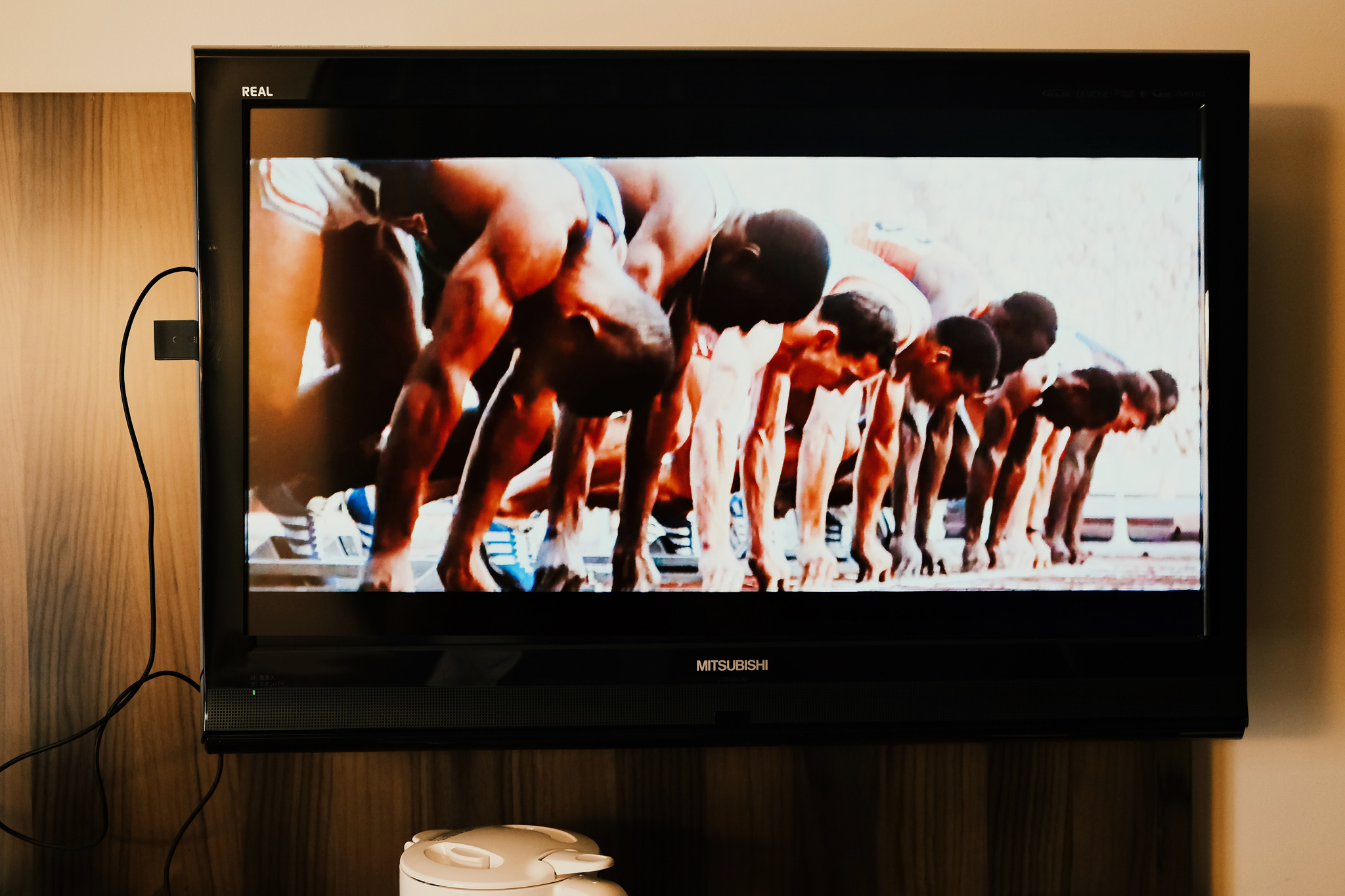
This week I also watched Tokyo Olympiad, Kon Ichikawa’s rightly celebrated record of Tokyo’s 1964 Summer Olympics — games that were in a way the realization of the 1940 Tokyo Olympics that were cancelled due to war.

I have no ambivalence about the 1964 Games of the Eighteenth Olympiad. They were Tokyo’s reintroduction to international society after the devastation of the Second World War. They showcased an optimistic, advanced and determined nation literally risen from ashes — Japan amassed the third highest medal tally in 1964 and grew to become the world’s second largest economy four years later — as Ichikawa’s lyrical documentary shows a simpler time. In contrast to this year’s multimedia prime-time production, the daytime crowds in the arena in 1964 saw thousands of colored balloons and live doves released to the skies. Its competitors were students, carpenters, accountants and mechanics; there were no multi-millionaire professional athletes. The cost of the 1964 games, no doubt expensive for the time, was a fraction of 21st Century Olympic budgets. Still it covered some impressive infrastructure, a legacy that can still be seen in the city today: a monorail line to the airport, overhead highways, the shinkansen bullet train, new broadcast and communications technologies, and landmarks such as Yoyogi National Gymnasium chief among them.

The 1964 games were a boon for Japan. Tokyo 2020 — the most expensive summer Olympics in history — was also meant to help revive the country, to kickstart a moribund economy, to heal the pain inflicted by the 3/11 earthquake and tsunami in 2011, to advertise the nation to the world. But no one foresaw a global pandemic. I don’t know what the benefits or legacy of these games will be but I doubt they will match those of the 1964 Olympiad.

Tokyo Redux

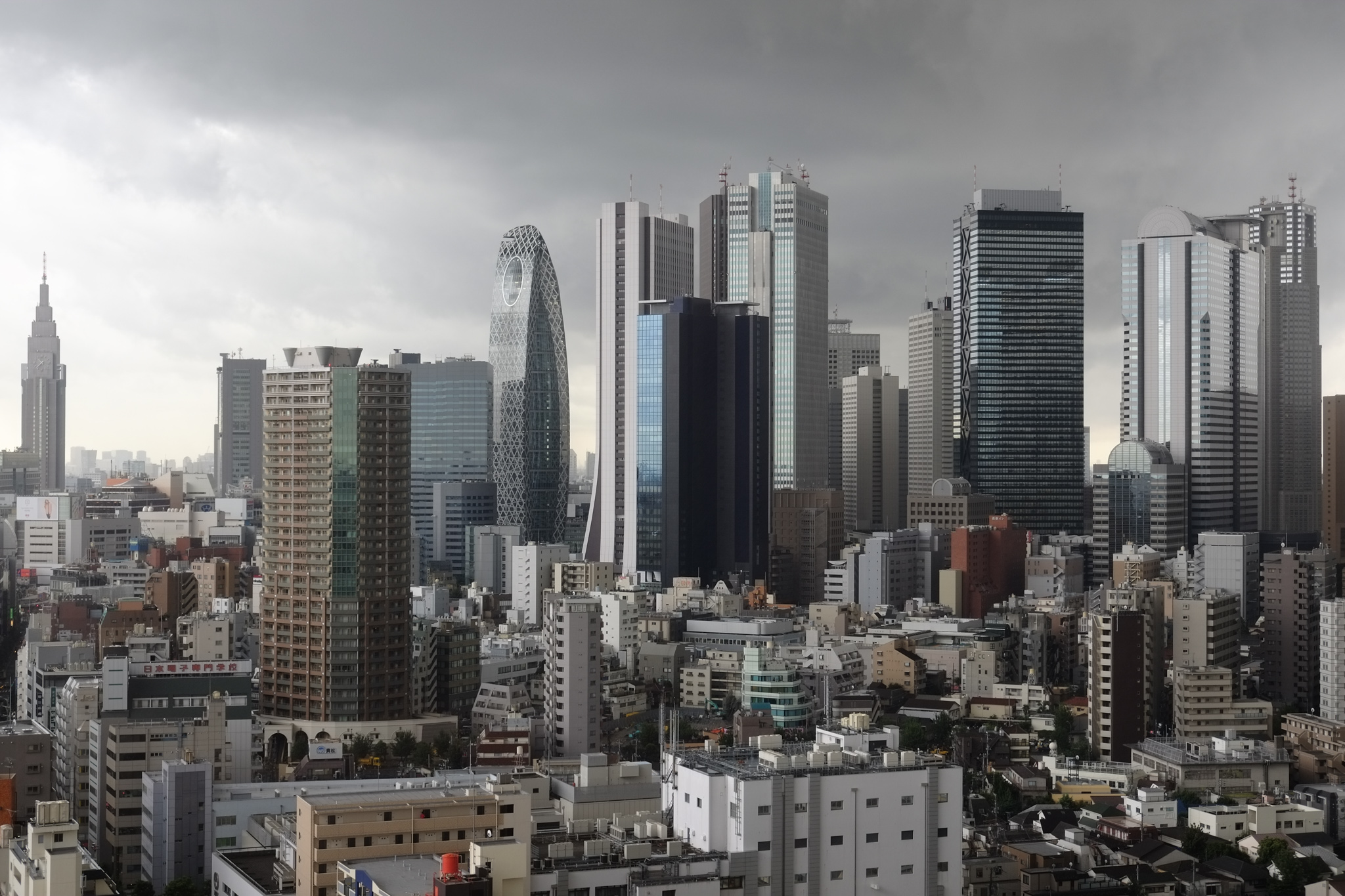
Look at the breadth of this city, the height of its buildings, the speed of its trains and the wealth of its people. This city that was once ash, that was then wood, fields of ash and forests of wood, that is now concrete, steel and glass, mile upon mile of concrete, steel and glass.

British writer David Peace returns to Tokyo with his latest publication, the final volume of a trilogy of historical crime novels set in post-war Tokyo that I am very much looking forward to reading. In preparation, I’ve begun re-reading the two earlier novels. It’s been a long time between drinks, as they say. The first book, Toyko Year Zero was published in 2007. Occupied City followed in 2009. Fictionalized accounts of actual murders that were committed in Japan’s Shōwa era, the two books — stylistically and formally adventurous and steeped in dark hallucinatory atmospheres — focus on Tokyo in the years immediately after the country’s surrender and occupation by the American military: 1946 and 1948 respectively. The final book in the trilogy, Tokyo Redux, concerns itself with a murder committed in 1949, but also visits the city in 1964, the apex year of the Tokyo Olympics, and 1988, during the dying days of the Emperor Hirohito and the Shōwa era.

Obviously the bleak city envisioned in Peace’s trilogy is far removed from the Tokyo I know, but Tokyo Redux appeared just weeks before my own impending return to the city, to a place that continues to grapple with the demons of a pandemic that refuses to die and whose hapless leaders struggle to balance economic and public imperatives. In this atmosphere, the book should be a stimulating companion as I reacclimatize to life in Tokyo.