Slant Rhymes

In poetry, slant rhymes are coupled words that don’t exactly rhyme but match rhythmically through assonance or consonance.

Slant Rhymes is also the title of a collaborative photography project and book by Alex Webb and Rebecca Norris Webb. In Slant Rhymes the couple pair images — one from each photographer — to create visual or thematic harmony or tension, a visual assonance or consonance, a dialogue of sorts between the photographers and their work.


To a certain extent what I do is play with the world, but it’s disciplined play.
— Alex Webb

Listen to your photographs. They are often wiser than you are.
— Rebecca Norris Webb


This visual and thematic pairing occurs in many photobooks, any time there is more than a single image on a two-page spread. It isn’t necessarily collaborative; the images are usually created by the same photographer and the pairing is probably considered in terms of the book’s overall sequencing. Regardless, it’s one of the elements that, when done successfully, greatly enriches a photobook, increasing the drama or poetry on each page.

This pairing of images, it’s something I also enjoy doing.

Process

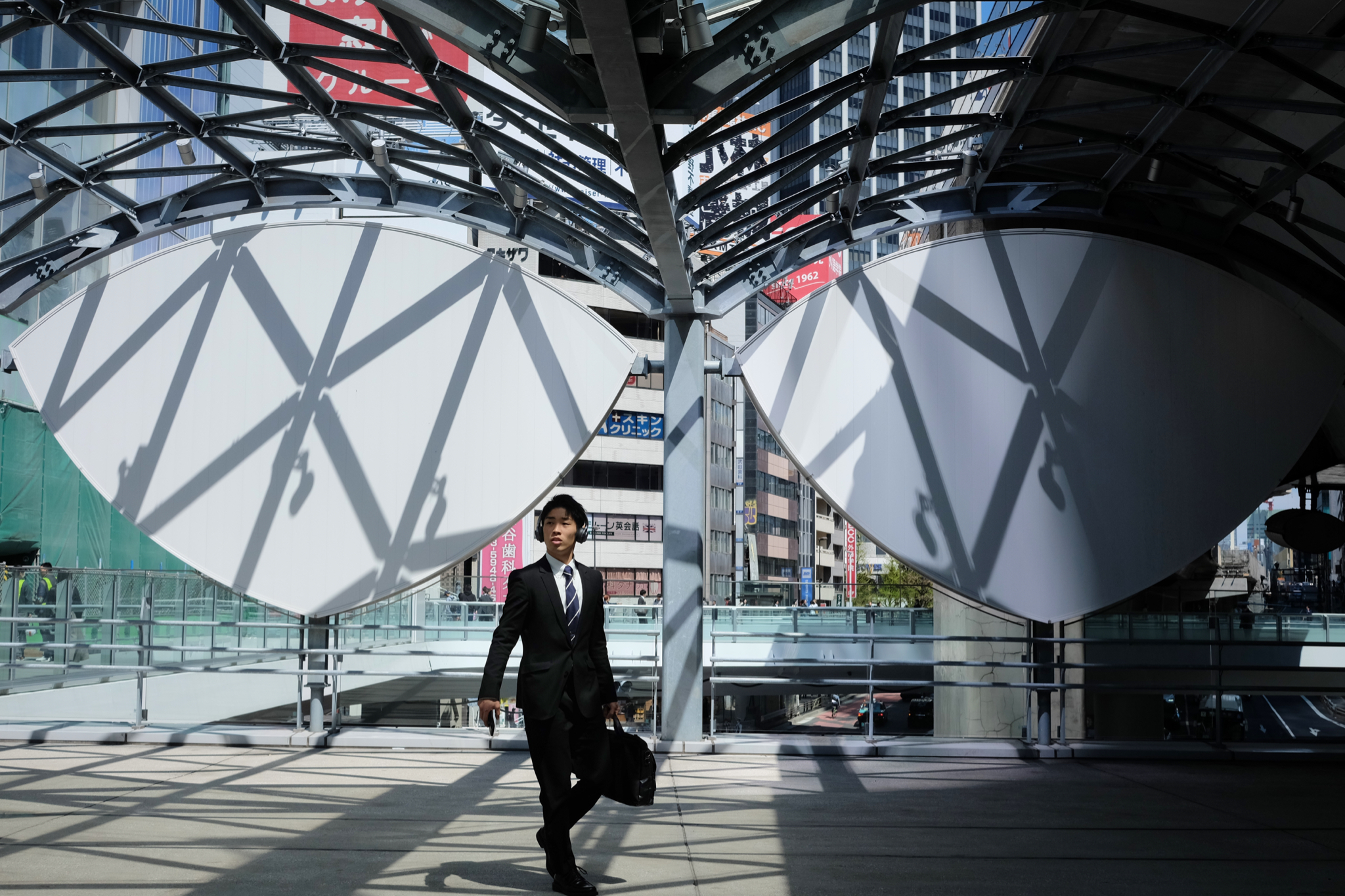
DSCF0896

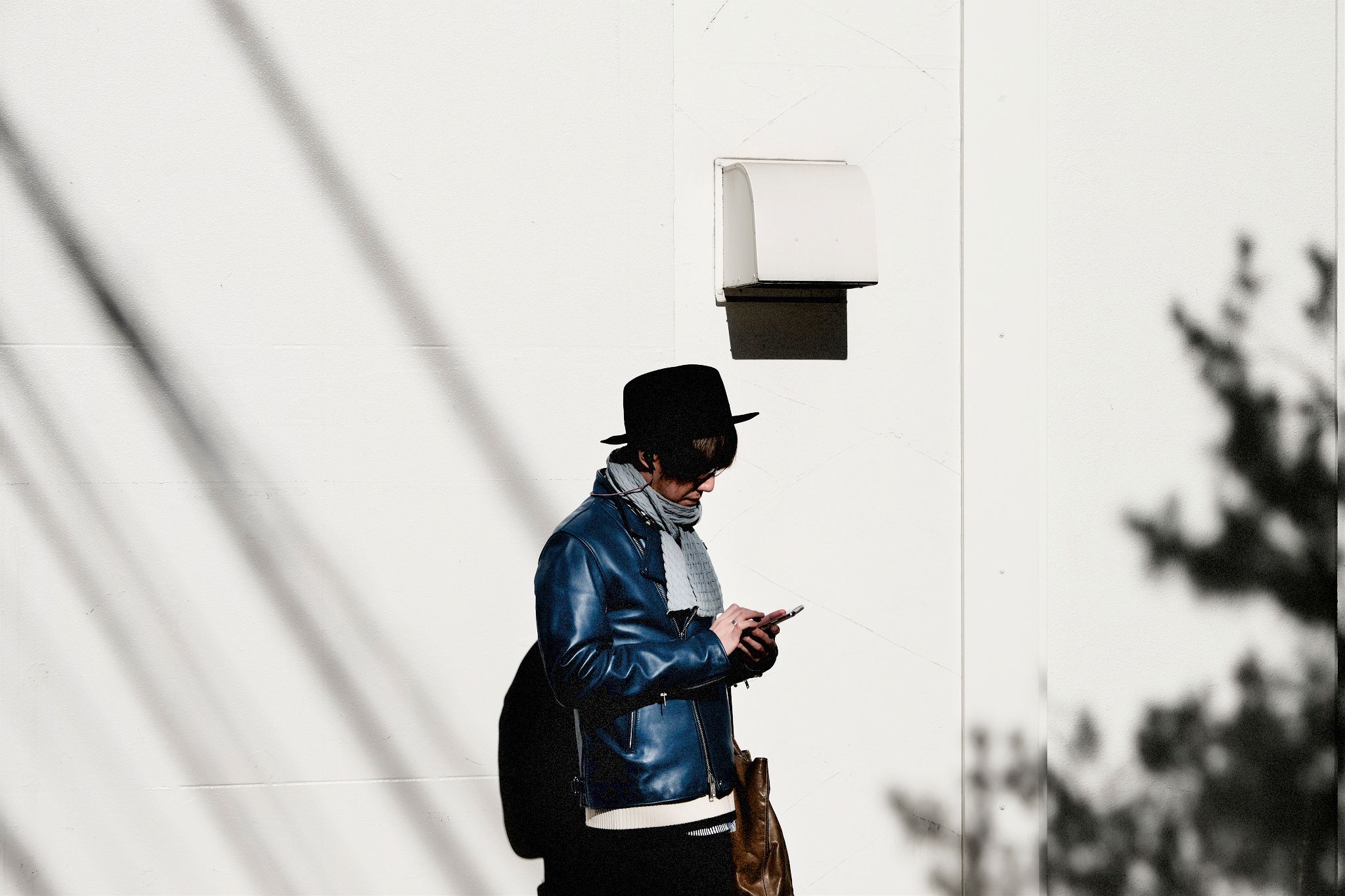
This was such a Tokyo scene: the dramatically sunlit high-tech architecture, the sharply dressed businessman with his headphones and briefcase. I had to take a photo.

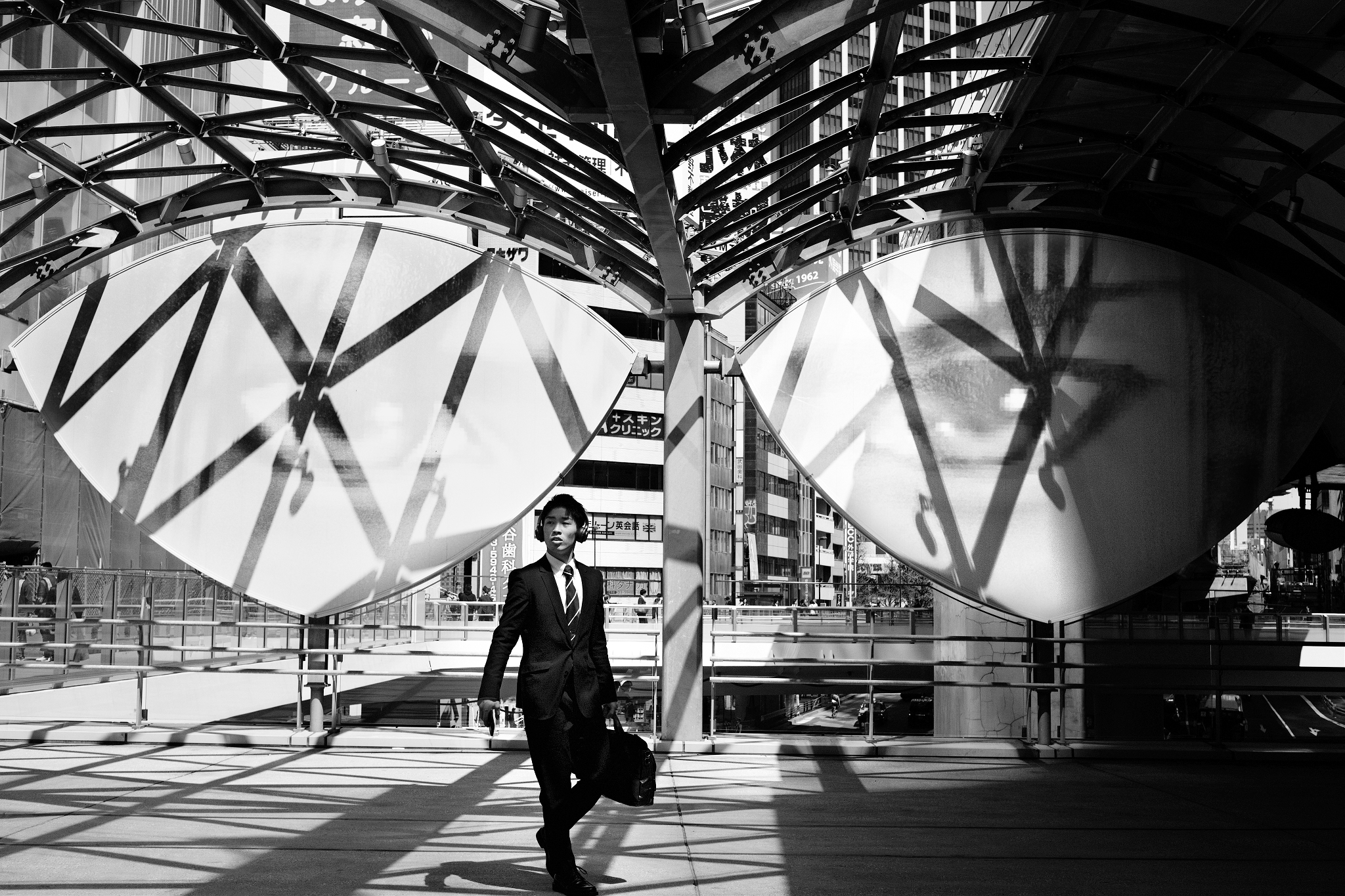
Initially I did very little processing on it: some exposure and color adjustments and some slight cropping: the photo above. I returned to it some days later and, looking at all the shapes and shadows, thought the image was too busy; it needed to be simplified. I decided to do a monochrome conversion. This looked a lot better to me; stripped of color the scene had greater focus and drama.

The white screens. On Tokyo‘s streets it’s rare to find such blank space as on those screens. They would typically be plastered in — or digitally screen — advertising. These thoughts led to me consider creating a double-exposure image using advertising imagery. The twin screens‘ resemblance to a pair of glasses started to suggest eyes — and I felt that, while obvious, this was a strong concept. I looked around the city streets for appropriate imagery to shoot. In the end I added some manga-inspired eyes from images decorating the front of a pachinko parlor. I experimented with the idea of combining color eye imagery on the main photo, but it is quite busy visually with its interplay of architectural forms and shadows, even in black and white, so I converted the eyes to monochrome and kept the overlay blend very subtle. I’m happy with the final double-exposure image. I think the modified screens add an evocative futuristic and enigmatic atmosphere to the scene, opening it up to a wider range of interpretations. It should make a nice print.

DSCF0896 Double

Urban voids

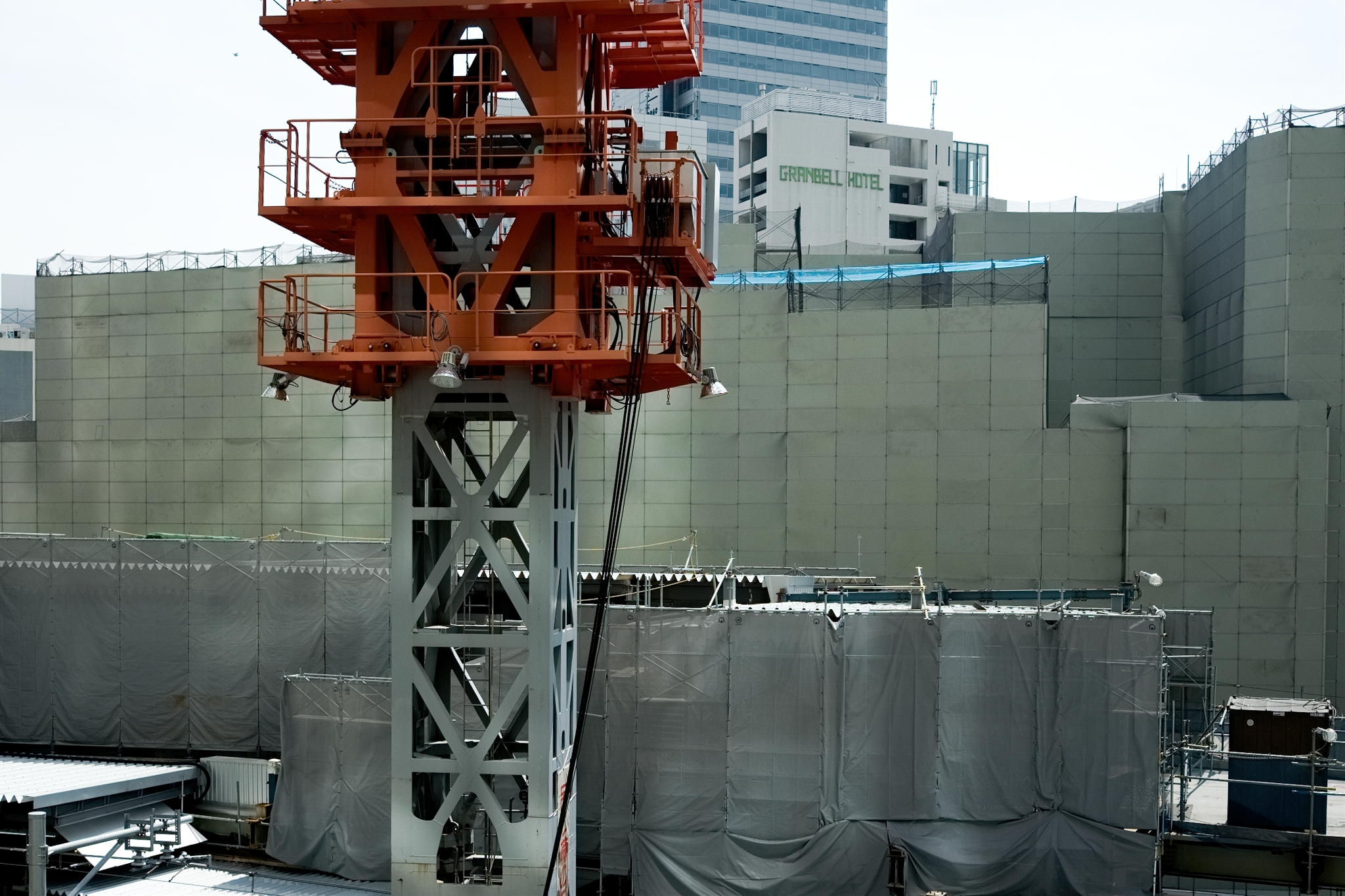
DSCF0954

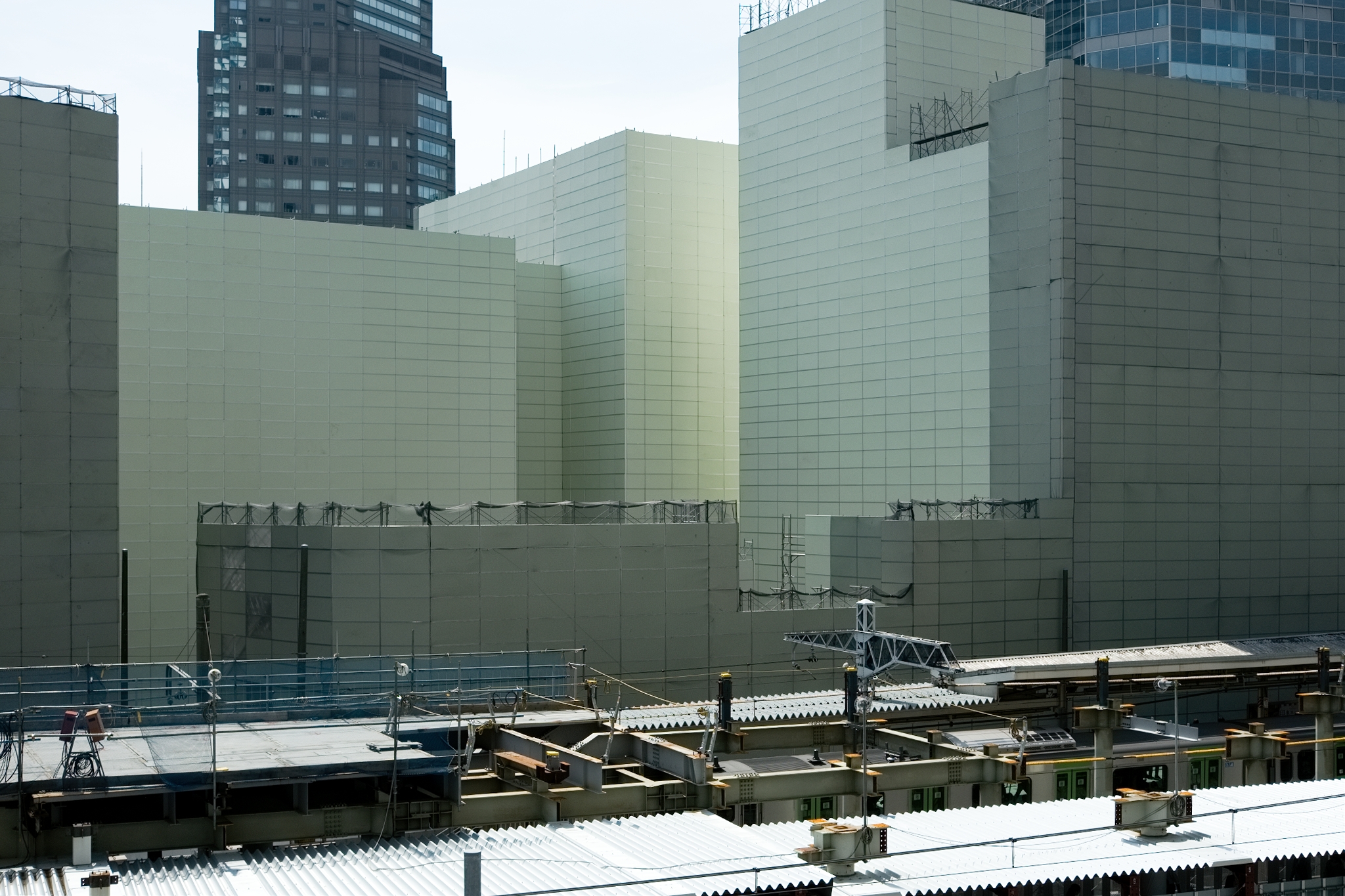
The construction going on in Tokyo seems to be morphing into art these days. Like some Christo inspired wrapping project, Shibuya’s south side currently has more negative space than buildings as the neighborhoods lining the railway tracks are torn down to make way for some newer and no doubt taller towers. For now the area has the look of a partially rendered graphic environment.

DSCF0955

Fujifilm Square

IMG-0719

I like stopping by Fujifilm Square when I’m in Roppongi. Aside from all the new Fujifilm products on display and an interesting collection of cameras and films from the various eras of photography, the gallery always has a couple of photographic exhibitions on. Sometimes they’re forgettable, more often they’re impressive.

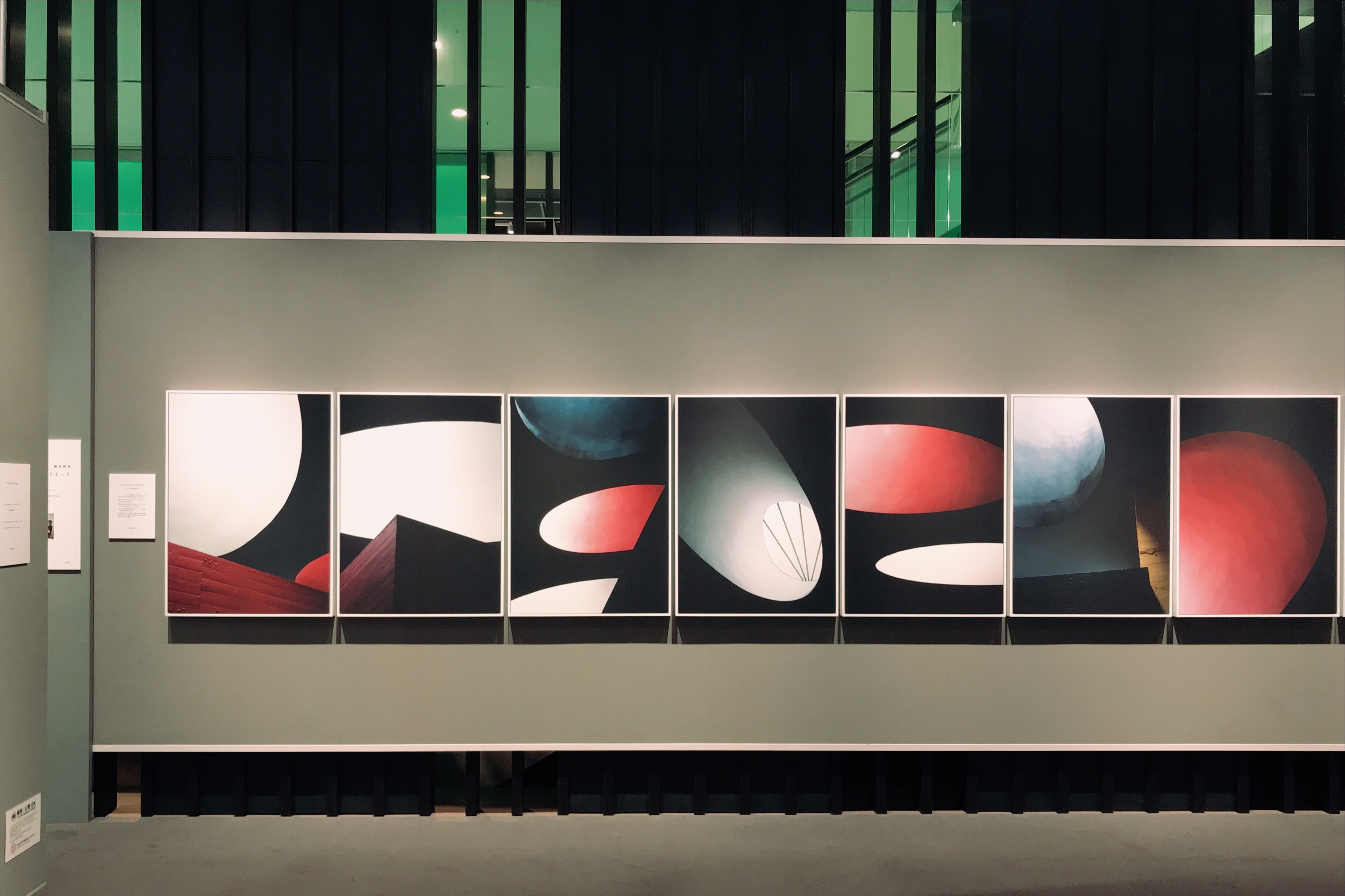
Currently, the main show is called Gelatin Silver Session, with works by thirty-nine local photographers that highlight the beauty of the silver-halide chemical printing process. There’s a lot of talent on display here, but the standout work for me is the one above.

Stretching along one wall are nine images collectively titled Couvent de la Tourette Le Corbusier, by Mikiya Takimoto. These grouped images of abstract geometric forms are from his project Le Corbusier, a poetic study of the interior of a convent designed by the Swiss-French architect and completed near Lyon in 1959. At first sight, somewhat incongruously in a room full of monochrome photographs, the images look like works of oil on canvas, but in fact they are beautifully colored and printed photos. While a single image would be intriguing, it’s the curation and the juxtaposition of the photos that makes this a striking artwork.

Oasis

DSCF0842

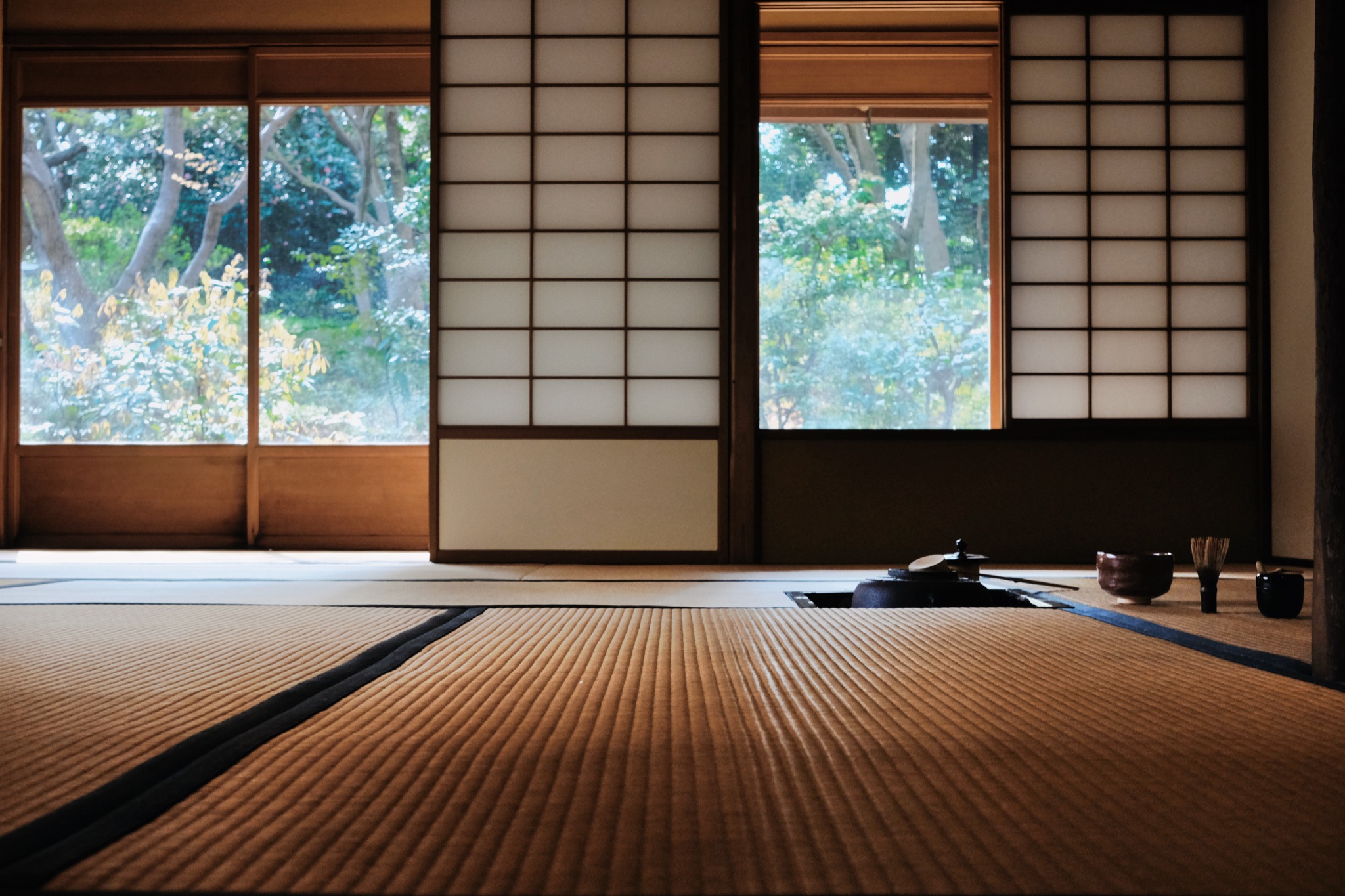
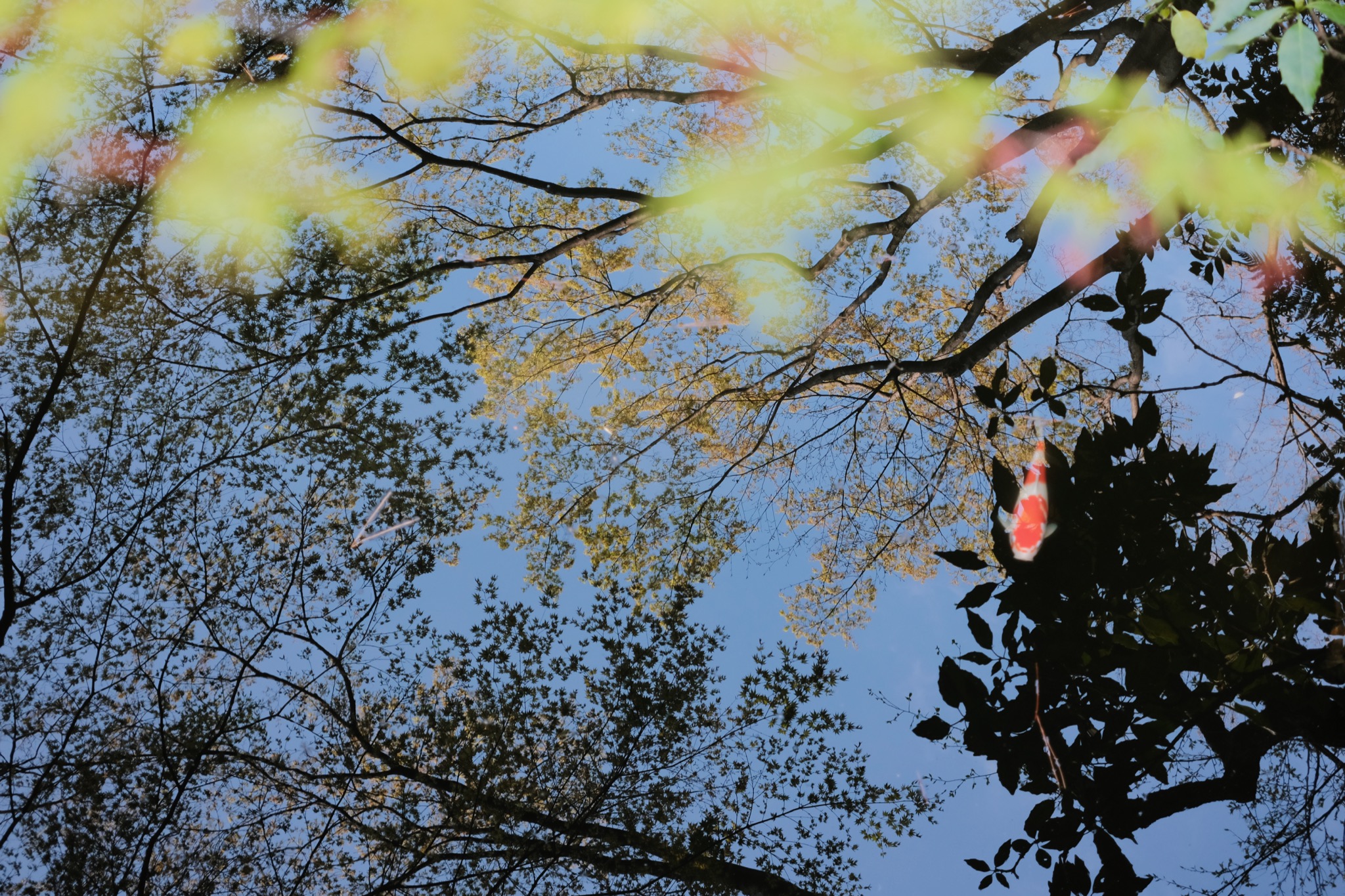
Shirokanedai can boast that it once housed feudal lords and royalty. Today it is an unremarkable upscale residential suburb of anonymous apartment towers and other forgettable buildings. But in the midst of this lie 20 hectares of forest, otherwise known as the Institute for Nature Study of the National Museum of Science. Smaller neighboring grounds contain the Tokyo Metropolitan Teien Art Museum, a 1930s Art Deco gem—originally buit as the residence of Prince Yasuhiko—created by Japanese and French designers and artists, and surrounded by lawns and picturesque European and Japanese gardens, the latter featuring a postcard-perfect traditional teahouse overlooking a pond.

Adding to its cosmopolitan feel, this urban oasis also has a modern French restaurant on the grounds and a sleek cafe in the museum annex, both offering tranquil views through their expansive glass walls. The teahouse offers a more traditional experience, hosting a limited number of classical tea ceremonies throughout the year.

The museum is currently exhibiting a series of Surrealist-inspired works in TOSHIKO OKANOUE, Photo Collage : The Miracle of Silence.

DSCF0848

Shadows

IMG_3762

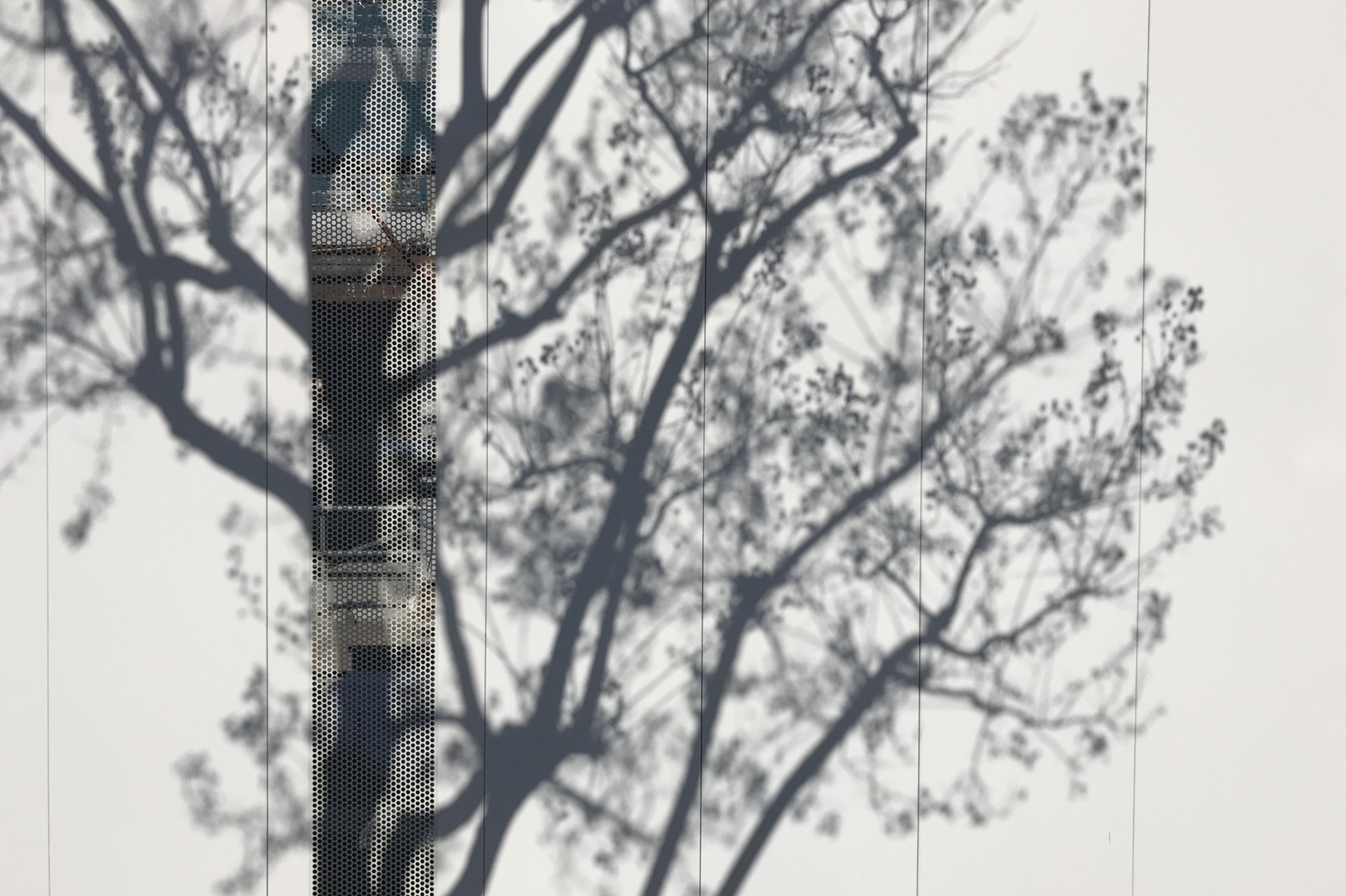
We find beauty not in the thing itself but in the patterns of shadows, the light and the darkness, that one thing against another creates.
Were it not for shadows, there would be no beauty.
— Junichiro Tanizaki

In Praise of Shadows — originally published in 1933 — is Tanizaki’s essay on the impact of modern life and western technologies such as electricity on Japan’s classical aesthetics and way of life. His essay is both a meditation on the subtlety and simplicity of elements of the traditional culture he praises and a lament for the passing of that way of life.

Tanizaki’s musings are full of lyricism and romance, but the reality is that the world of shadows that he admired was, even then, ceding to the convenience and utility offered by modernization. Now more than seven decades later, that world is all but forgotten.

As much as I love the convenience of modern technologies, as a photographer I can appreciate the antimodernist aesthetics of Tanizaki’s lost world and the beauty of shadows. In photography, as in other visual arts, shadows help to sculpt the light. They can frame subjects in striking ways. They can create depth or construct a composition for the lens. They can create drama or mystery or embellish an image with lyrical patterns and textures. Tanizaki got it right: Were it not for shadows, there would be no beauty.

Sakura

DSCF0820

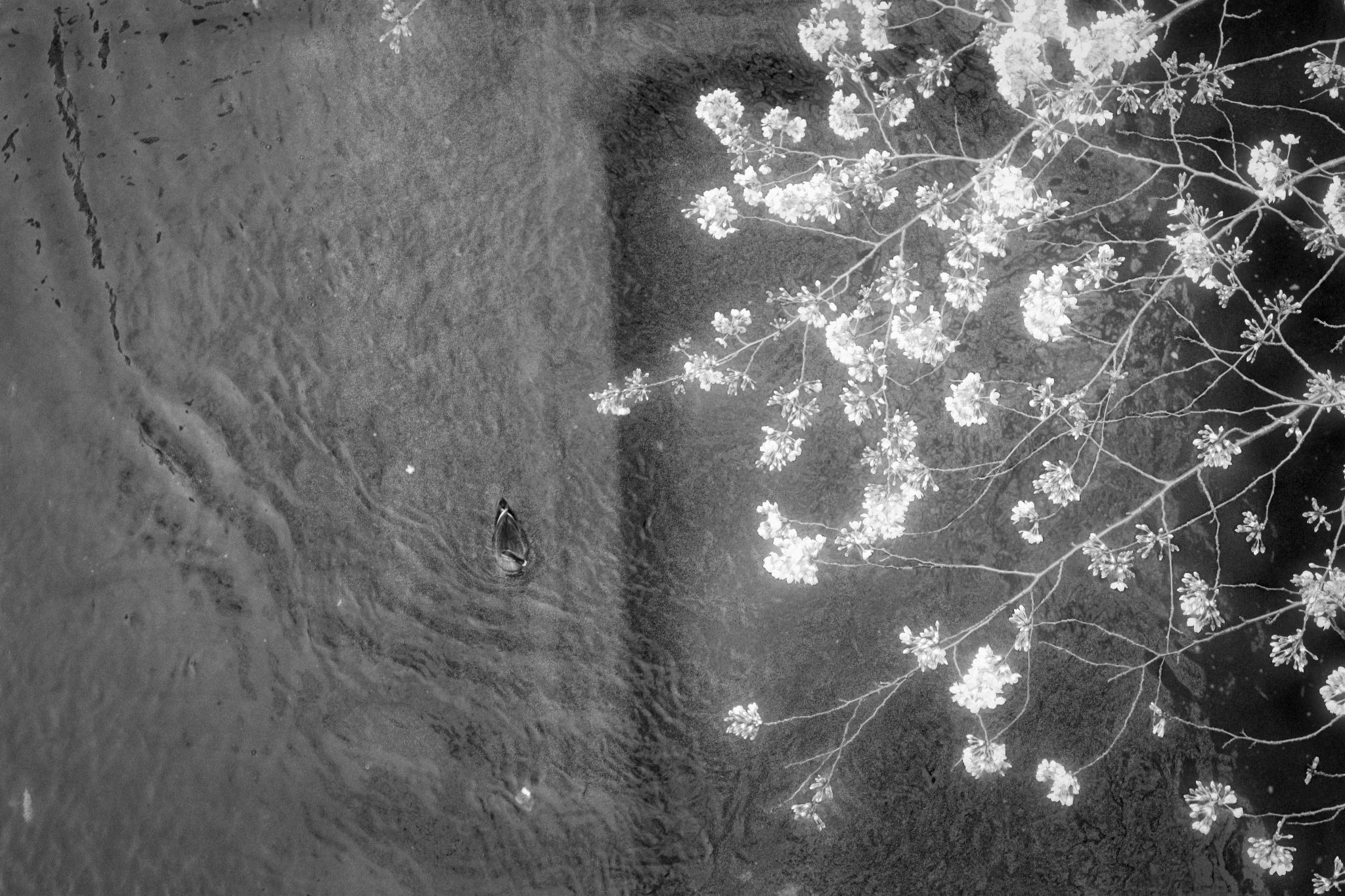
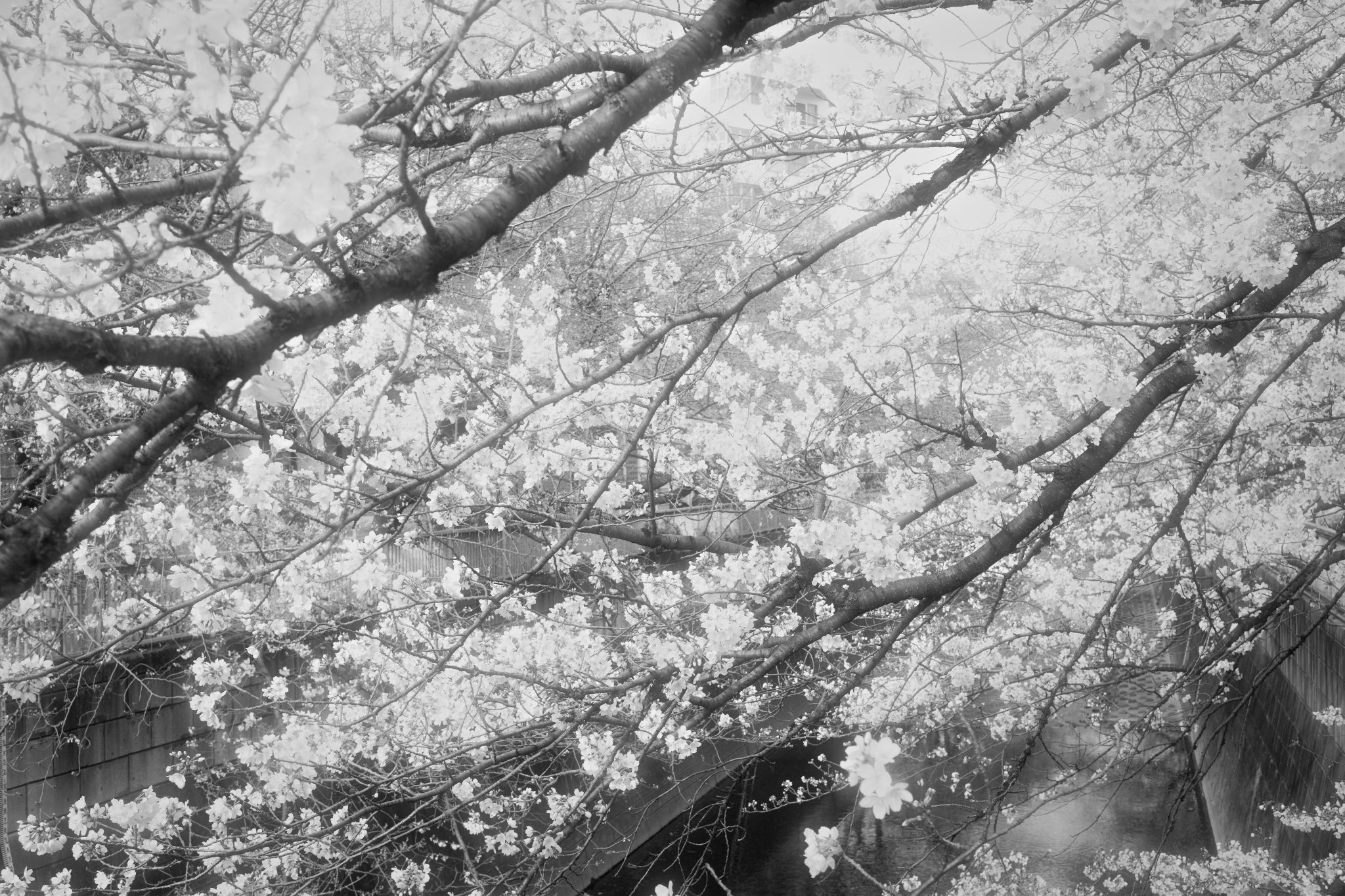
It’s that time of year again. The sakura trees are blooming and blossom-viewing fever has gripped the populace as certain parks and waterways and avenues are invaded for hanami. It’s easy to be cynical, but the delicate beauty of the somei-yoshino trees in full bloom and the ephemerality of their blossoms is a major work of poetry — created by nature and repeated verse after verse as the blossom season spreads across the country — and in Japan especially the spectacle has long been an inspiration for the poets.

Sakura, sakura
they fall in the dreams
of sleeping beauty
—Yosa Buson

What a strange thing!
to be alive
beneath cherry blossoms.
—Kobayashi Issa

Thanks for all
Expressing my gratitude to blossoms
at the parting.
—Matsuo Basho

On this topic: a fascinating deep dive by Naoko Abe into Japan’s cherry trees and the culture surrounding the ubiquitous somei-yoshino — or you can dip into a short photo essay of mine from a few years ago.

DSCF0809

Tokyo fashion

XBMP8377

Tokyo has for decades now been considered a driver of global fashion trends. Designers and shoppers alike are inspired by its street culture and styles. Considering the city’s various cultures and subcultures and the increasing globalization of youth culture these days, when it comes to fashion, practically anything goes.

But Tokyo has a unique fashion history and Google’s Arts and Culture site has an interesting bit of cultural anthropology presenting fashion trends in a fairly detailed timeline from 1980 to 2017, looking at both imported western trends and home-grown looks and how these have evolved through the decades.

One

IMG-8189.JPG

A few facts:
Edo, a small fishing village, grew to become the center of power in Japan under the Tokugawa Shogunate in the early 1600s.
Edo was renamed Tokyo after the Emperor Meiji was relocated to the city in 1869.
Today, the greater Tokyo metropolitan area is the richest on earth; it’s also the most crowded.
Tokyo city houses more than eight million people, Tokyo prefecture more than 13 million, greater Tokyo more than 38 million – or close to a third of Japan’s population.
Metropolitan Tokyo covers some 845 square miles, greater Tokyo sprawls across 5240 square miles.
On average, around 16,000 people are crowded into each of these square miles.
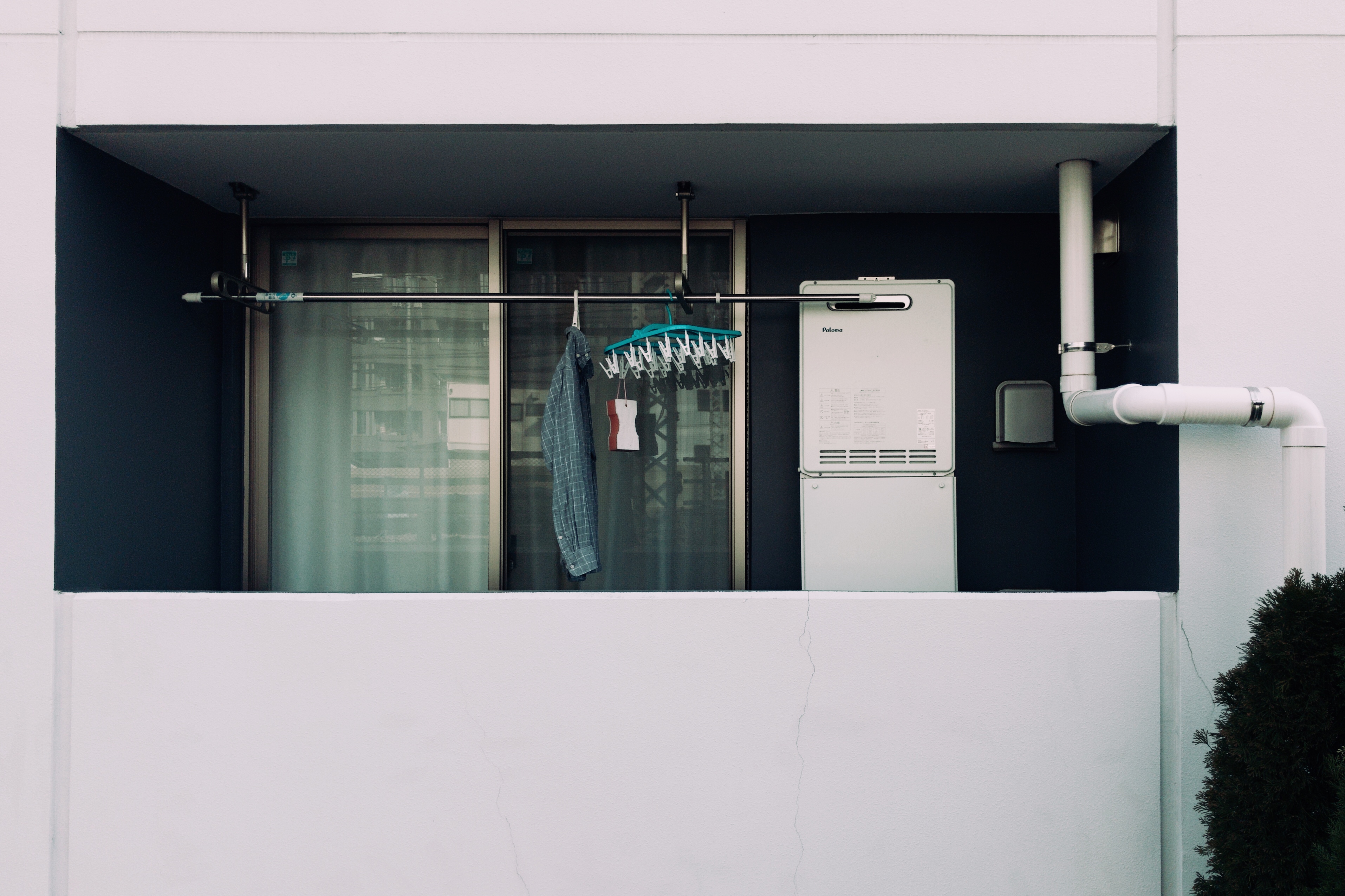
Despite this, nearly half of the households in metropolitan Tokyo comprise just one person; in the central city regions more people live alone than not, and by 2030 it’s estimated that the number of single-person households will surpass 18 million.
Regardless of the demographic, social and economic reasons, these seem to me to be tragic numbers.

IMG-7710.JPG