Life is what we make of it. Travel is the traveler. What we see isn’t what we see but what we are. — Fernando Pessoa
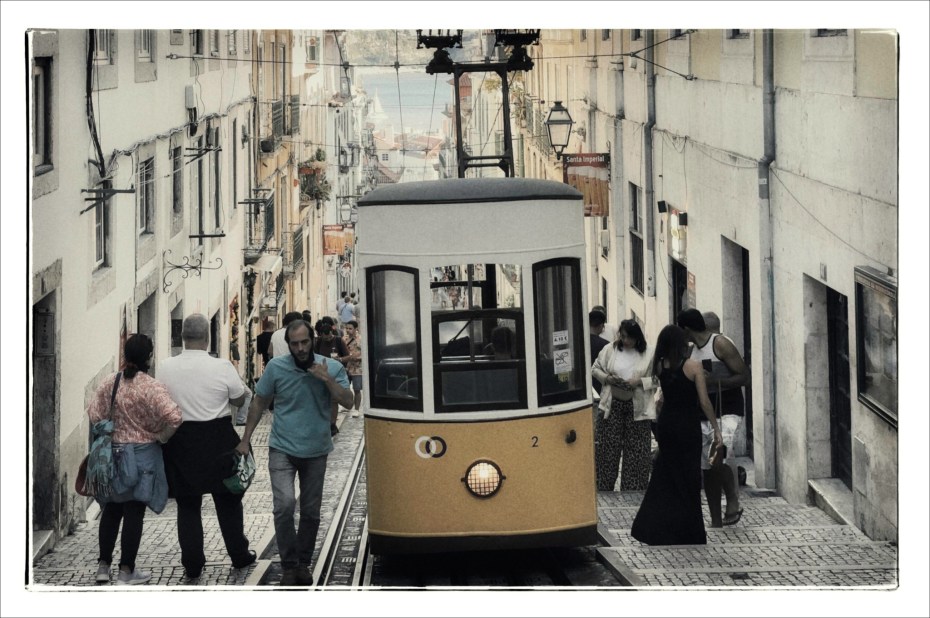
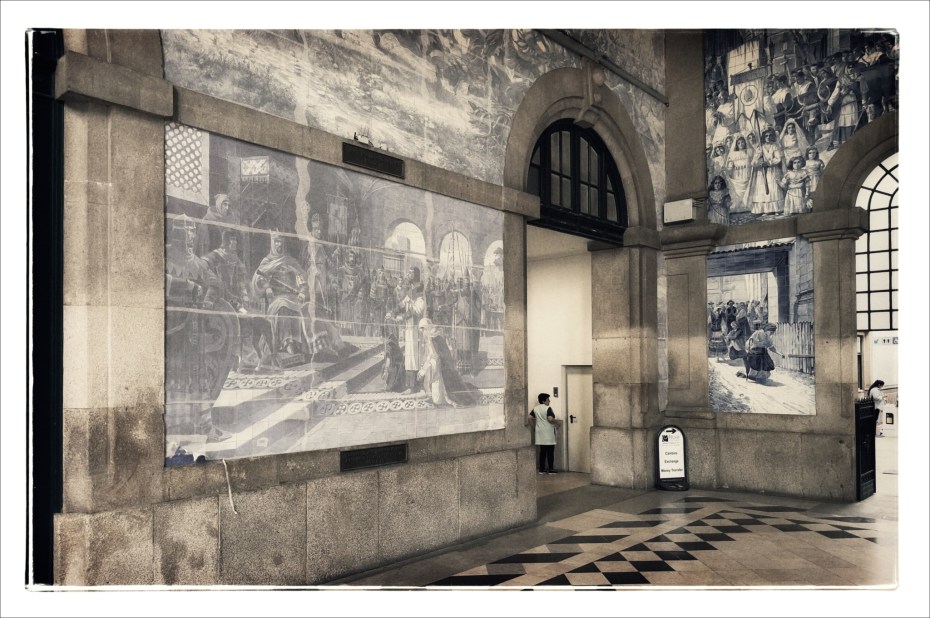
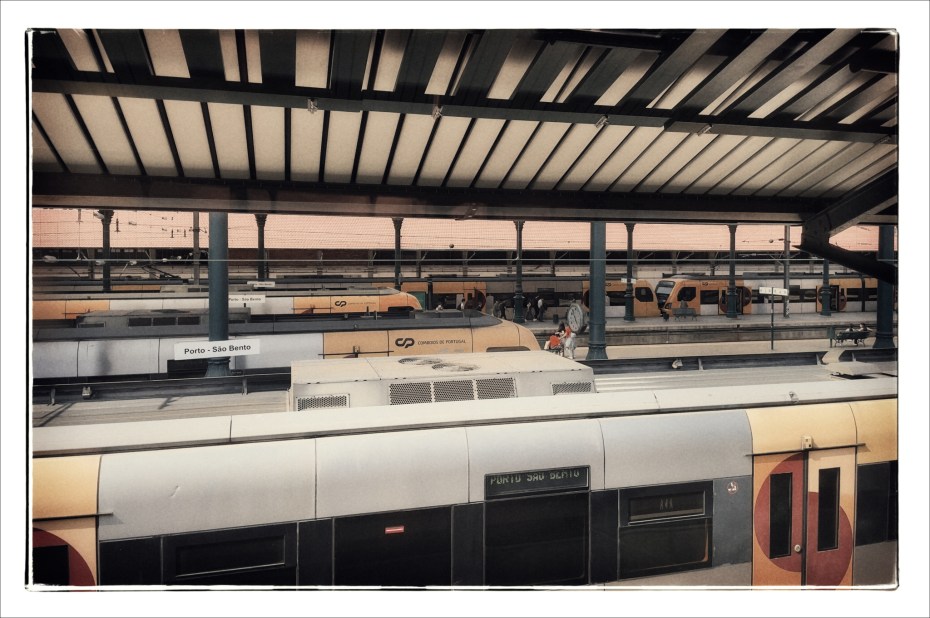
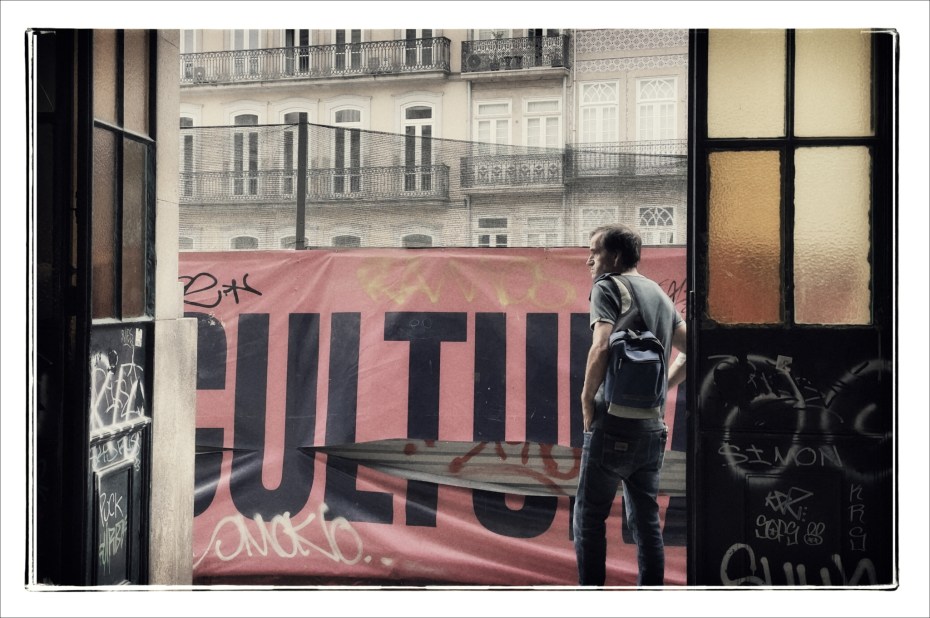
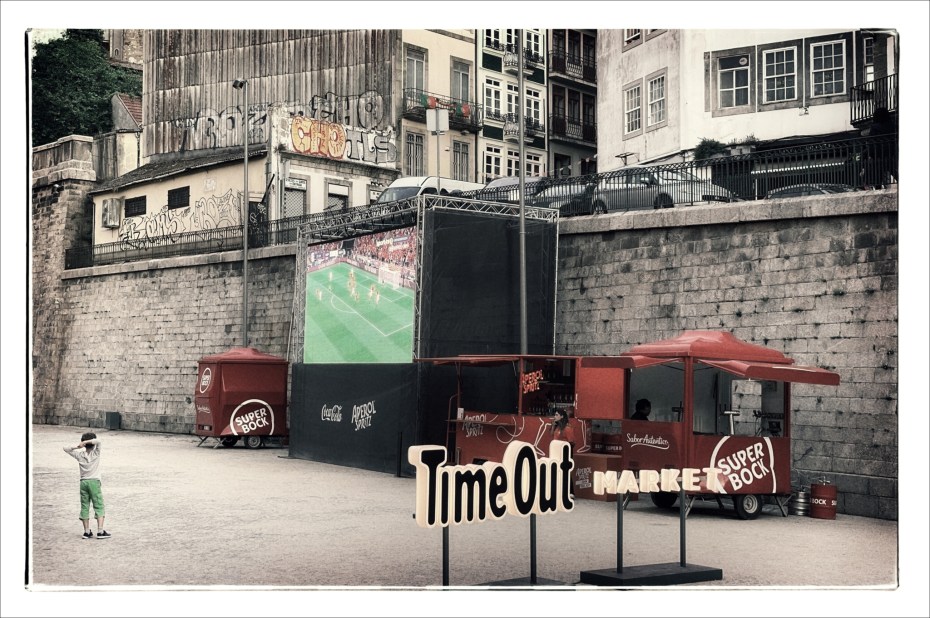
Porto
And I have to go to know Who I am, to know what is the name Of the deep existence that consumes me In this country of mist and not-being. — Sophia de Mello Breyner Andresen
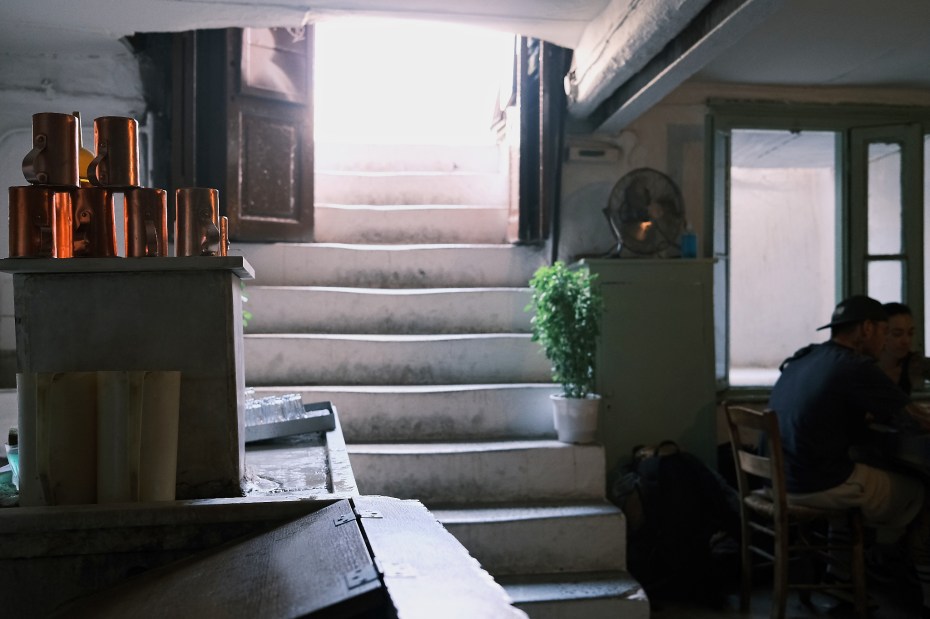
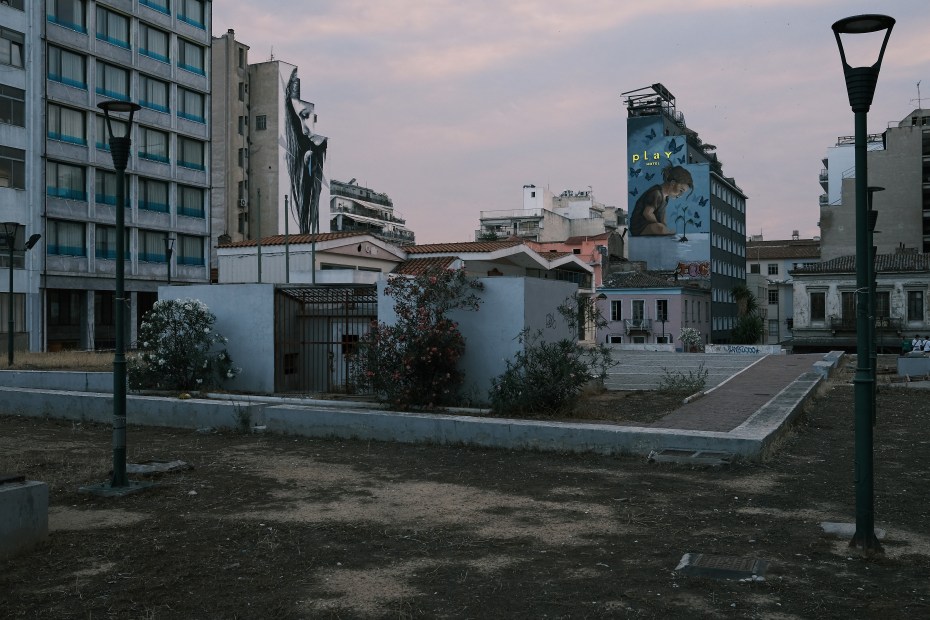
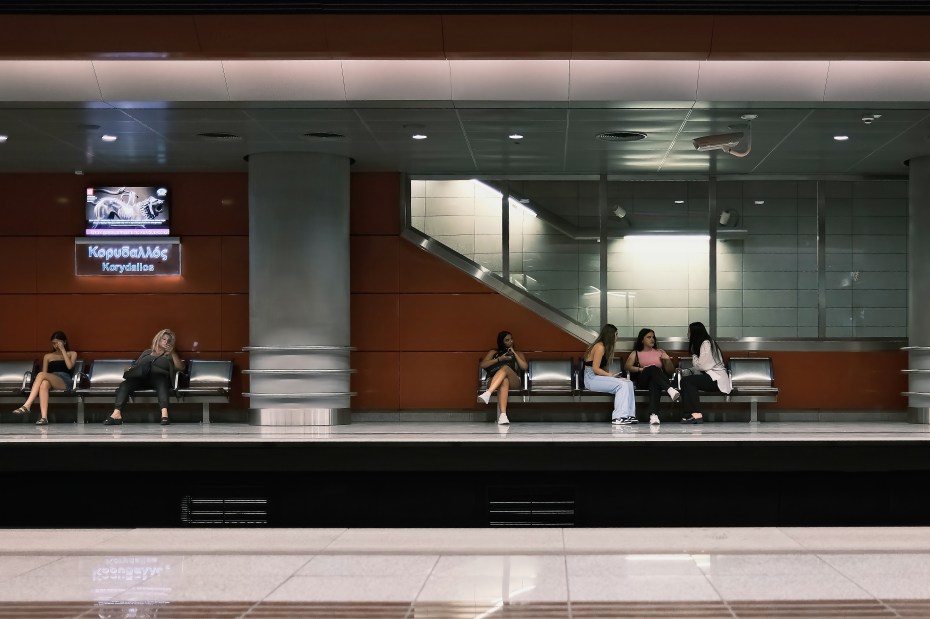
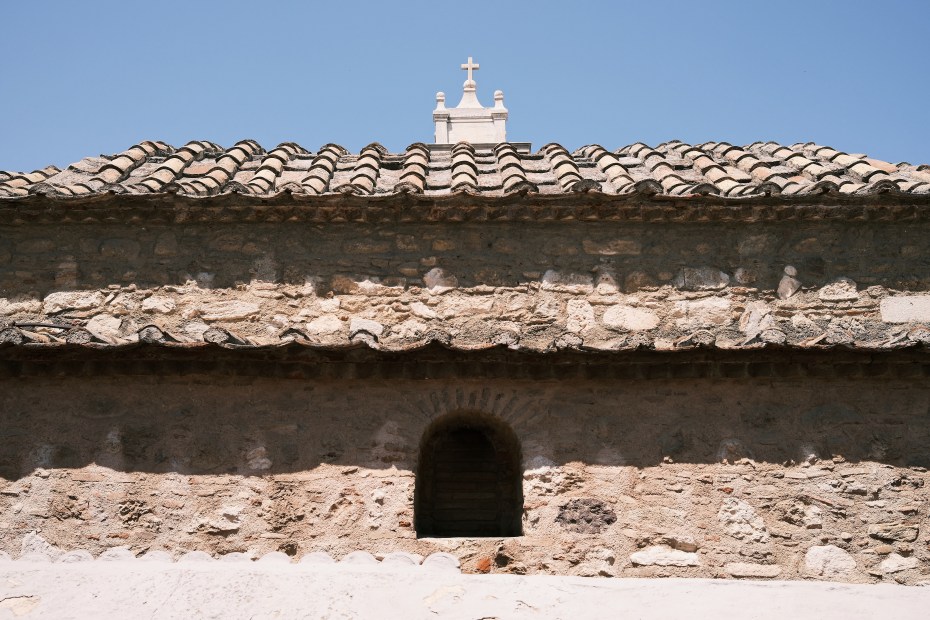
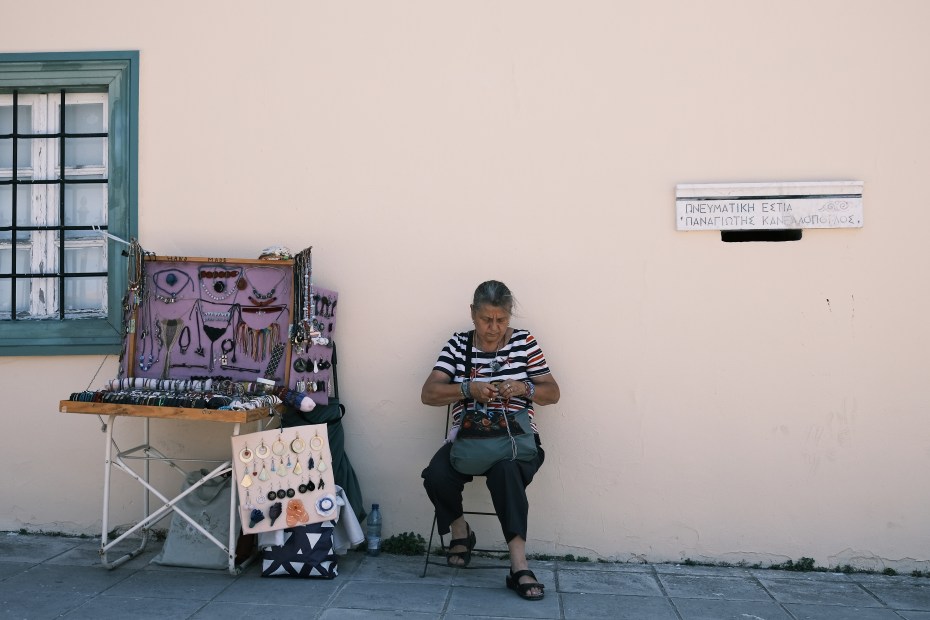
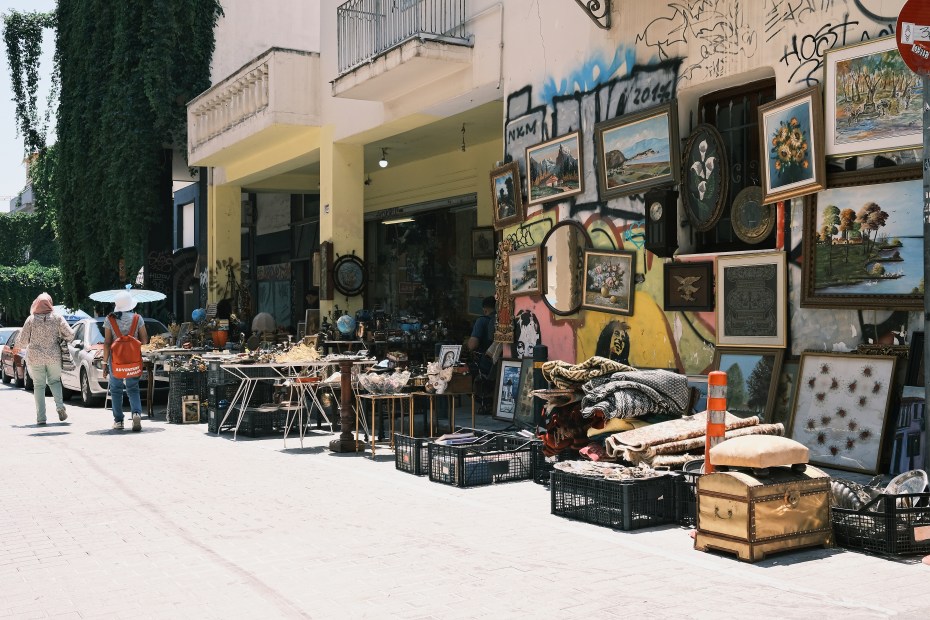
Athina in summer is a nocturnal creature, much like its cats. The heat of summer days is intense, dry with a searing sun, the traffic slow moving. Cats lie motionless in the shade while tourists and locals alike navigate the city in an energy conserving eco-mode.
The city-state that gave birth to the concept of democracy and to western civilisation, later taking on many cultural mores of the east during the centuries it fell under the control of the Ottoman empire, has over the last few decades increasingly become a modern outward-looking western city, long part of the European Union, and plugged into current international cultural trends.
Nights are balmy. Cooling breezes temper the humidity. The city comes to life. Athenians live out on the streets, or more accurately on their squares — their plateias. Restaurants are many and are full. 9pm dinners. 10pm dinners. 11pm dinners. Bars sit among them pumping out bass-heavy beats. In tourist-focused neighborhoods musicians play traditional tunes on their guitars, bouzoukia and clarinets — in bars and tavernas or busking on the streets. Gelaterie draw late night crowds. Cats, looking for a meal, saunter and weave through it all.
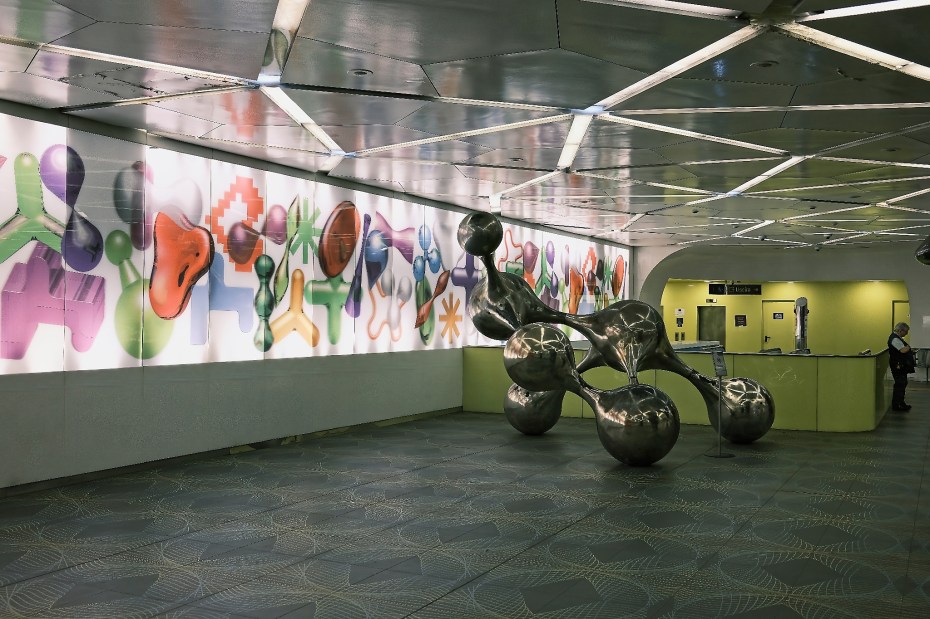
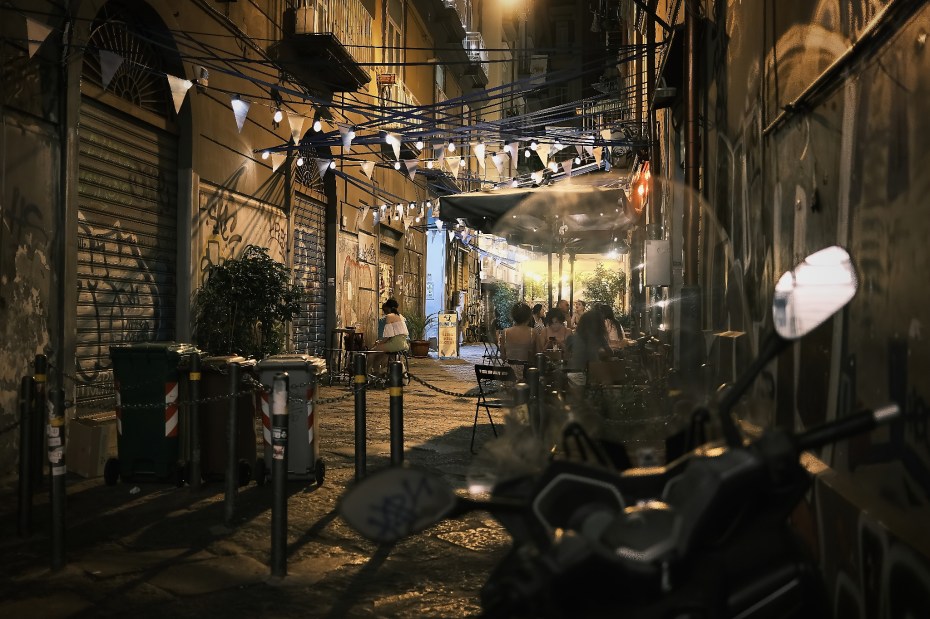
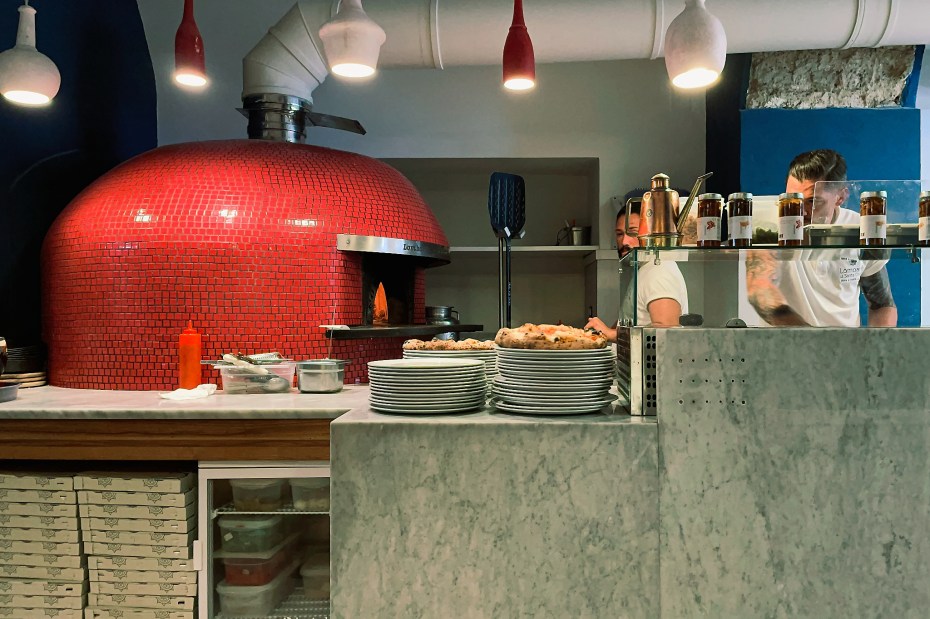
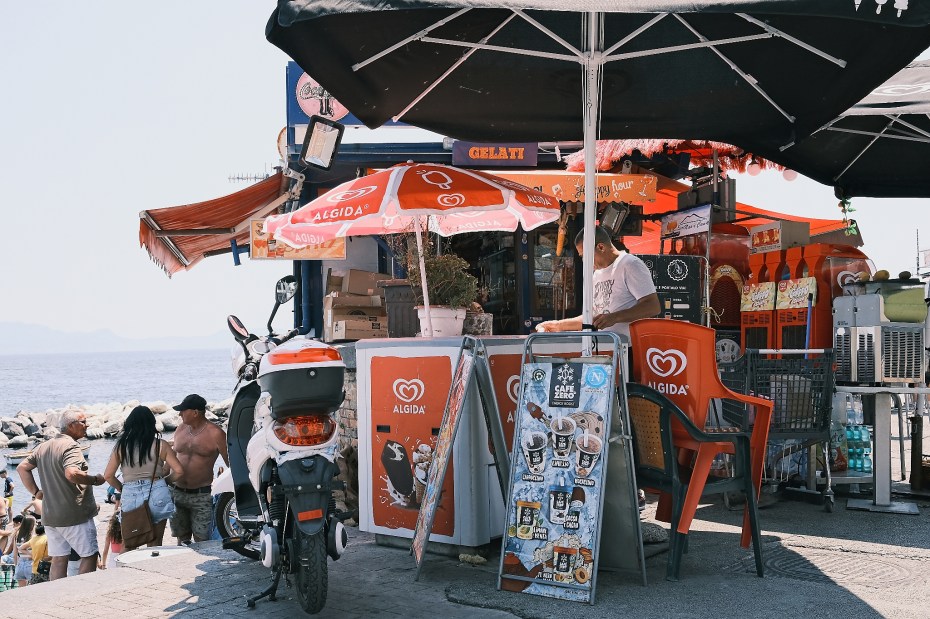
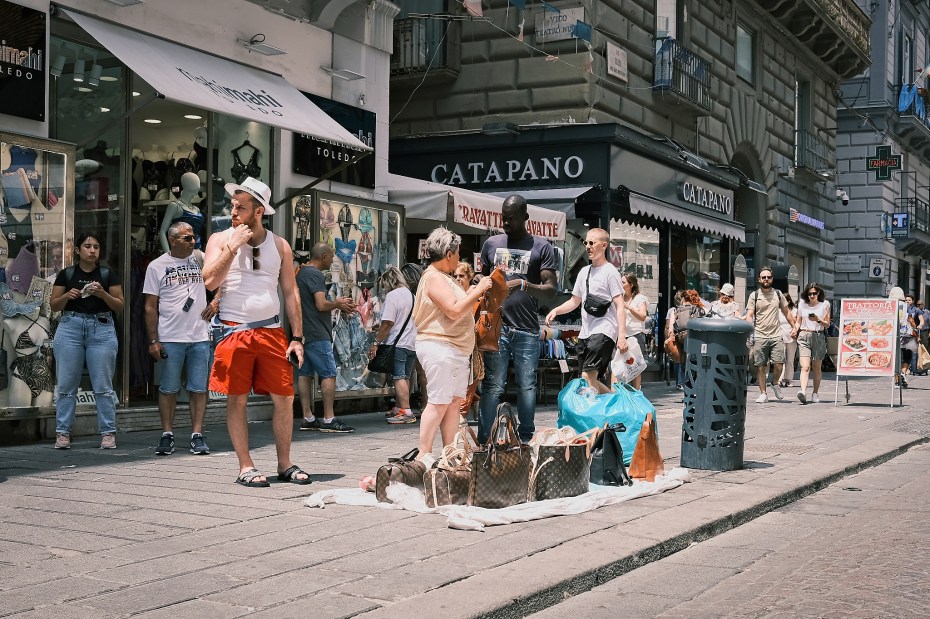
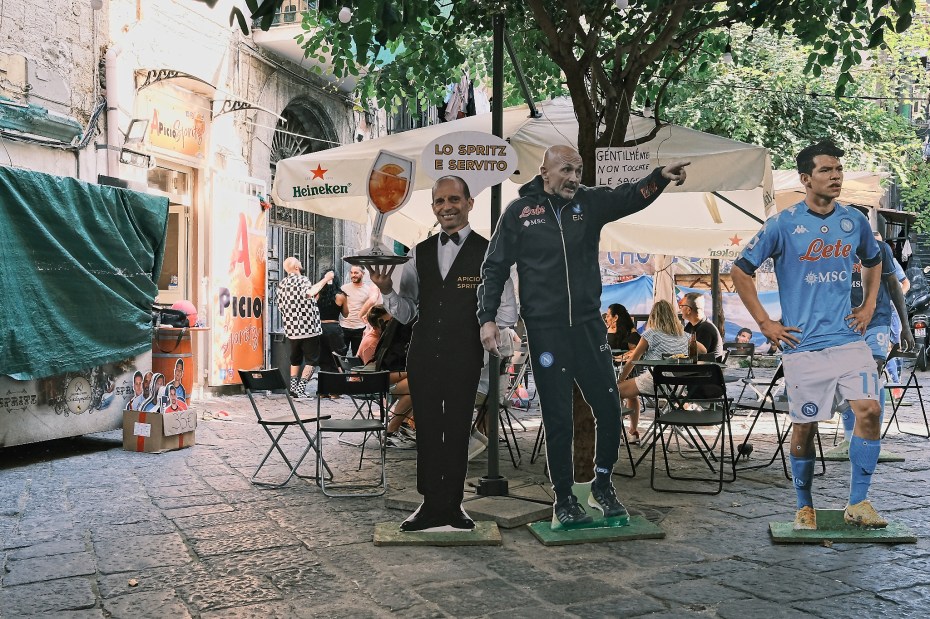
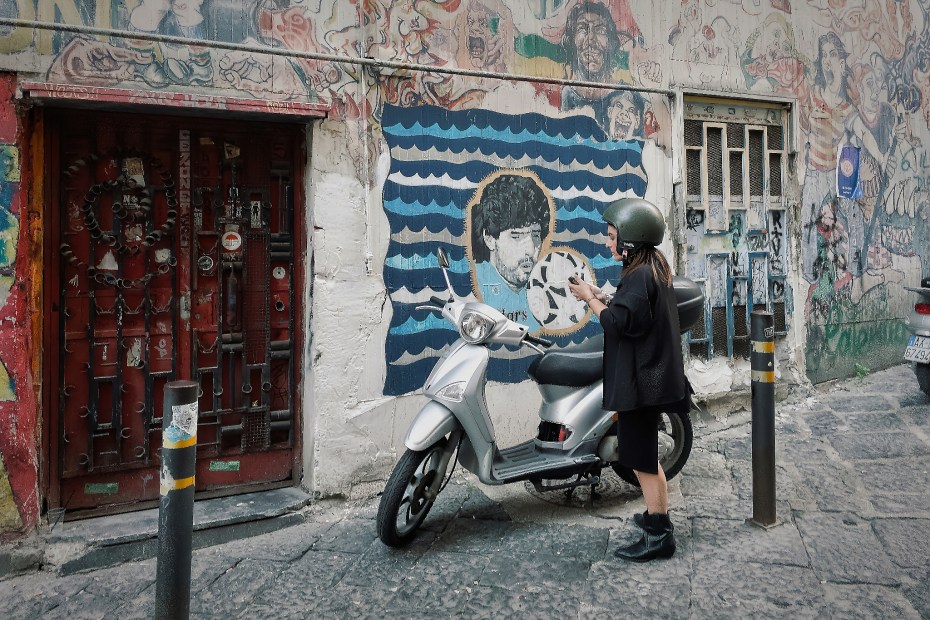
Napoli may lack the grandeur of Roma or the style of Milano but Italy’s third largest city has its own seductive character – lively, passionate, earthy. This ancient southern capital is flanked by hills to the east and the Bay of Napoli to the west. Its streets bring to life the imagined sterotypical traffic chaos of Italy with cars and scooters veering in all directions, dodging pedestrians, honking horns, conversing with passengers, passers-by, or people on the phone, parking just about anywhere there is space. Piazzas flow into alleys; bars and restaurants spill onto sidewalks; handicraft stalls line streets in the old town and illegal vendors lay out their counterfeit wares on the high streets. Graffiti defaces just about every surface on the inner-city streets and garbage sits piled up around public bins. The city’s historic sites are modest by Italian standards yet beauty can be found: along the seaside, particularly in the leafy Posillipo region to the north of the city; inside the city’s churches and museums; and surprisingly in its metro stations, justifiably advertised as among the most beautiful in the world. Then there’s the beauty of the city’s cuisine, which is up there with the best of them. For the Napolitani, perhaps most beautiful of all is the local football club, SSC Napoli, winning this year’s Seria A football championship after a wait of thirty-three years. Months later, the city still seems to be celebrating, with streets and balconies everywhere adorned with flags and ribbons in the team’s colors, and the city’s adopted son, Diego Maradona, who led the Napoli team to their first two Serie A wins, is in iconography everywhere from street art and souvenir trinkets to the stadium named in his honor.













 basili mobile images