The sakura trees in Tokyo are once again enjoying their time in the sun, their delicate blossoms marking yet another year. Amid the city’s cold brutalist landscape, those pale pastel blossoms — both joyous and wistful, beautiful yet ephemeral, much like life itself — transform their surroundings like the brush strokes of a master painter bring a canvas to life; soothe us like the sweetest caresses of a loving hand; lift our spirits like the brightest of rose-colored glasses.
Photography is by its nature a medium of record, framing and preserving fragments of the world around us: from personal milestones and historically significant events to this morning’s coffee and our latest sneakers.
Photography is also literally writing with light and there are photographers that are concerned more with the mood and expressiveness of their images than with any documentary aspects. Many of the lyrical images of photographic artists such as Rinko Kawauchi, Narelle Autio and Laura El-Tantawy verge on the abstract: luminous poems more than lucid documents. Sometimes it really is simply about capturing the beauty and intensity of the light.
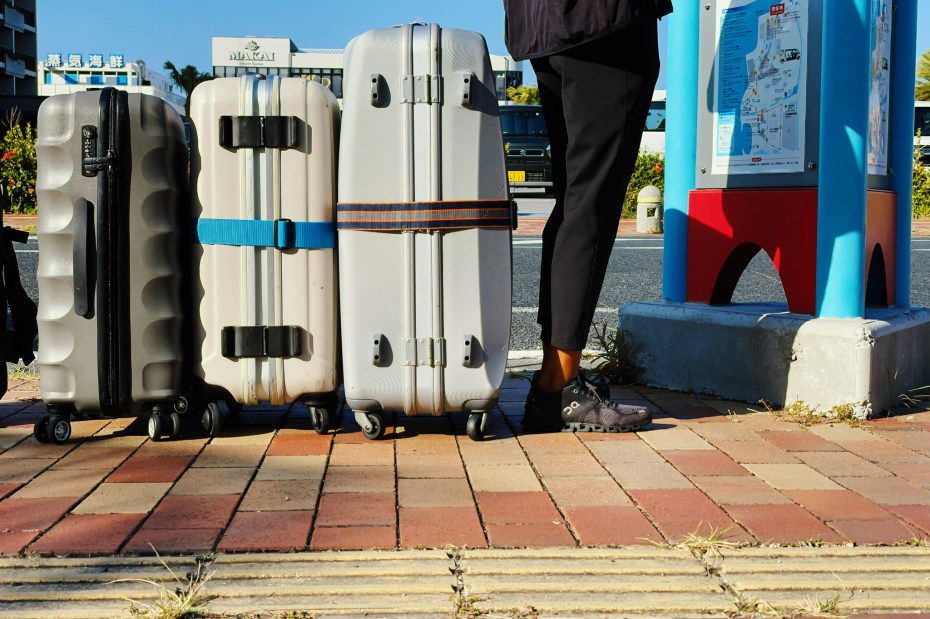
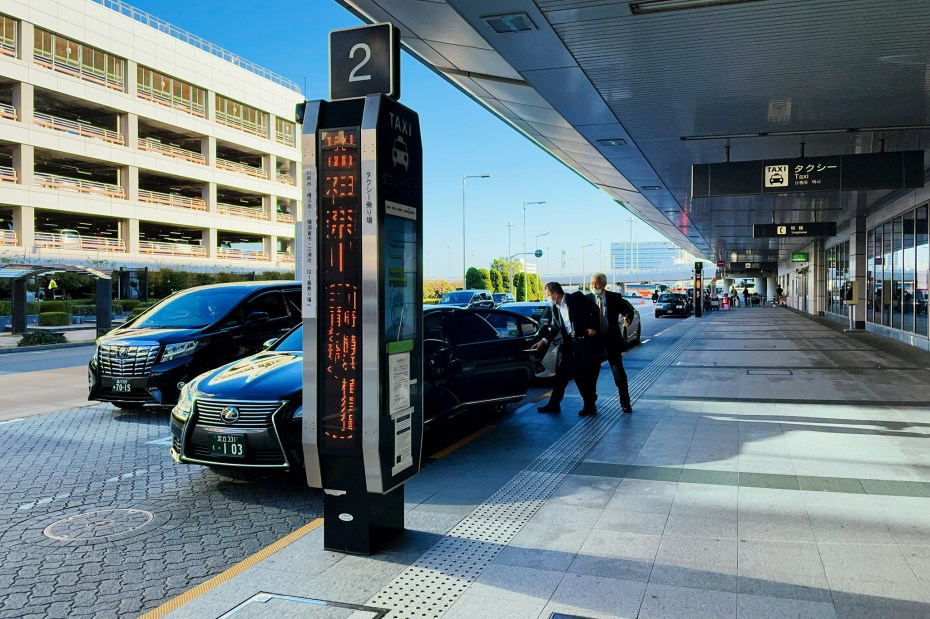
8:57am Chatan Okinawa Waiting for the shuttle bus to Naha Airport.
2:44pm Haneda Airport Tokyo Arrived in Tokyo and caught another shuttle bus to Narita Airport.
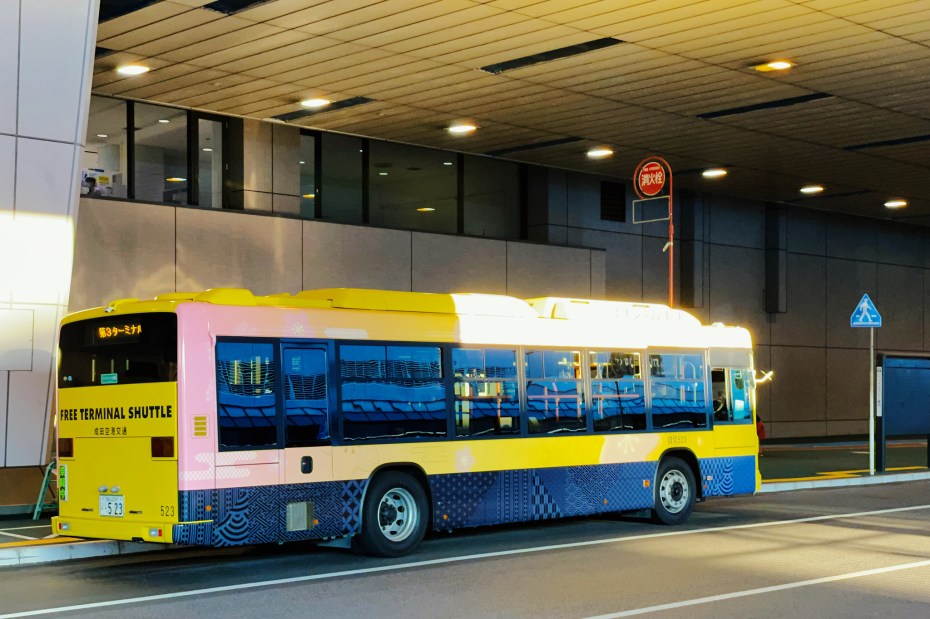
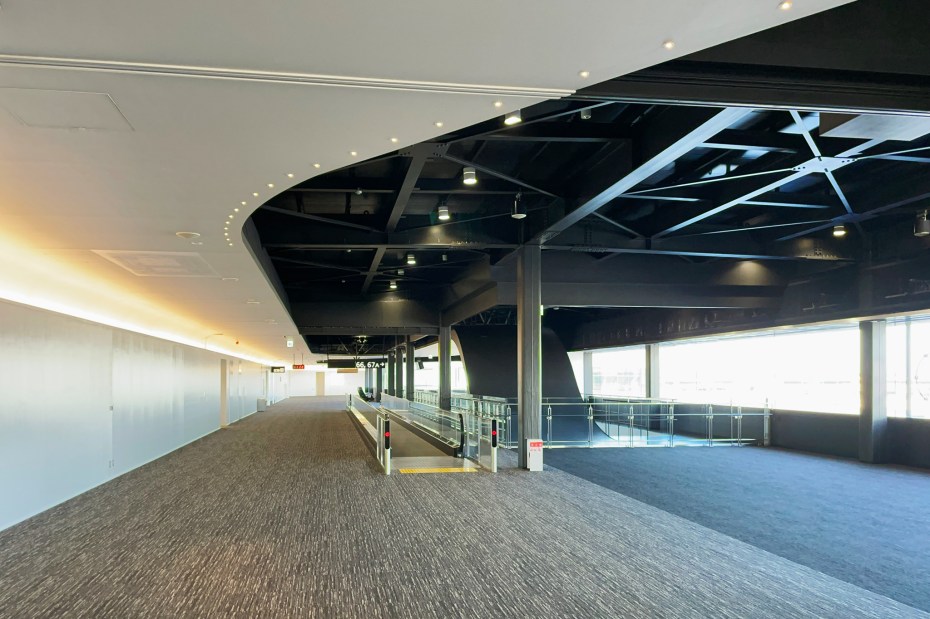
4:04pm Narita Airport Chiba Waiting for yet another shuttle to take us to our airport hotel.
5:46pm Narita City Chiba After checking in at the hotel, headed to Narita station for some dinner.
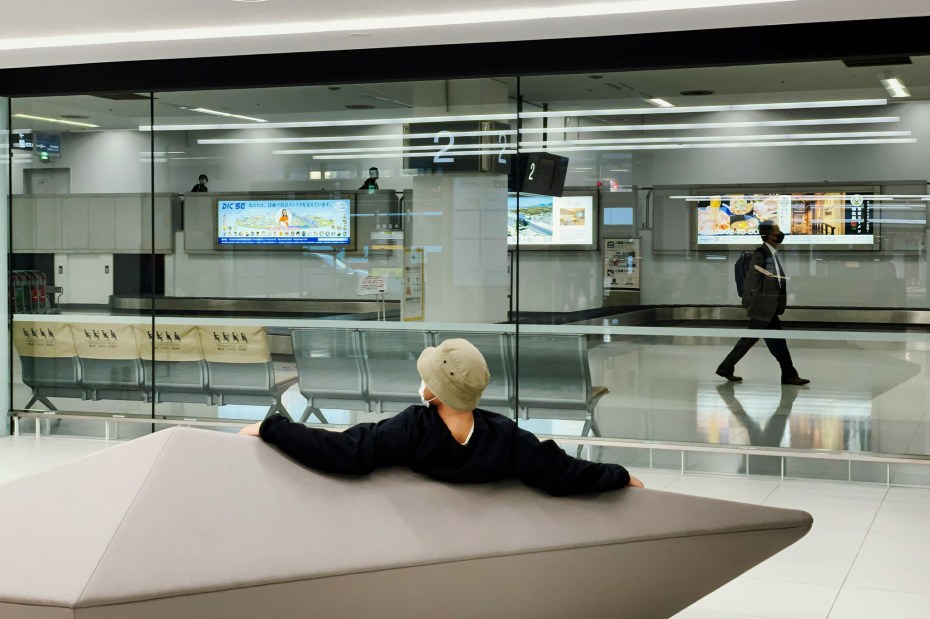
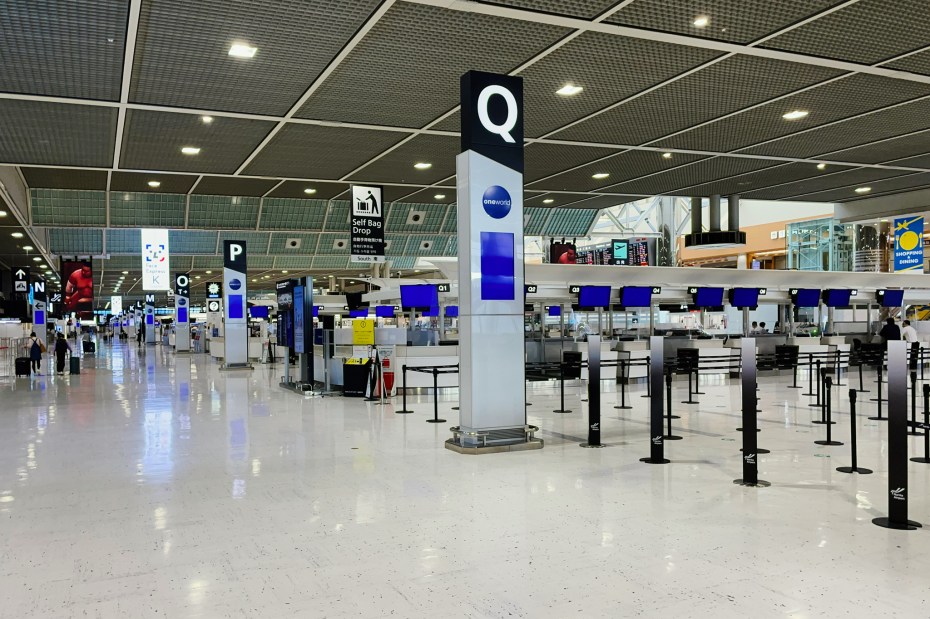
8:45am Narita Airport Chiba Back at an all but deserted terminal to check-in for our international flight.
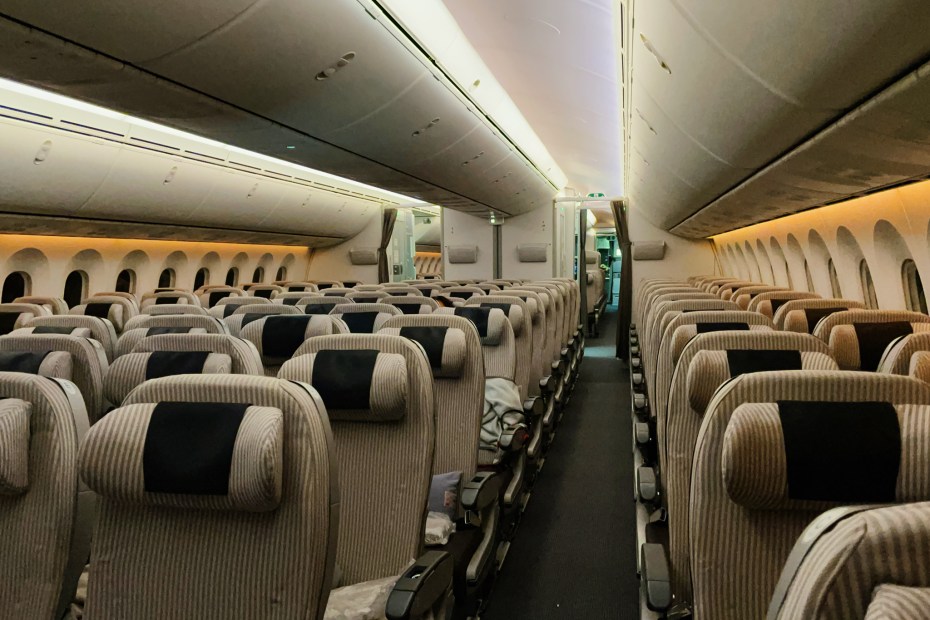
11:22am Narita Airport Chiba A handful of passengers get ready to board the plane. In all there are seven passengers and seven flight crew.
The bureaucracy and preparation for a trip during these times of reinforced international borders is far from a pleasant experience. Travel in times like this is best avoided. Sometimes, it can’t be. And here we are.
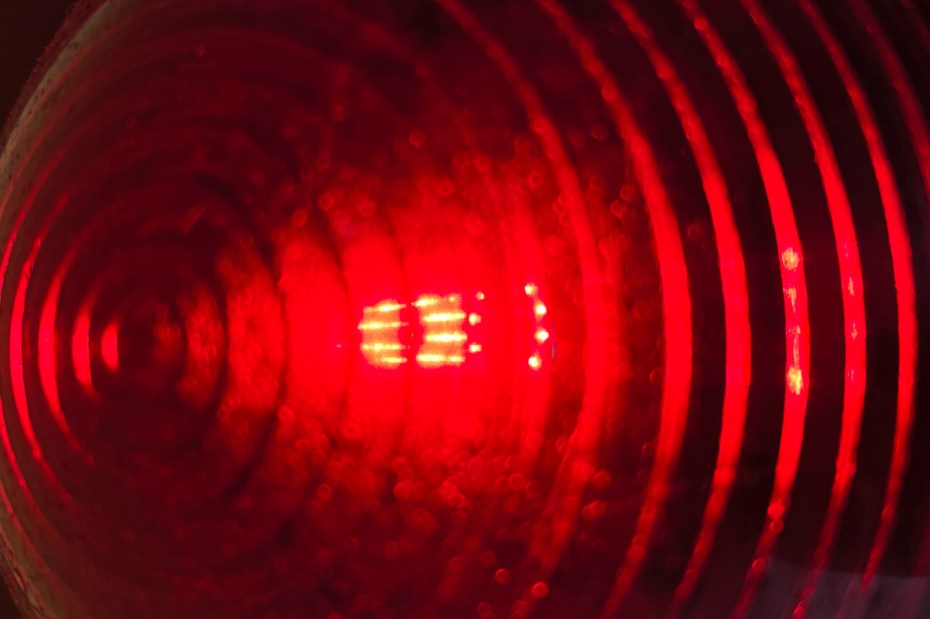
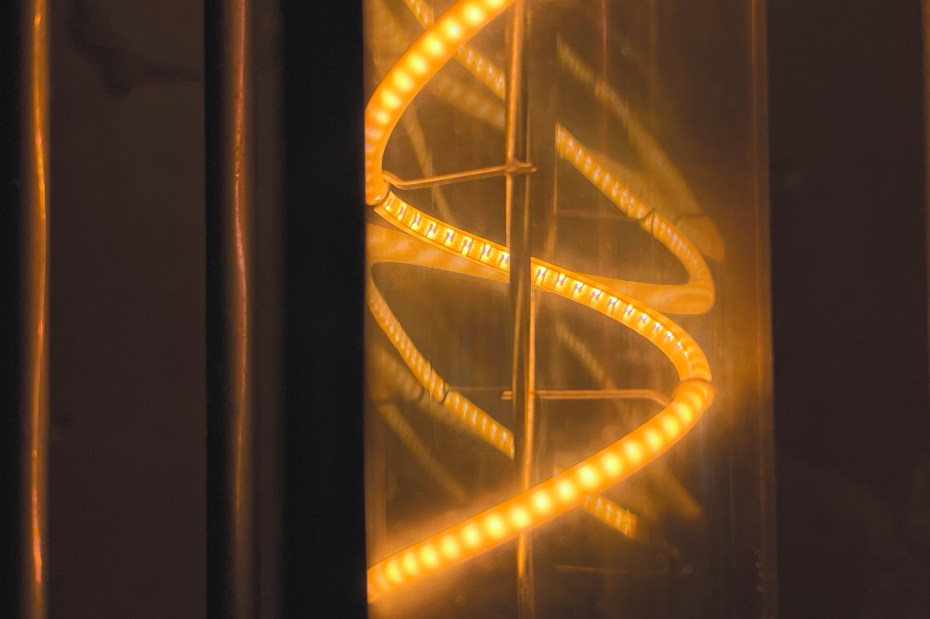
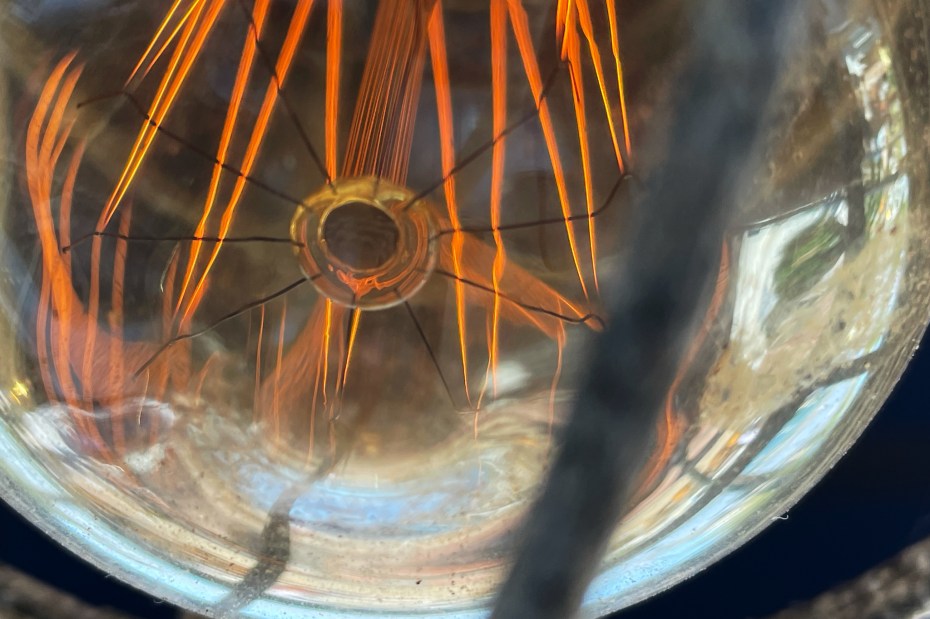
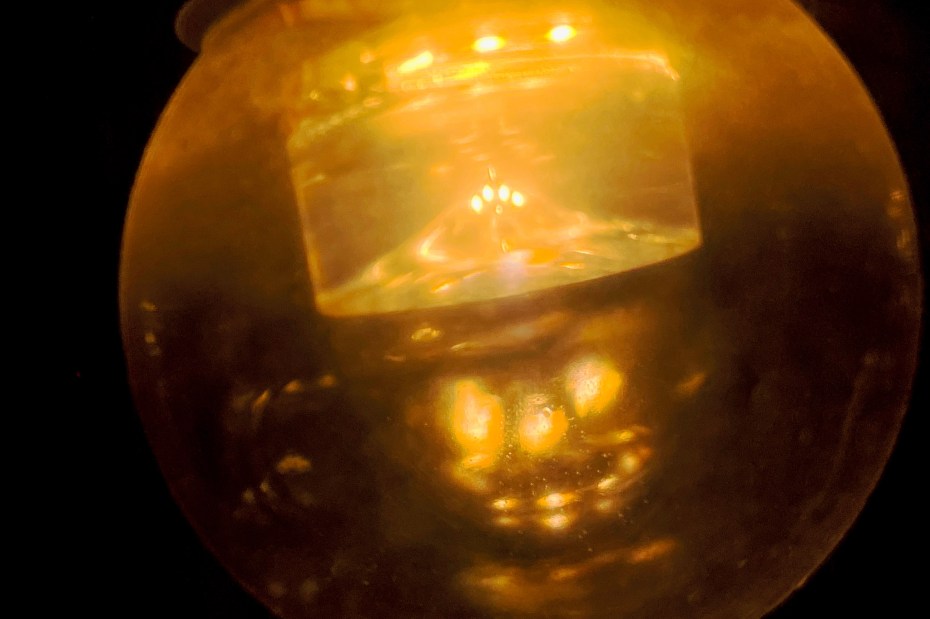
One of the benefits of updating my phone last year was getting an extra camera — well, two actually, but I never use the wide-angle camera; too much distortion for my liking. The so-called ‘telephoto’ though, with its 52mm equivalent view has been a lovely and often-used addition to the standard 26mm equivalent lens on the iPhone 12 Pro, which can often be a little wider than I prefer. This year’s new iPhone Pro models naturally have some camera and lens improvements; they now also have added macro photography capability. It could be tempting to update my phone for this feature, but the 52mm lens has been replaced on both Pro models with a longer, less versatile 77mm equivalent lens. Fortunately I can have my cake and eat it, as they say. Thanks to some clever engineering from the team at Lux, a recent Halide camera app update has given my iPhone — and other recent models — a similar macro capability, and I now have three very capable cameras in my pocket. And mixing it up is always good for one’s creativity.
Photos captured with Halide camera using macro mode on an iPhone 12 Pro.
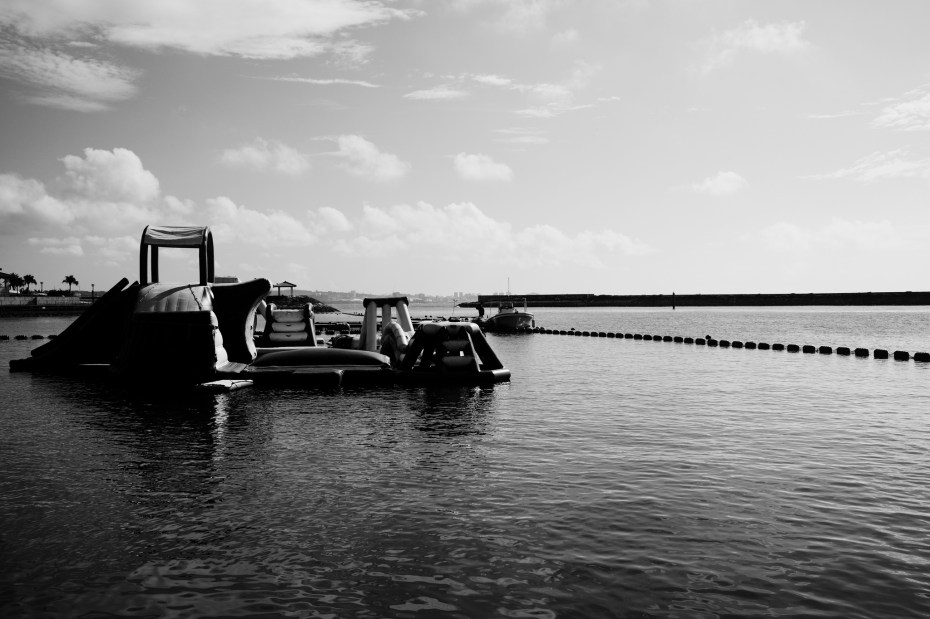
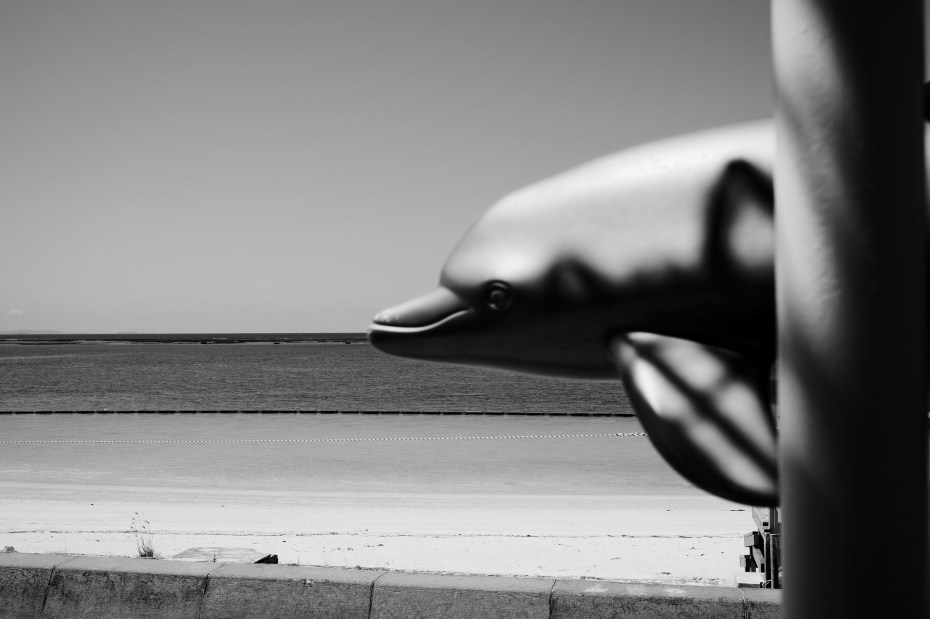
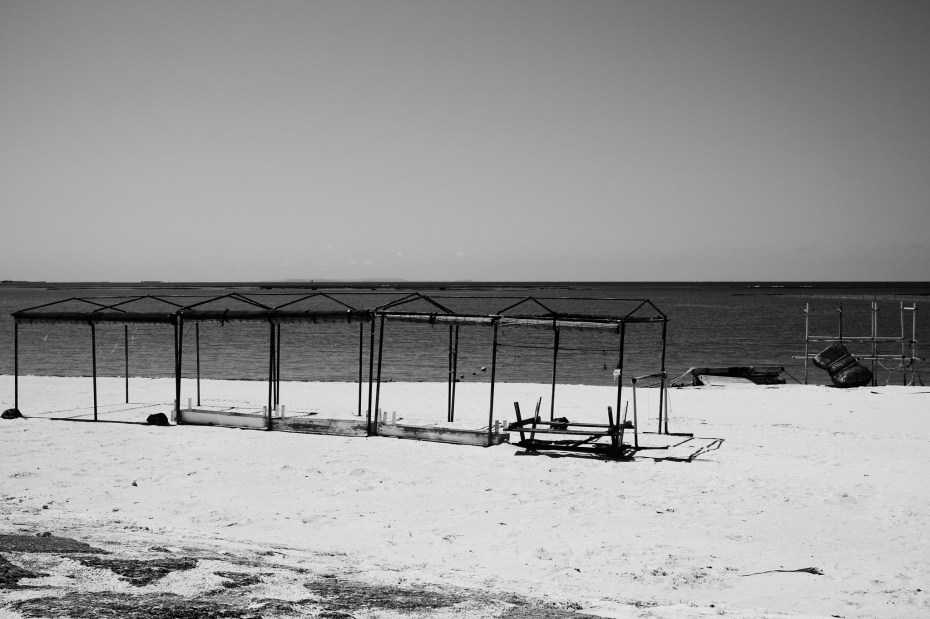
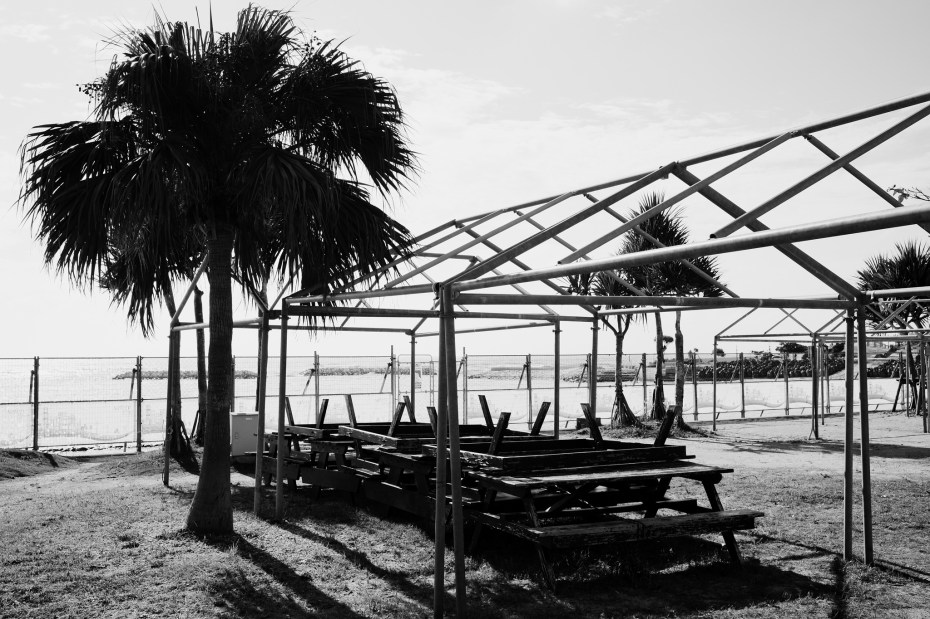
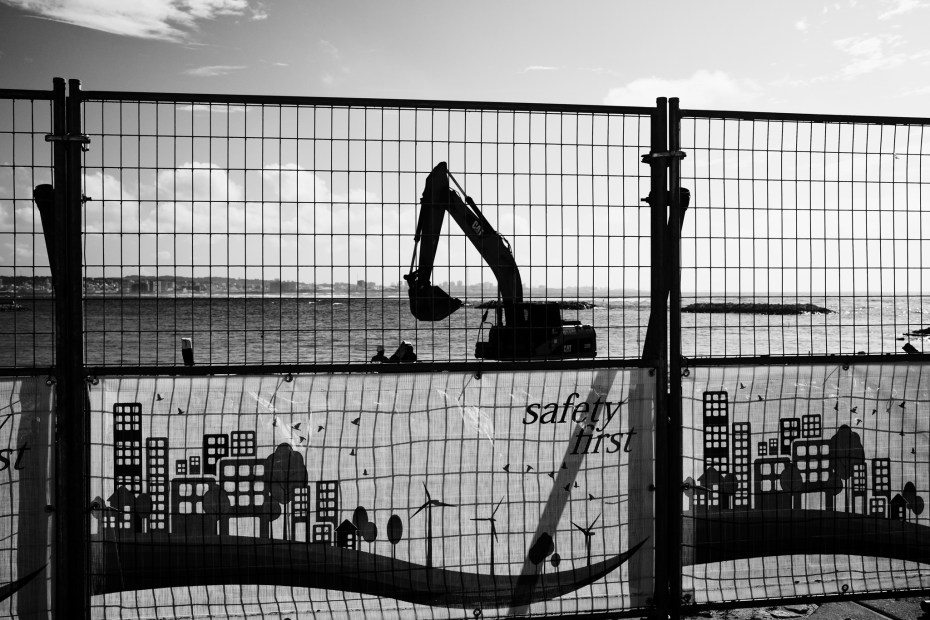
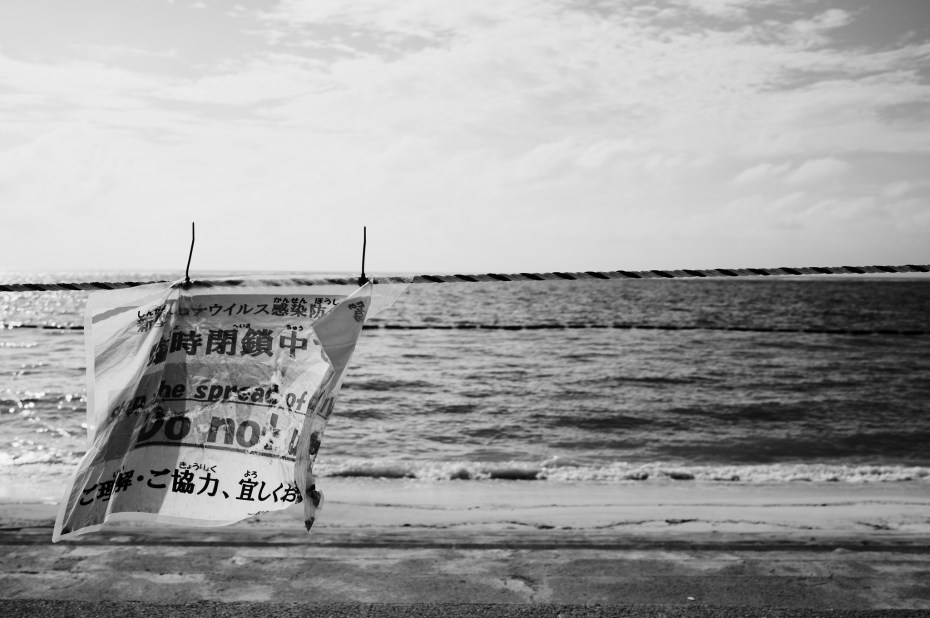
The beach and the sights and sounds of summer. Swimwear: vibrant daubs of color on the sun-bleached sands. Umbrellas and beach tents scattered throughout. In the water, gorgeous inflatables: rings and tubes, seats and animals. Splashes and squeals of joy. Bursts of laughter and animated voices. Music drifting from a beachside bar and the muffled roar of jet skis offshore. Not this beach. Not this summer. Not this officially decreed state of emergency.
There was a time when I loved airports; they promised excitement. I doubt they were ever exciting in themselves but for a young traveler they were portals to lands unknown and served up morsels of exotica.
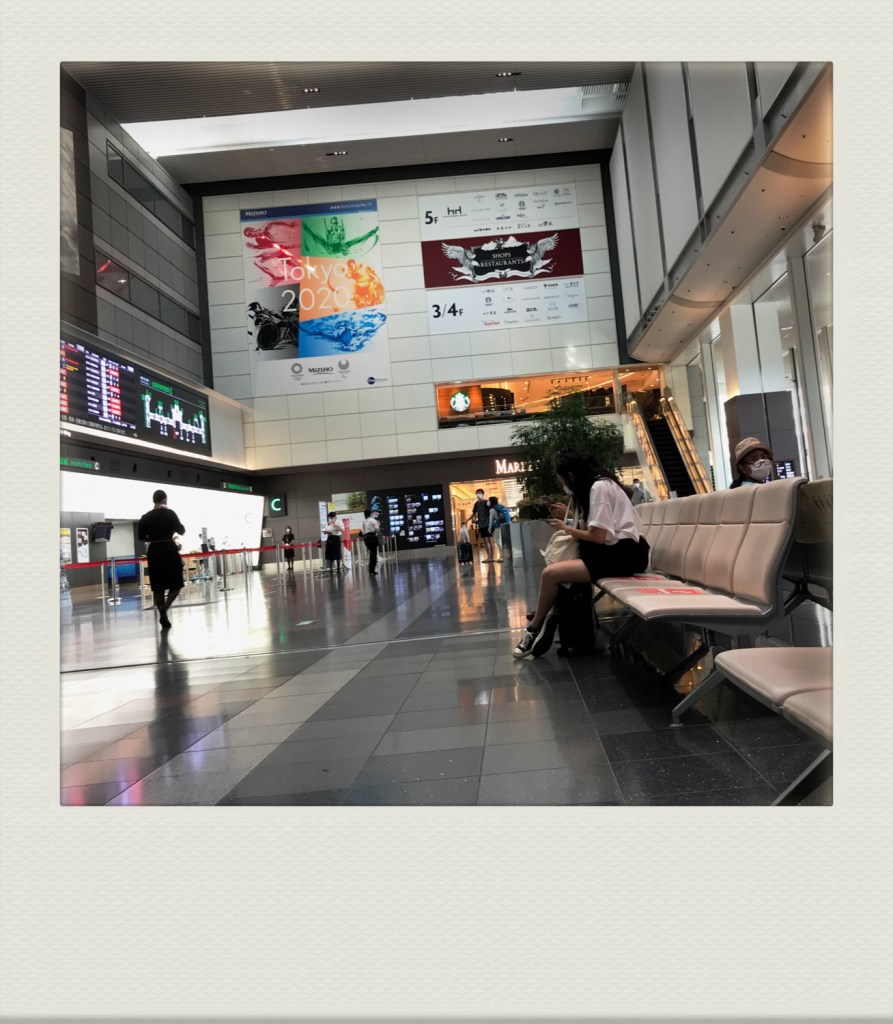
Things have changed: McDonalds and Starbucks, self check-in and baggage procedures, heightened security screenings and health monitoring. Terminals nowadays are about as exotic as bus stations. Navigating them — for those that can — is a necessary chore. Few that I’ve visited have left an impression. Tokyo International Airport is one.
Haneda Airport, as it’s more commonly called, is a far more pleasant place than Narita, the city’s main gateway. For one thing it’s in the city, sitting on reclaimed land in Tokyo Bay, with convenient train, bus and monorail access. Even taxis to certain parts of the city are affordable — compared with a Narita–Shinjuku fare of around USD240.
Opened in 1931, Haneda served as Tokyo’s airport until 1978, when the newly constructed Narita became the city’s main international gateway, relegating Haneda to domestic duties. However, in 2010 a third terminal opened at Haneda, dedicated to international flights; since then both airports share the load.
Aside from its proximity to town, I like Haneda for its six-level shopping mall with restaurants that are a cut above the usual airport eateries. Then there are the three rooftop observation decks, that of Terminal 2 offering particularly good views of the runway action and the city’s skyline beyond. The stylish Japanese food court and Isetan cafe that service the departure gate lounge at Terminal 1 are a treat, and the spotless Tokyo Monorail and Keikyu line basement train stations couldn’t be more conveniently located. All of this is complemented by the polite, efficient service the Japanese are renowned for. It’s unlikely to win any architectural prizes, but Haneda is about as good as a modern airport gets.
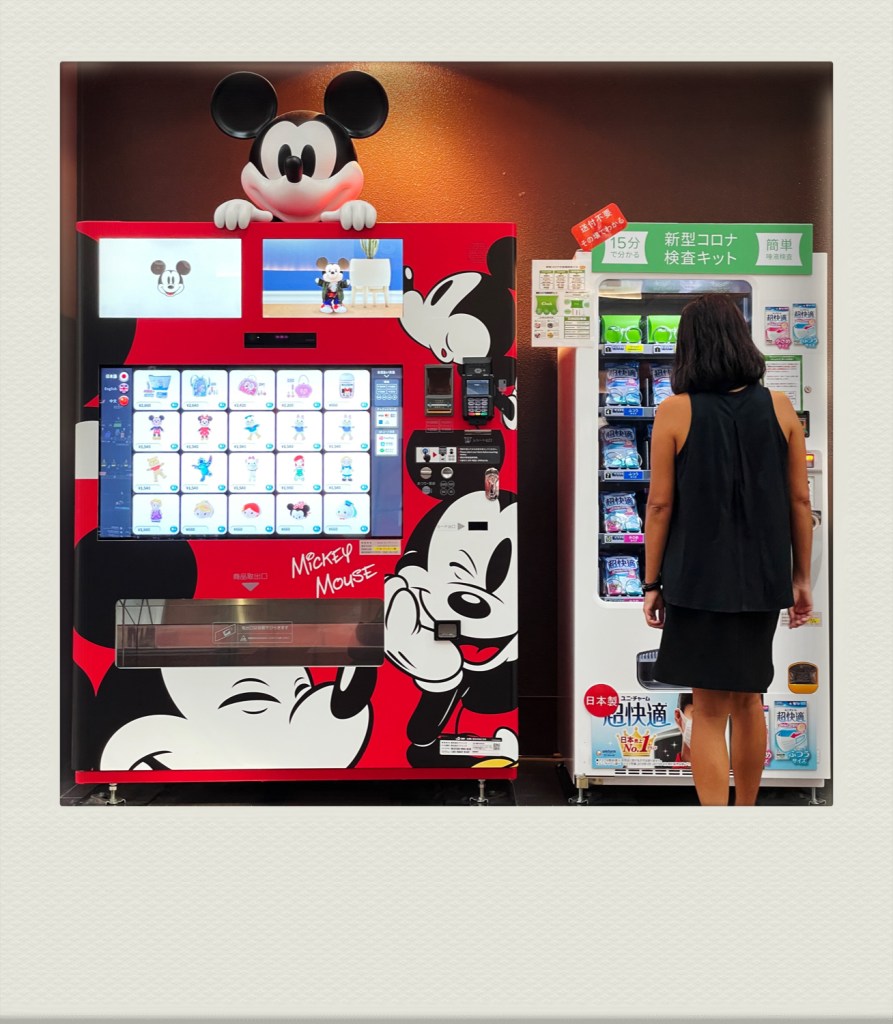
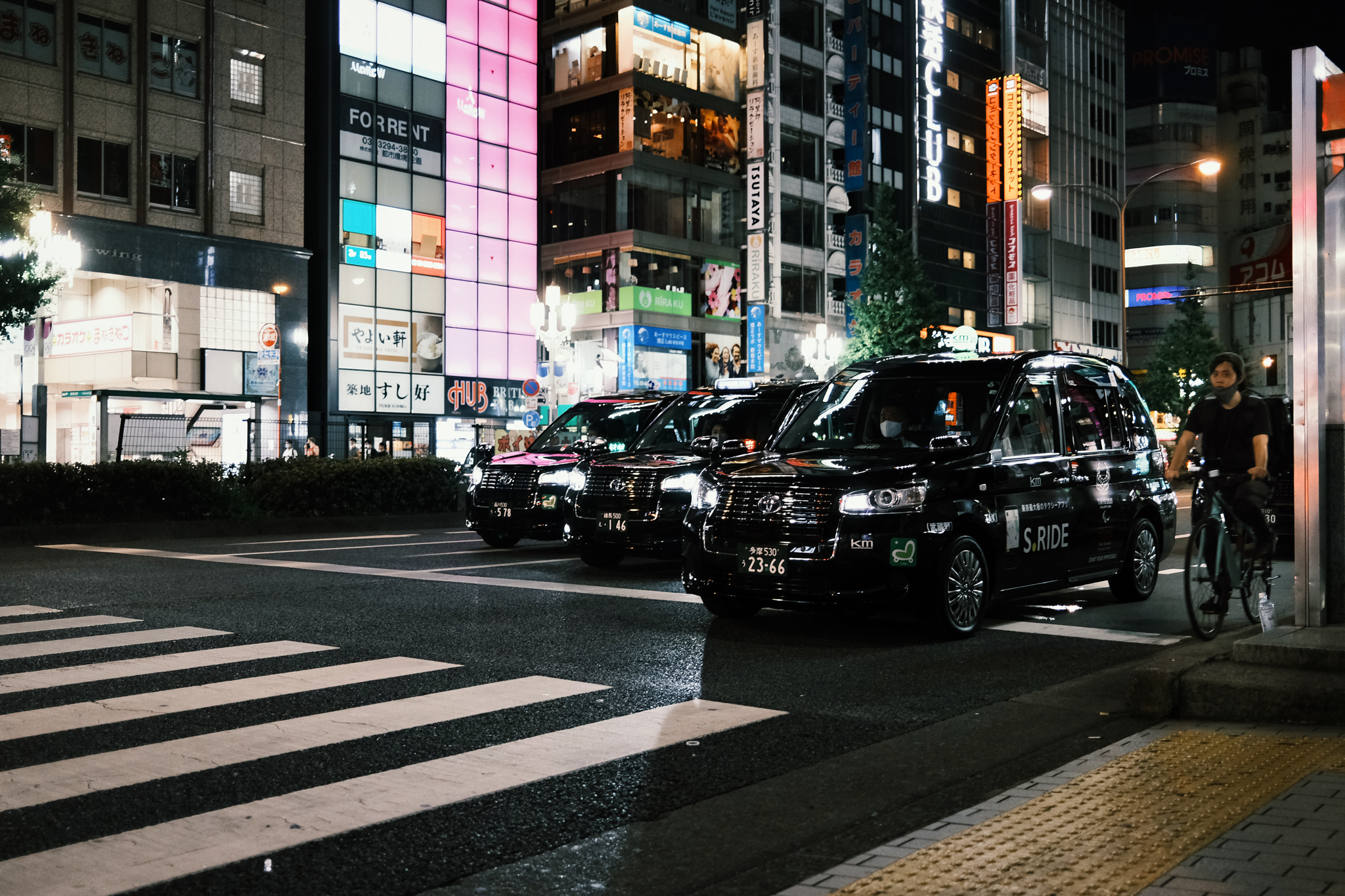
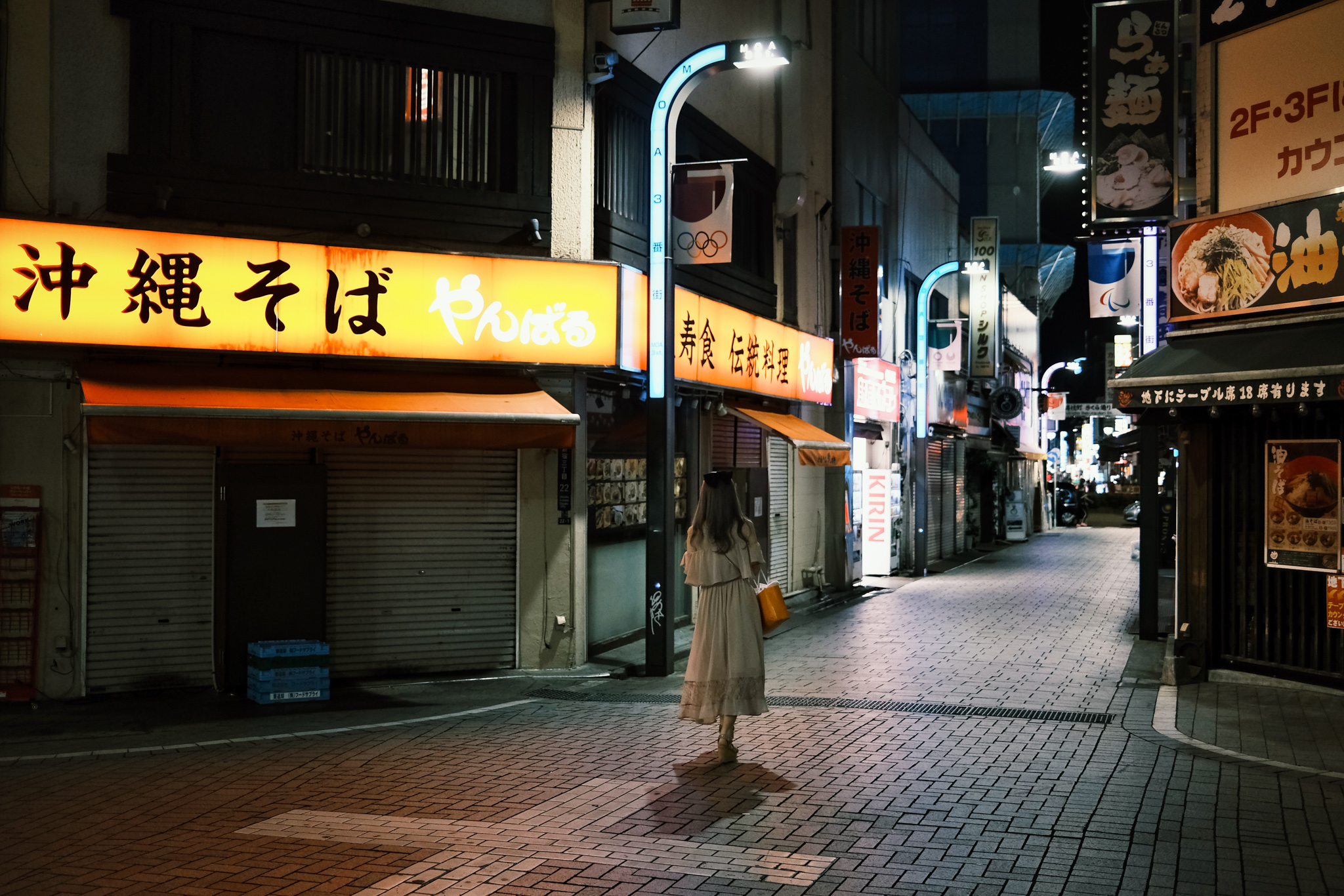
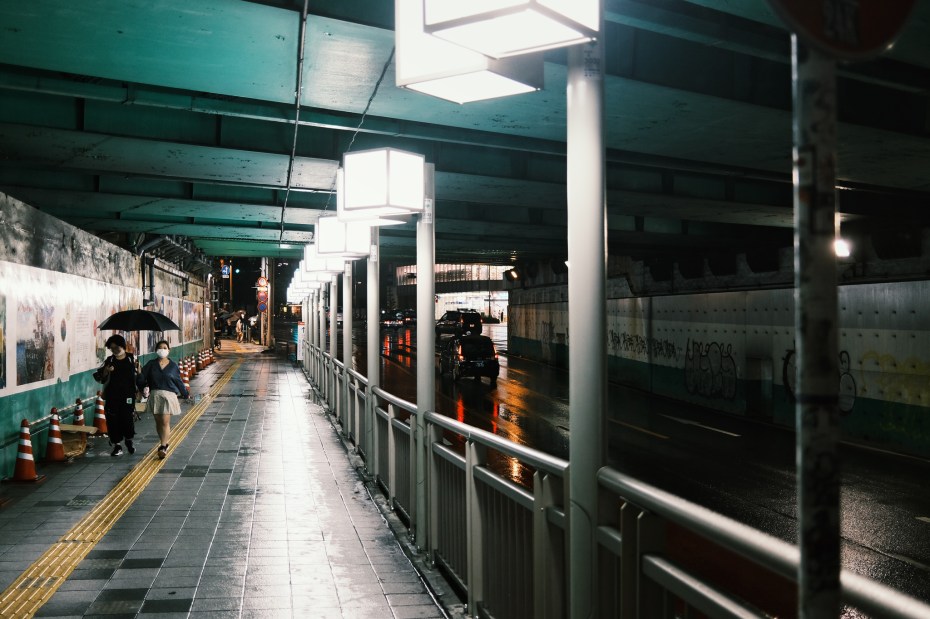
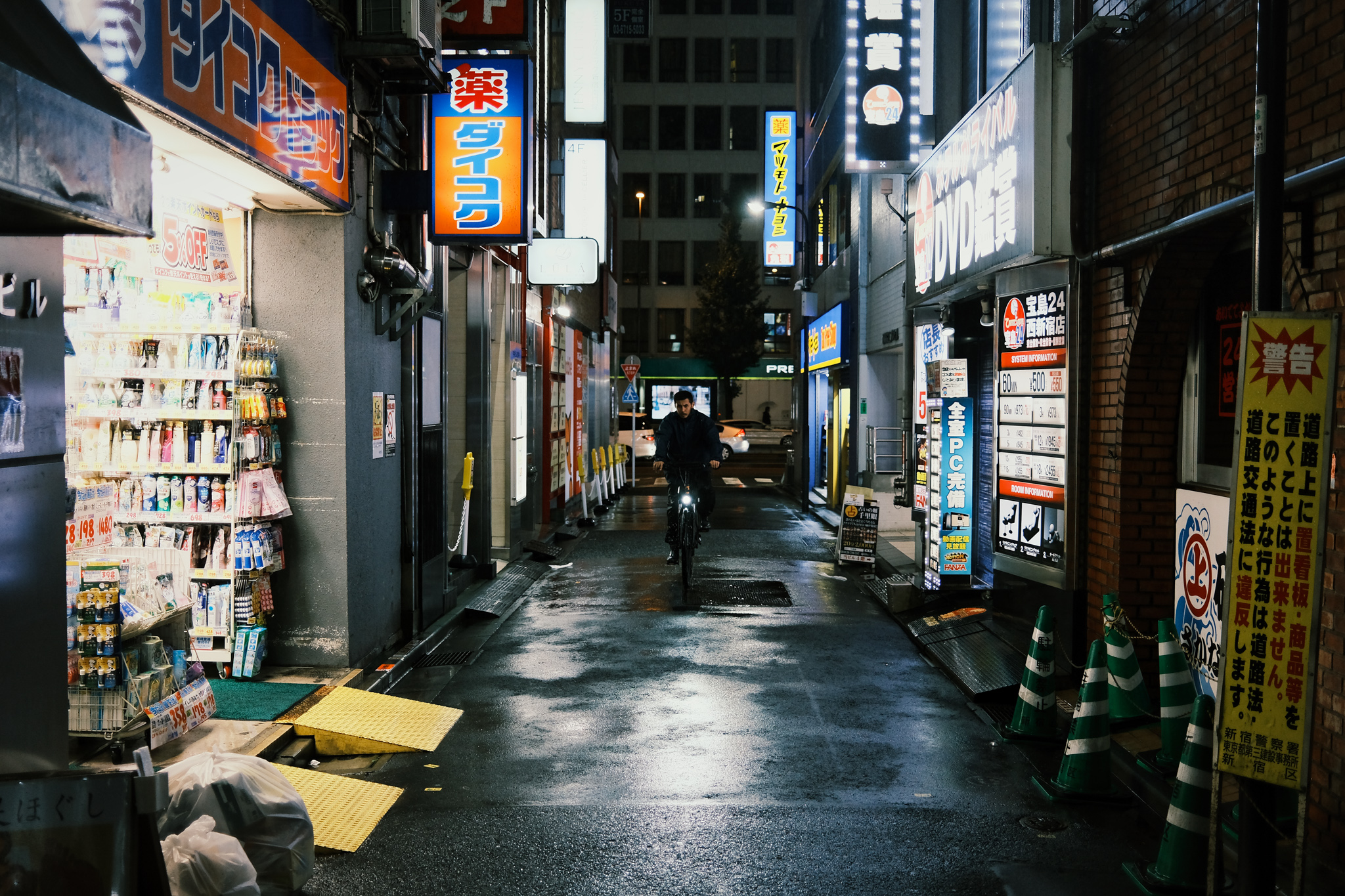
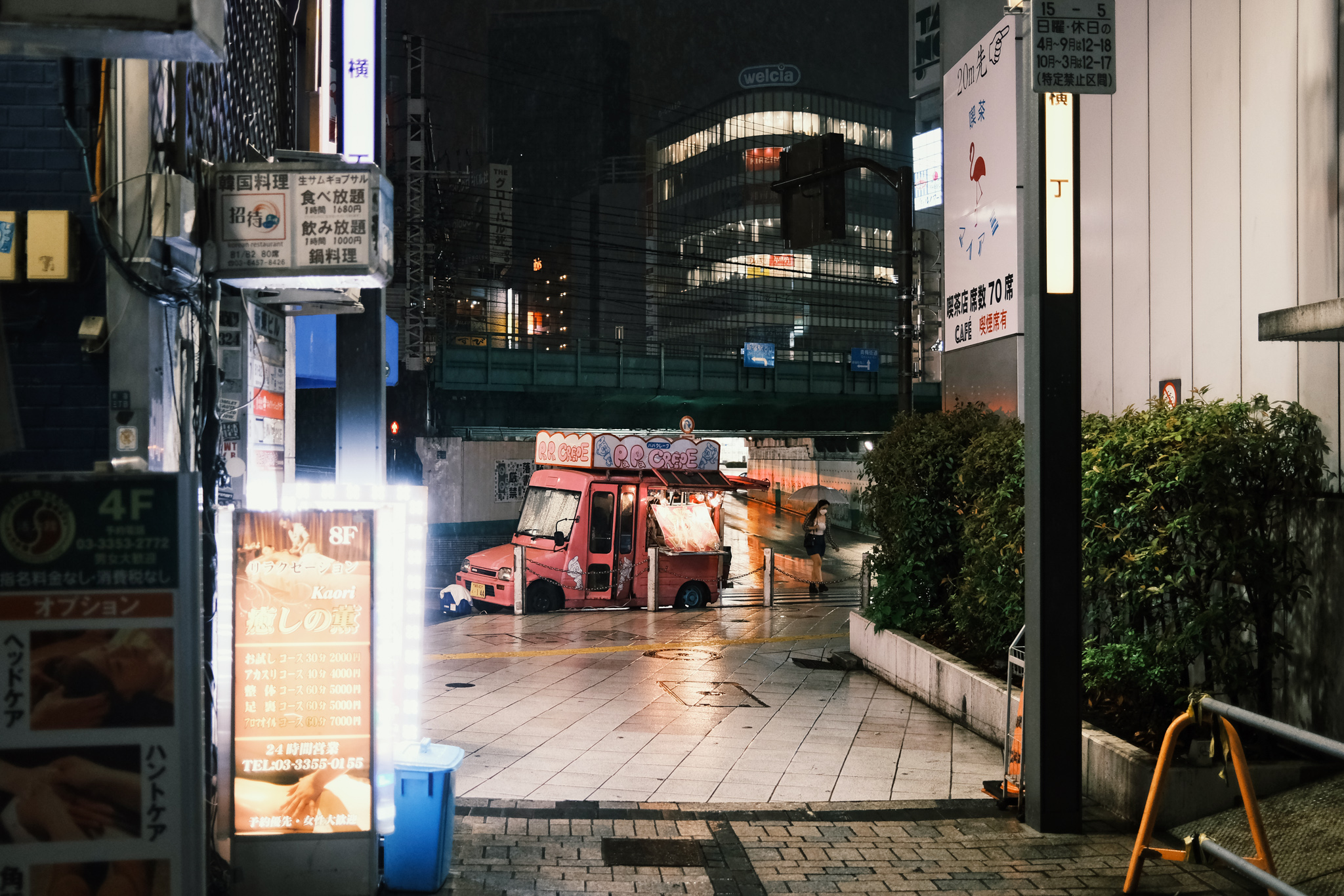
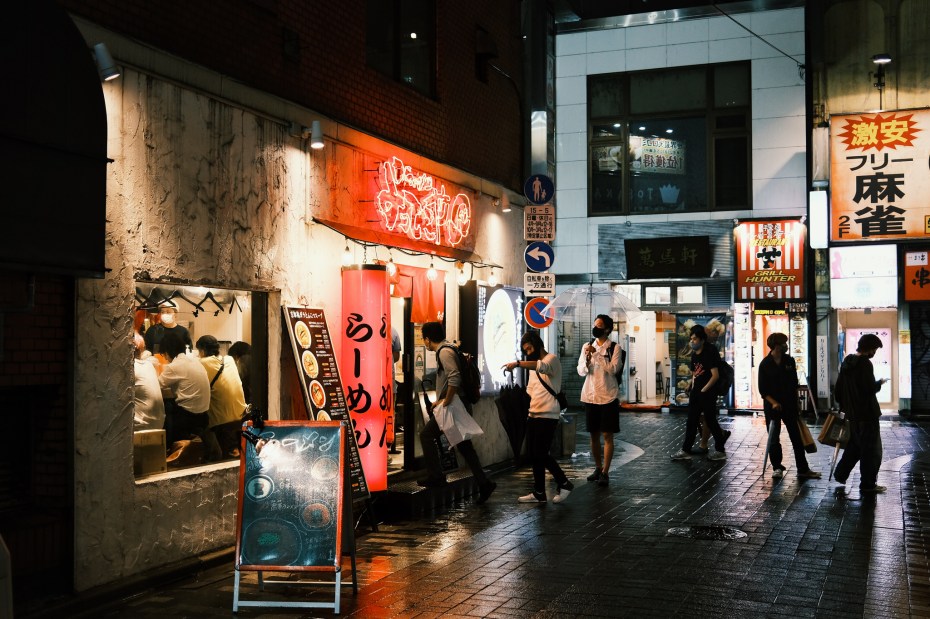
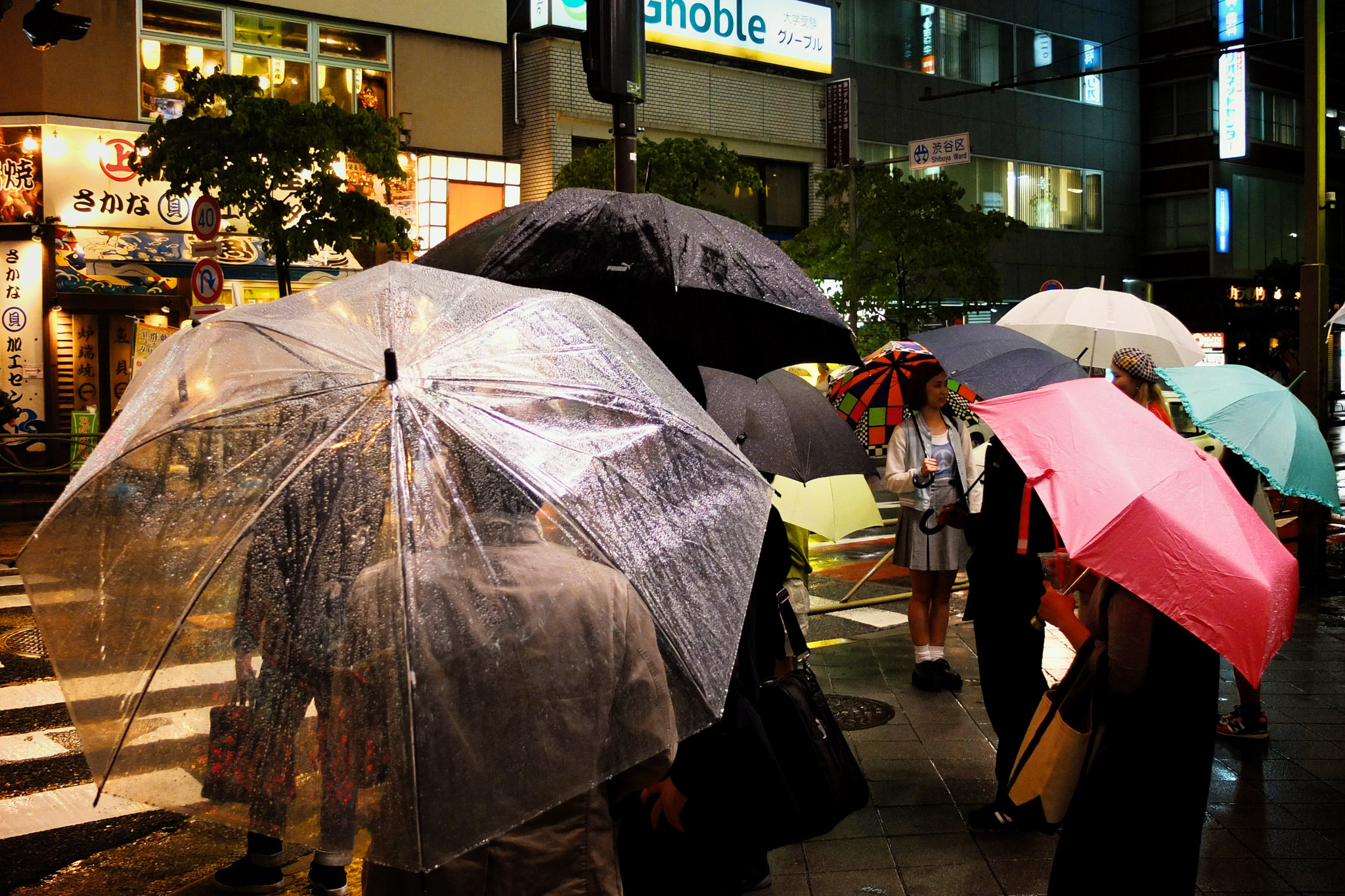
Tokyo. Summer. Covid waves. The Olympics. Obon. This strange brew gives the city a bittersweet flavor. Oppressive summer days are tempered by unexpected tropic-like rain storms or punctuated by days of drizzle. Police foot patrols and mobile holding cells await non-existent law-breakers. Games volunteers, flecks in the landscape in their co-ordinated synthetic uniforms. International Olympic extras hover in hotel lobbies. Non-socially-distanced lines of residents snake around entrances to vaccine centers. Trains and stations are crowded, but not in the way Tokyoites interpret the word. Restaurants close their kitchens early, yet touts on the streets spruik for late-night establishments. Delivery men and Uber Eats cyclists dash about the streets. Repeated announcements about anti-virus precautions and the incessant whirring of cicadas add eerie layers to the city’s soundtrack. Offices are closed, their businesses conducted remotely, but many more are not. Shops of all sizes have closed their doors for good; others have a thriving trade. And everywhere there are hand sanitisers, thermal imaging cameras and thermometers. And masks, and masks, and masks. In August during a resurgent pandemic, the city hosting an Olympiad, Tokyo’s contradictions are ever more heightened, the place seems ever more surreal.
In 2014, I published Tokyo Umbrellas as a digital photo book. Though I had previous experience in book and magazine publishing, this was an experiment: my first book of photography. The book was the finishing touch on a project I’d been working on for a couple of years, framing it, giving a defining form and end to the project. In August of that year I put the book out there in PDF form — literally giving it away — and moved on.
In early 2021, while sorting through my files for my print archive, I came across Tokyo Umbrellas and, looking through it, realized it wasn’t all that good; there were good photos, and the basic concept of umbrellas shown used in the rain and sun worked well, but the book was — for want of a better word — bloated. Too many pages, too many images. With the benefit of hindsight and the experience accrued in the interim it was fairly easy to spot flaws in the work.
A benefit of digital books is that making changes is comparatively painless. So I took some time to rework my book.
Tokyo Umbrellas has now been re-edited and redesigned. It is now leaner, comprising a more focused 42 pages that feature 33 images. Less, as it’s often said, is more. This new second edition replaces the original book. Click the video below to flick through its pages. For more information and to view and download the digital book, head to the Tokyo Umbrellas page on this site.
A day after Brazil defeated Germany in the opening round of the mens’ Olympic football tournament, the opening ceremony of the Games of the Thirty-second Olympiad got under way. You’d imagine it would be the other way round but these are strange times.
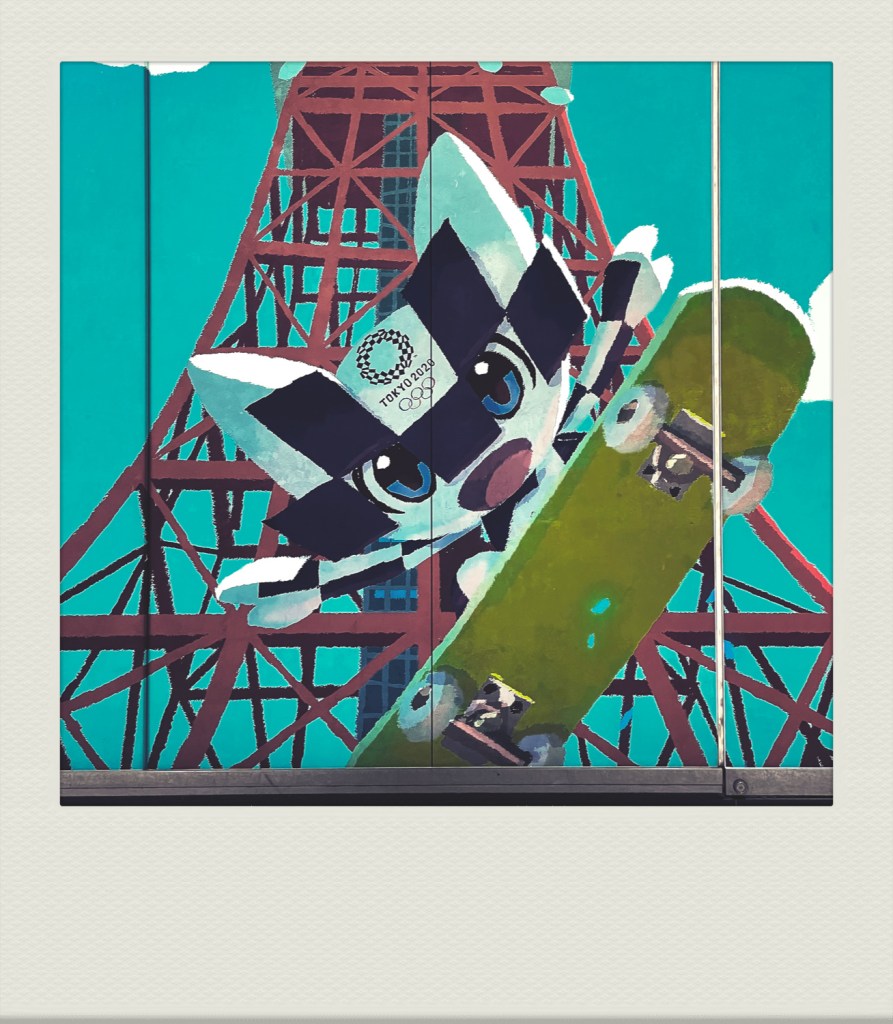
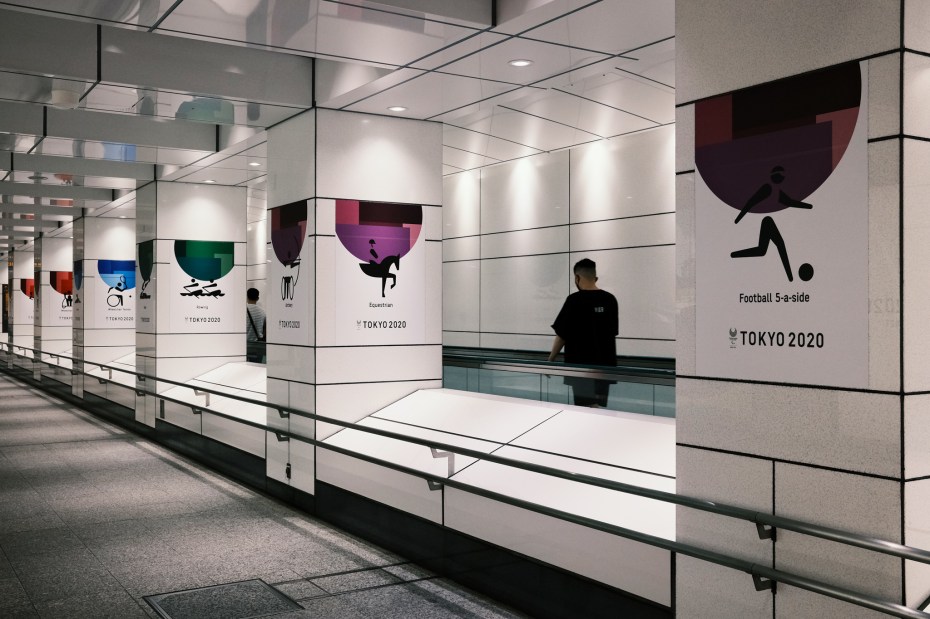
I’m ambivalent about these Tokyo 2020 Olympics, but I watched the televised ceremony, watched the fireworks, drones and digital projections, the singing and dancing, speeches and pantomimes broadcast from an all but empty stadium. It was a long kaleidoscopic spectacle in need of a cohesive vision; most of it left me cold.
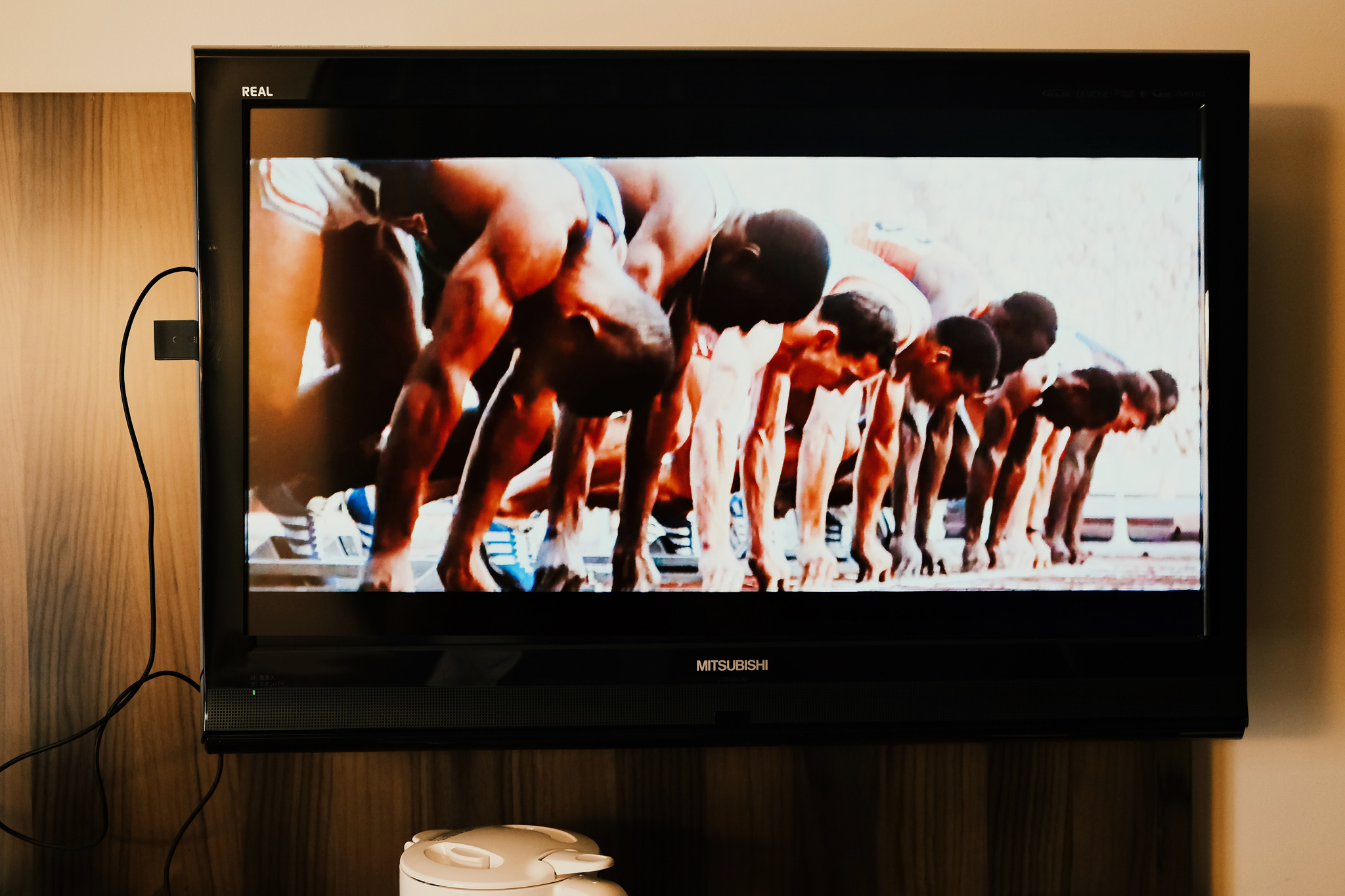
This week I also watched Tokyo Olympiad, Kon Ichikawa’s rightly celebrated record of Tokyo’s 1964 Summer Olympics — games that were in a way the realization of the 1940 Tokyo Olympics that were cancelled due to war.
I have no ambivalence about the 1964 Games of the Eighteenth Olympiad. They were Tokyo’s reintroduction to international society after the devastation of the Second World War. They showcased an optimistic, advanced and determined nation literally risen from ashes — Japan amassed the third highest medal tally in 1964 and grew to become the world’s second largest economy four years later — as Ichikawa’s lyrical documentary shows a simpler time. In contrast to this year’s multimedia prime-time production, the daytime crowds in the arena in 1964 saw thousands of colored balloons and live doves released to the skies. Its competitors were students, carpenters, accountants and mechanics; there were no multi-millionaire professional athletes. The cost of the 1964 games, no doubt expensive for the time, was a fraction of 21st Century Olympic budgets. Still it covered some impressive infrastructure, a legacy that can still be seen in the city today: a monorail line to the airport, overhead highways, the shinkansen bullet train, new broadcast and communications technologies, and landmarks such as Yoyogi National Gymnasium chief among them.
The 1964 games were a boon for Japan. Tokyo 2020 — the most expensive summer Olympics in history — was also meant to help revive the country, to kickstart a moribund economy, to heal the pain inflicted by the 3/11 earthquake and tsunami in 2011, to advertise the nation to the world. But no one foresaw a global pandemic. I don’t know what the benefits or legacy of these games will be but I doubt they will match those of the 1964 Olympiad.





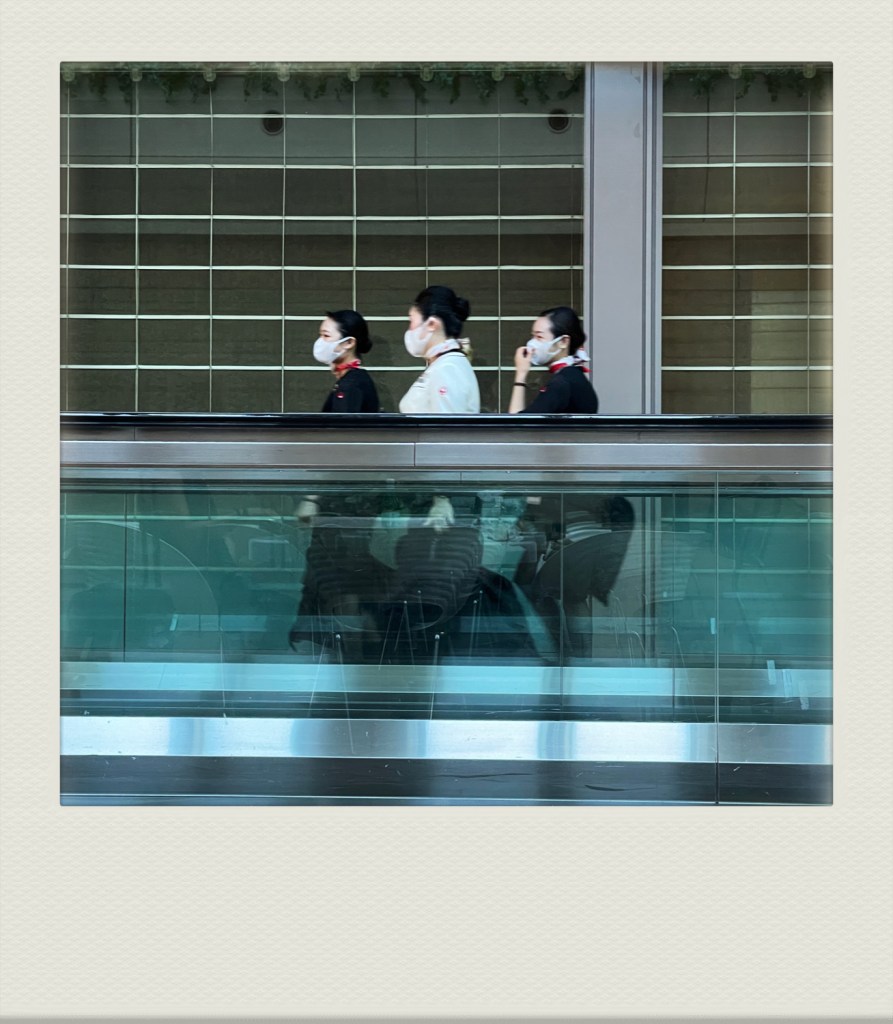
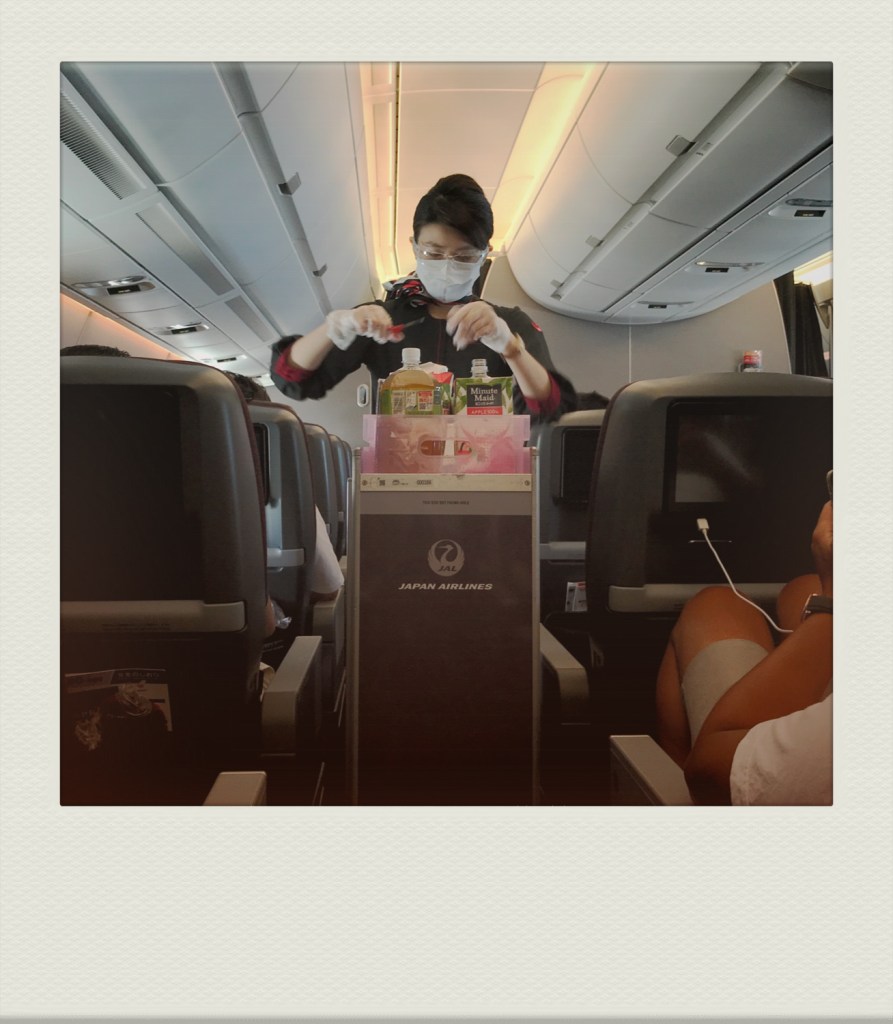
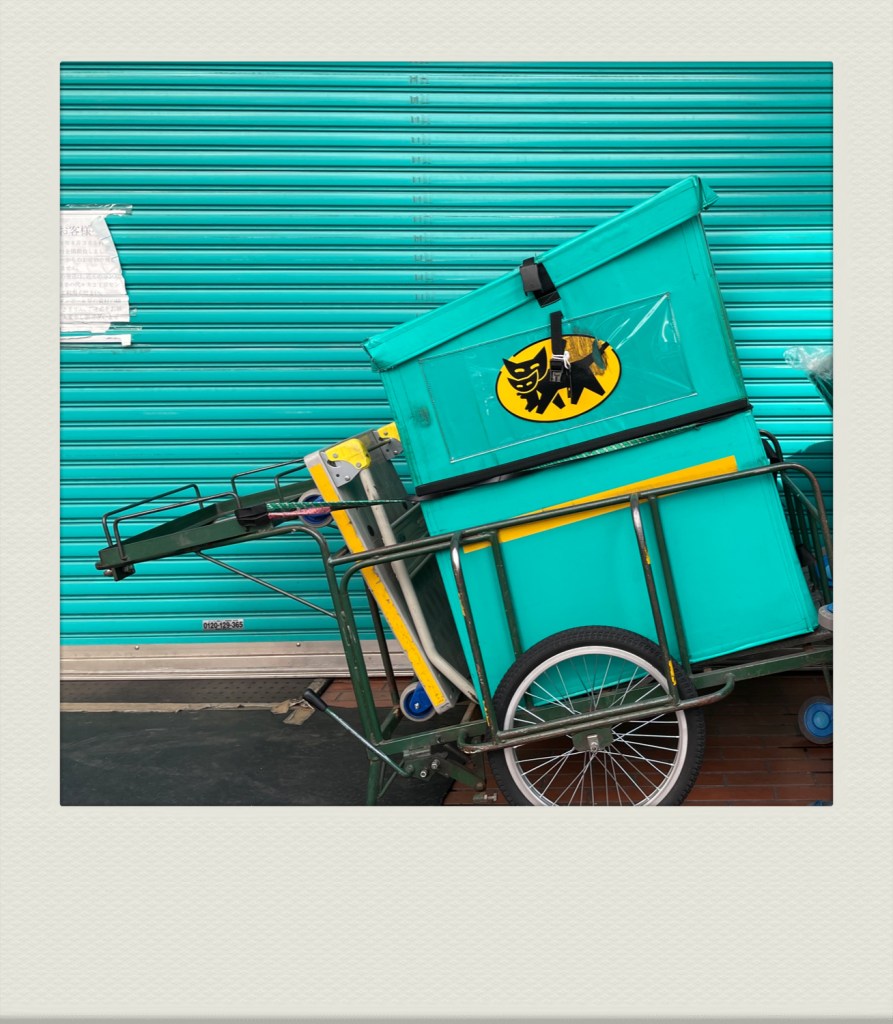
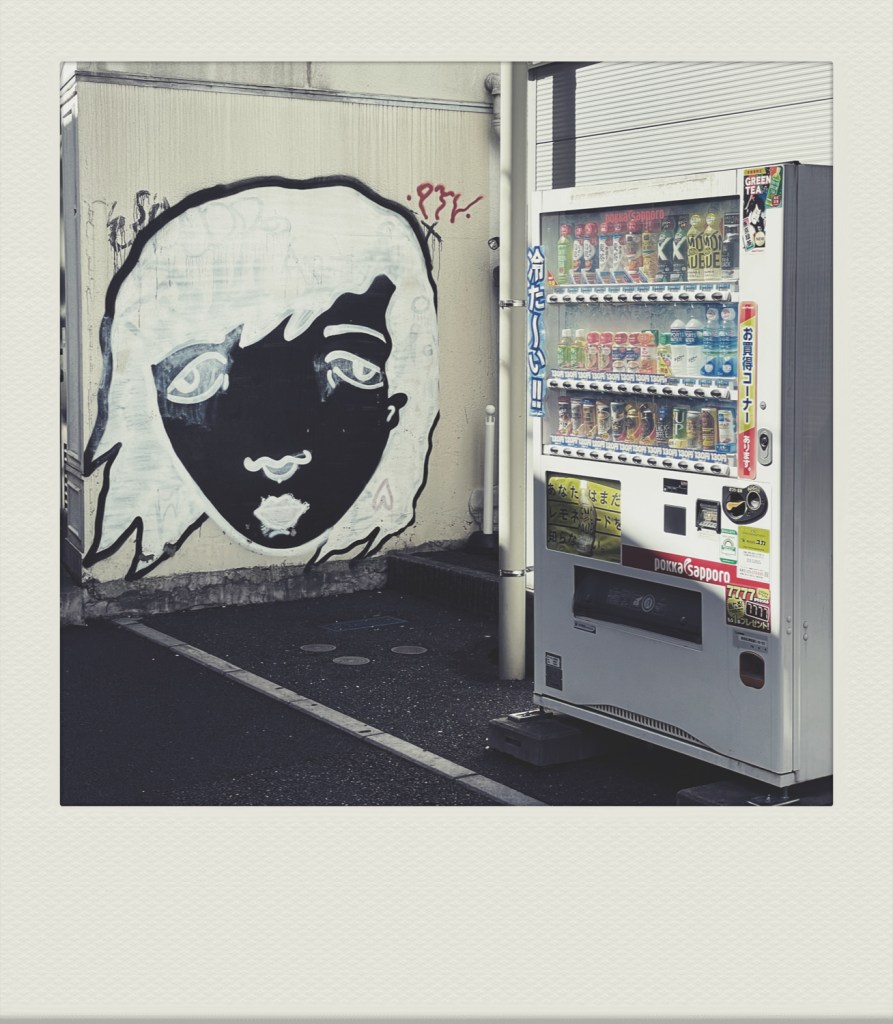
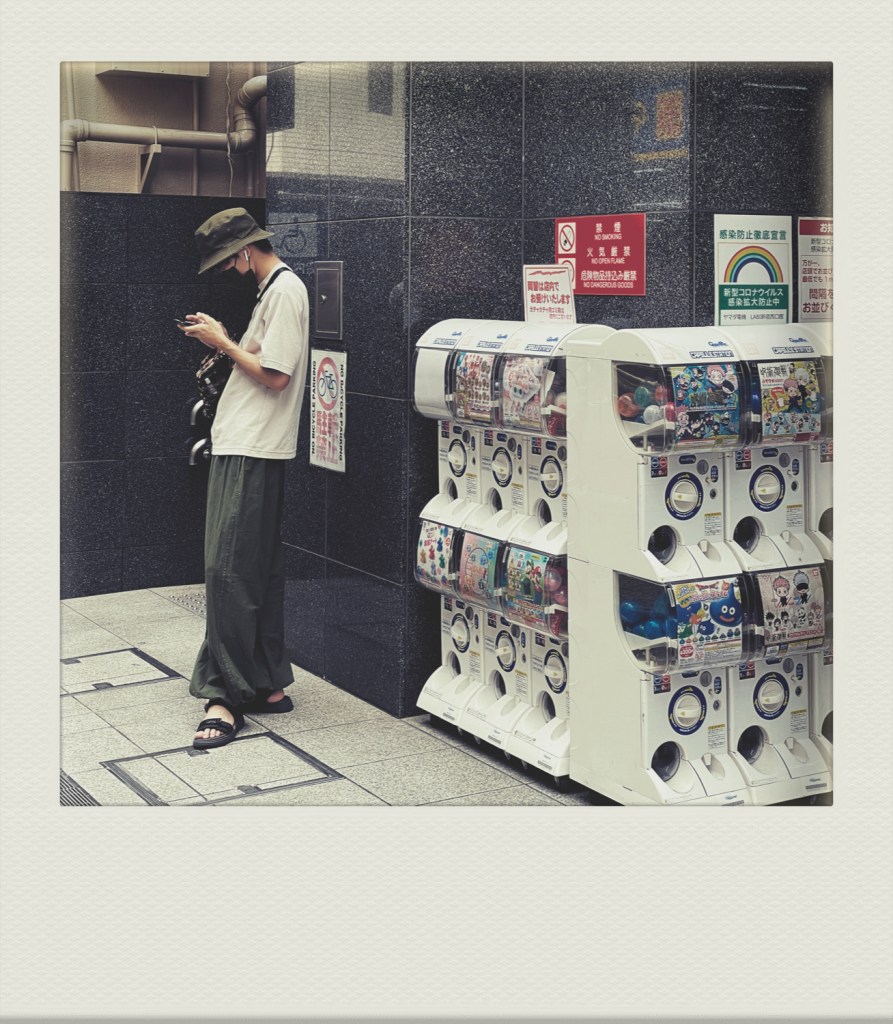
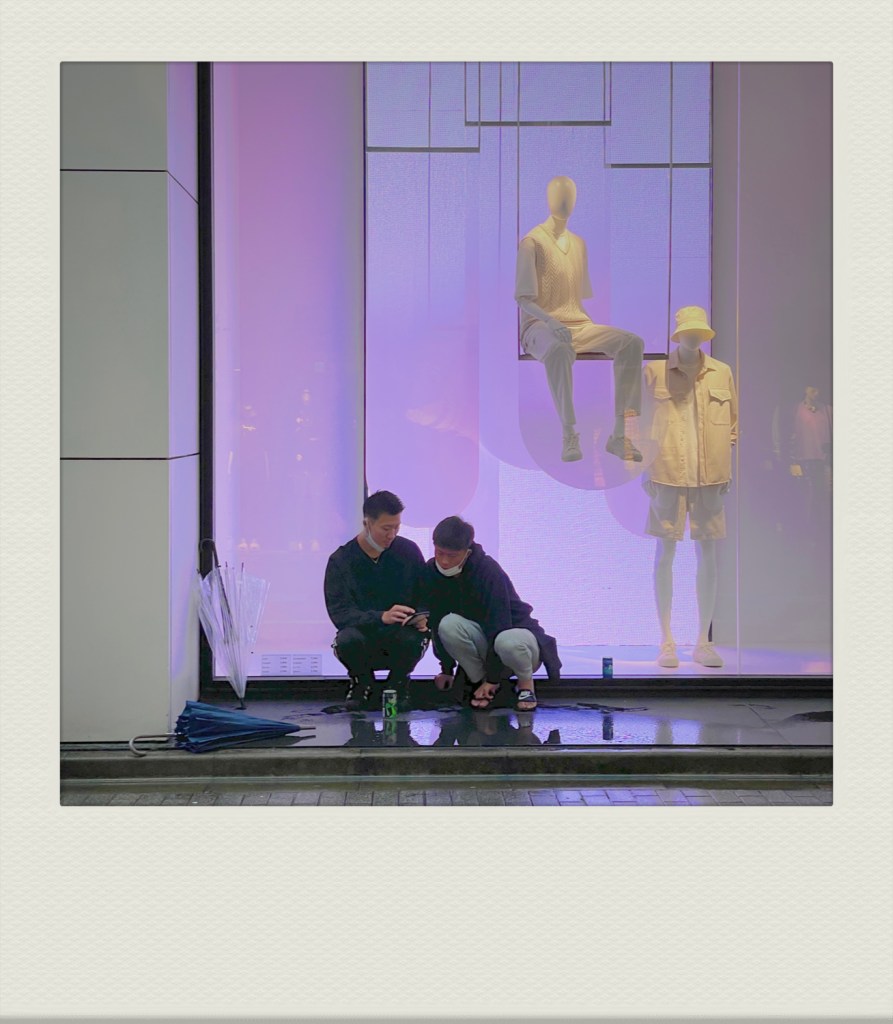
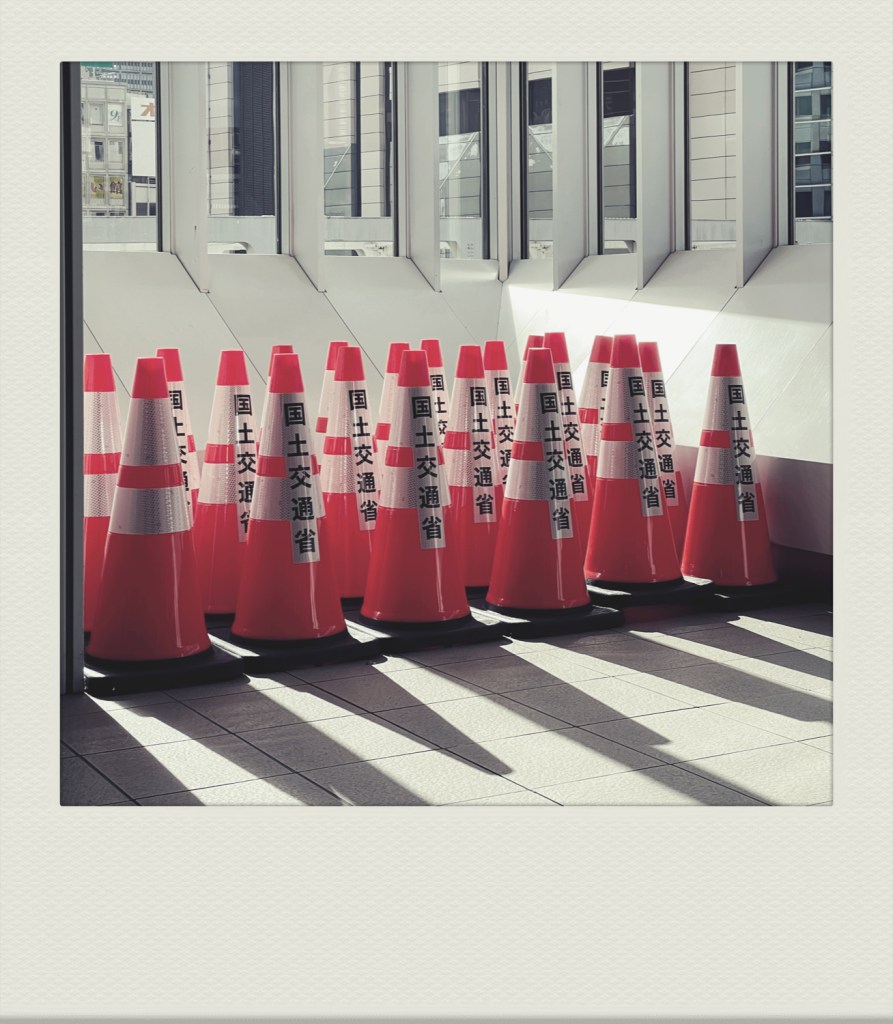
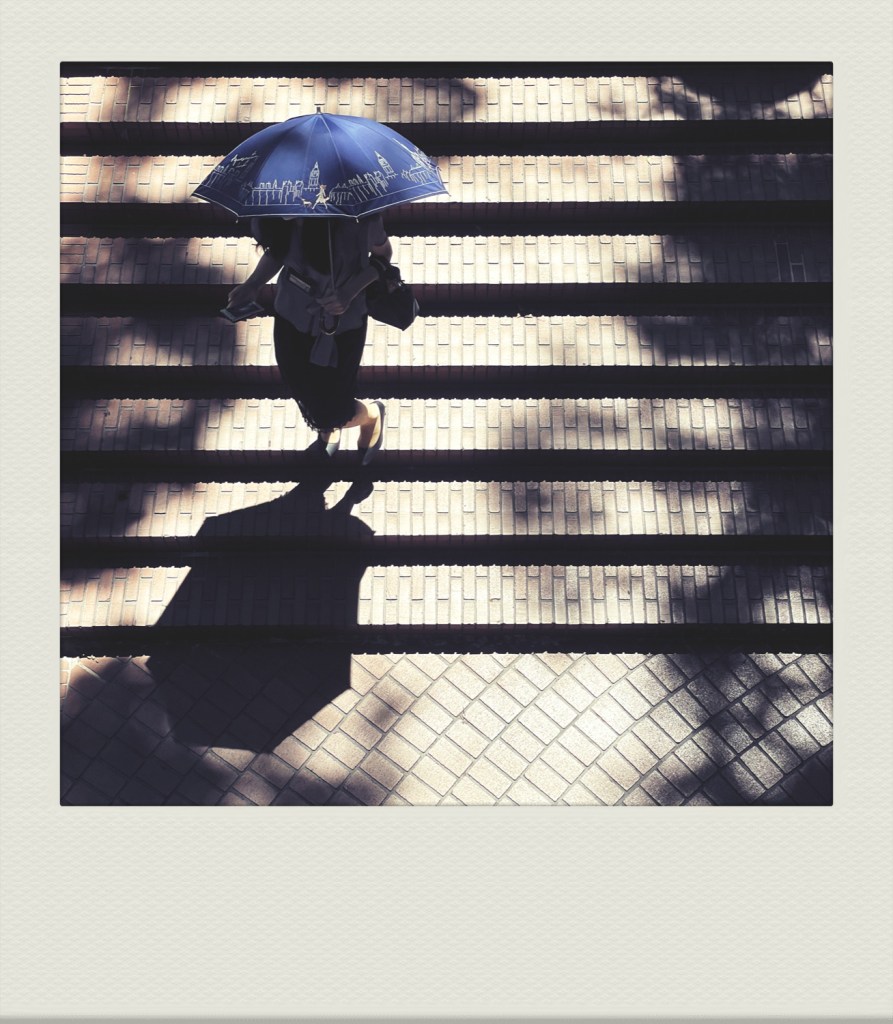

 basili mobile images