
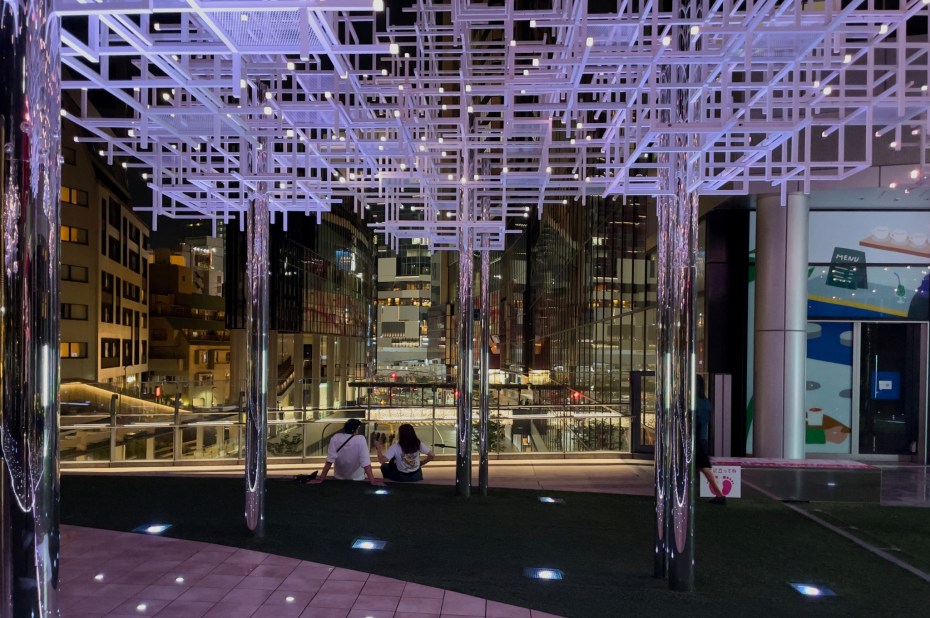
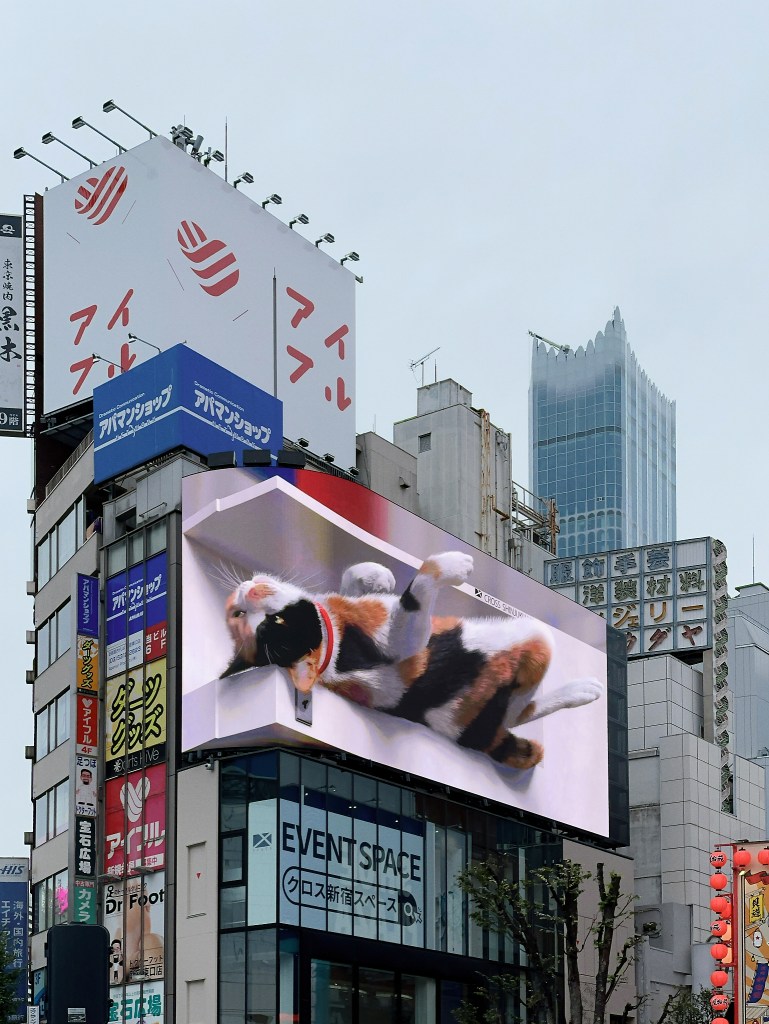
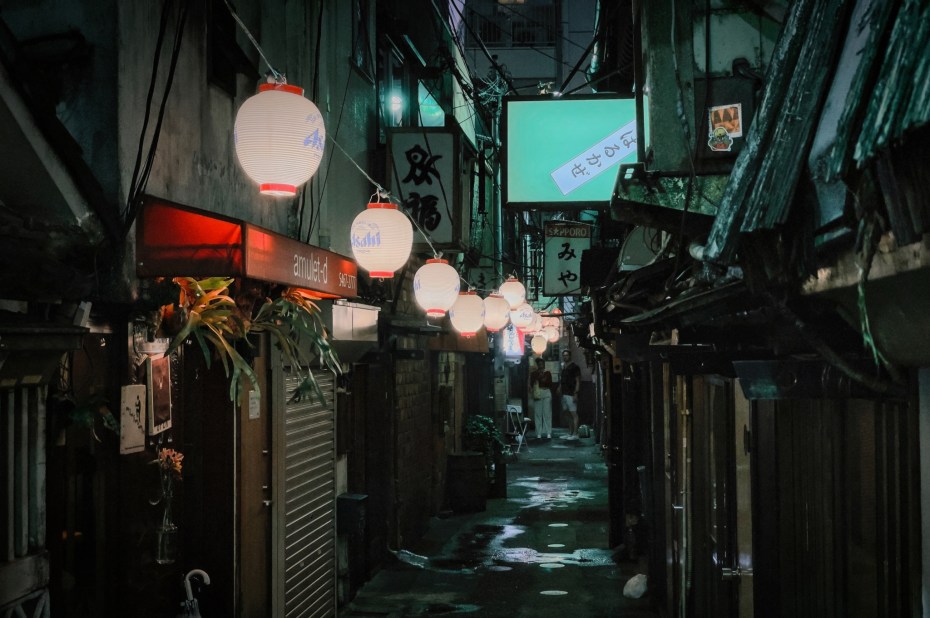
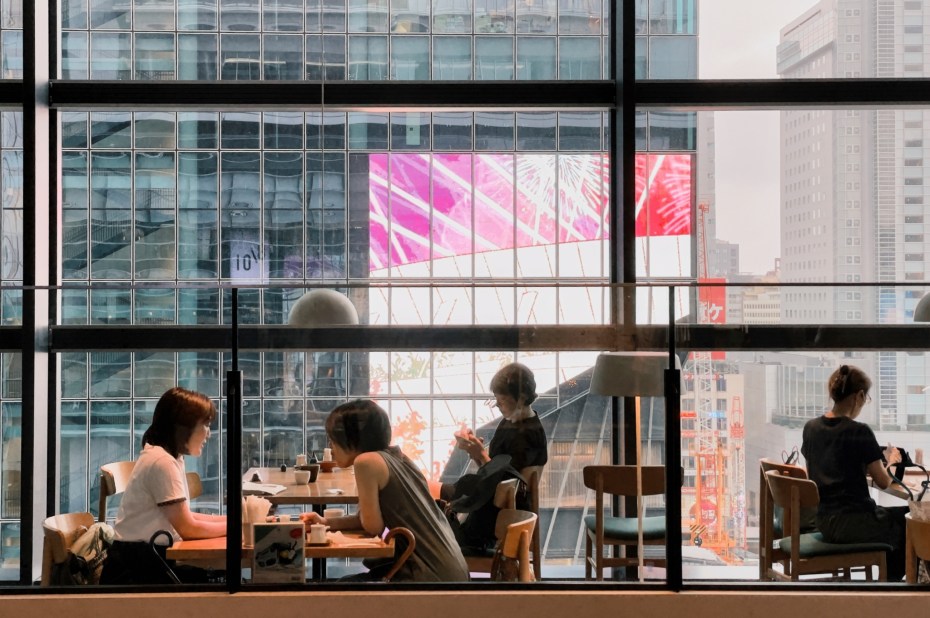
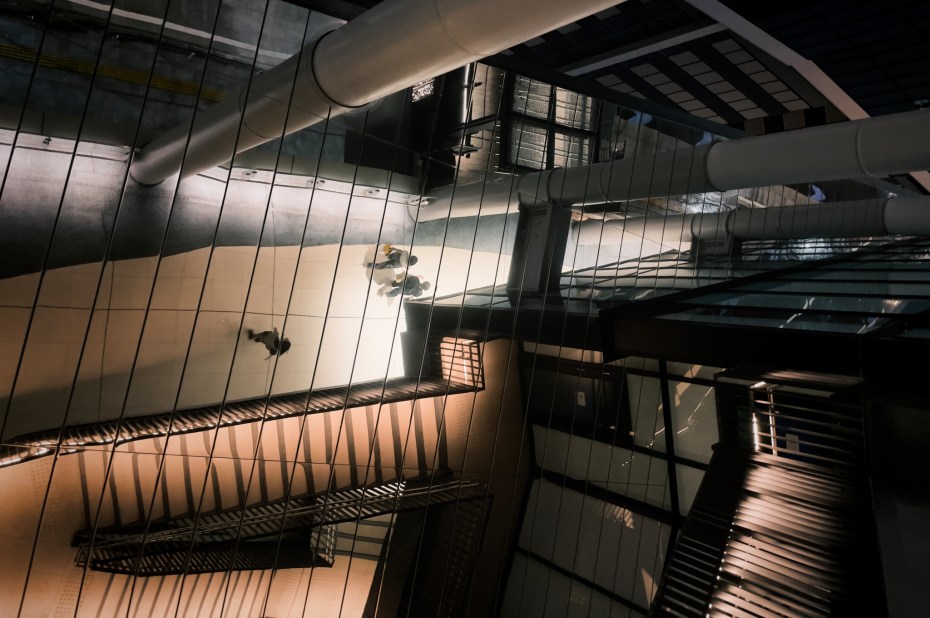
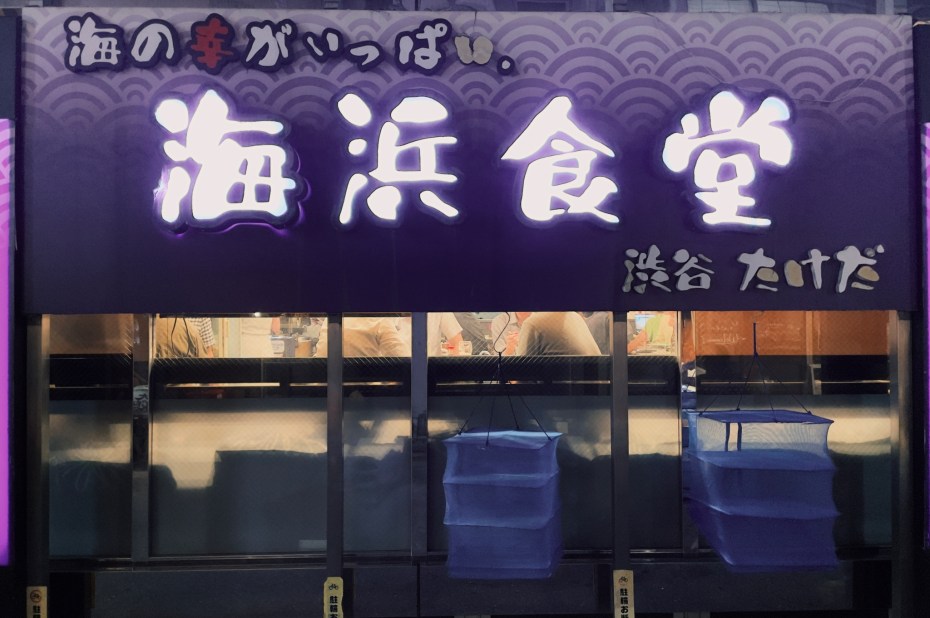
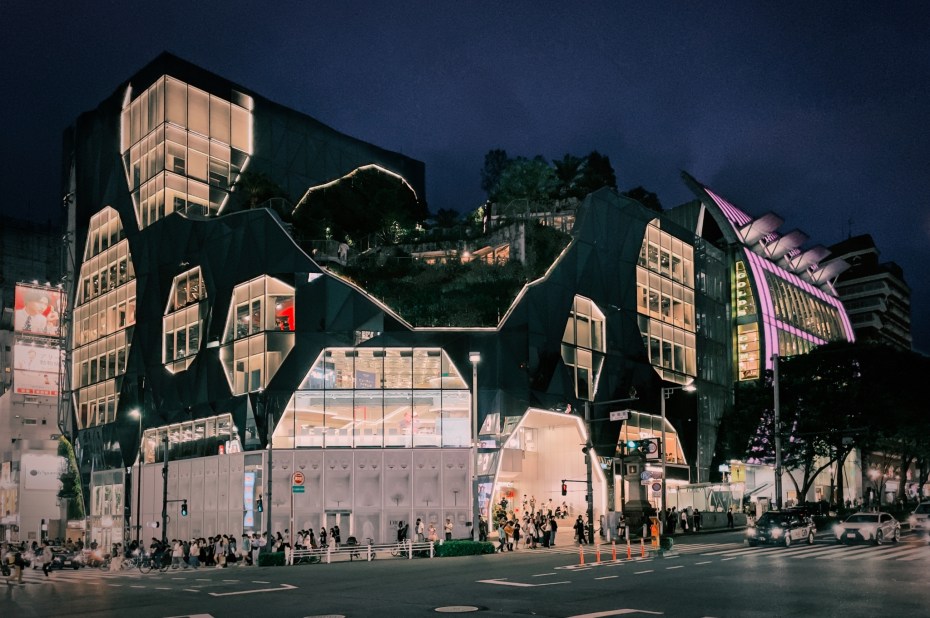
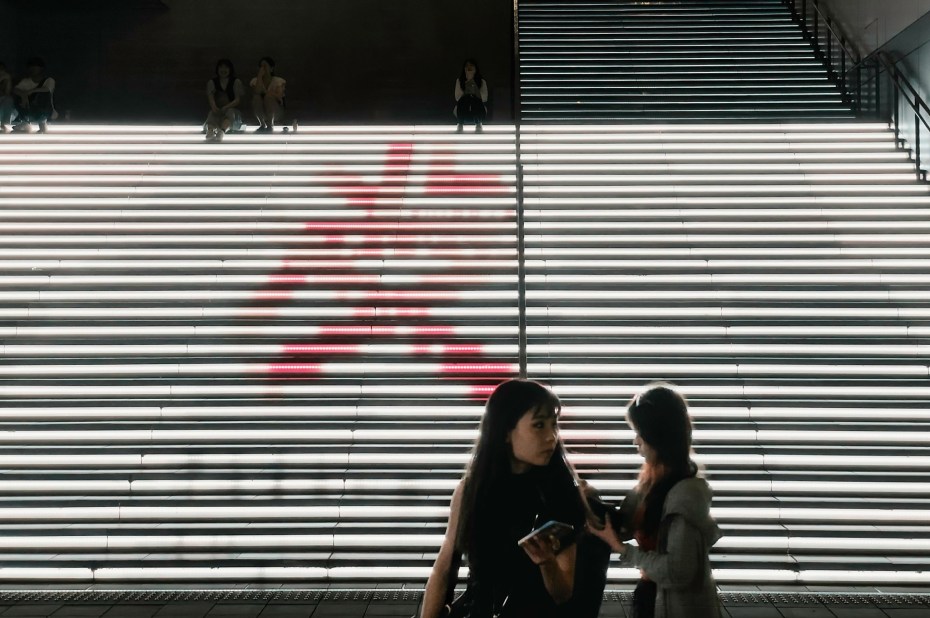
Shibuya, Tokyo is at the forefront of the city’s relentless reconstruction; an interzone where time-worn pockets of the past are increasingly superseded by modern simulacra and dwarfed by gleaming structures that dream of the future.
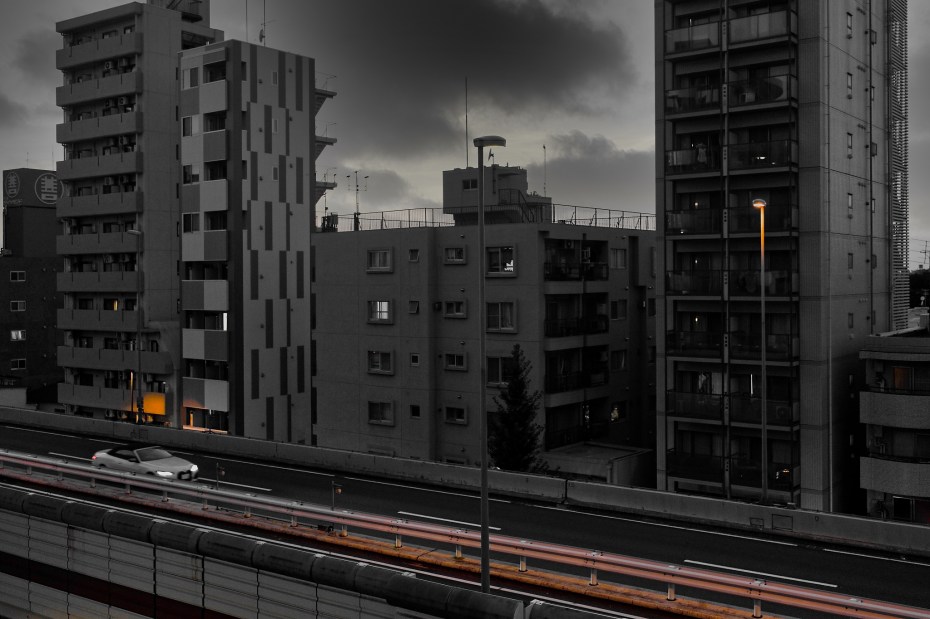
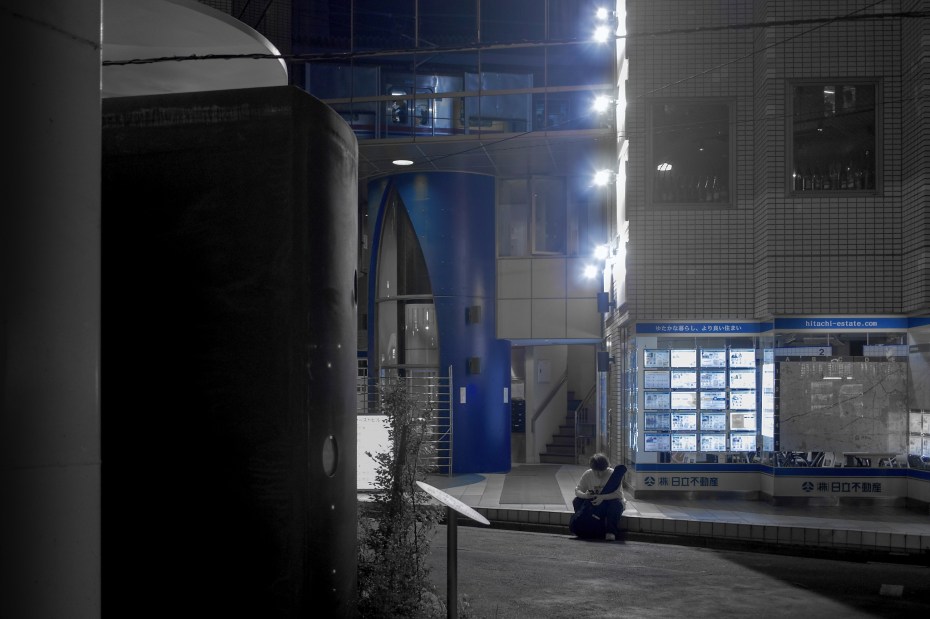


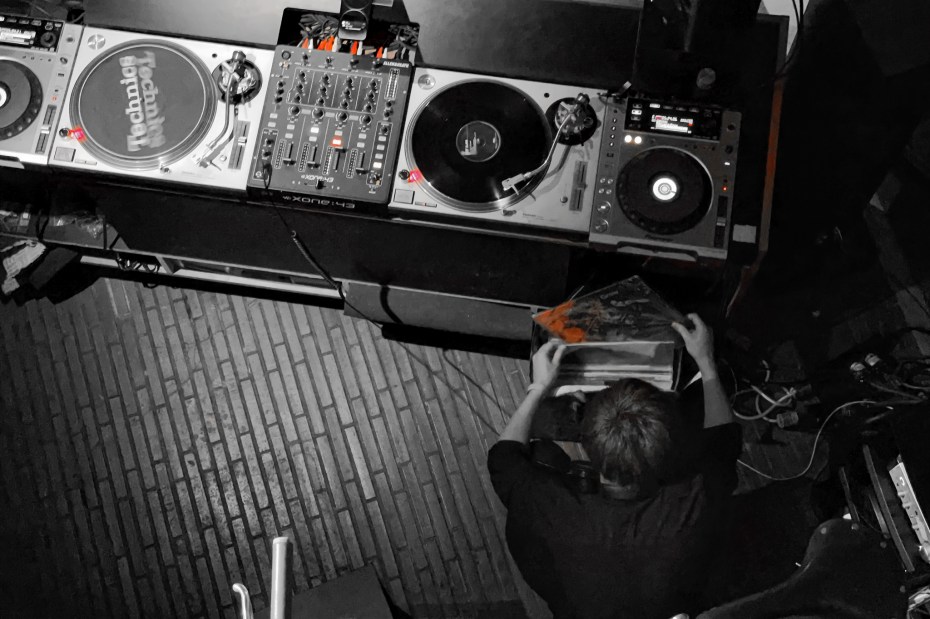
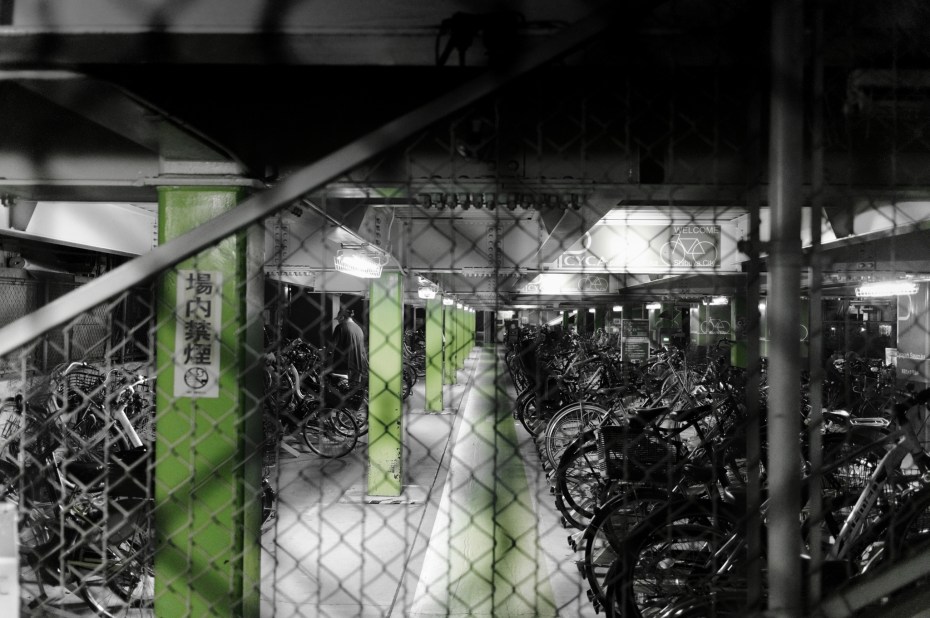
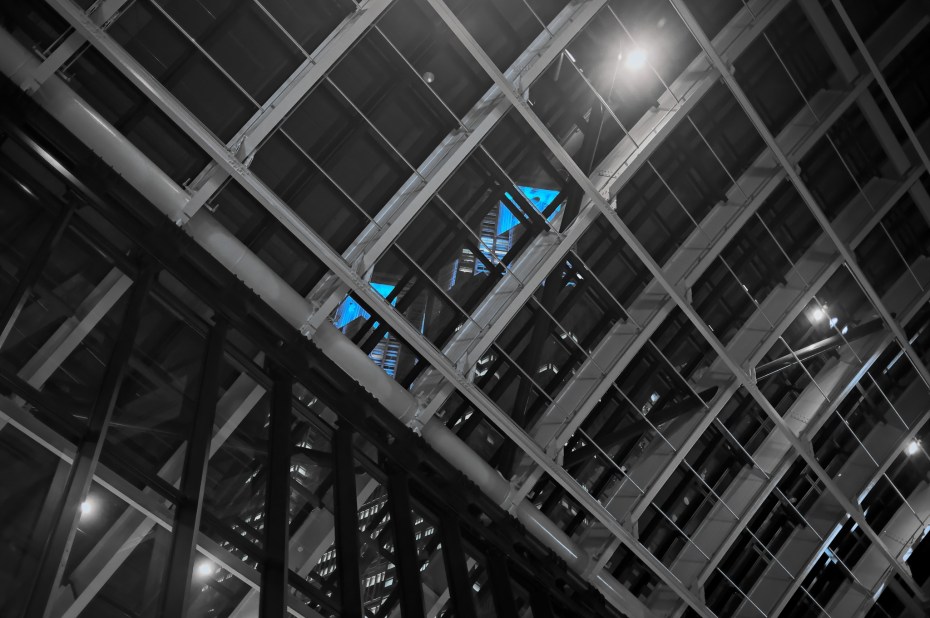
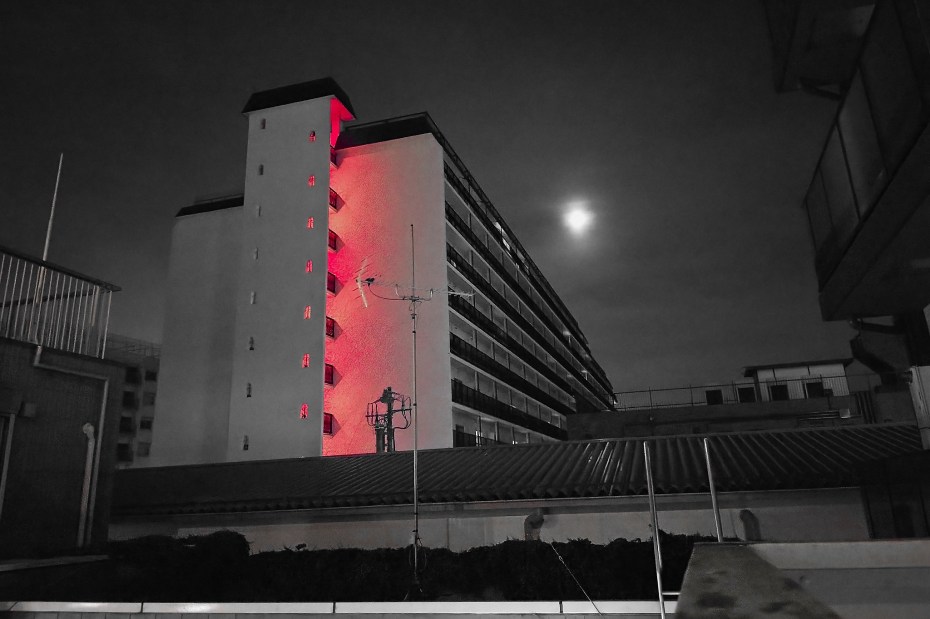
A new exhibition in Tokyo of Saul Leiter’s work has 400 or so images on display, including rarely seen and never previously publicly seen photographs. Visitors are also allowed to take photographs in the galleries — unusual, but a welcome gesture.
Saul Leiter Origins in Color starts with Leiter’s early monochrome work from the 1940s through the 1960s. What struck me here was how some of his early street shots weren’t that good, the young artist still finding his visual voice. An adjoining room displays a collection of monochrome portraits of ‘icons’: painters, musicians and photographers Leiter knew. Here, Leiter’s growing visual vocabulary is evident in his framing and use of light. The focus moves on to his fashion photography and features magazine spreads from publications like Harpers Bazaar and Elle that show many examples of Leiter’s now masterful creative visual language. Next up are painterly color photos grouped with original paintings by the artist. I’ve always thought Leiter a far better photographer than painter, but it was his painter’s sensibility that informed the quality of his photographs. Around the corner, mounted film transparencies are laid out on light tables and a recreated approximation of Leiter’s living area features a continuous slide show of some of his more well-known images. One can perhaps imagine Leiter sitting back in his New York apartment, with friends maybe, viewing his photos. Behind this gallery is the show’s theatrical highlight, echoes of the living room projections, as visitors enter a large darkened space, flanked by multiple larger than life projections of hundreds of Leiter’s images, their scale and the frequency with which they change threatening to overwhelm the viewer but nevertheless impressive, showing Leiter’s photographic genius in magnified detail. Finally, one exits through the inevitable — Leiter themed — gift shop.
Saul Leiter Origins in Color — At Shibuya Hikarie, Tokyo, until Aug 23

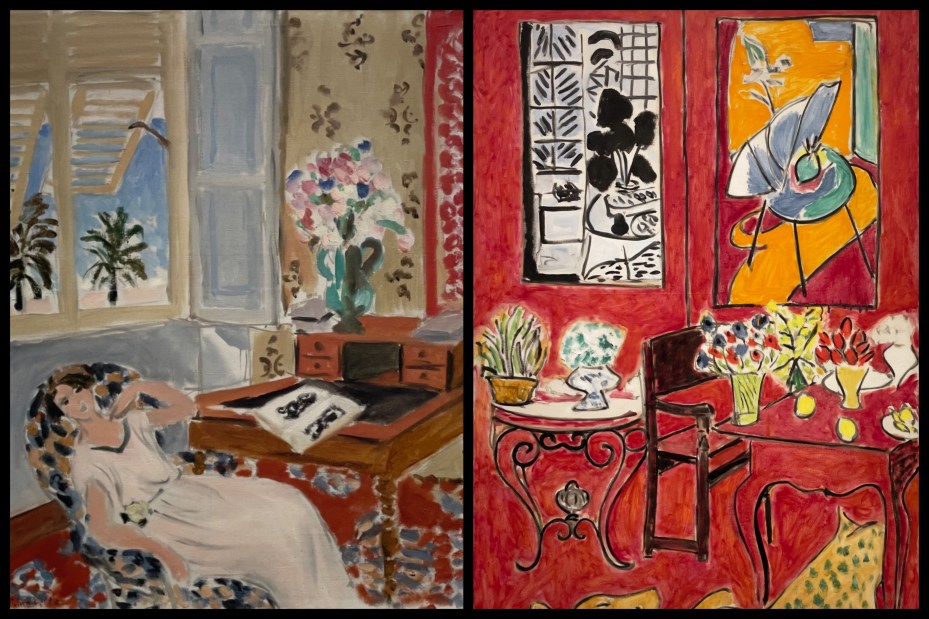
Meanwhile, across town, works from another master colorist are on display at the Tokyo Metropolitan Art Museum. Some 150 works from France’s Centre Pompidou comprise the retrospective exhibition Henri Matisse: The Path to Color. Photography is allowed in some areas.
Matisse was one of the great artists of his generation, his experimentation and innovative works helping to create and define 20th Century modernism. This exhibition is presented chronologically over three levels, from Matisse’s earliest oil paintings in the late 1800s to his iconic Jazz series of gouache paper cut-outs, abstract book cover designs, and the simple line drawings and stained glass art he created for the Chapel of the Rosary in Vence in the late 1940s. Progressing through a series of chapters of Matisse’s creative life, visitors can see his own progression from early pictorial works through the influences of Impressionism, Pointillism and Cubism on his technique and gradual abandonment of natural perspective and representation, as well as his increasingly adventurous use of color and development of Fauvism, to the pure abstraction and color blocks of his later works. Finally, here too, as part of the modern museum experience, visitors enter a comprehensively stocked and crowded gift shop before exiting to Ueno Park to digest the visual feast they were presented with.
Henri Matisse: The Path to Color — at the Tokyo Metropolitan Art Museum, Ueno, until Aug 20

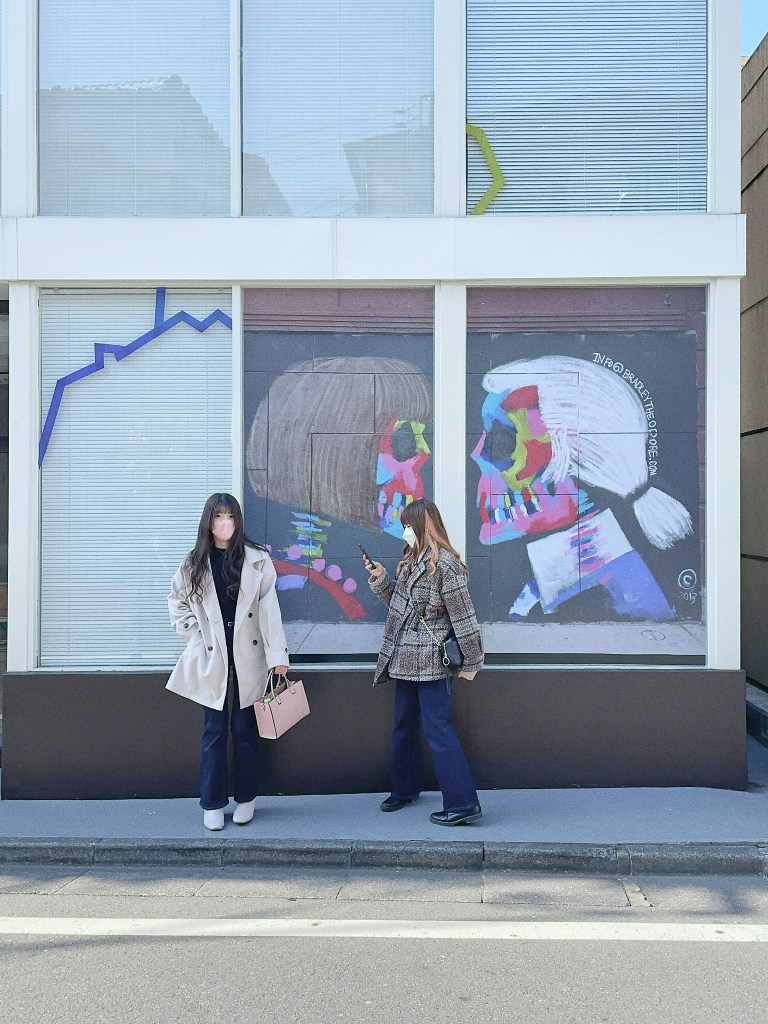



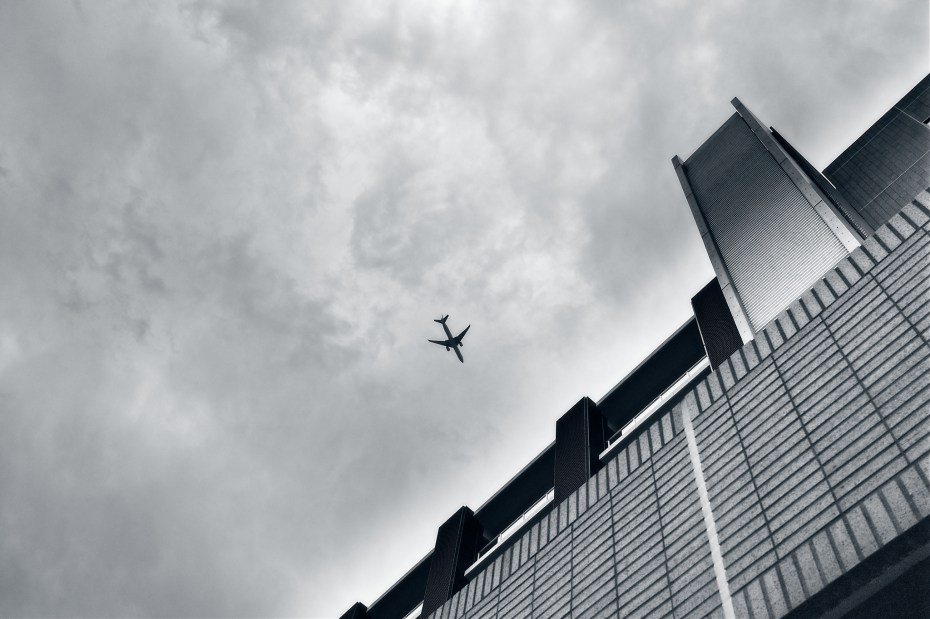

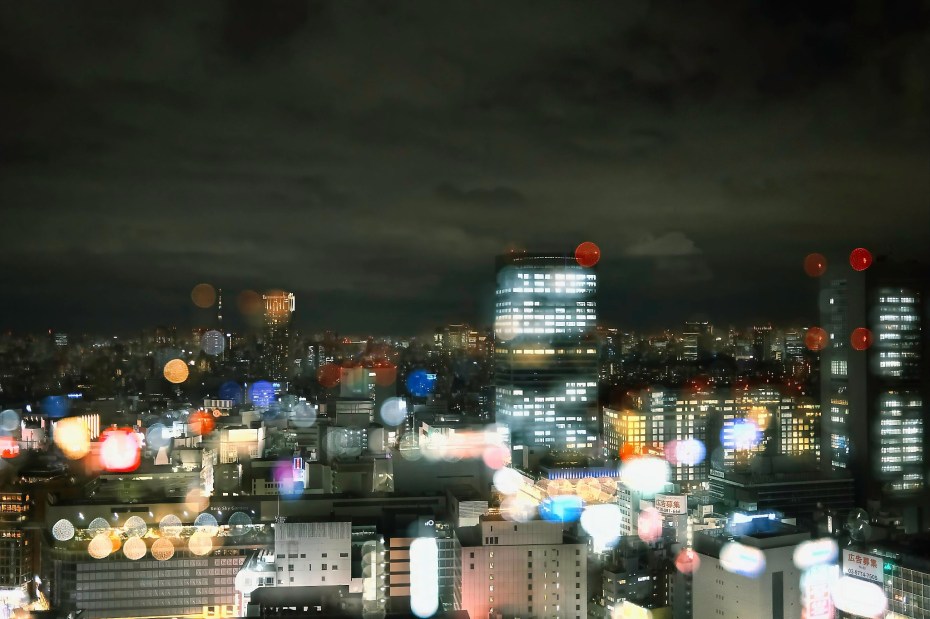
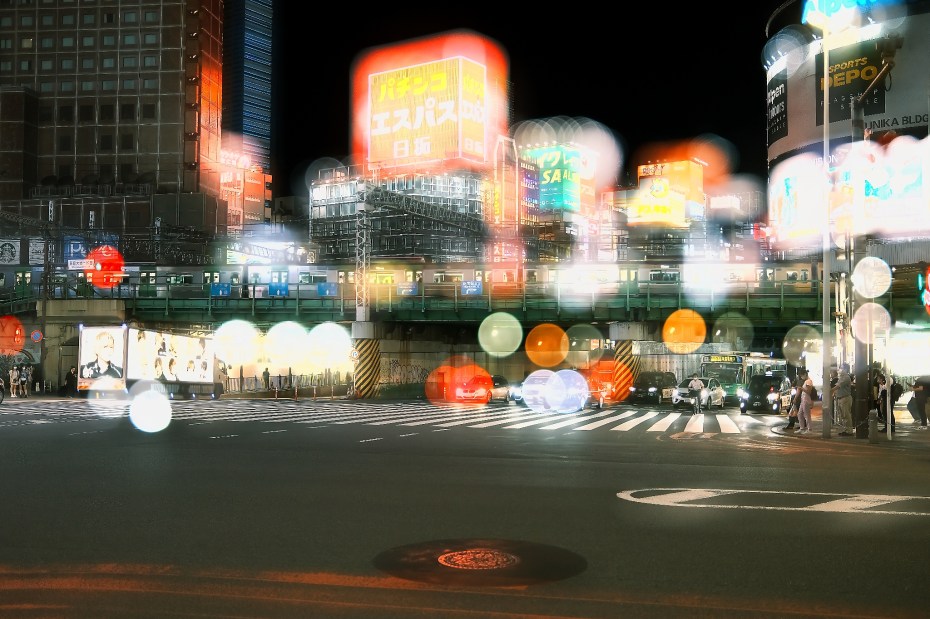
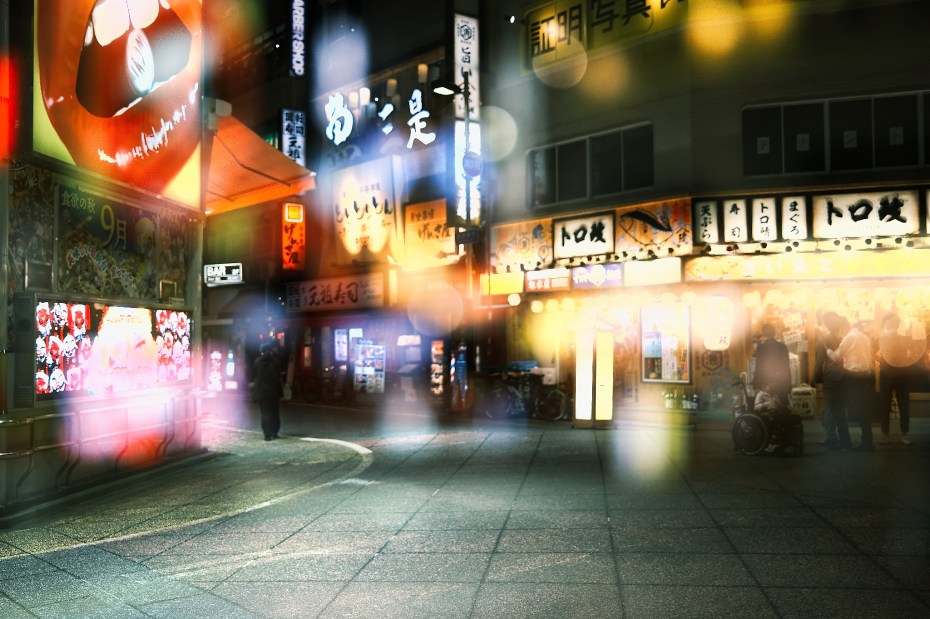
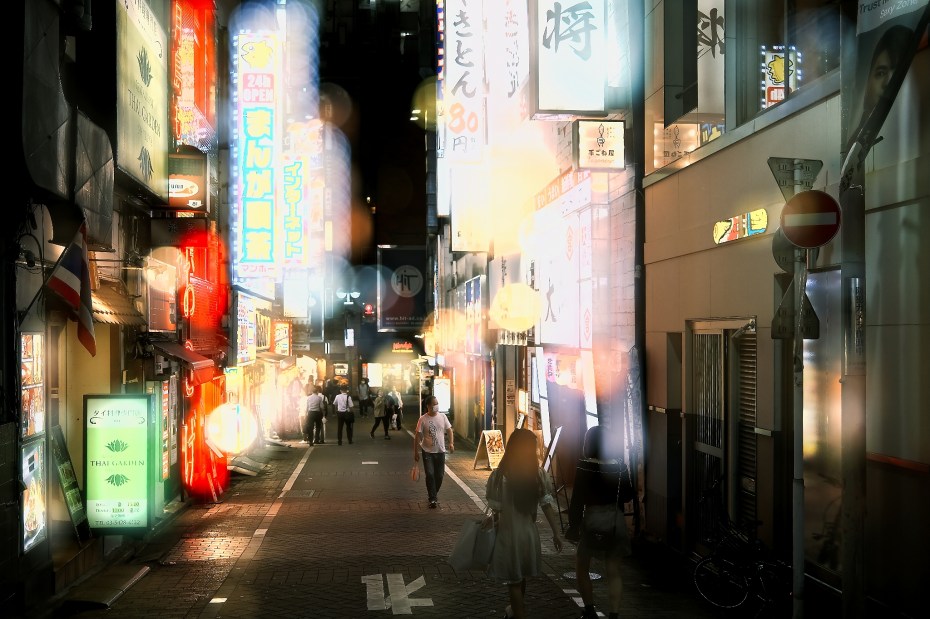

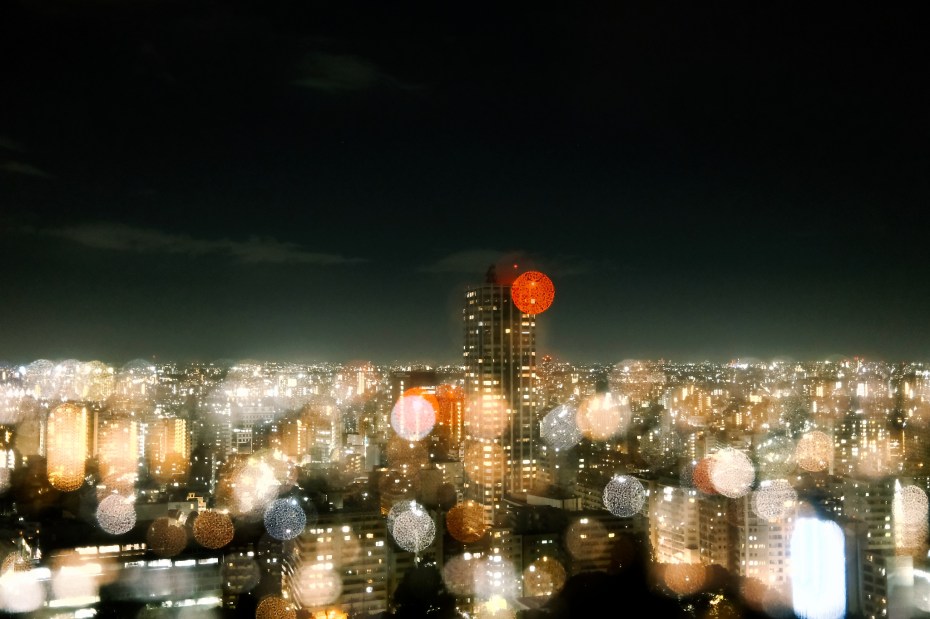

The sakura trees in Tokyo are once again enjoying their time in the sun, their delicate blossoms marking yet another year. Amid the city’s cold brutalist landscape, those pale pastel blossoms — both joyous and wistful, beautiful yet ephemeral, much like life itself — transform their surroundings like the brush strokes of a master painter bring a canvas to life; soothe us like the sweetest caresses of a loving hand; lift our spirits like the brightest of rose-colored glasses.


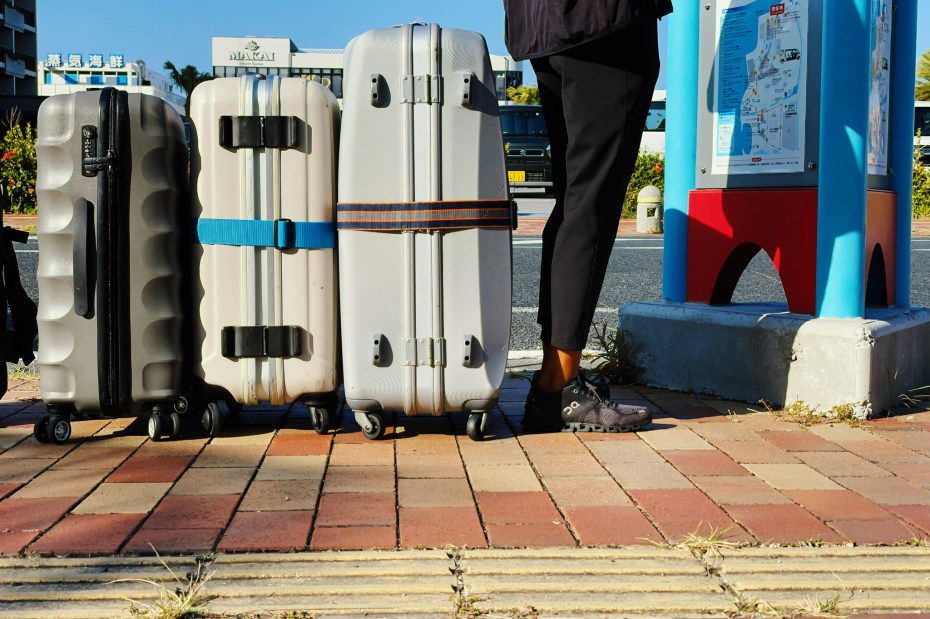
8:57am Chatan Okinawa
Waiting for the shuttle bus to Naha Airport.
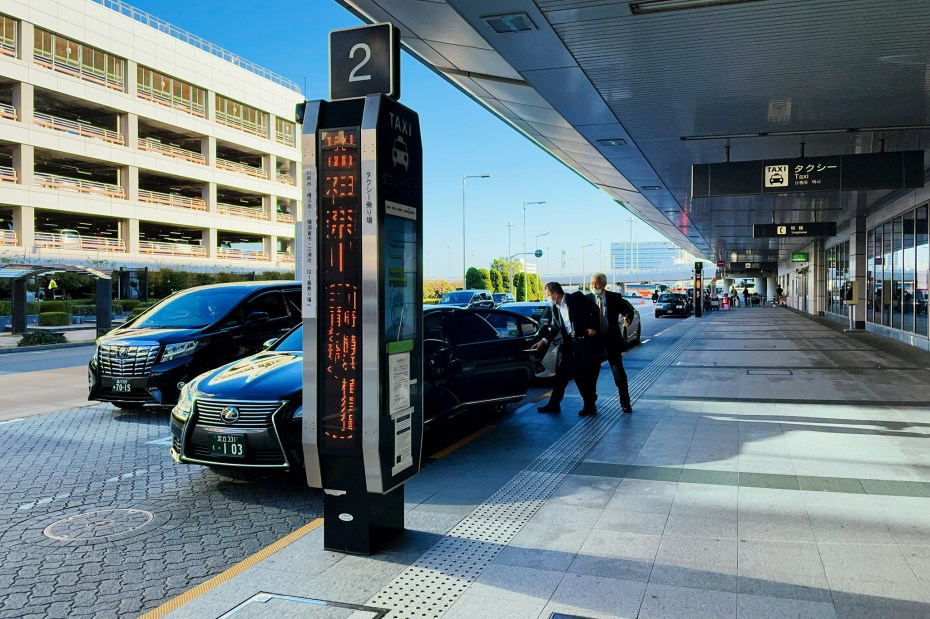
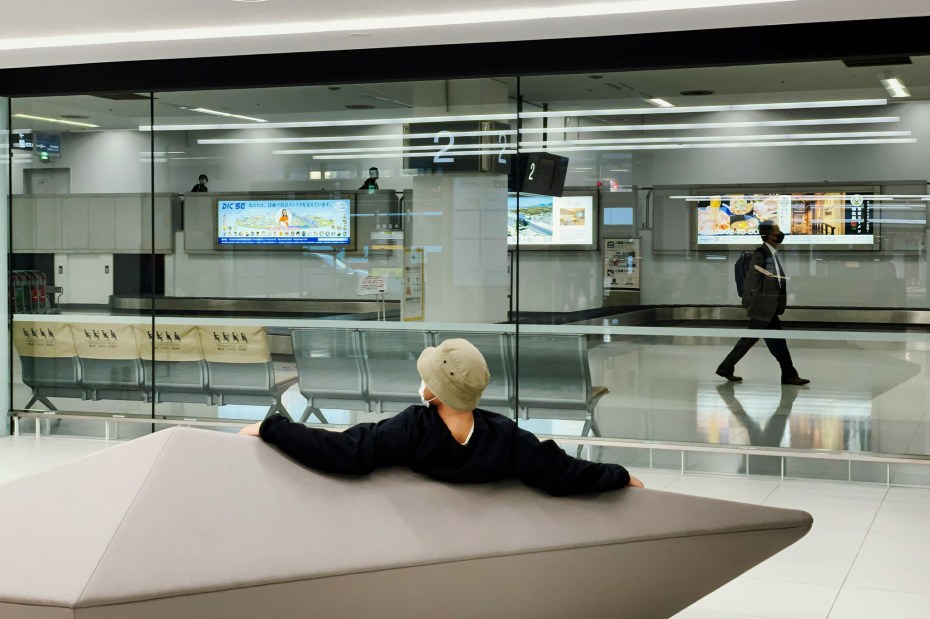
2:44pm Haneda Airport Tokyo
Arrived in Tokyo and caught another shuttle bus to Narita Airport.
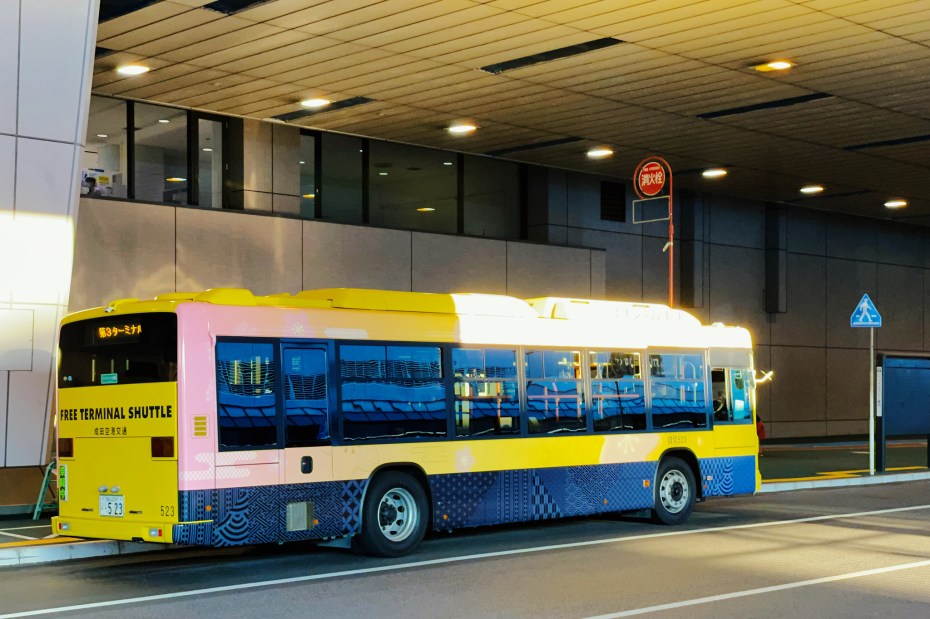
4:04pm Narita Airport Chiba
Waiting for yet another shuttle to take us to our airport hotel.
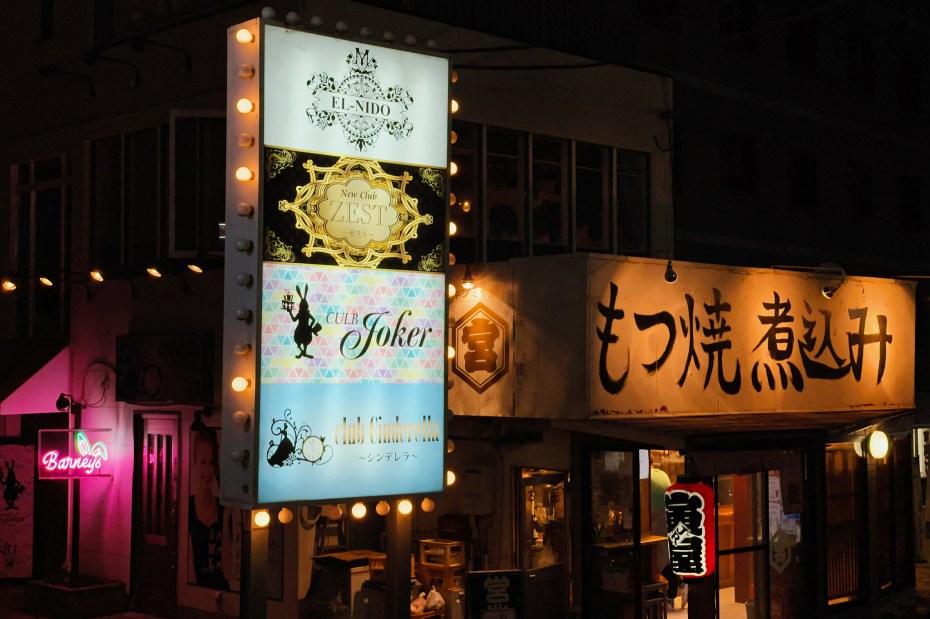
5:46pm Narita City Chiba
After checking in at the hotel, headed to Narita station for some dinner.
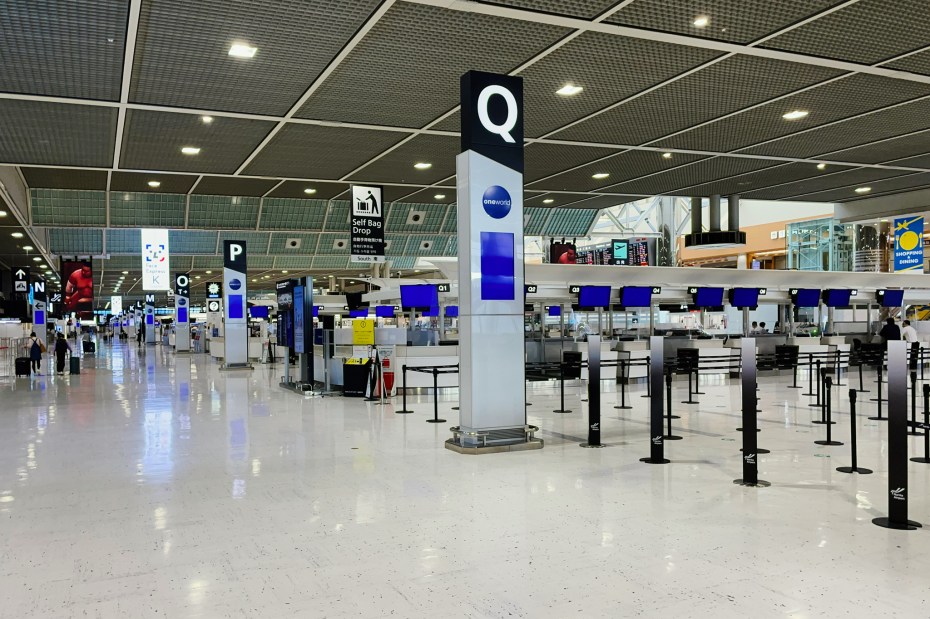
8:45am Narita Airport Chiba
Back at an all but deserted terminal to check-in for our international flight.
11:22am Narita Airport Chiba
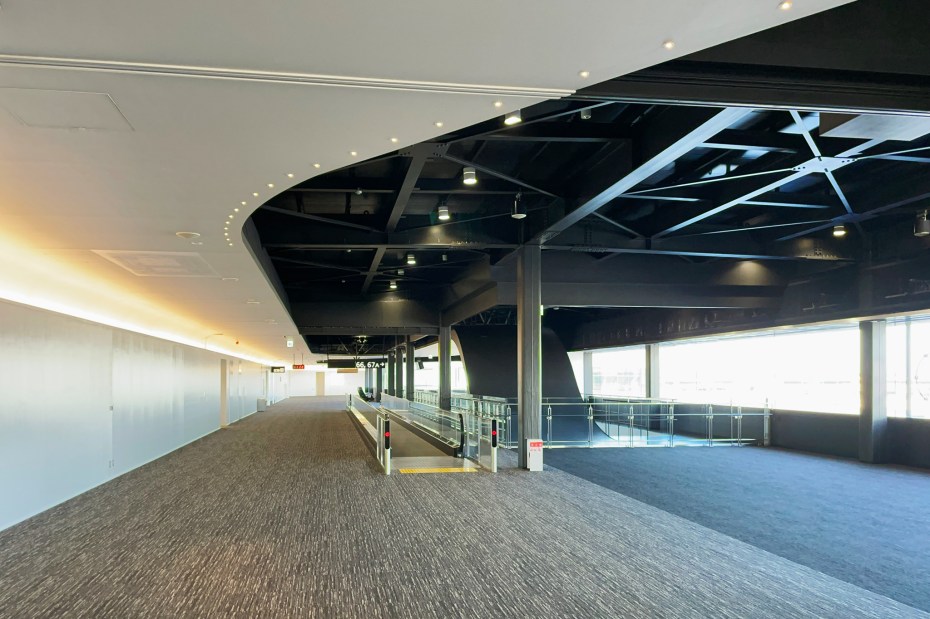
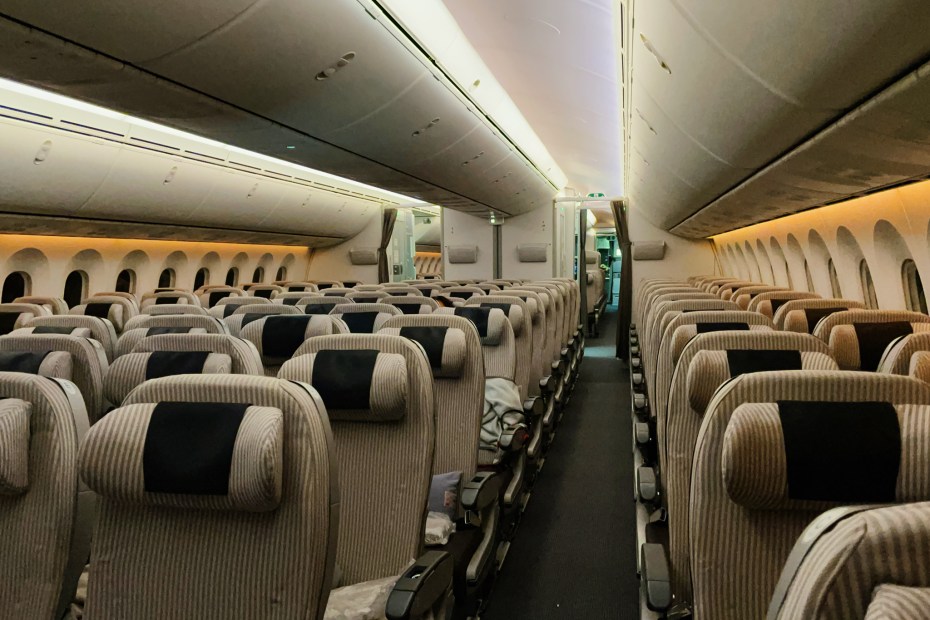
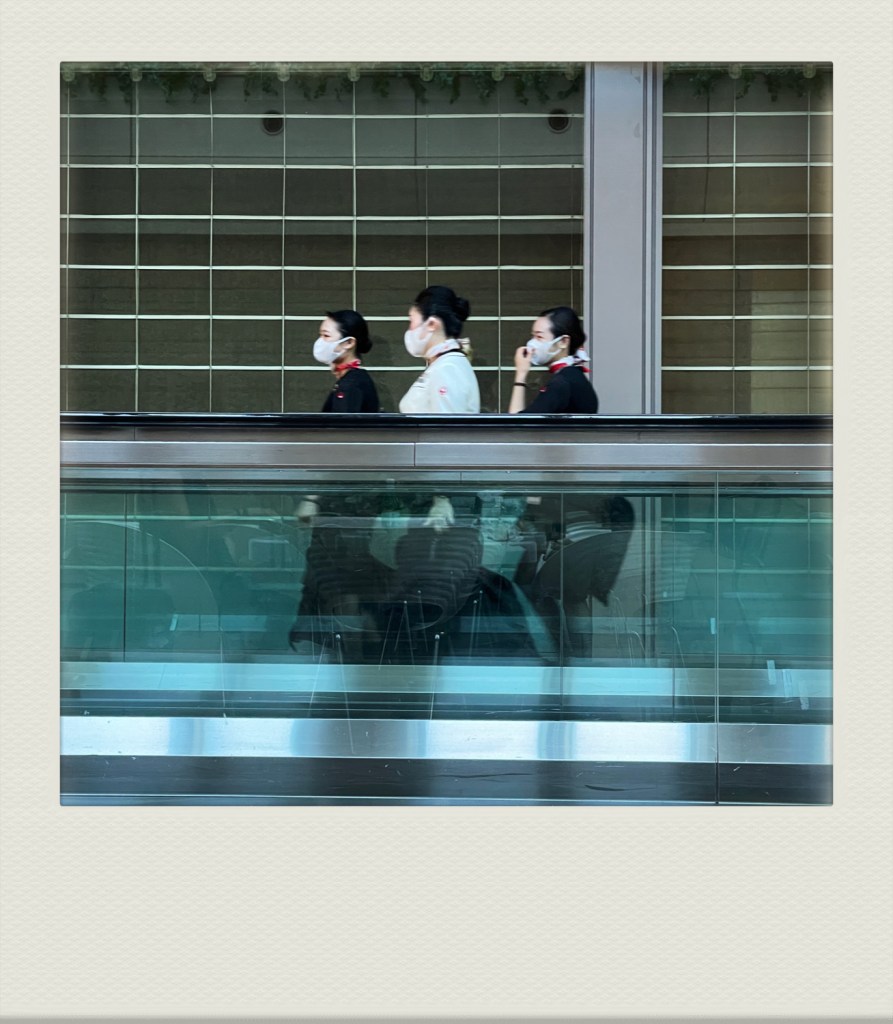
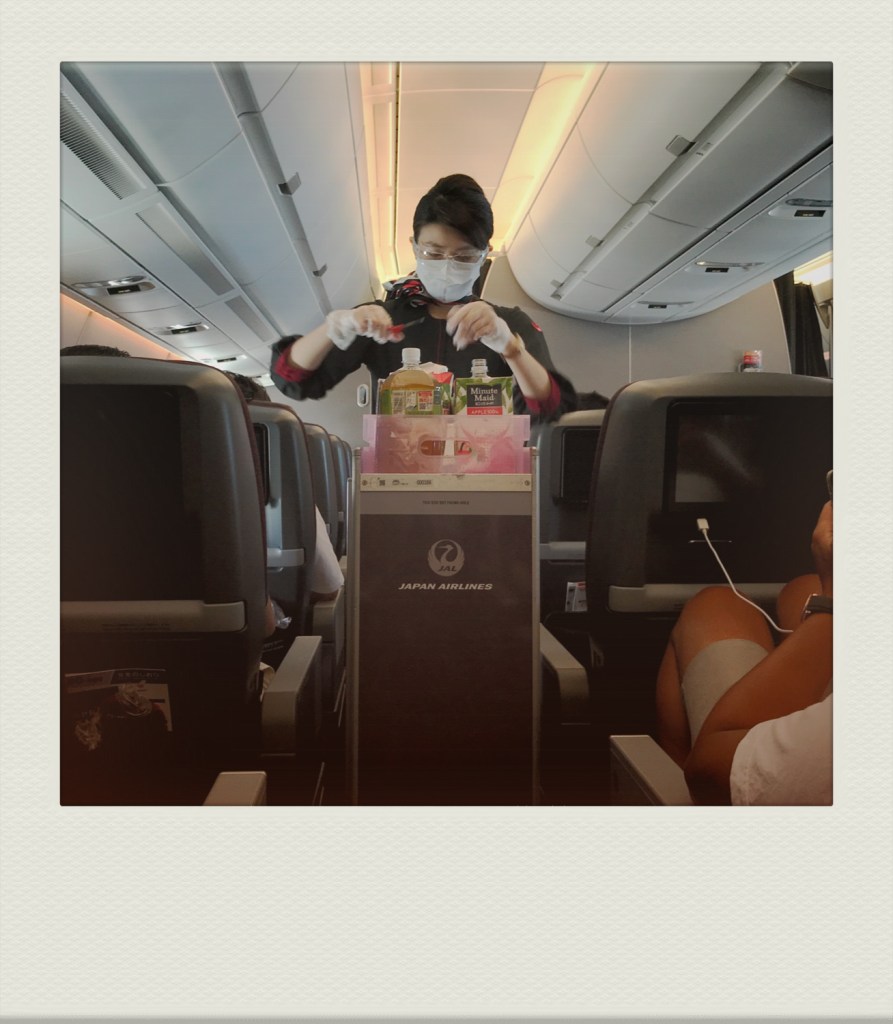
A handful of passengers get ready to board the plane. In all there are seven passengers and seven flight crew.
The bureaucracy and preparation for a trip during these times of reinforced international borders is far from a pleasant experience. Travel in times like this is best avoided. Sometimes, it can’t be. And here we are.
There was a time when I loved airports; they promised excitement. I doubt they were ever exciting in themselves but for a young traveler they were portals to lands unknown and served up morsels of exotica.
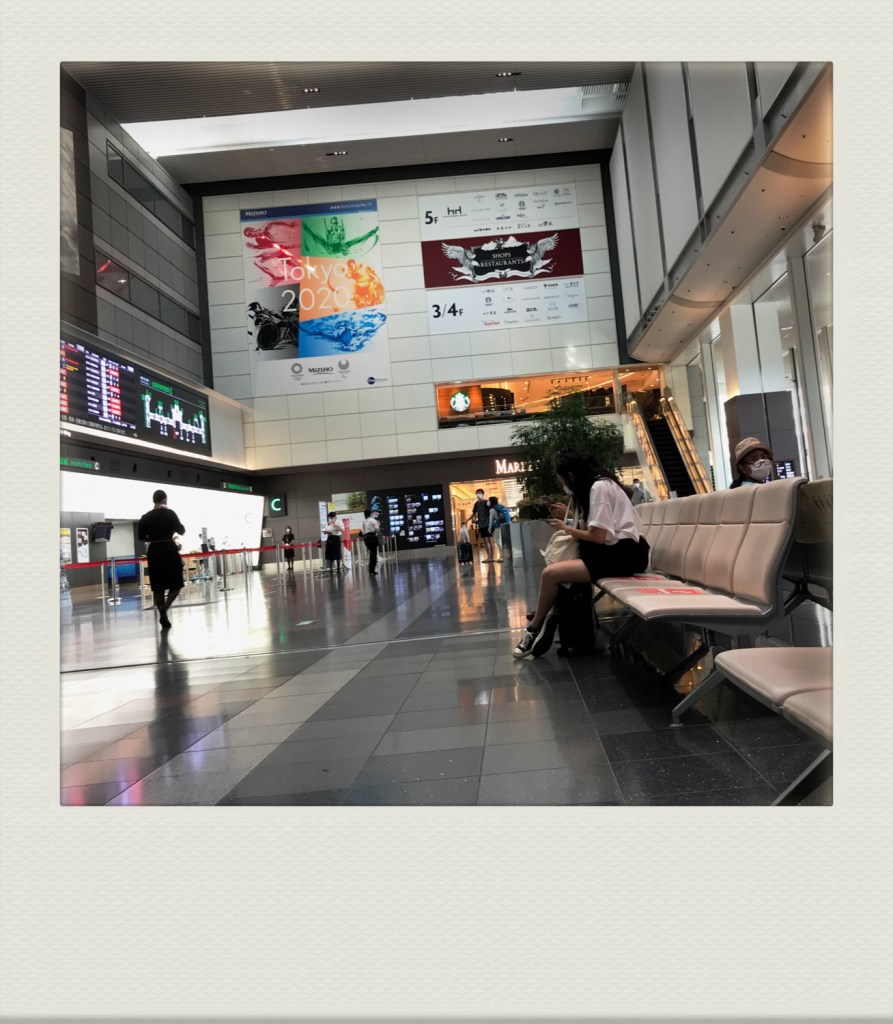
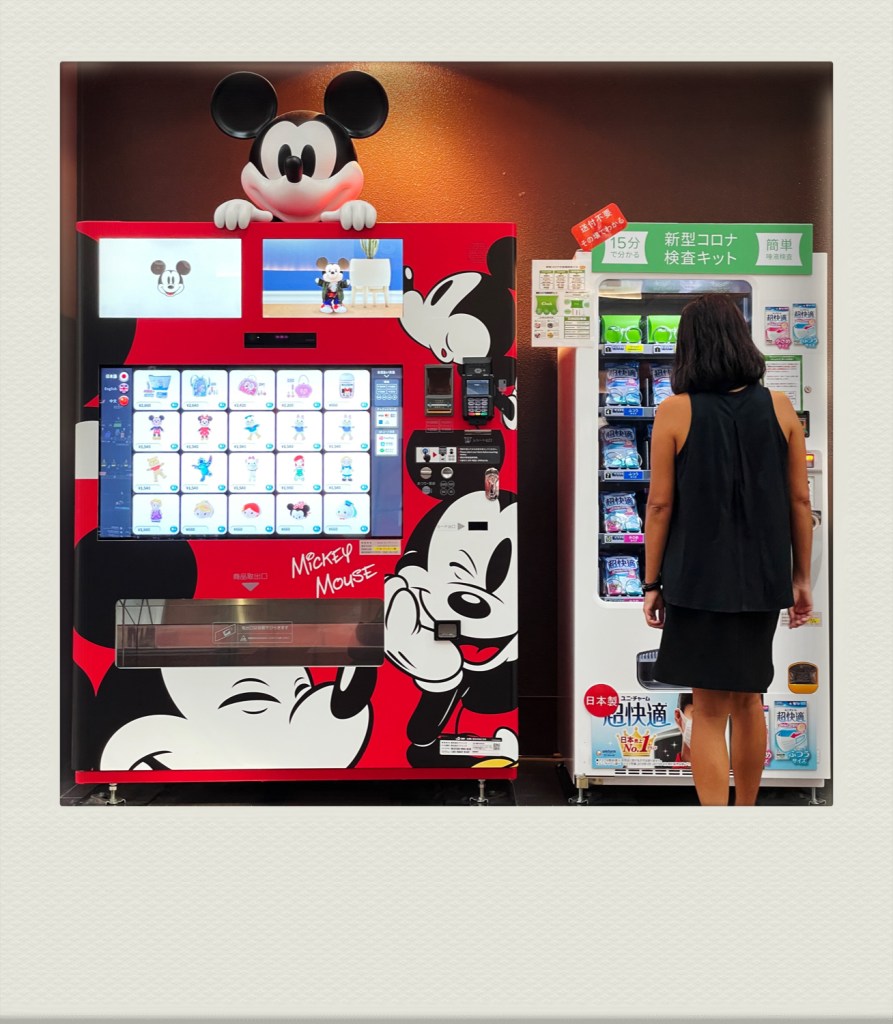
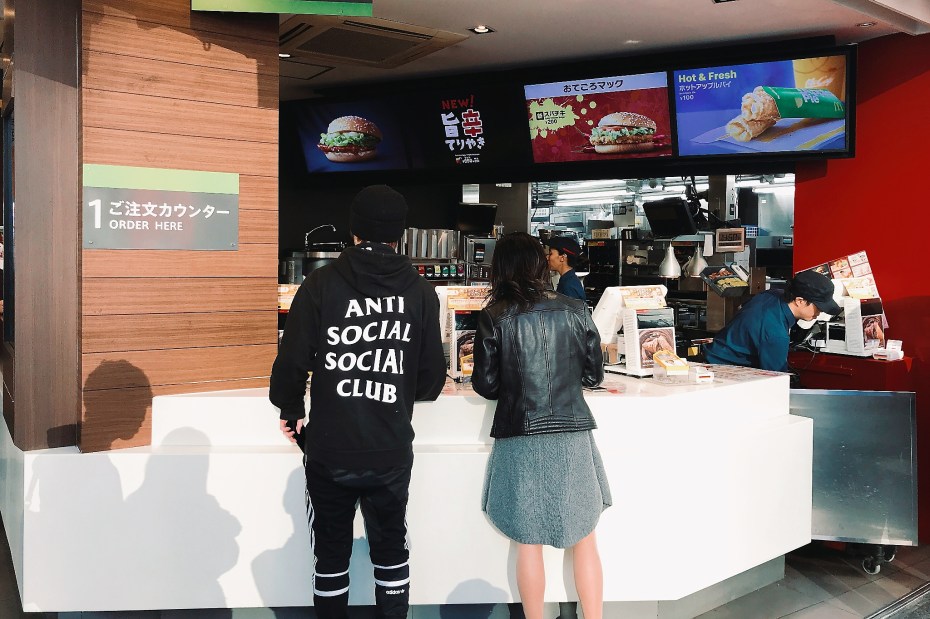
Things have changed: McDonalds and Starbucks, self check-in and baggage procedures, heightened security screenings and health monitoring. Terminals nowadays are about as exotic as bus stations. Navigating them — for those that can — is a necessary chore. Few that I’ve visited have left an impression. Tokyo International Airport is one.
Haneda Airport, as it’s more commonly called, is a far more pleasant place than Narita, the city’s main gateway. For one thing it’s in the city, sitting on reclaimed land in Tokyo Bay, with convenient train, bus and monorail access. Even taxis to certain parts of the city are affordable — compared with a Narita–Shinjuku fare of around USD240.
Opened in 1931, Haneda served as Tokyo’s airport until 1978, when the newly constructed Narita became the city’s main international gateway, relegating Haneda to domestic duties. However, in 2010 a third terminal opened at Haneda, dedicated to international flights; since then both airports share the load.
Aside from its proximity to town, I like Haneda for its six-level shopping mall with restaurants that are a cut above the usual airport eateries. Then there are the three rooftop observation decks, that of Terminal 2 offering particularly good views of the runway action and the city’s skyline beyond. The stylish Japanese food court and Isetan cafe that service the departure gate lounge at Terminal 1 are a treat, and the spotless Tokyo Monorail and Keikyu line basement train stations couldn’t be more conveniently located. All of this is complemented by the polite, efficient service the Japanese are renowned for. It’s unlikely to win any architectural prizes, but Haneda is about as good as a modern airport gets.



 basili mobile images