

Changing a country is not like flicking a switch … But have no doubt that the work of change begins immediately.
— Keir Starmer, 5 July 2024

The romance of travel: idyllic beaches, spectacular mountains, vibrant cities, ancient ruins, majestic architecture, humbling museums, sublime art, exotic cuisines, fleeting friendships. So much to see and do.
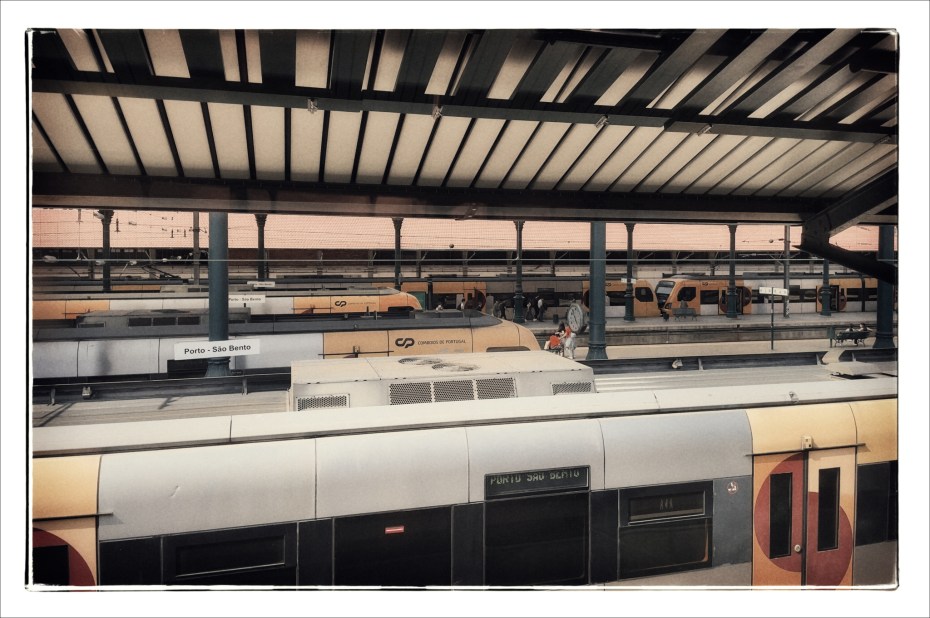
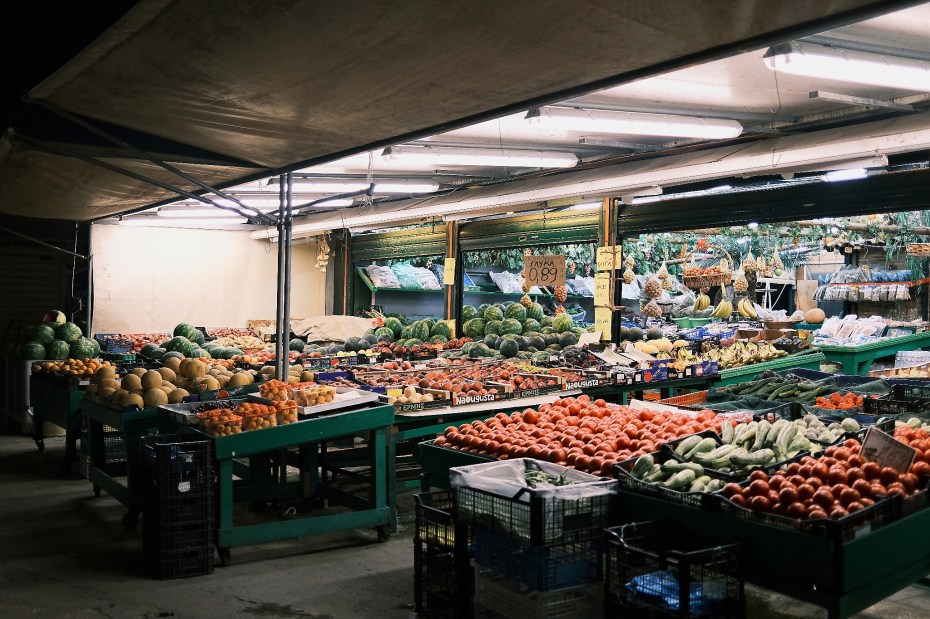
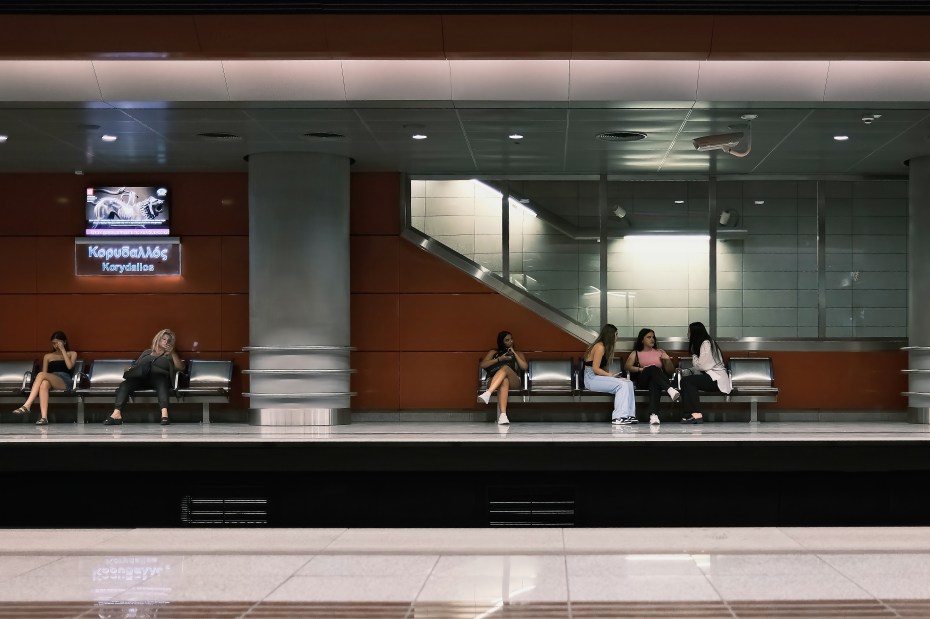
Among all this, there are the prosaic aspects of travel that seemingly take up just as much time: airports, train stations and bus depots, accommodations and supermarkets, laundromats and pharmacies, phone shops and ticket offices, coffee and snack stops. These typically mundane aspects often provide moments as memorable as the highlights.

In Greece one has the desire to bathe in the sky. You want to rid yourself of your clothes, take a running leap and vault into the blue. You want to float in the air like an angel or lie in the grass rigid and enjoy the cataleptic trance. Stone and sky, they marry here. It is the perpetual dawn of man’s awakening.
Once upon a time the Greek islands inspired the poetic musings of writers — like Henry Miller above, whose works inspired others to make their home and work for a time on Greek islands.
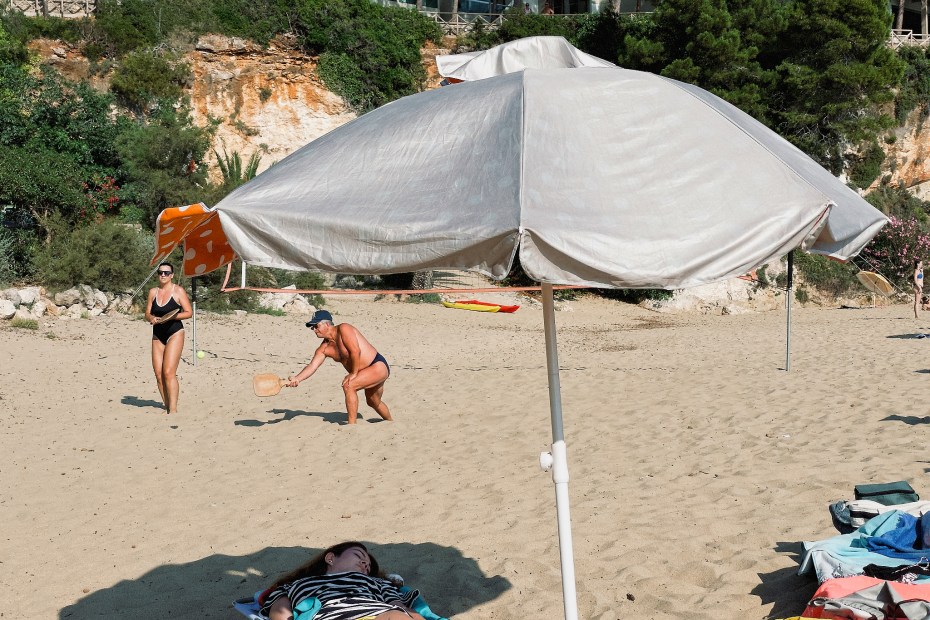
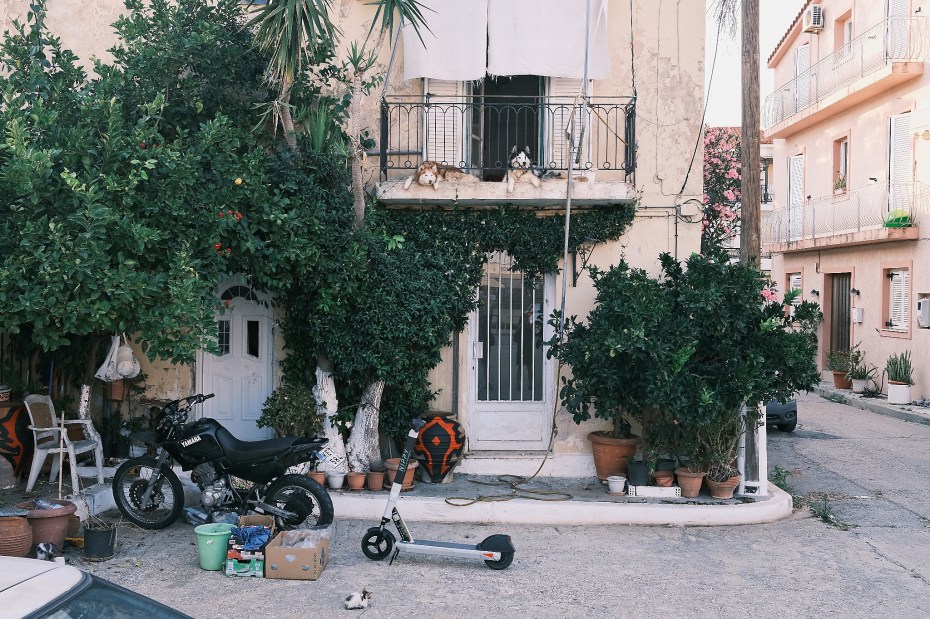
Times have changed. I’m on Kefalonia, the largest of the Ionian islands off Greece’s west coast. It has its share of sleepy villages, picture perfect beaches and the dazzling light of Greece’s azure skies, but these days it’s all about the business of tourism. Coastal towns have become service centers, focused on the summer crowds that arrive via a recently rebuilt international airport, various ferry terminals or the monstrous cruise ships that regularly set down anchor in the Argostoli harbor.
Greece, a country of ten and a half million people, hosts some thirty million visitors a year; nearly all end up on an island or two. The local tourism economy has it all: sun beds, rental cars, scooters, bikes and quad bikes, guided tours, tour buses, chartered boats, jet skis and inflatable amusements, ubiquitous souvenir stores, hair braiding, designer boutiques, designer bars, dj bars, sports bars, English menus, English breakfasts, English speaking staff, sprawling restaurant terraces – on squares, along streets, by the water. Seven days a week for half the year. Island living isn’t what it used to be, but if you find the right place at the right time and look at it the right way you can just about make out Henry Miller’s Greece.

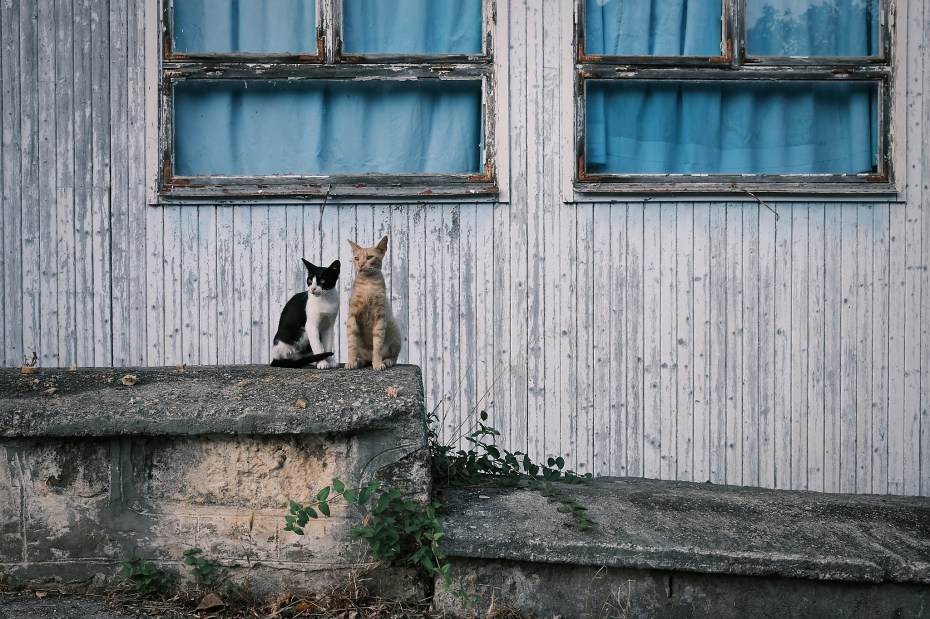
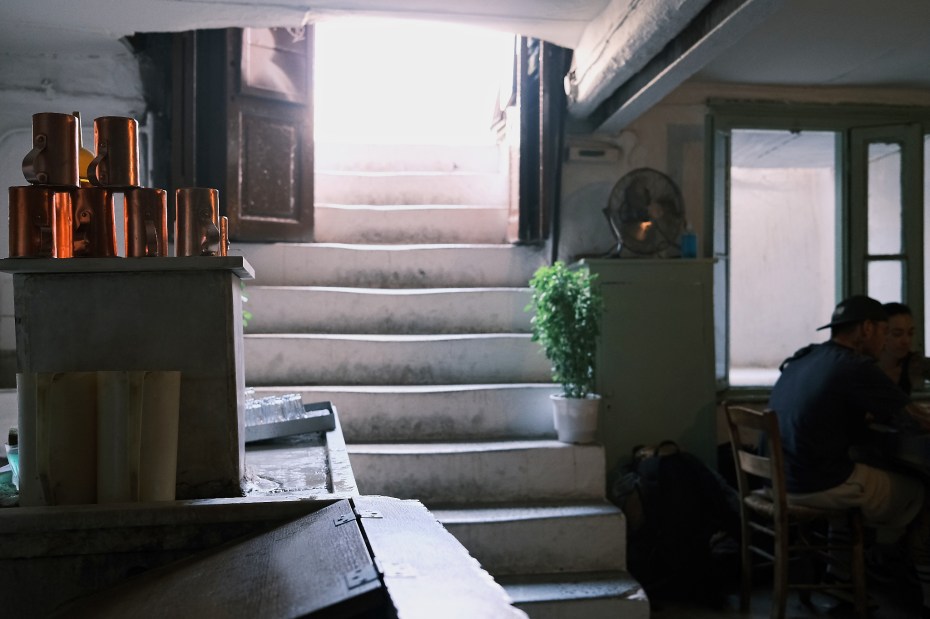
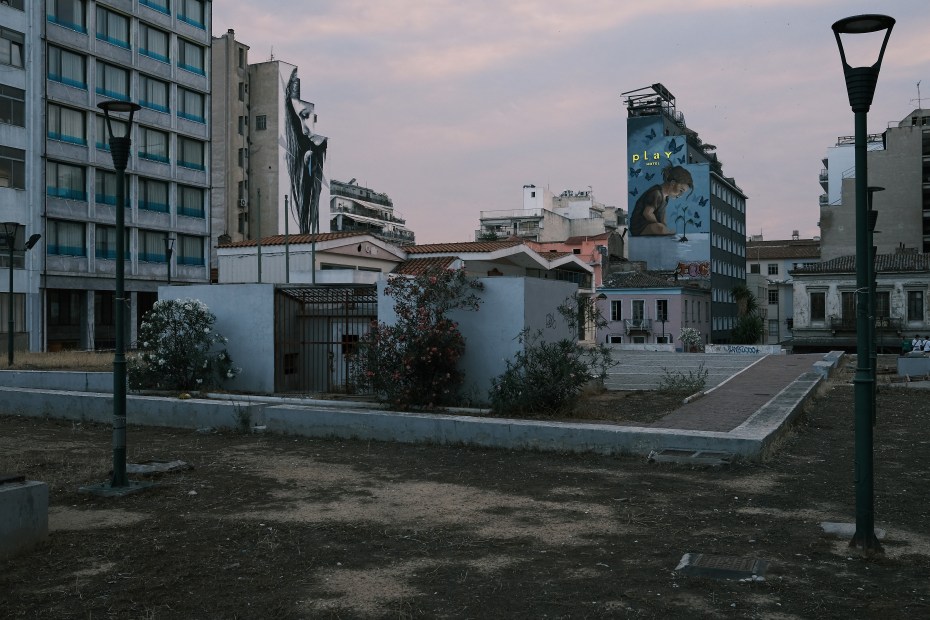
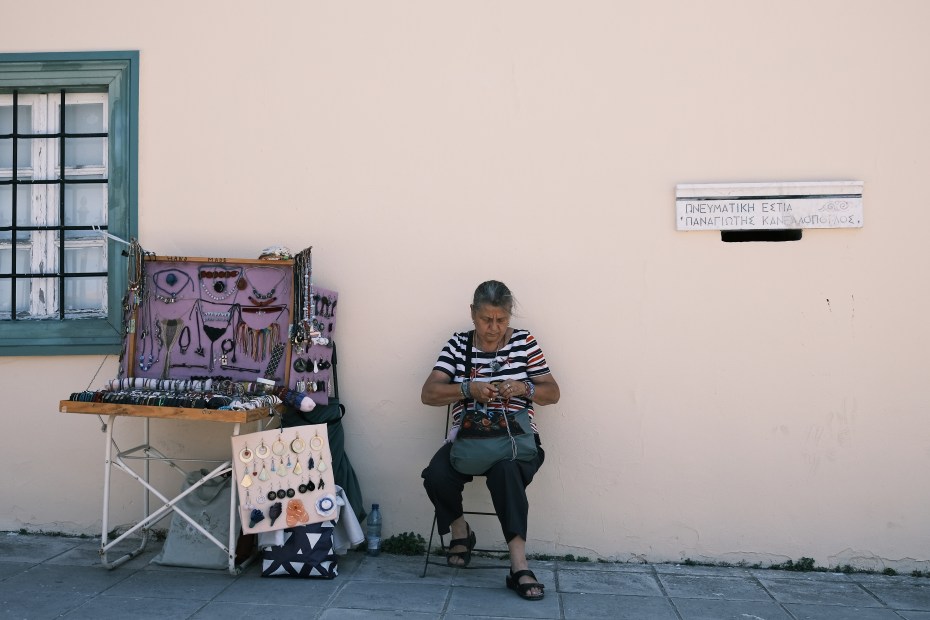
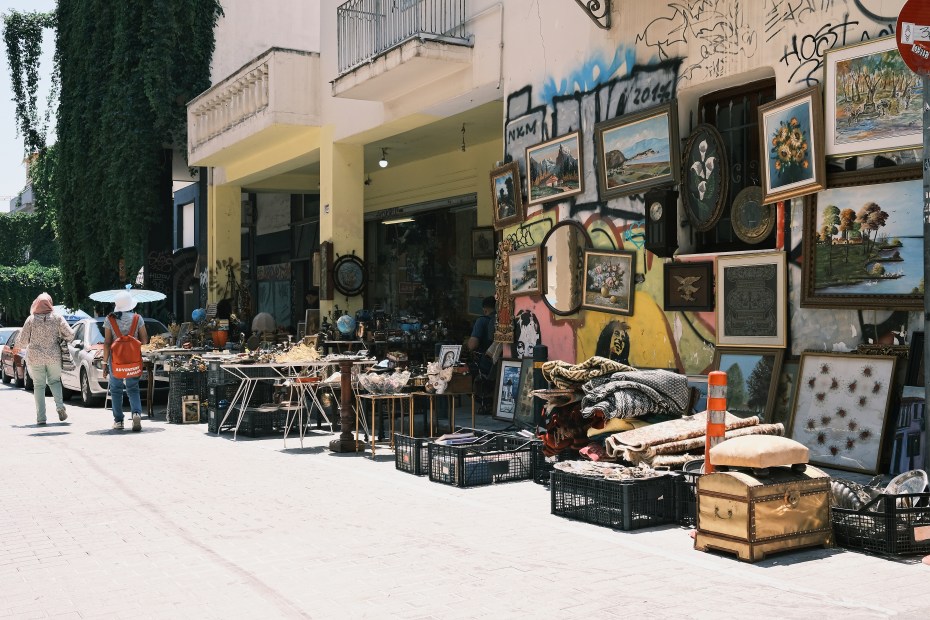
Athina in summer is a nocturnal creature, much like its cats. The heat of summer days is intense, dry with a searing sun, the traffic slow moving. Cats lie motionless in the shade while tourists and locals alike navigate the city in an energy conserving eco-mode.
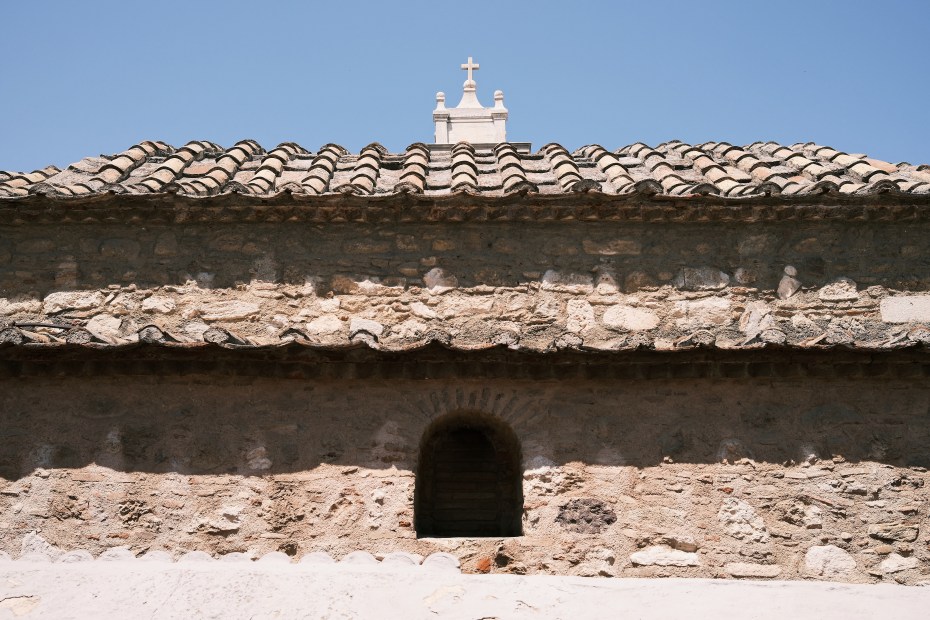
The city-state that gave birth to the concept of democracy and to western civilisation, later taking on many cultural mores of the east during the centuries it fell under the control of the Ottoman empire, has over the last few decades increasingly become a modern outward-looking western city, long part of the European Union, and plugged into current international cultural trends.
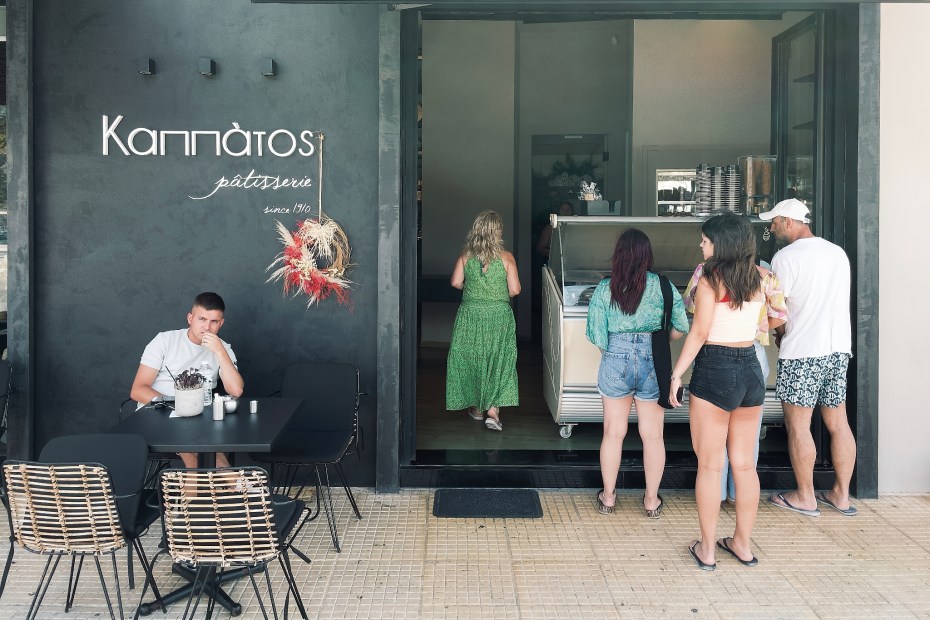
Nights are balmy. Cooling breezes temper the humidity. The city comes to life. Athenians live out on the streets, or more accurately on their squares — their plateias. Restaurants are many and are full. 9pm dinners. 10pm dinners. 11pm dinners. Bars sit among them pumping out bass-heavy beats. In tourist-focused neighborhoods musicians play traditional tunes on their guitars, bouzoukia and clarinets — in bars and tavernas or busking on the streets. Gelaterie draw late night crowds. Cats, looking for a meal, saunter and weave through it all.

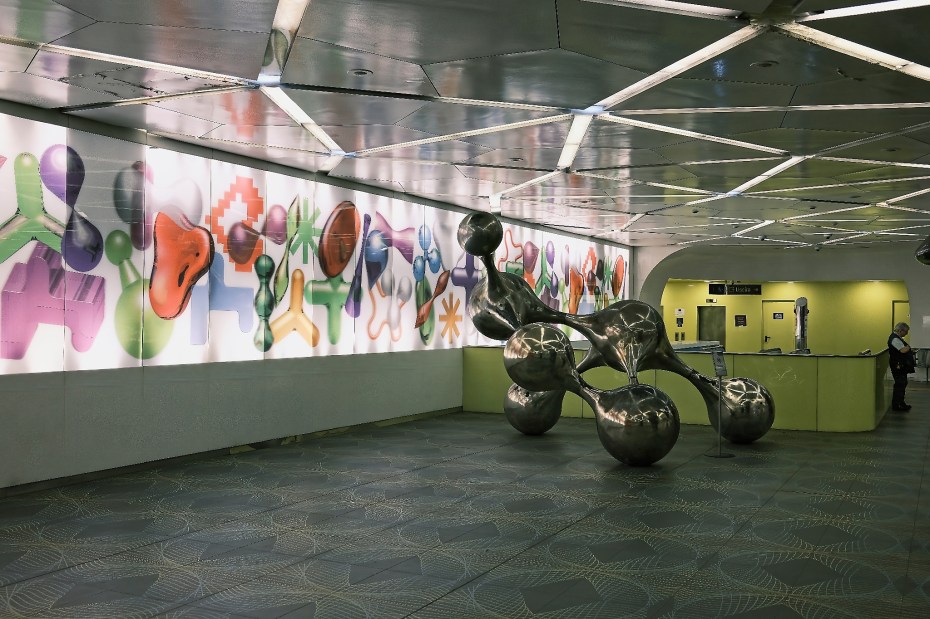
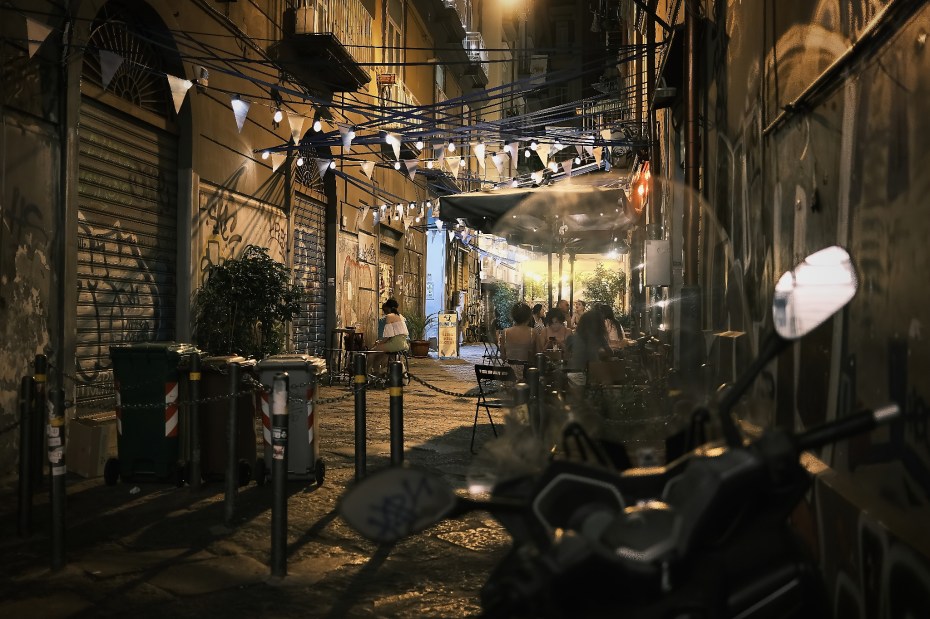
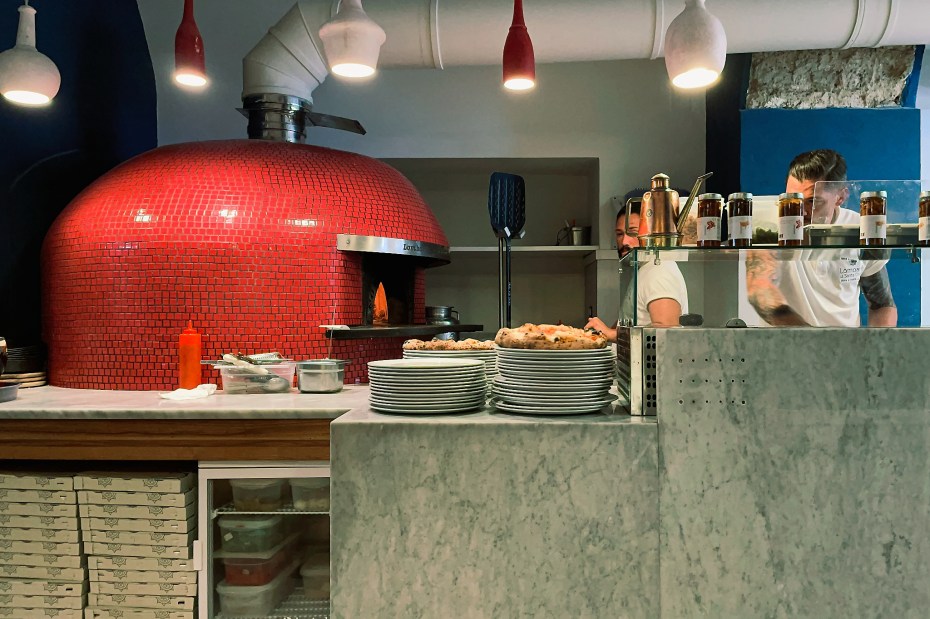
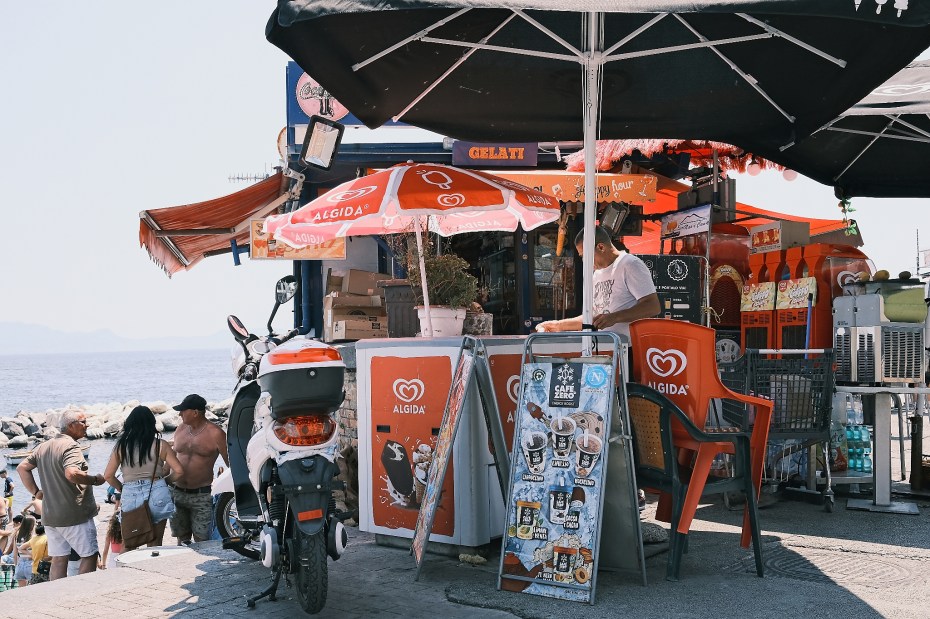
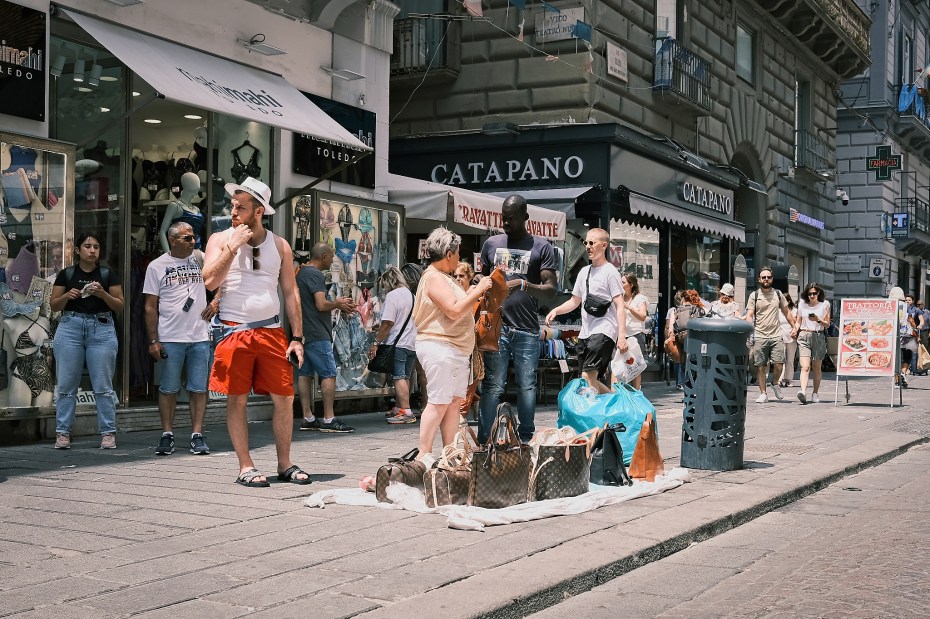
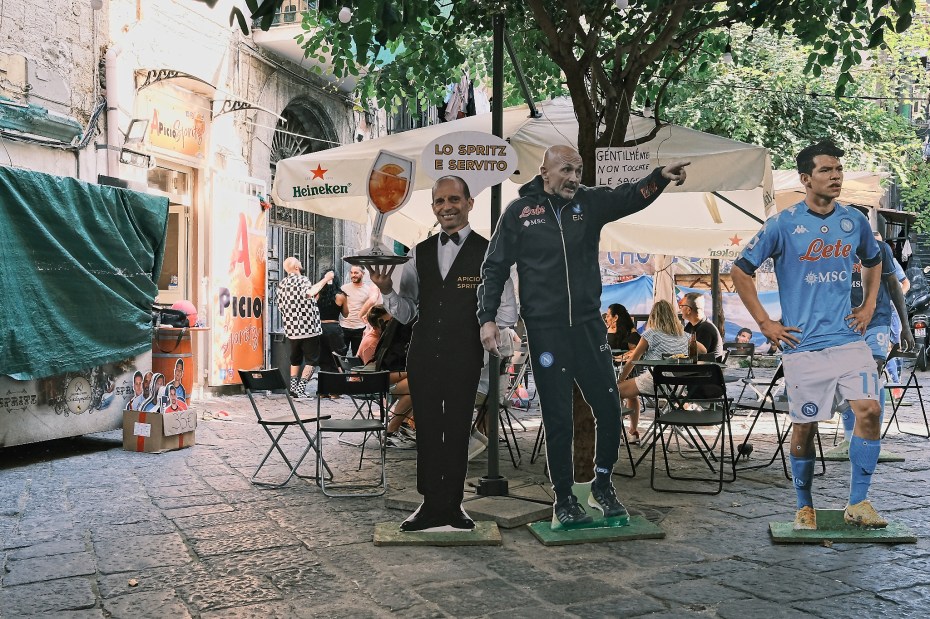
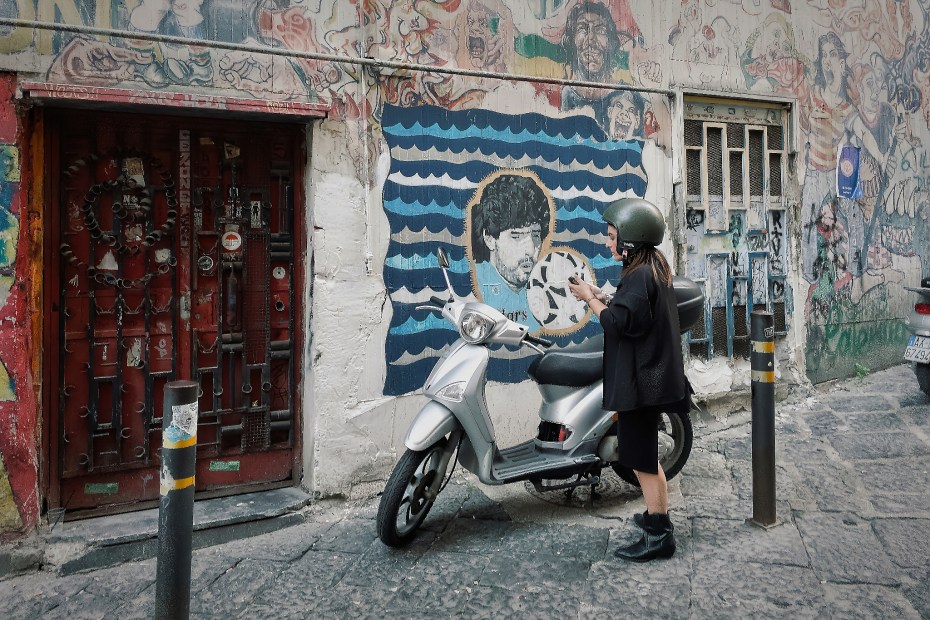
Napoli may lack the grandeur of Roma or the style of Milano but Italy’s third largest city has its own seductive character – lively, passionate, earthy. This ancient southern capital is flanked by hills to the east and the Bay of Napoli to the west. Its streets bring to life the imagined sterotypical traffic chaos of Italy with cars and scooters veering in all directions, dodging pedestrians, honking horns, conversing with passengers, passers-by, or people on the phone, parking just about anywhere there is space. Piazzas flow into alleys; bars and restaurants spill onto sidewalks; handicraft stalls line streets in the old town and illegal vendors lay out their counterfeit wares on the high streets. Graffiti defaces just about every surface on the inner-city streets and garbage sits piled up around public bins. The city’s historic sites are modest by Italian standards yet beauty can be found: along the seaside, particularly in the leafy Posillipo region to the north of the city; inside the city’s churches and museums; and surprisingly in its metro stations, justifiably advertised as among the most beautiful in the world. Then there’s the beauty of the city’s cuisine, which is up there with the best of them. For the Napolitani, perhaps most beautiful of all is the local football club, SSC Napoli, winning this year’s Seria A football championship after a wait of thirty-three years. Months later, the city still seems to be celebrating, with streets and balconies everywhere adorned with flags and ribbons in the team’s colors, and the city’s adopted son, Diego Maradona, who led the Napoli team to their first two Serie A wins, is in iconography everywhere from street art and souvenir trinkets to the stadium named in his honor.

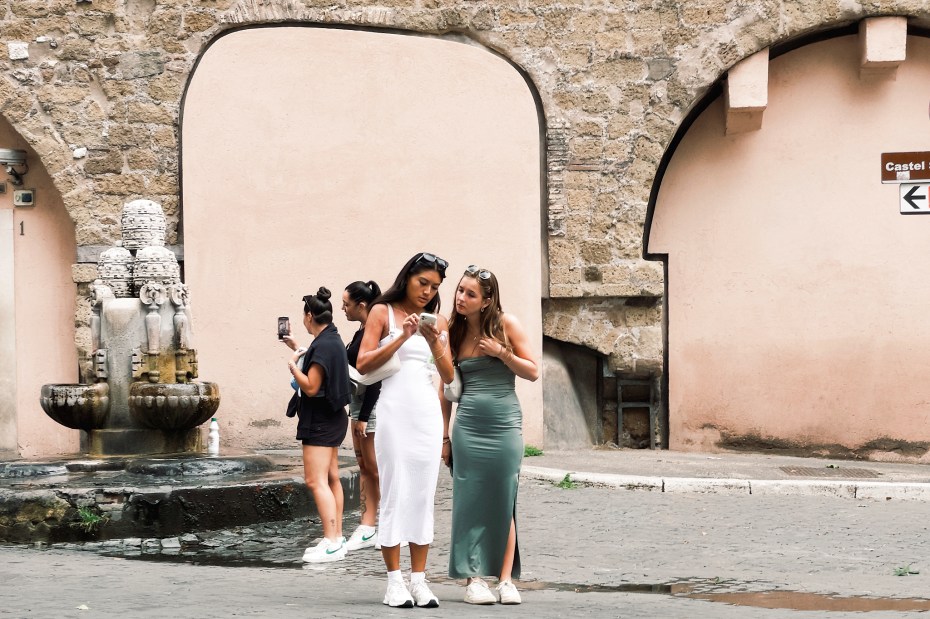
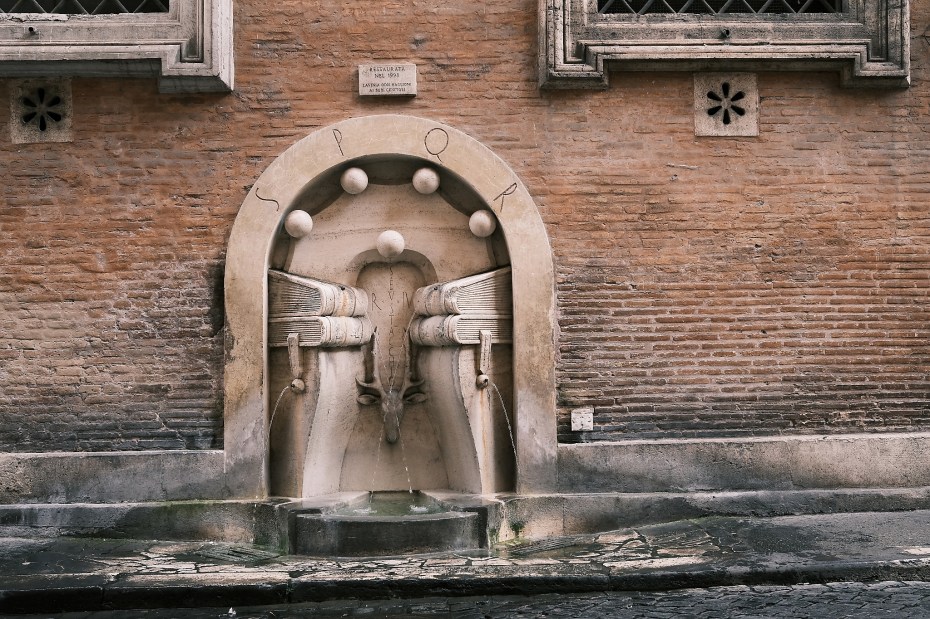
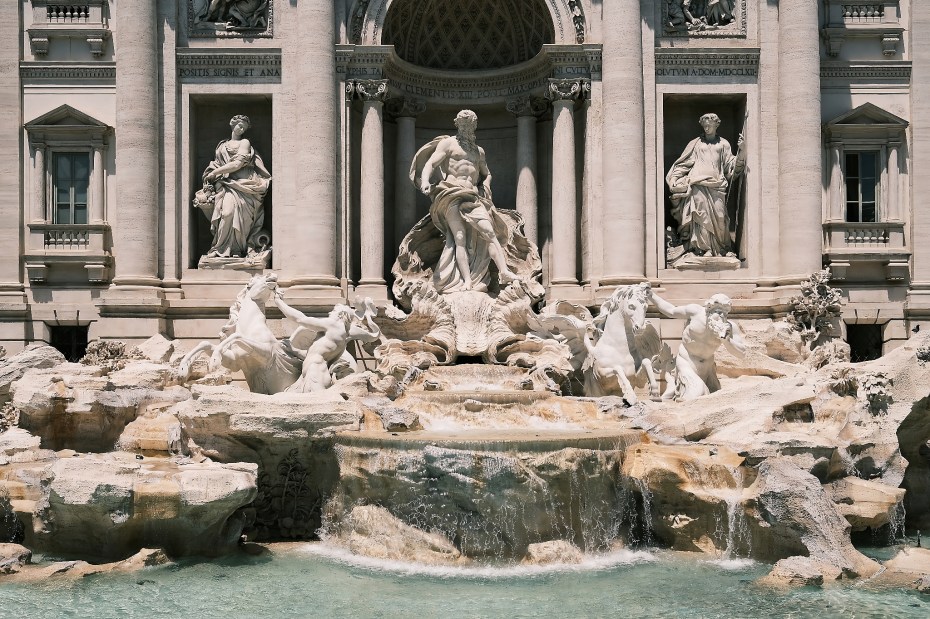
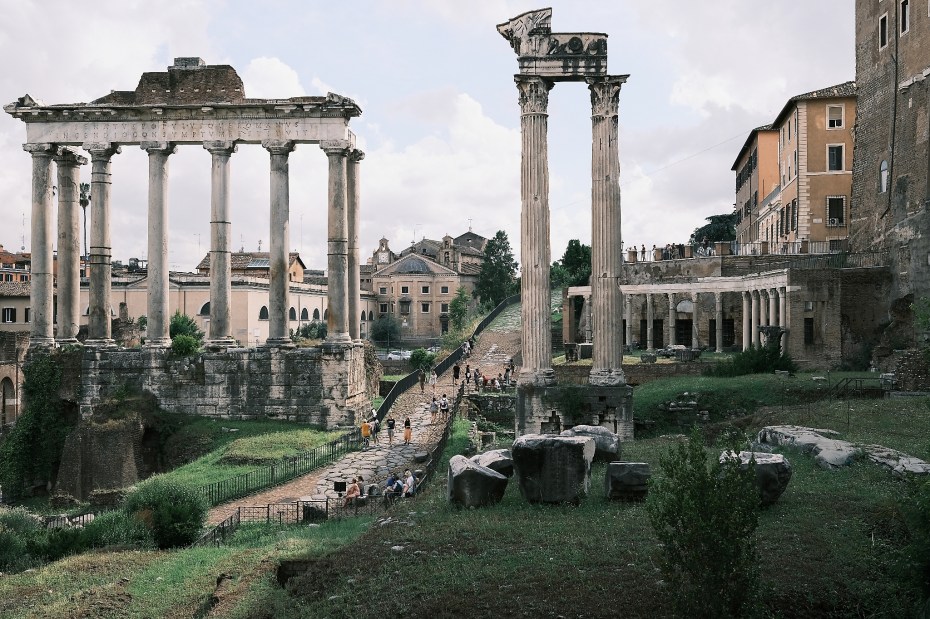
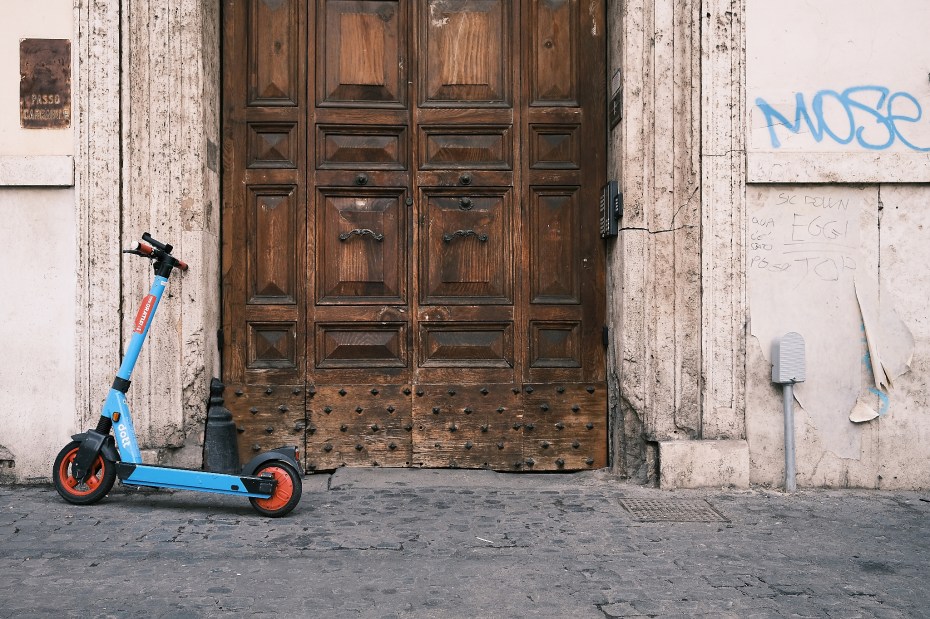
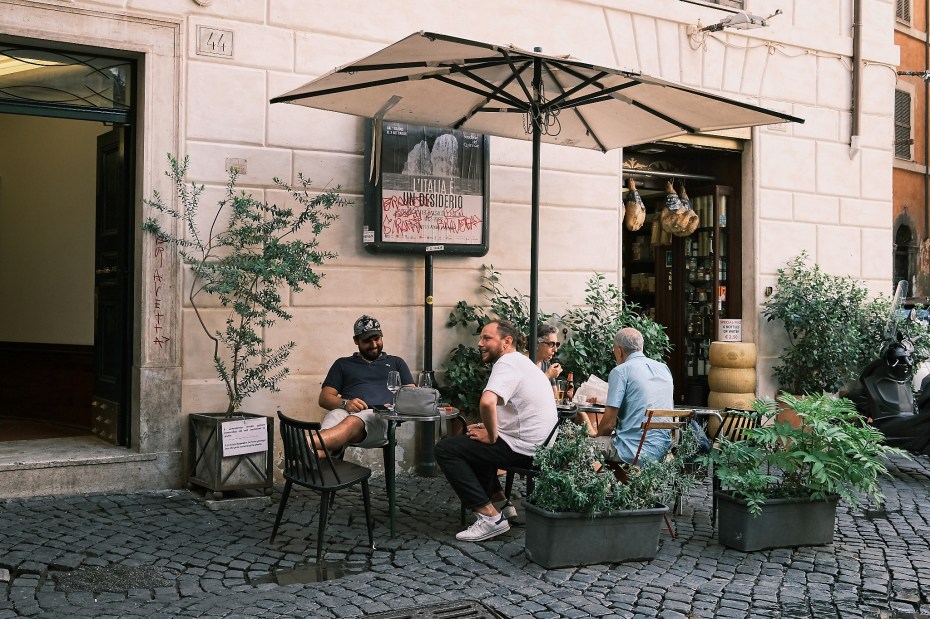
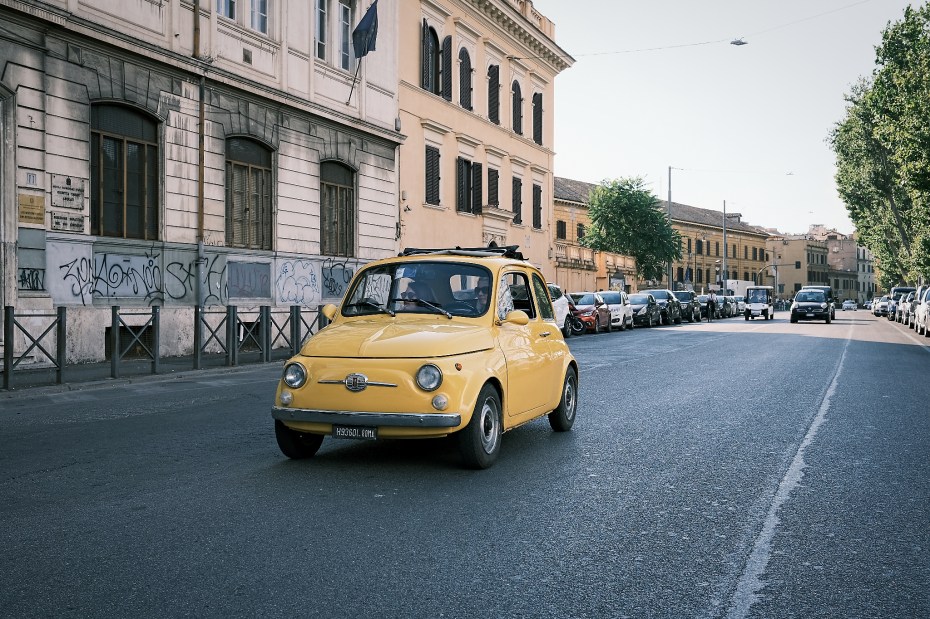
Roma, the eternal city, a heady cocktail of classical Roman, Renaissance, Baroque, Neoclassical, Catholic and Fascist aesthetics – from the Colosseum to the Palazzo della Farnesina. Roma, the glamorous city of la dolce vita, mythologised in the Twentieth Century movies of Hollywood and Cinecitta studios. Roma, the country’s capital city, straddling the Tiber river in central Italy, where round every corner you encounter a monumental piece of history: a gateway arch, a fountain, a statue, an obelisk, a bridge, a temple, a cathedral, a castello, a civic building, or a pallazo. Roma, the gastronomic paradise, whose every piazza is lined with all manner of establishments serving food, drink, gelati, pastries and coffee. Roma, the quintessentially Italian city: cultured, stylish, dynamic, theatrical, gregarious.
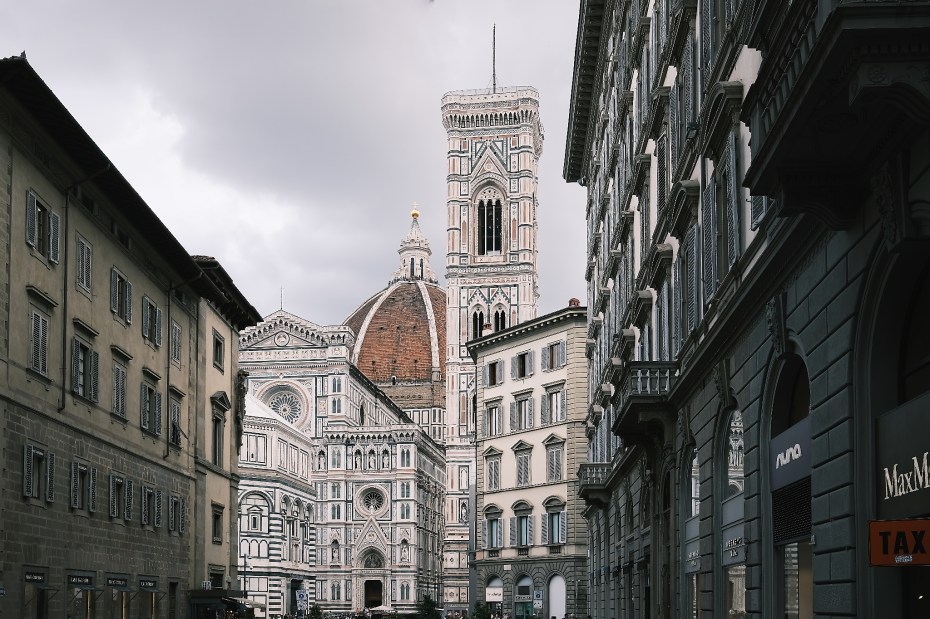
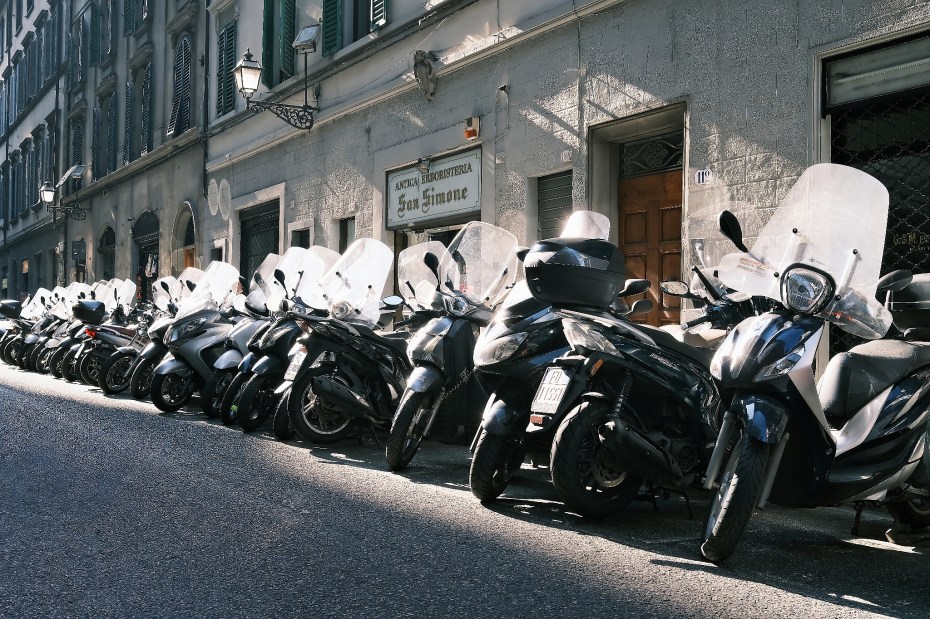
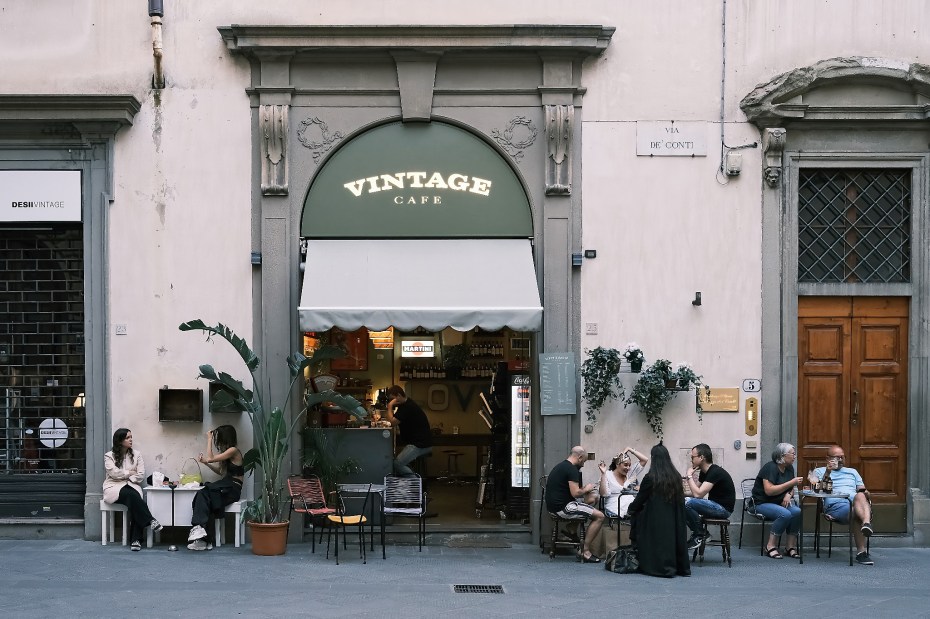
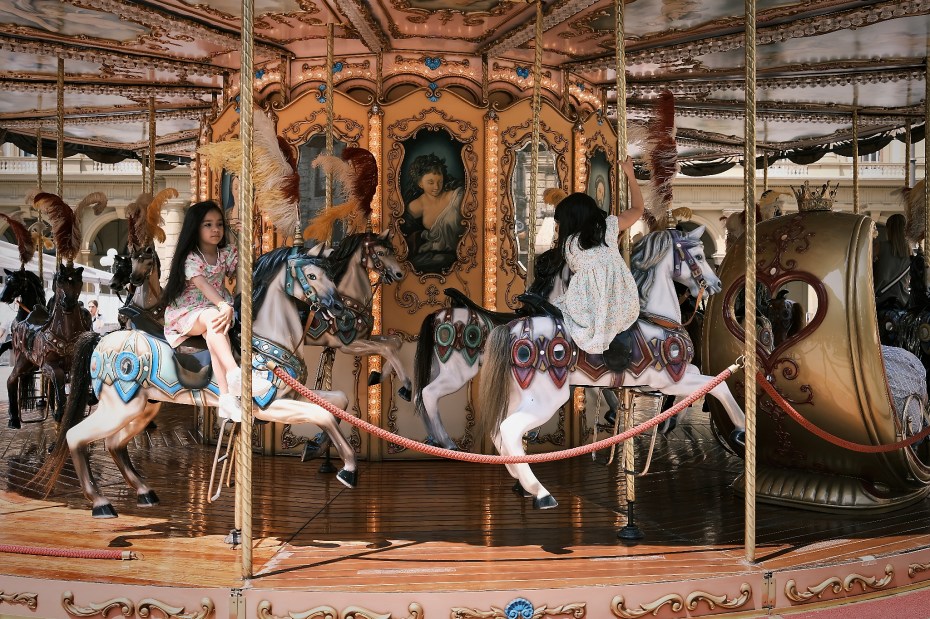
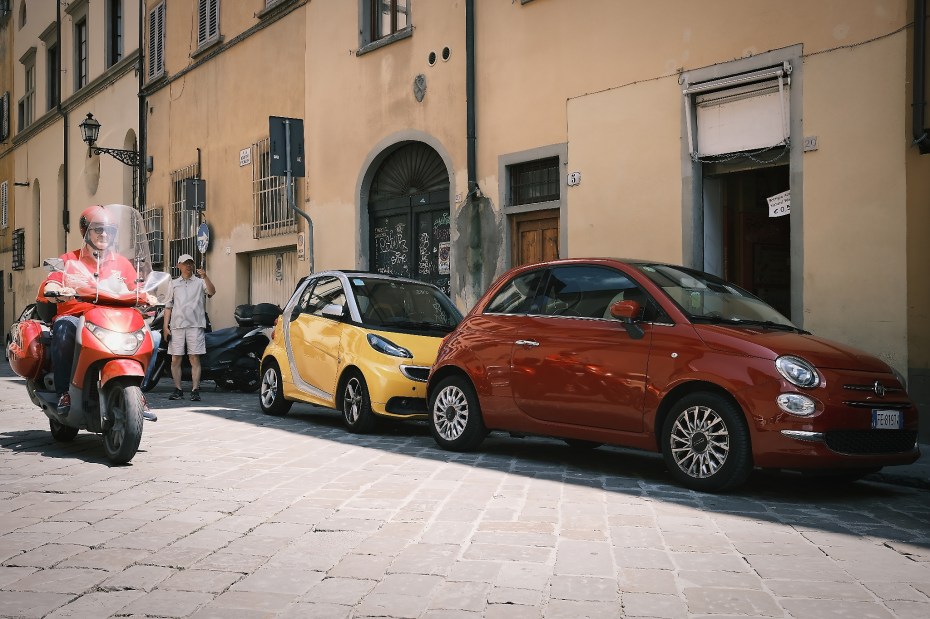
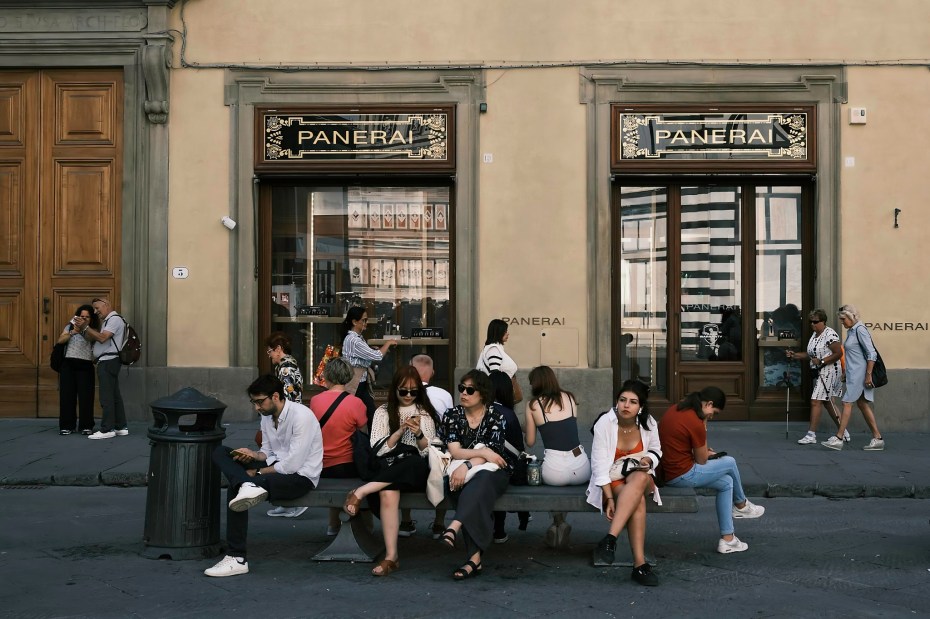
Firenze, capital of Italy’s famous Tuscan region, “cradle of the Renaissance” in the 15th and 16th Centuries, and even today, with its impressive architecture and public art, its museums and galleries, remains a cultural goldmine that attracts millions of visitors. Not quite the theme park that is Venezia, Firenze is still very much a tourist town and the crowds are a necessary price of admission to its treasures: from masterworks by local artists Michelangelo, Botticelli and Leonardo da Vinci to the cathedral of Santa Maria del Fiore (the Duomo of Firenze), Palazzo Pitti and the Palazzo Vecchio, indeed the entire historical center of the city, which is a UNESCO World Heritage Site. And for those less culturally inclined there is the usual array of luxury brand stores, the tiny jewelry shops lining the Ponte Vecchio and the dozens of stalls around town selling budget leather goods and typical kitsch souvenirs.

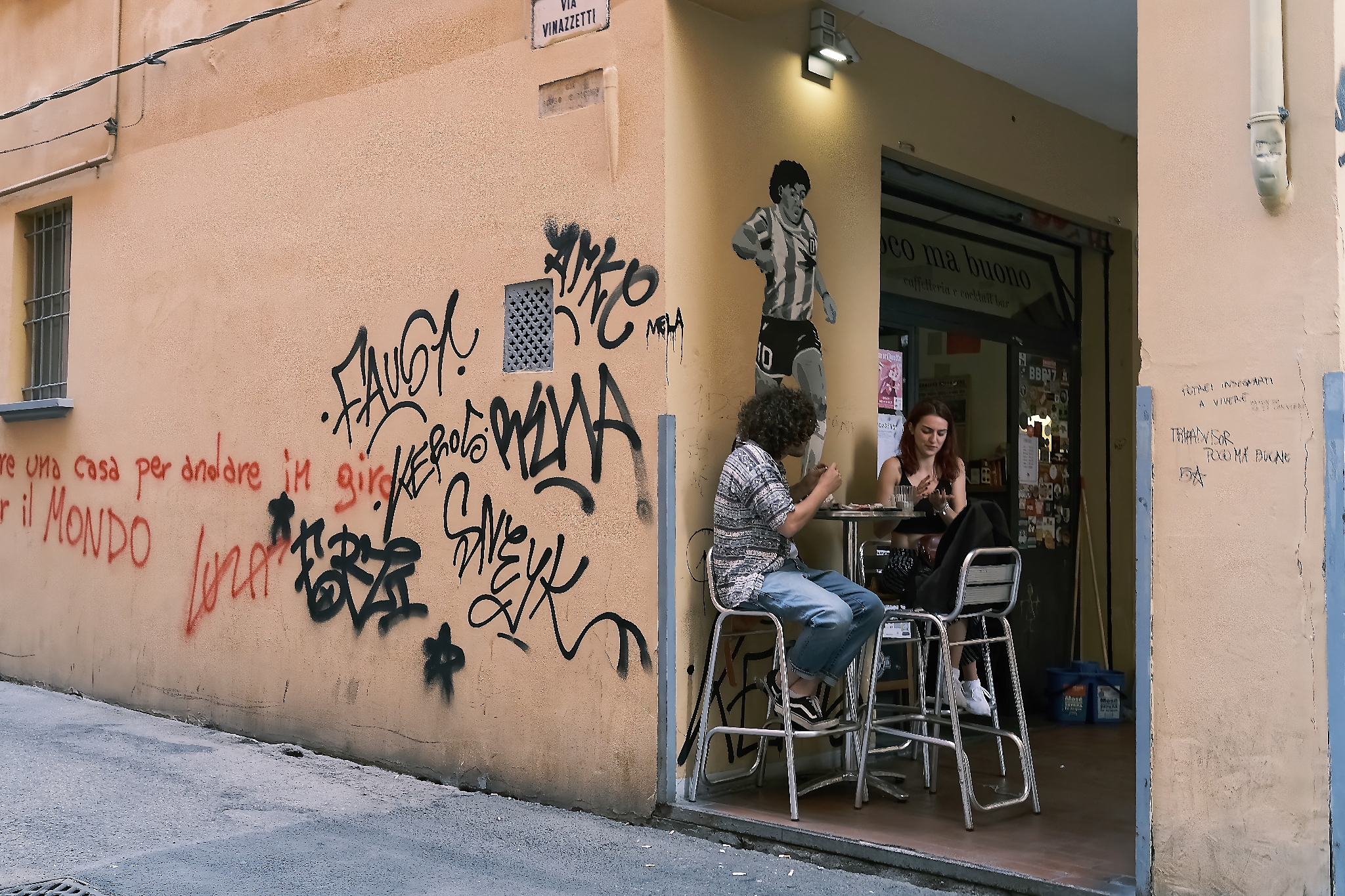
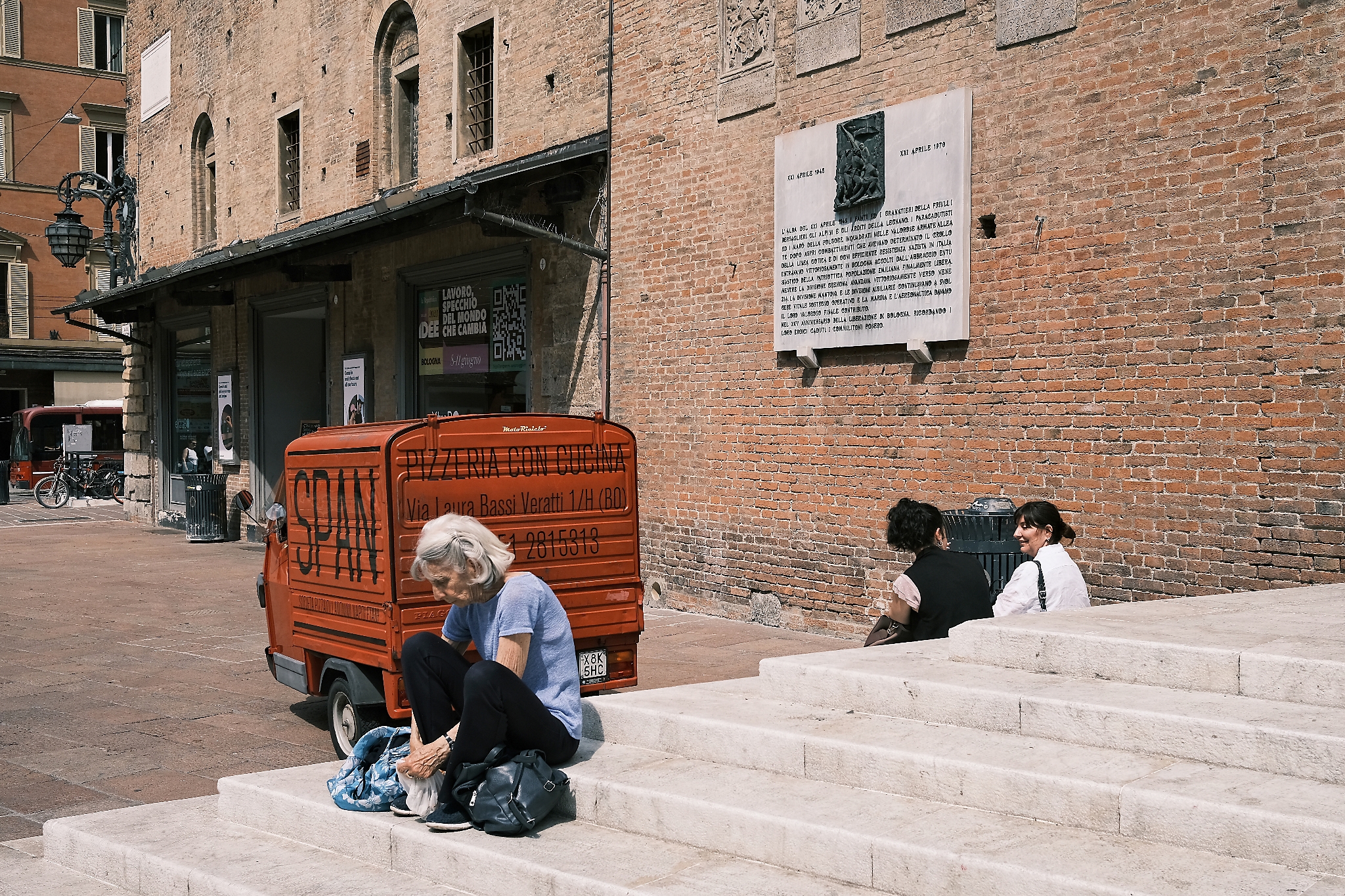
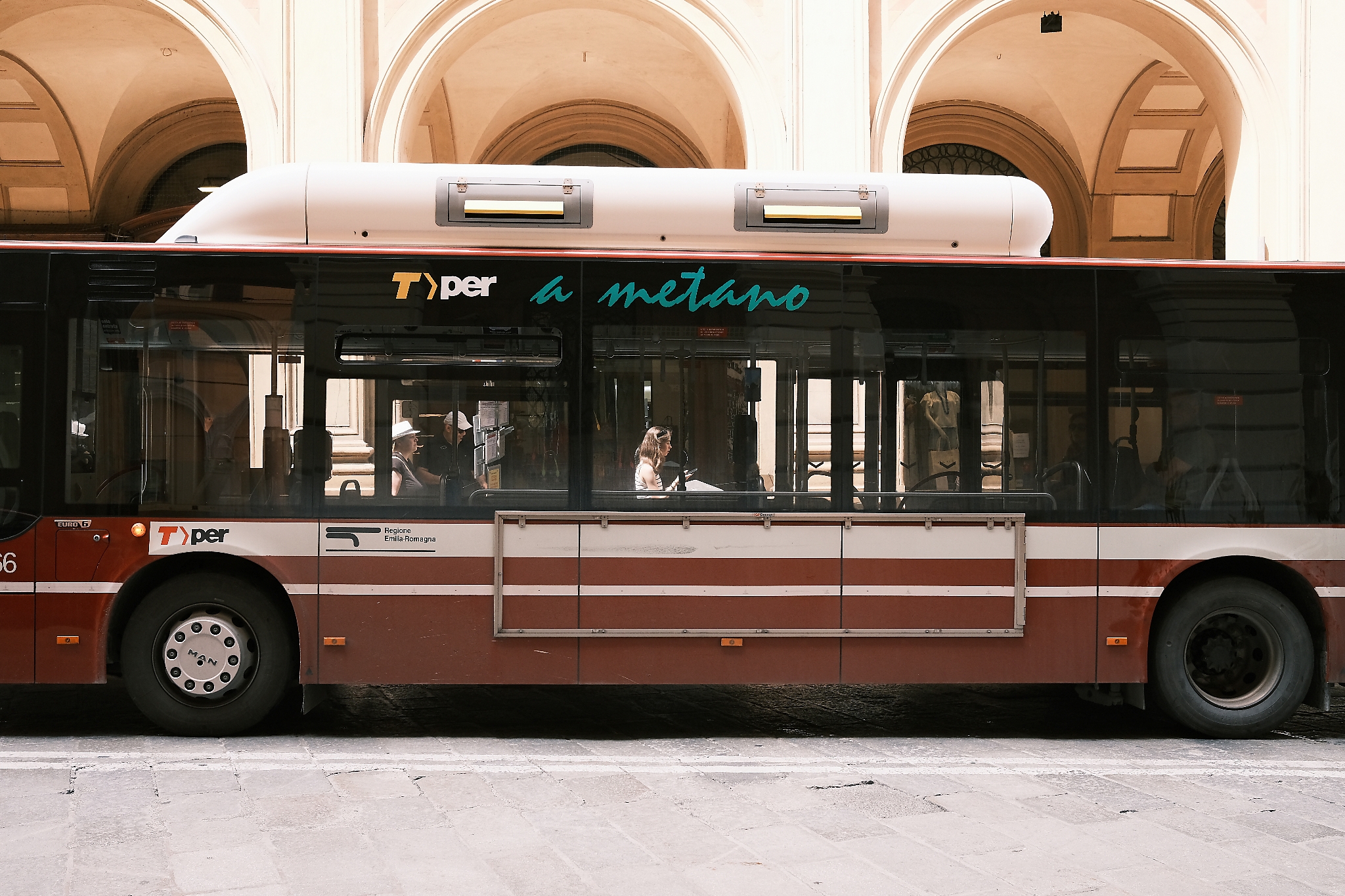
Bologna. Famously known as La Grassa (the fat), center of Italian delicacies like delicious mortadella, parmigiano reggiano cheese and the eponymous pasta dish locals call tagliatelle al ragù; La Dotta (the learned), home to the world’s oldest functioning university, dating back to 1088, and its students through the centuries; and La Rossa (the red), for the hues of its historic city center and its historical political proclivities. This neat compact city sits between Venezia to the north and Firenze to the south. Its historical center – parts of which date back to medieval times – is characterized by its many vaulted colonnades, a youthful student population and a welcome respite from tourist crowds. It may lack Venezia’s magic and the cultural treasures of Firenze, but it has its own charms and is a perfect place to practice the Italian art of dolce far niente.

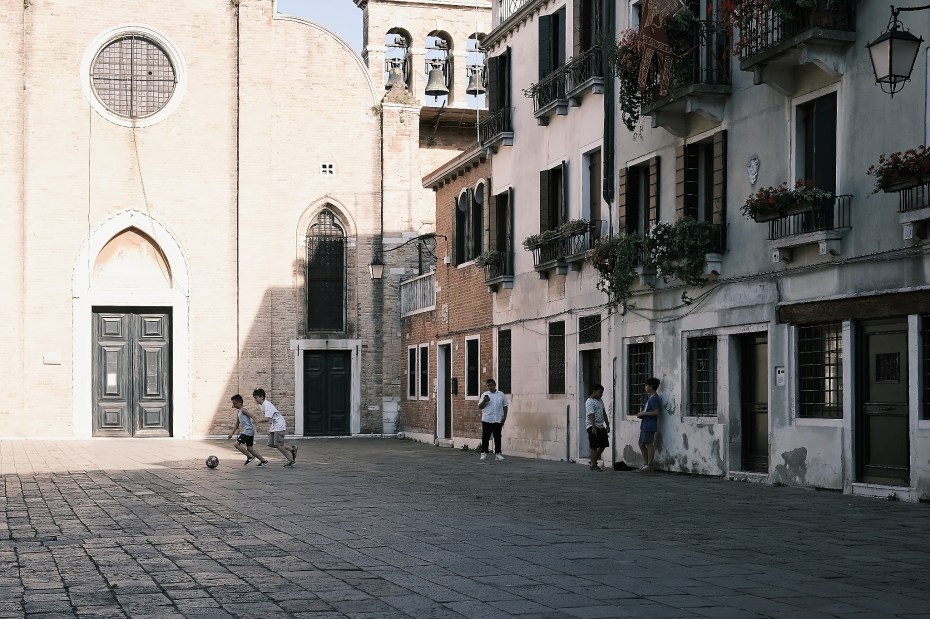
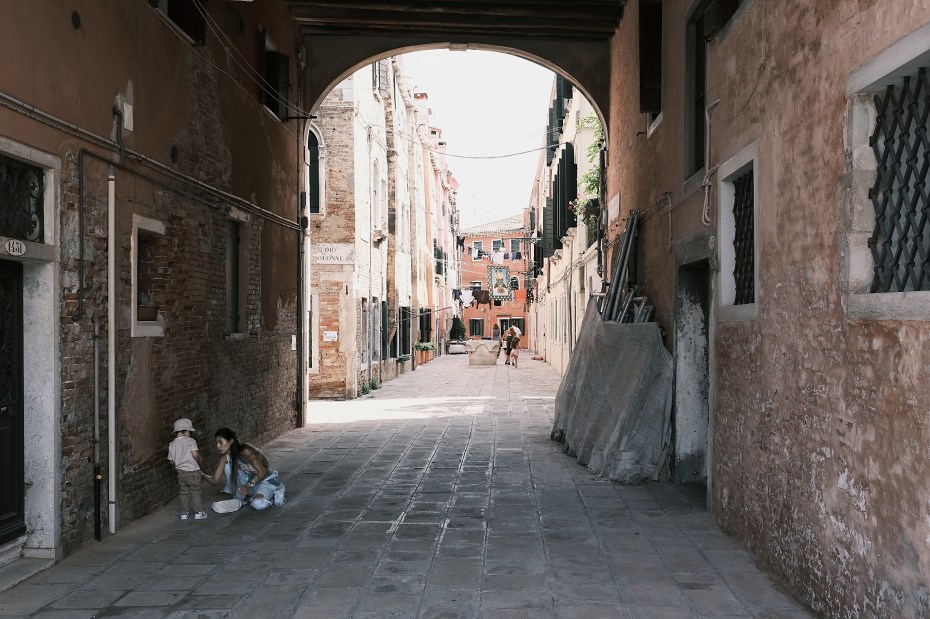
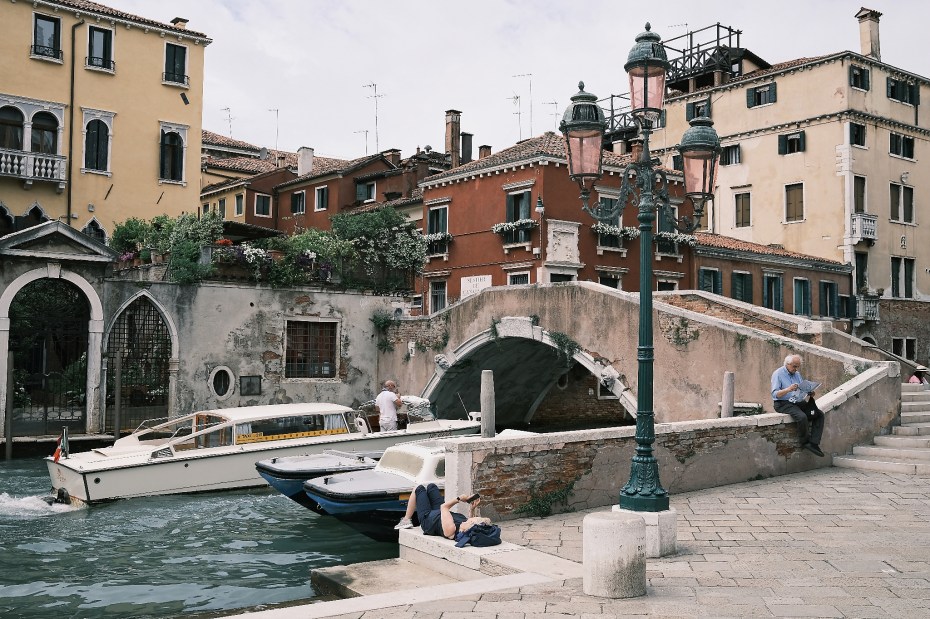
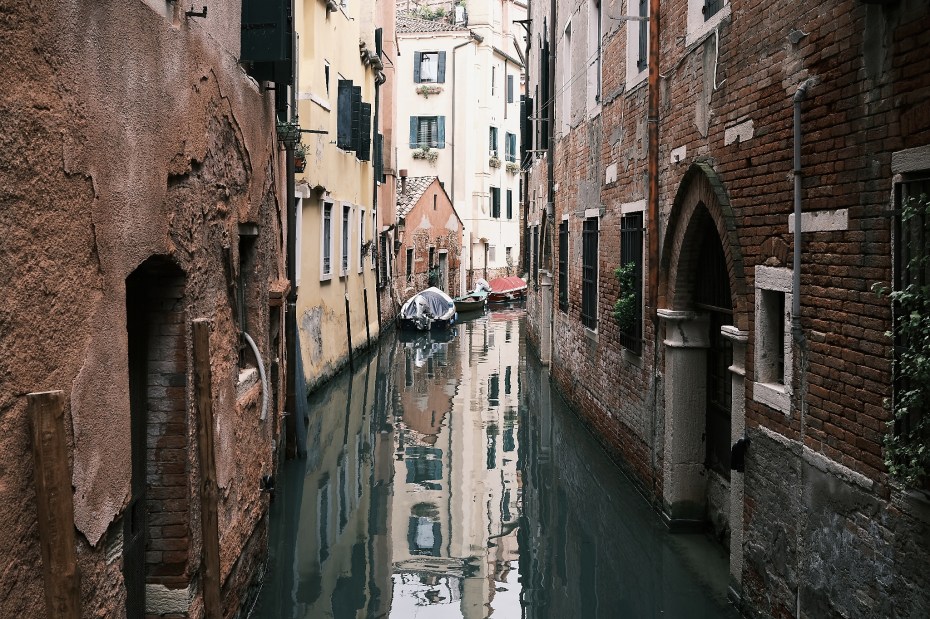
Venezia, floating city of canals and bridges — and tourists, lots and lots of tourists. Crowds and tacky souvenir stalls. And restaurants: ristoranti, trattorie, pizzerie, osterie — and the occasional Irish pub. This storied city that was once the center of an empire that for hundreds of years spanned and controlled the Mediterranean is today a theme park for international tourists who throng to its attractions, fill its restaurants and navigate its maze of calle with the aid of Google Maps. Despite this, it’s hard to remain cynical if one looks a little deeper and considers the cultural imprint of the city: the Biennale and the Carnevale, its film and jazz festivals, its architecture and art galleries, concerts and exhibitions. La Serenissima may not be so serene these days, and her beauty may have faded, but she still has the ability to take one’s breath away.






































 basili mobile images