
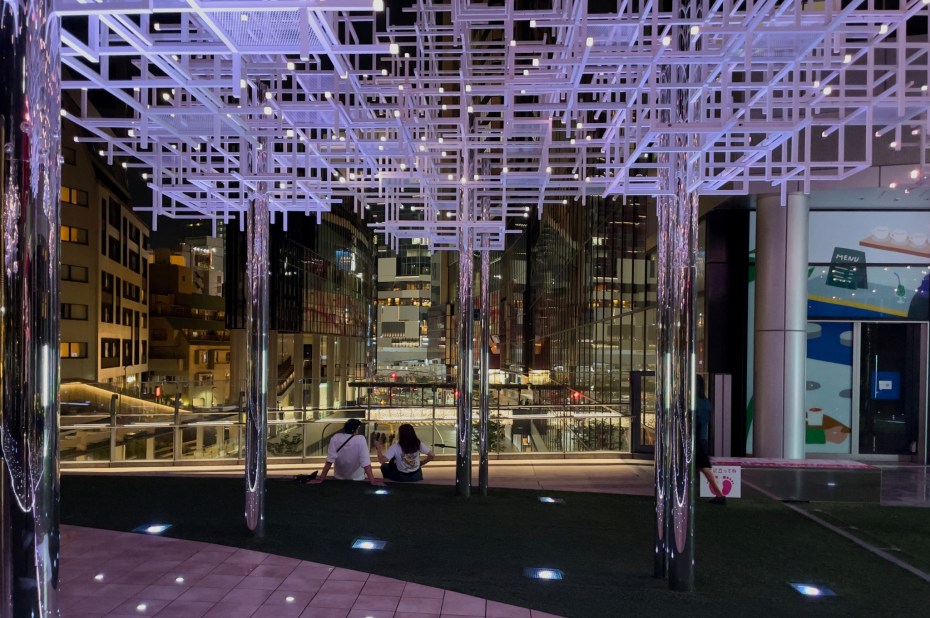
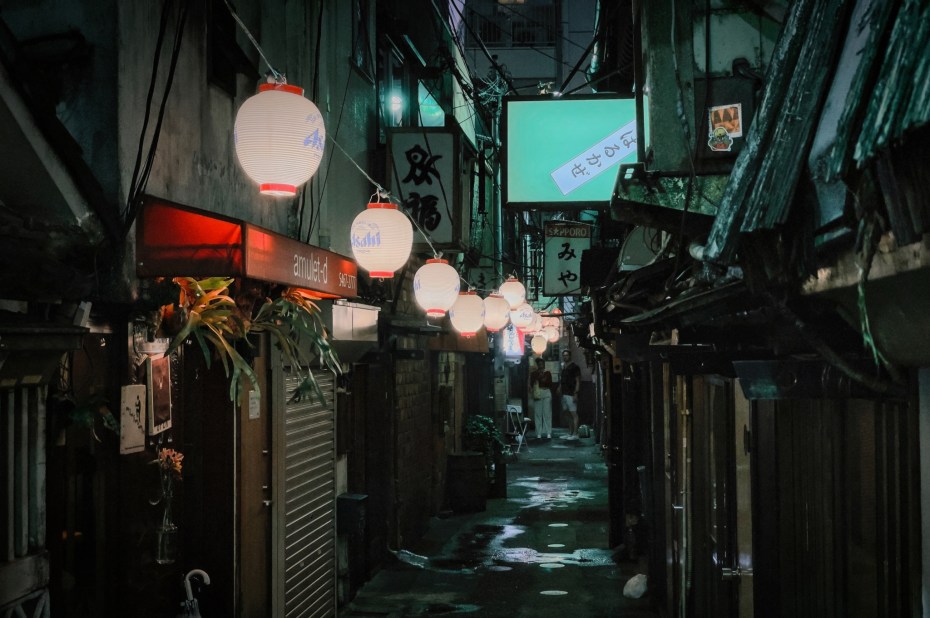
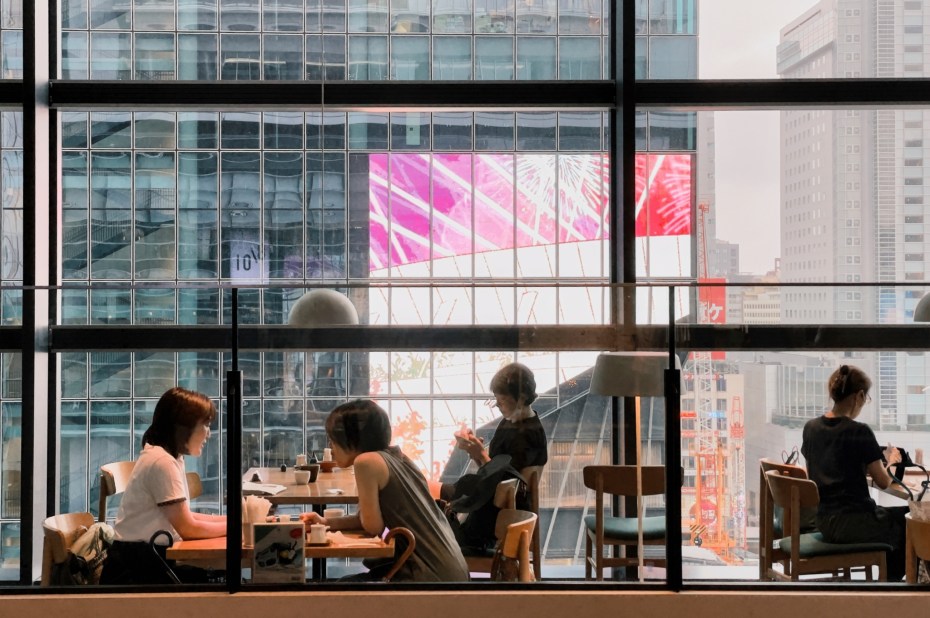
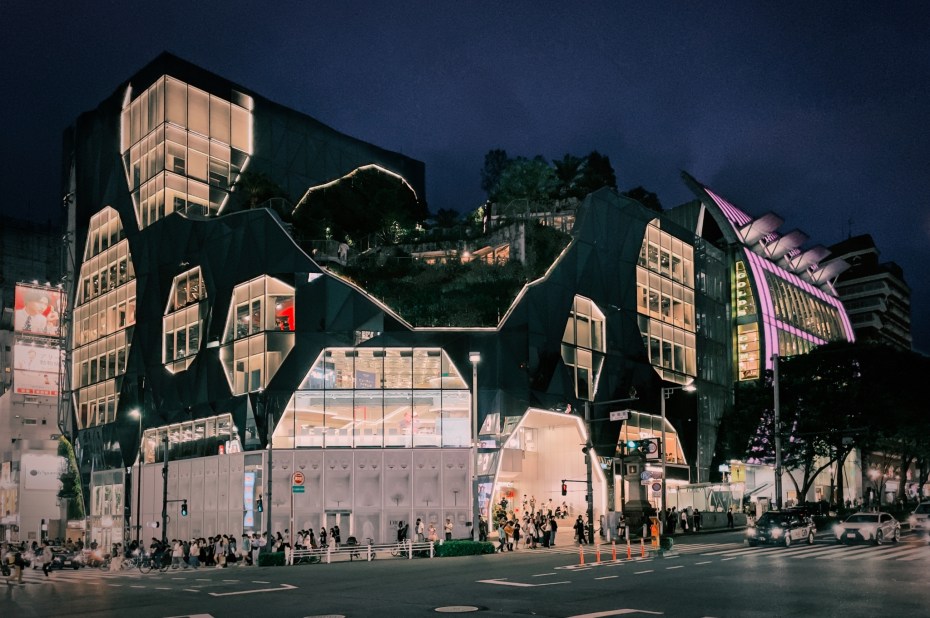
Shibuya, Tokyo is at the forefront of the city’s relentless reconstruction; an interzone where time-worn pockets of the past are increasingly superseded by modern simulacra and dwarfed by gleaming structures that dream of the future.
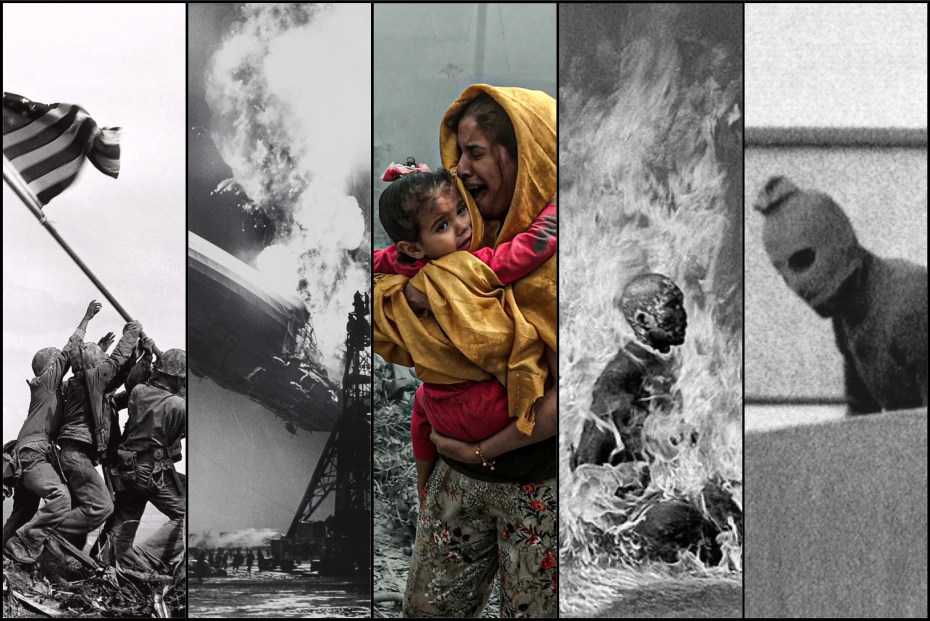
Patrick Witty is a photographer and picture editor with impeccable credentials, having worked at The New York Times, Time, National Geographic and Wired.
As much as I admire the above resumé, I’m even more impressed by his research-driven project Field of View, wherein he takes forensic looks at historically significant photos from the world of photojournalism and explores these together with related images, actions and events that occurred around the central images. The results are absorbing and illuminating. Earlier this month Witty did a deep dive into images containing the American flag. As fate would have it, days later there was an attempt to assassinate former President Trump, and THAT photograph of Trump — Secret Service agents, blood, defiance, and an American flag — captured by Evan Vucci not only became a global viral sensation, it instantly became another iconic moment in photojournalism. Much has been written about it and, of course, Witty did his own inimitable analysis: The Failed Assassination of Donald Trump.
Collage image credits L to R:
Joe Rosenthal; Sam Shere; Ali Jadallah; Malcolm Browne; Kurt Strumpf
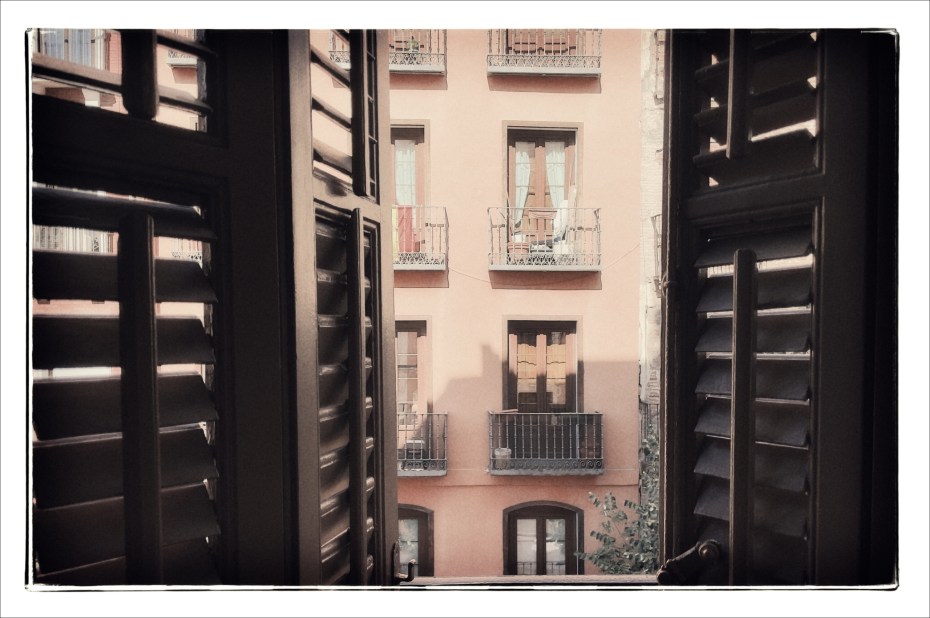
Continue reading ¡Hola!Maybe the greatest madness is to see life as it is rather than what it could be.
— Miguel de Cervantes
A new exhibition in Tokyo of Saul Leiter’s work has 400 or so images on display, including rarely seen and never previously publicly seen photographs. Visitors are also allowed to take photographs in the galleries — unusual, but a welcome gesture.
Saul Leiter Origins in Color starts with Leiter’s early monochrome work from the 1940s through the 1960s. What struck me here was how some of his early street shots weren’t that good, the young artist still finding his visual voice. An adjoining room displays a collection of monochrome portraits of ‘icons’: painters, musicians and photographers Leiter knew. Here, Leiter’s growing visual vocabulary is evident in his framing and use of light. The focus moves on to his fashion photography and features magazine spreads from publications like Harpers Bazaar and Elle that show many examples of Leiter’s now masterful creative visual language. Next up are painterly color photos grouped with original paintings by the artist. I’ve always thought Leiter a far better photographer than painter, but it was his painter’s sensibility that informed the quality of his photographs. Around the corner, mounted film transparencies are laid out on light tables and a recreated approximation of Leiter’s living area features a continuous slide show of some of his more well-known images. One can perhaps imagine Leiter sitting back in his New York apartment, with friends maybe, viewing his photos. Behind this gallery is the show’s theatrical highlight, echoes of the living room projections, as visitors enter a large darkened space, flanked by multiple larger than life projections of hundreds of Leiter’s images, their scale and the frequency with which they change threatening to overwhelm the viewer but nevertheless impressive, showing Leiter’s photographic genius in magnified detail. Finally, one exits through the inevitable — Leiter themed — gift shop.
Saul Leiter Origins in Color — At Shibuya Hikarie, Tokyo, until Aug 23

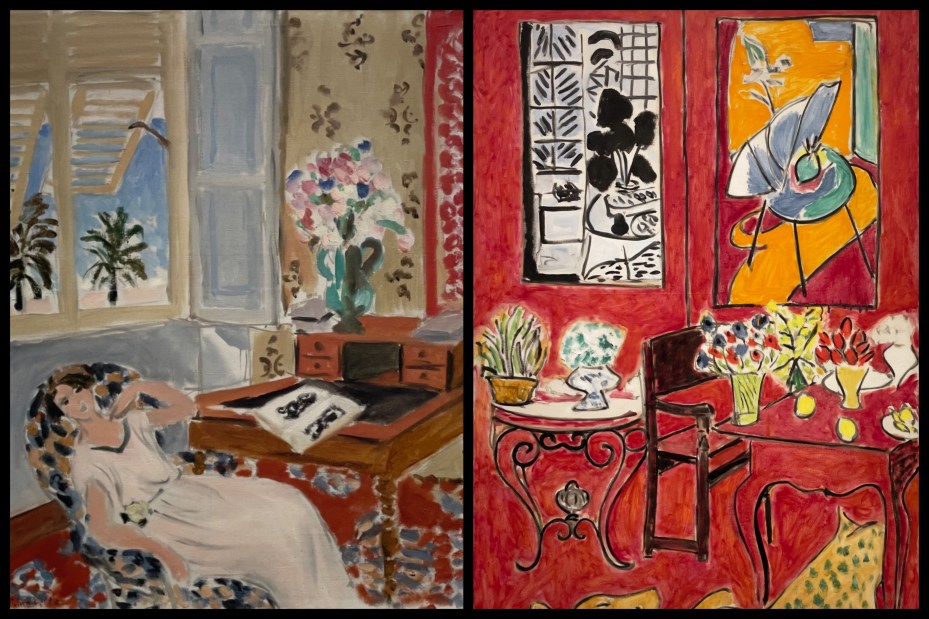
Meanwhile, across town, works from another master colorist are on display at the Tokyo Metropolitan Art Museum. Some 150 works from France’s Centre Pompidou comprise the retrospective exhibition Henri Matisse: The Path to Color. Photography is allowed in some areas.
Matisse was one of the great artists of his generation, his experimentation and innovative works helping to create and define 20th Century modernism. This exhibition is presented chronologically over three levels, from Matisse’s earliest oil paintings in the late 1800s to his iconic Jazz series of gouache paper cut-outs, abstract book cover designs, and the simple line drawings and stained glass art he created for the Chapel of the Rosary in Vence in the late 1940s. Progressing through a series of chapters of Matisse’s creative life, visitors can see his own progression from early pictorial works through the influences of Impressionism, Pointillism and Cubism on his technique and gradual abandonment of natural perspective and representation, as well as his increasingly adventurous use of color and development of Fauvism, to the pure abstraction and color blocks of his later works. Finally, here too, as part of the modern museum experience, visitors enter a comprehensively stocked and crowded gift shop before exiting to Ueno Park to digest the visual feast they were presented with.
Henri Matisse: The Path to Color — at the Tokyo Metropolitan Art Museum, Ueno, until Aug 20

The romance of travel: idyllic beaches, spectacular mountains, vibrant cities, ancient ruins, majestic architecture, humbling museums, sublime art, exotic cuisines, fleeting friendships. So much to see and do.
Among all this, there are the prosaic aspects of travel that seemingly take up just as much time: airports, train stations and bus depots, accommodations and supermarkets, laundromats and pharmacies, phone shops and ticket offices, coffee and snack stops. These typically mundane aspects often provide moments as memorable as the highlights.

In Greece one has the desire to bathe in the sky. You want to rid yourself of your clothes, take a running leap and vault into the blue. You want to float in the air like an angel or lie in the grass rigid and enjoy the cataleptic trance. Stone and sky, they marry here. It is the perpetual dawn of man’s awakening.
Once upon a time the Greek islands inspired the poetic musings of writers — like Henry Miller above, whose works inspired others to make their home and work for a time on Greek islands.
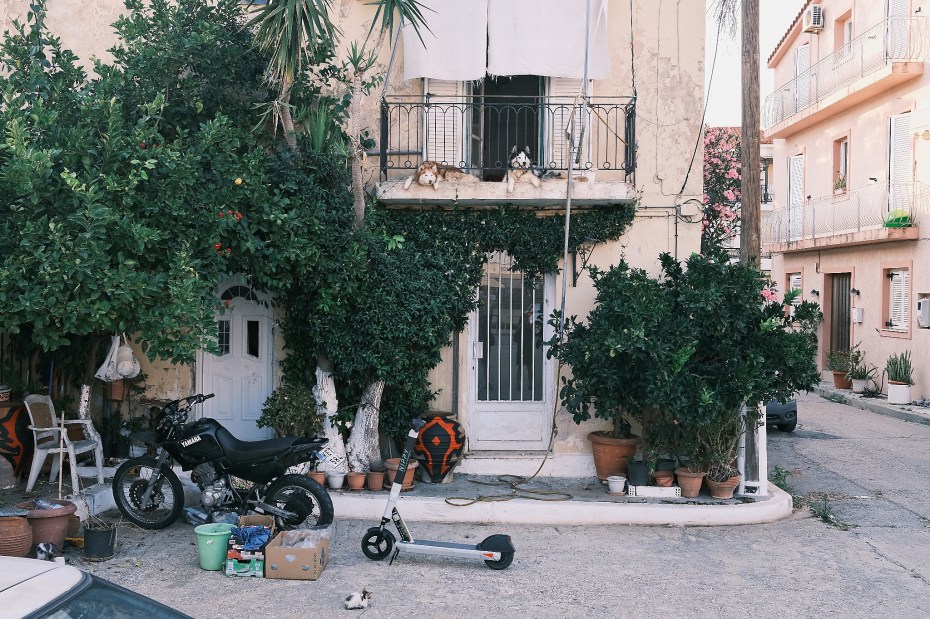
Times have changed. I’m on Kefalonia, the largest of the Ionian islands off Greece’s west coast. It has its share of sleepy villages, picture perfect beaches and the dazzling light of Greece’s azure skies, but these days it’s all about the business of tourism. Coastal towns have become service centers, focused on the summer crowds that arrive via a recently rebuilt international airport, various ferry terminals or the monstrous cruise ships that regularly set down anchor in the Argostoli harbor.
Greece, a country of ten and a half million people, hosts some thirty million visitors a year; nearly all end up on an island or two. The local tourism economy has it all: sun beds, rental cars, scooters, bikes and quad bikes, guided tours, tour buses, chartered boats, jet skis and inflatable amusements, ubiquitous souvenir stores, hair braiding, designer boutiques, designer bars, dj bars, sports bars, English menus, English breakfasts, English speaking staff, sprawling restaurant terraces – on squares, along streets, by the water. Seven days a week for half the year. Island living isn’t what it used to be, but if you find the right place at the right time and look at it the right way you can just about make out Henry Miller’s Greece.

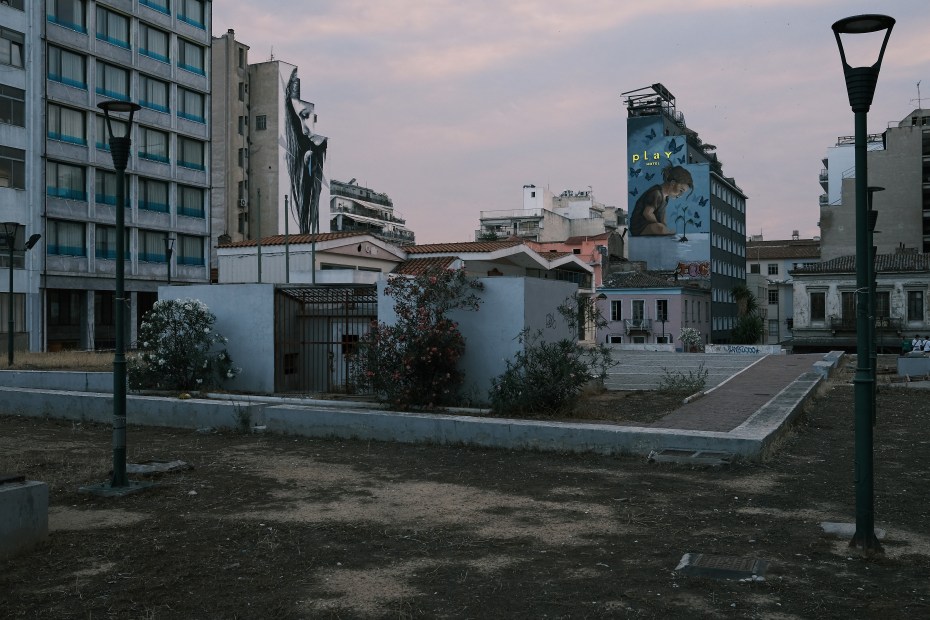
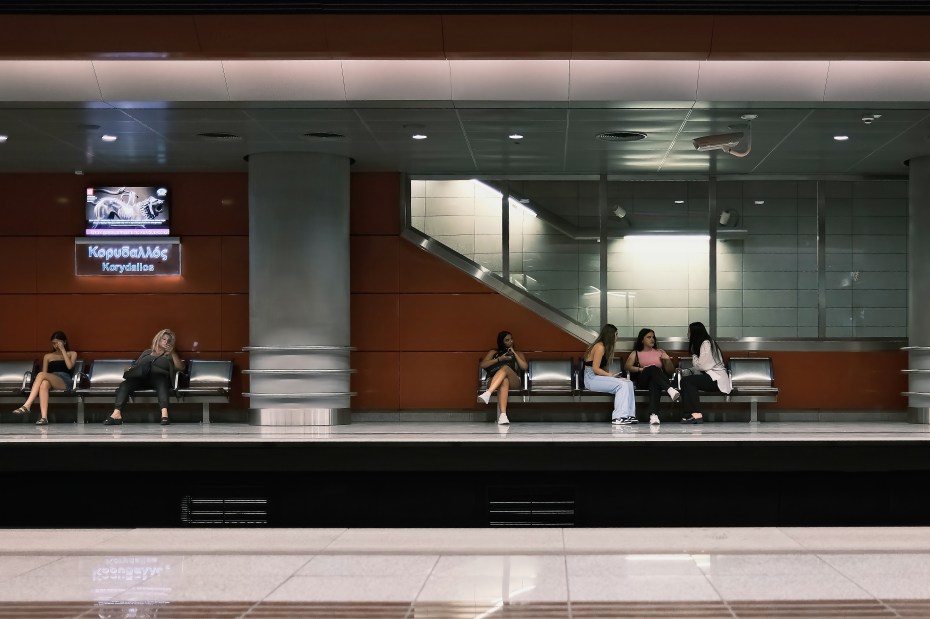
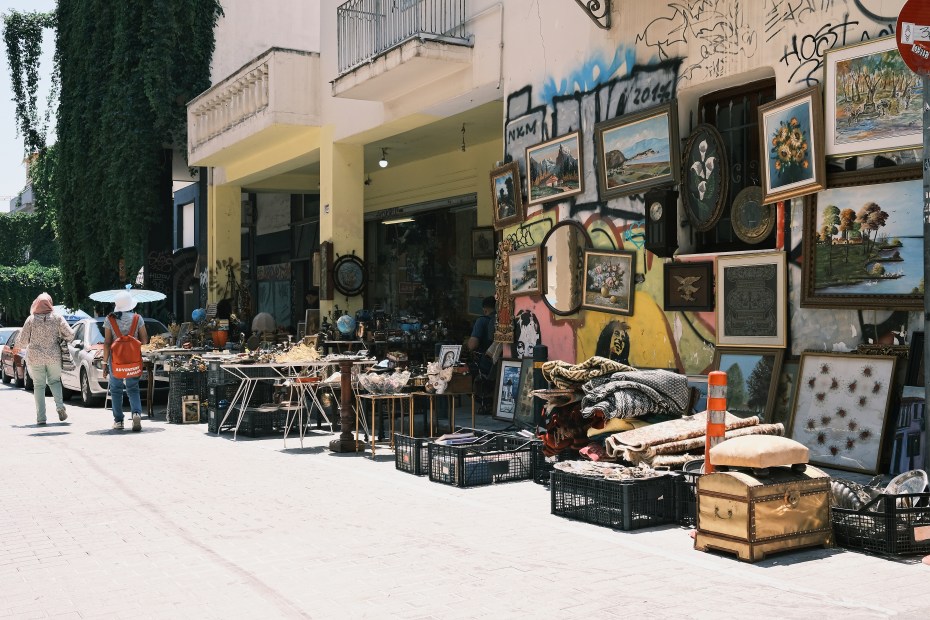
Athina in summer is a nocturnal creature, much like its cats. The heat of summer days is intense, dry with a searing sun, the traffic slow moving. Cats lie motionless in the shade while tourists and locals alike navigate the city in an energy conserving eco-mode.
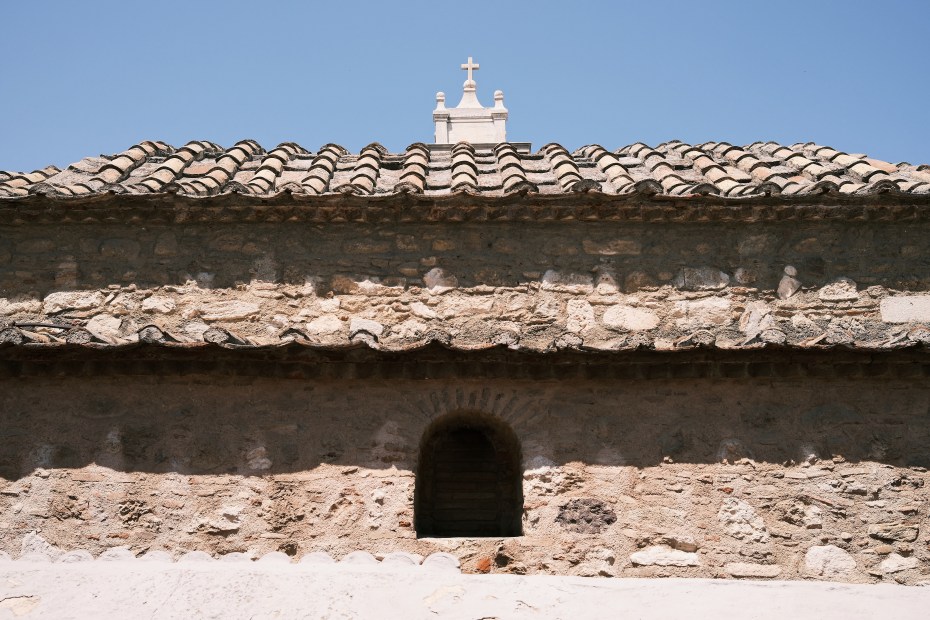
The city-state that gave birth to the concept of democracy and to western civilisation, later taking on many cultural mores of the east during the centuries it fell under the control of the Ottoman empire, has over the last few decades increasingly become a modern outward-looking western city, long part of the European Union, and plugged into current international cultural trends.
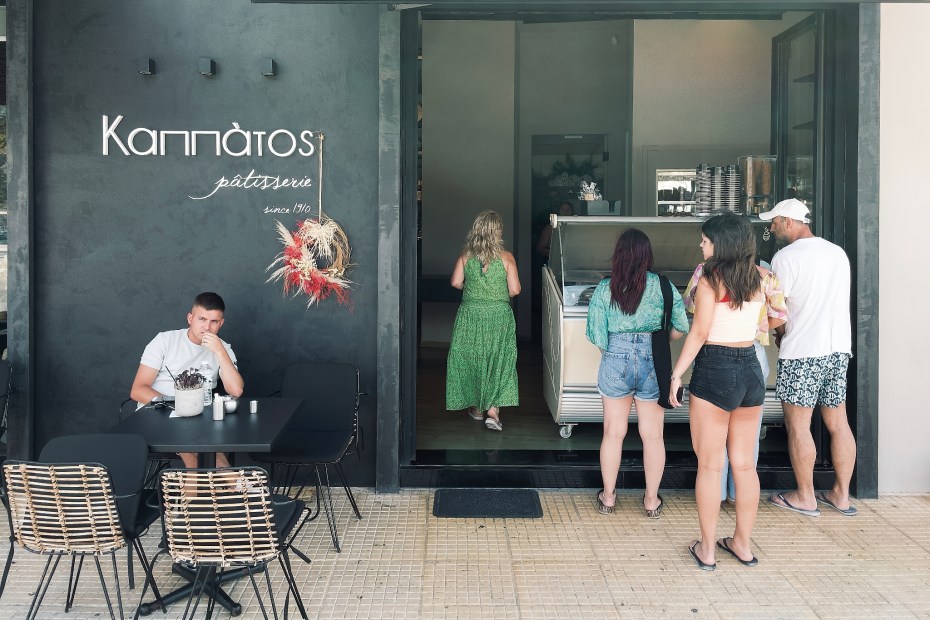
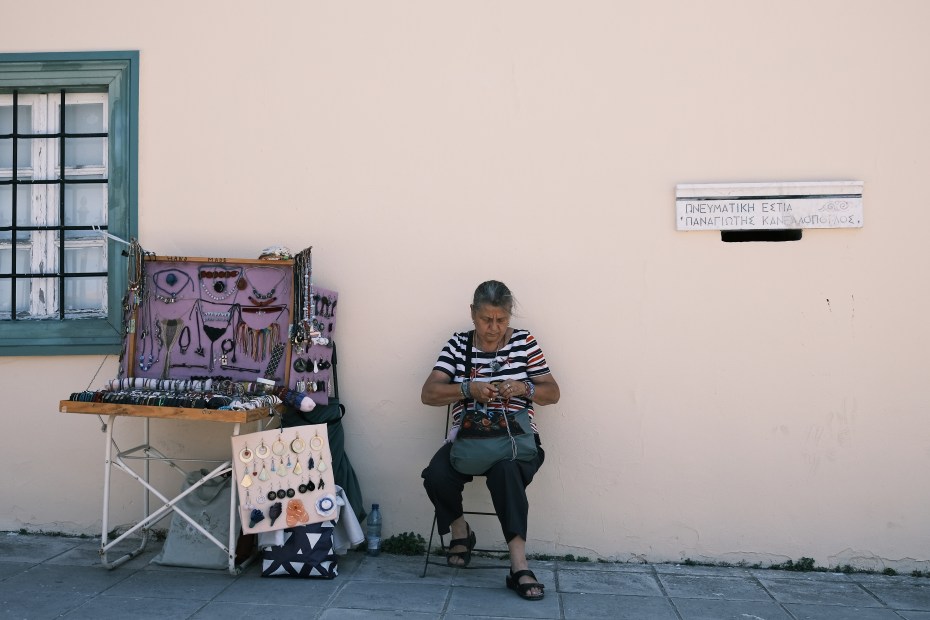
Nights are balmy. Cooling breezes temper the humidity. The city comes to life. Athenians live out on the streets, or more accurately on their squares — their plateias. Restaurants are many and are full. 9pm dinners. 10pm dinners. 11pm dinners. Bars sit among them pumping out bass-heavy beats. In tourist-focused neighborhoods musicians play traditional tunes on their guitars, bouzoukia and clarinets — in bars and tavernas or busking on the streets. Gelaterie draw late night crowds. Cats, looking for a meal, saunter and weave through it all.
























 basili mobile images