Postcard from Napoli

NAPOLI-202306-00102-ON

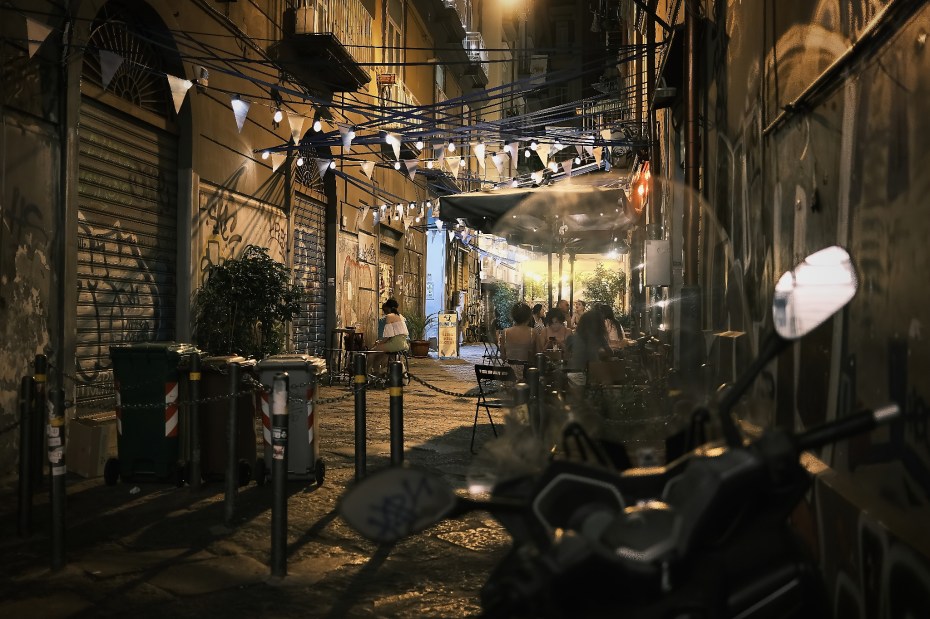
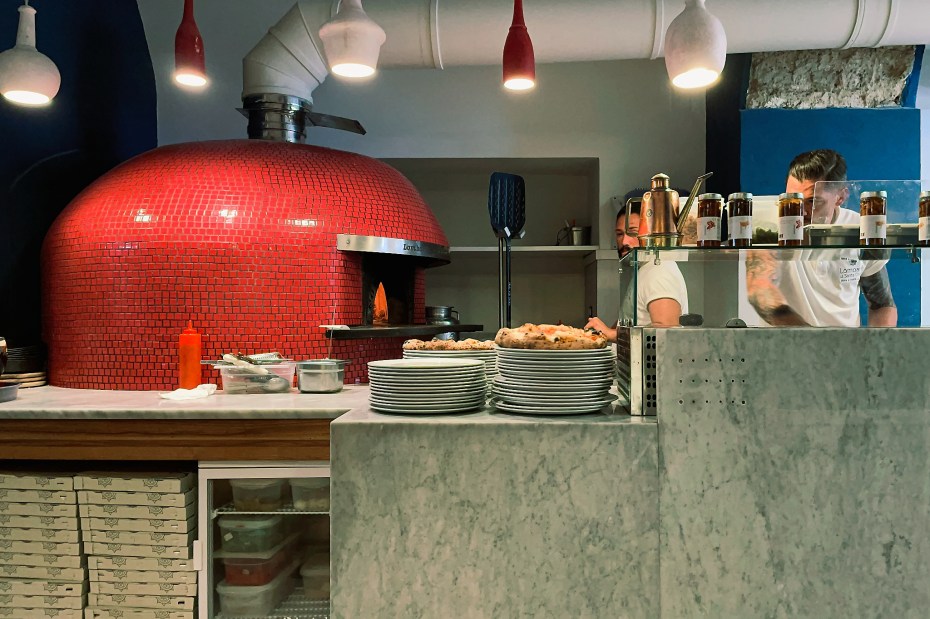
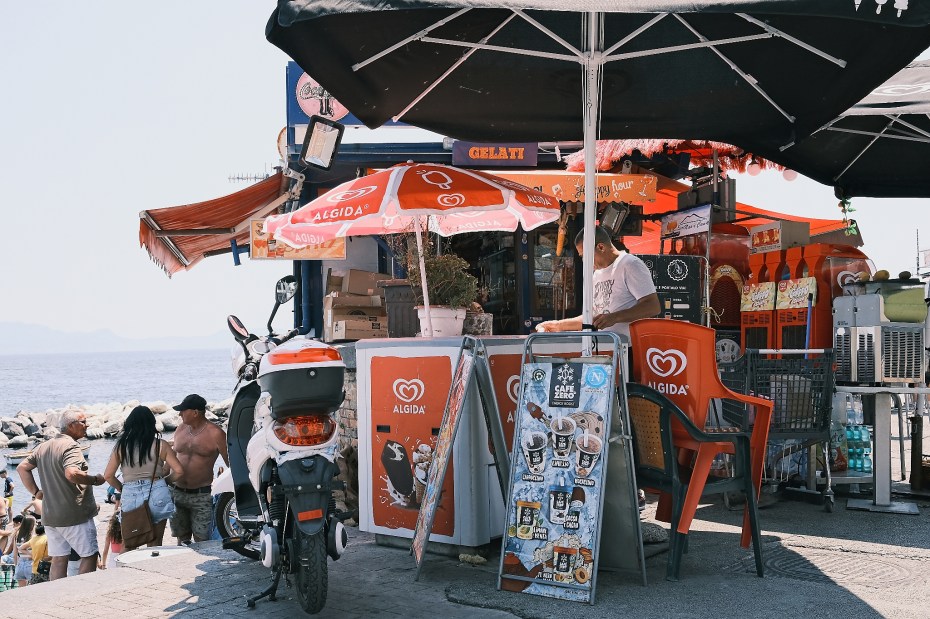
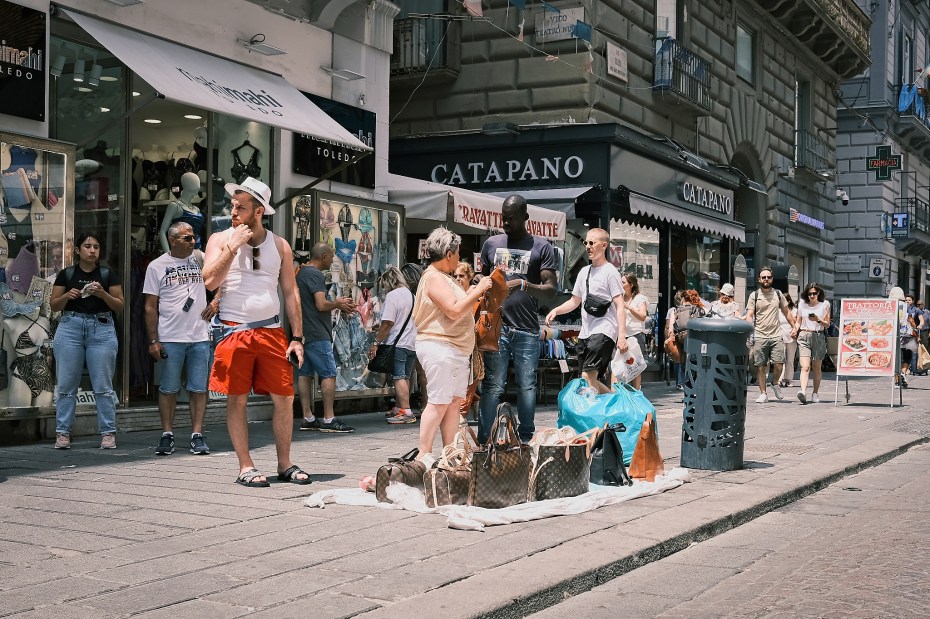
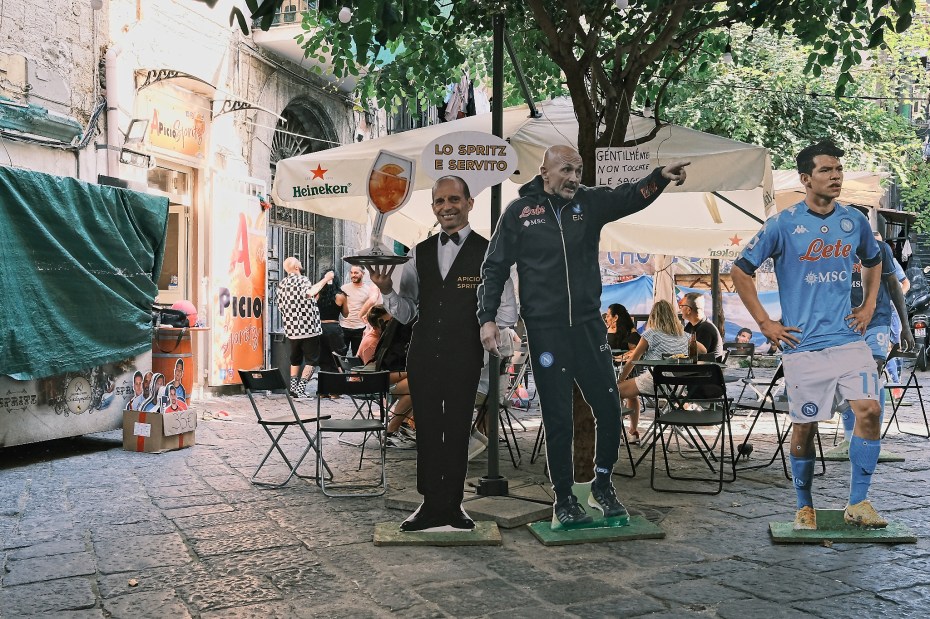
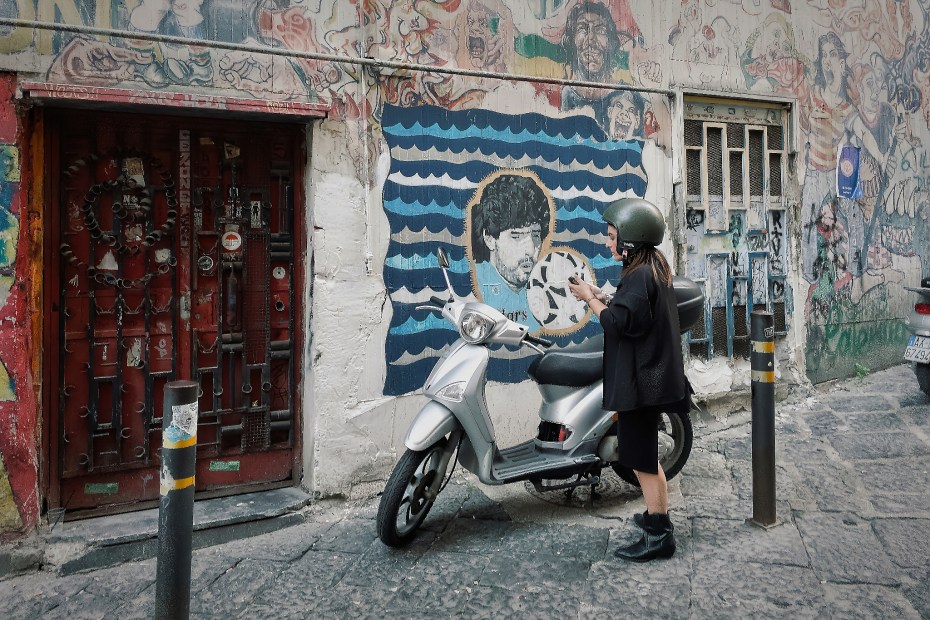
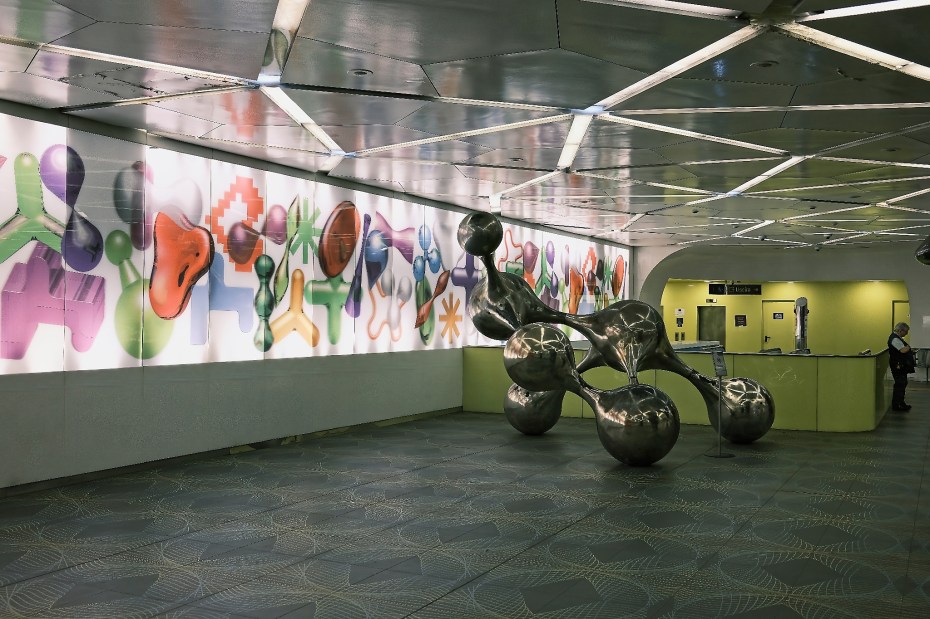
Napoli may lack the grandeur of Roma or the style of Milano but Italy’s third largest city has its own seductive character – lively, passionate, earthy. This ancient southern capital is flanked by hills to the east and the Bay of Napoli to the west. Its streets bring to life the imagined sterotypical traffic chaos of Italy with cars and scooters veering in all directions, dodging pedestrians, honking horns, conversing with passengers, passers-by, or people on the phone, parking just about anywhere there is space. Piazzas flow into alleys; bars and restaurants spill onto sidewalks; handicraft stalls line streets in the old town and illegal vendors lay out their counterfeit wares on the high streets. Graffiti defaces just about every surface on the inner-city streets and garbage sits piled up around public bins. The city’s historic sites are modest by Italian standards yet beauty can be found: along the seaside, particularly in the leafy Posillipo region to the north of the city; inside the city’s churches and museums; and surprisingly in its metro stations, justifiably advertised as among the most beautiful in the world. Then there’s the beauty of the city’s cuisine, which is up there with the best of them. For the Napolitani, perhaps most beautiful of all is the local football club, SSC Napoli, winning this year’s Seria A football championship after a wait of thirty-three years. Months later, the city still seems to be celebrating, with streets and balconies everywhere adorned with flags and ribbons in the team’s colors, and the city’s adopted son, Diego Maradona, who led the Napoli team to their first two Serie A wins, is in iconography everywhere from street art and souvenir trinkets to the stadium named in his honor.
  • NAPOLI-202306-00004-ON
  • NAPOLI-202306-00082-ON
  • NAPOLI-202306-00086-ON
  • NAPOLI-PH-202306-00006-ON
  • NAPOLI-202306-00035-ON
  • NAPOLI-202306-00031-ON
  • NAPOLI-202306-00045-ON
  • NAPOLI-202306-00071-ON
  • NAPOLI-202306-00063-ON
  • NAPOLI-PH-202306-00004-ON

Postcard from Roma

ROMA-202306-00067-ON

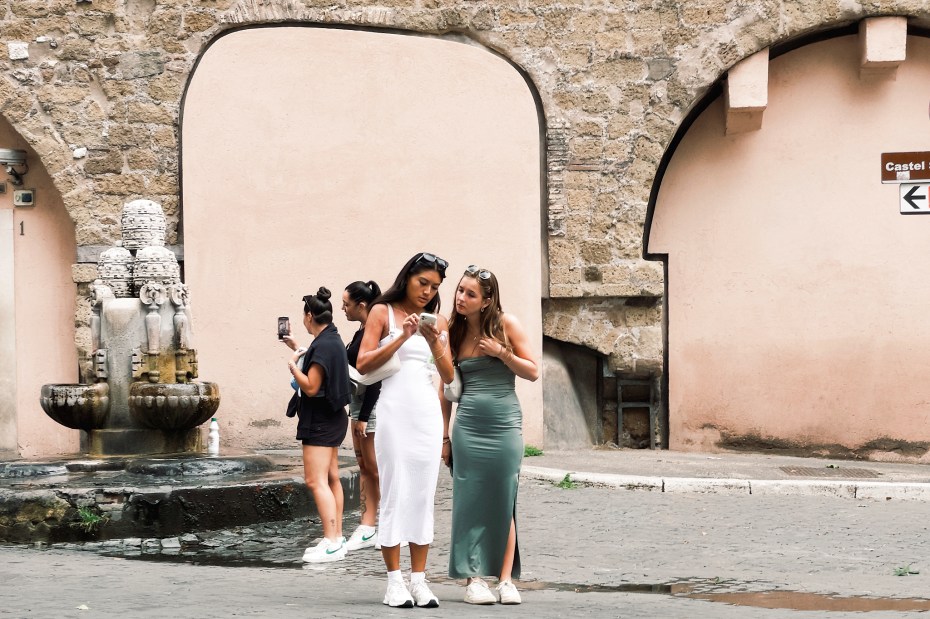
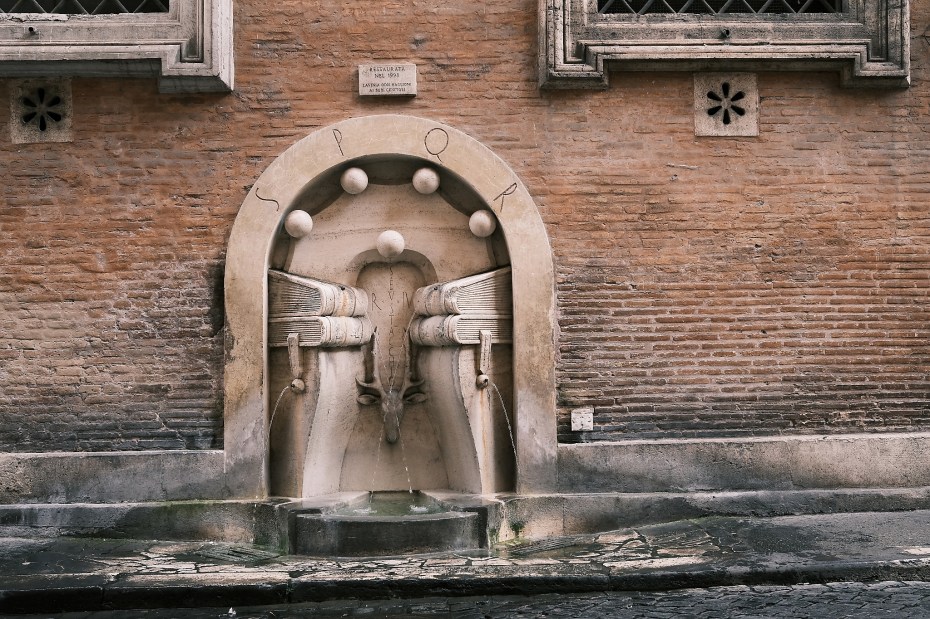
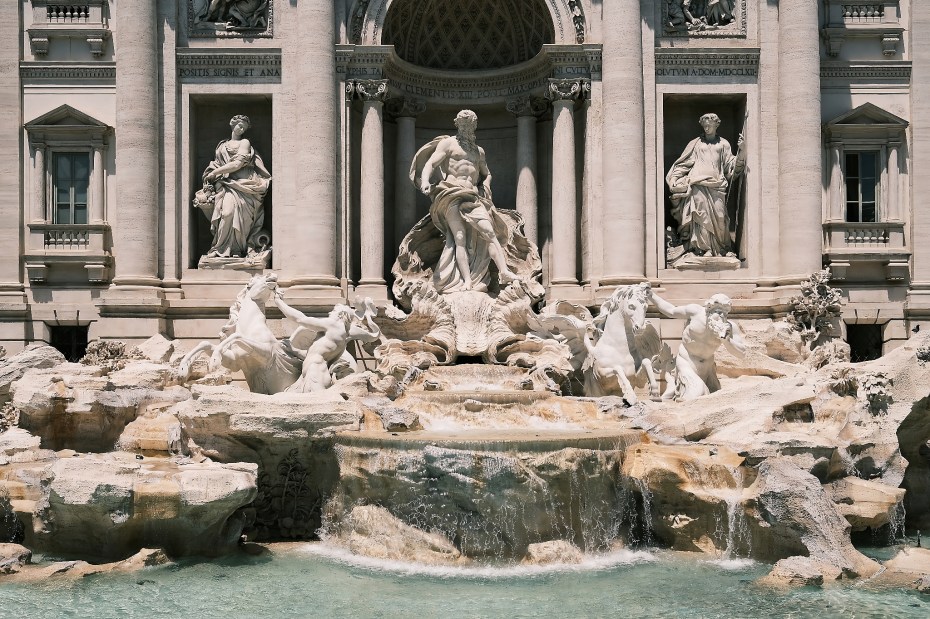
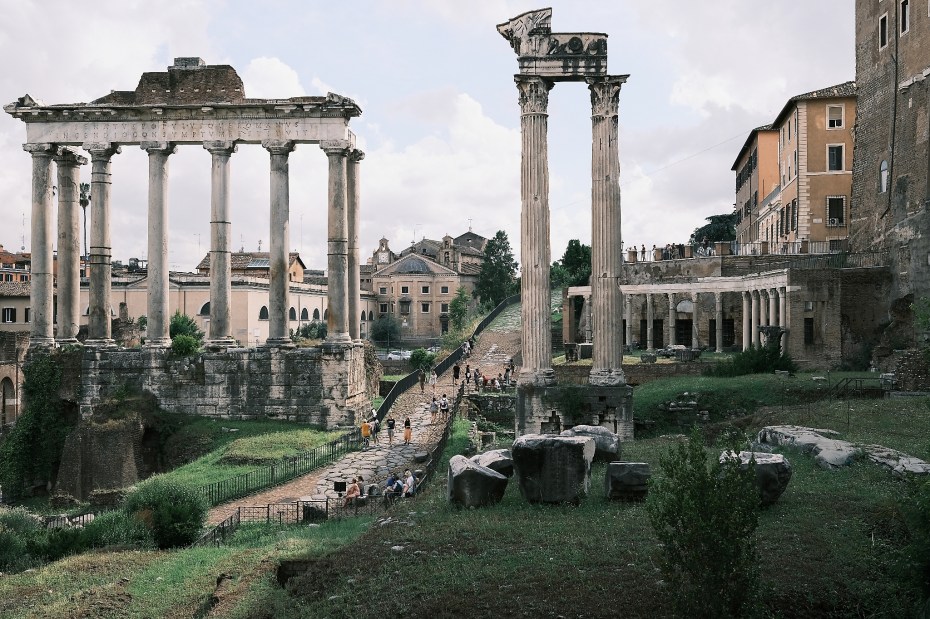
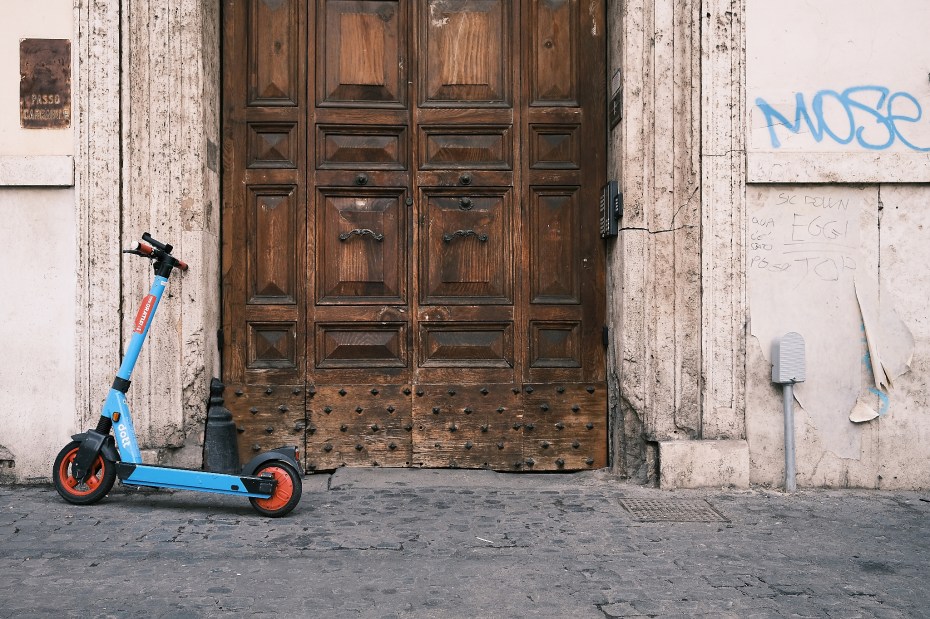
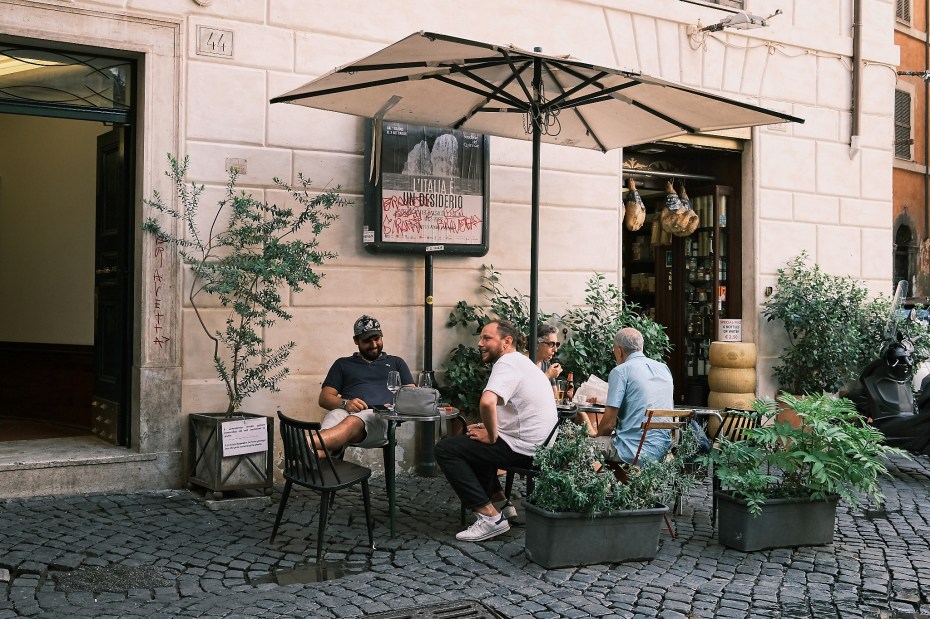
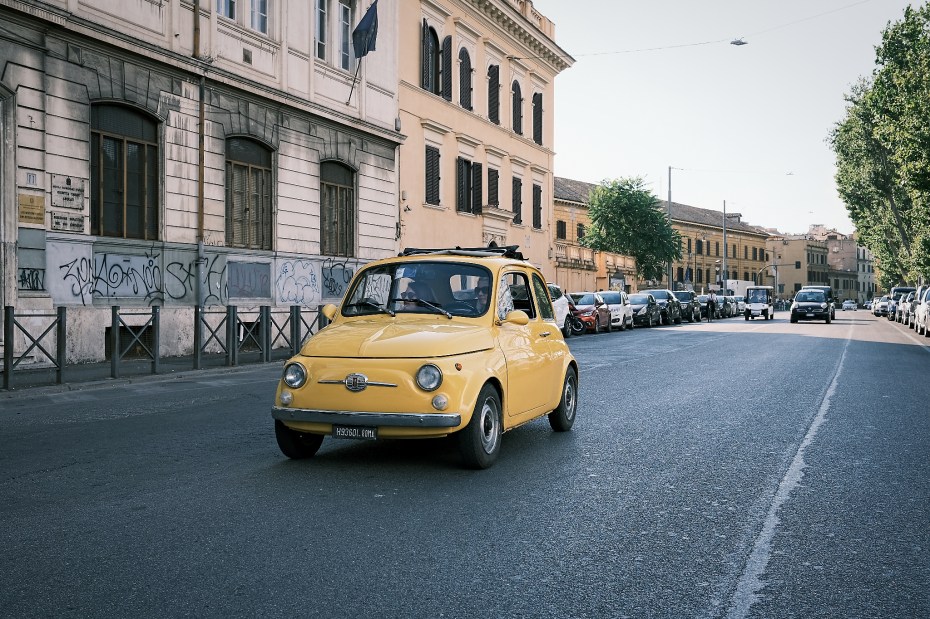
Roma, the eternal city, a heady cocktail of classical Roman, Renaissance, Baroque, Neoclassical, Catholic and Fascist aesthetics – from the Colosseum to the Palazzo della Farnesina. Roma, the glamorous city of la dolce vita, mythologised in the Twentieth Century movies of Hollywood and Cinecitta studios. Roma, the country’s capital city, straddling the Tiber river in central Italy, where round every corner you encounter a monumental piece of history: a gateway arch, a fountain, a statue, an obelisk, a bridge, a temple, a cathedral, a castello, a civic building, or a pallazo. Roma, the gastronomic paradise, whose every piazza is lined with all manner of establishments serving food, drink, gelati, pastries and coffee. Roma, the quintessentially Italian city: cultured, stylish, dynamic, theatrical, gregarious.
  • ROMA-PH-202306-00006
  • ROMA-202306-00145-ON
  • ROMA-202306-00041-ON
  • ROMA-202306-00073-ON
  • ROMA-202306-00057-ON
  • ROMA-202306-00149-ON
  • ROMA-PH-202306-00008
  • ROMA-202306-00064-ON
  • ROMA-202306-00146-ON
  • ROMA-202306-00012-ON

Postcard from Firenze

FIRENZE-202306-00098-ON

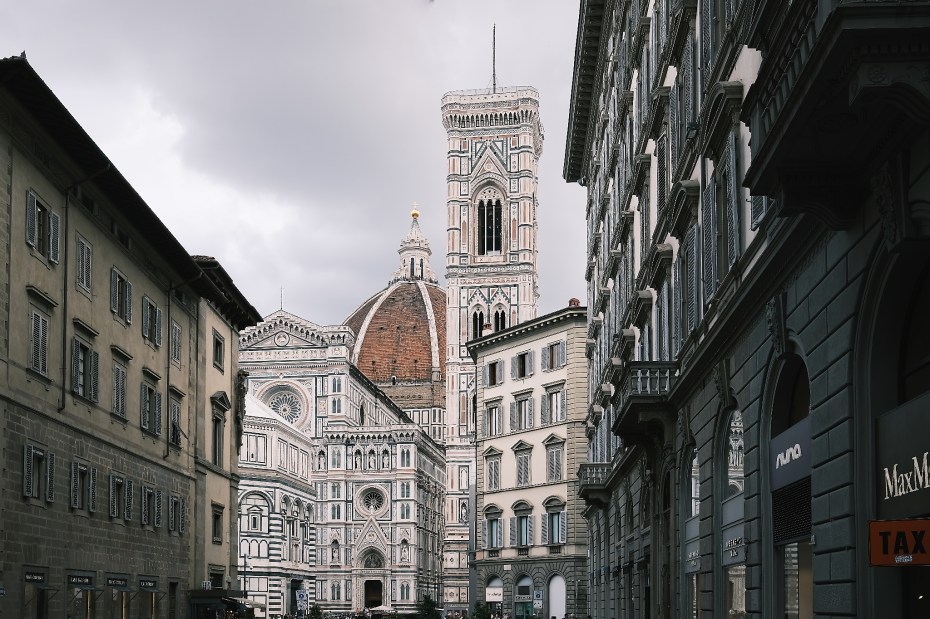
Firenze, capital of Italy’s famous Tuscan region, “cradle of the Renaissance” in the 15th and 16th Centuries, and even today, with its impressive architecture and public art, its museums and galleries, remains a cultural goldmine that attracts millions of visitors. Not quite the theme park that is Venezia, Firenze is still very much a tourist town and the crowds are a necessary price of admission to its treasures: from masterworks by local artists Michelangelo, Botticelli and Leonardo da Vinci to the cathedral of Santa Maria del Fiore (the Duomo of Firenze), Palazzo Pitti and the Palazzo Vecchio, indeed the entire historical center of the city, which is a UNESCO World Heritage Site. And for those less culturally inclined there is the usual array of luxury brand stores, the tiny jewelry shops lining the Ponte Vecchio and the dozens of stalls around town selling budget leather goods and typical kitsch souvenirs.

  • FIRENZE-202306-00057-ON
  • FIRENZE-202306-00018-ON
  • FIRENZE-202306-00102-ON
  • FIRENZE-202306-00022-ON
  • FIRENZE-202306-00024-ON
  • FIRENZE-202306-00033-ON
  • FIRENZE-202306-00041-ON
  • FIRENZE-202306-00094-ON
  • FIRENZE-202306-00042-ON
  • FIRENZE-202306-00106

Postcard from Bologna

BOLOGNA-202306-00047-ON

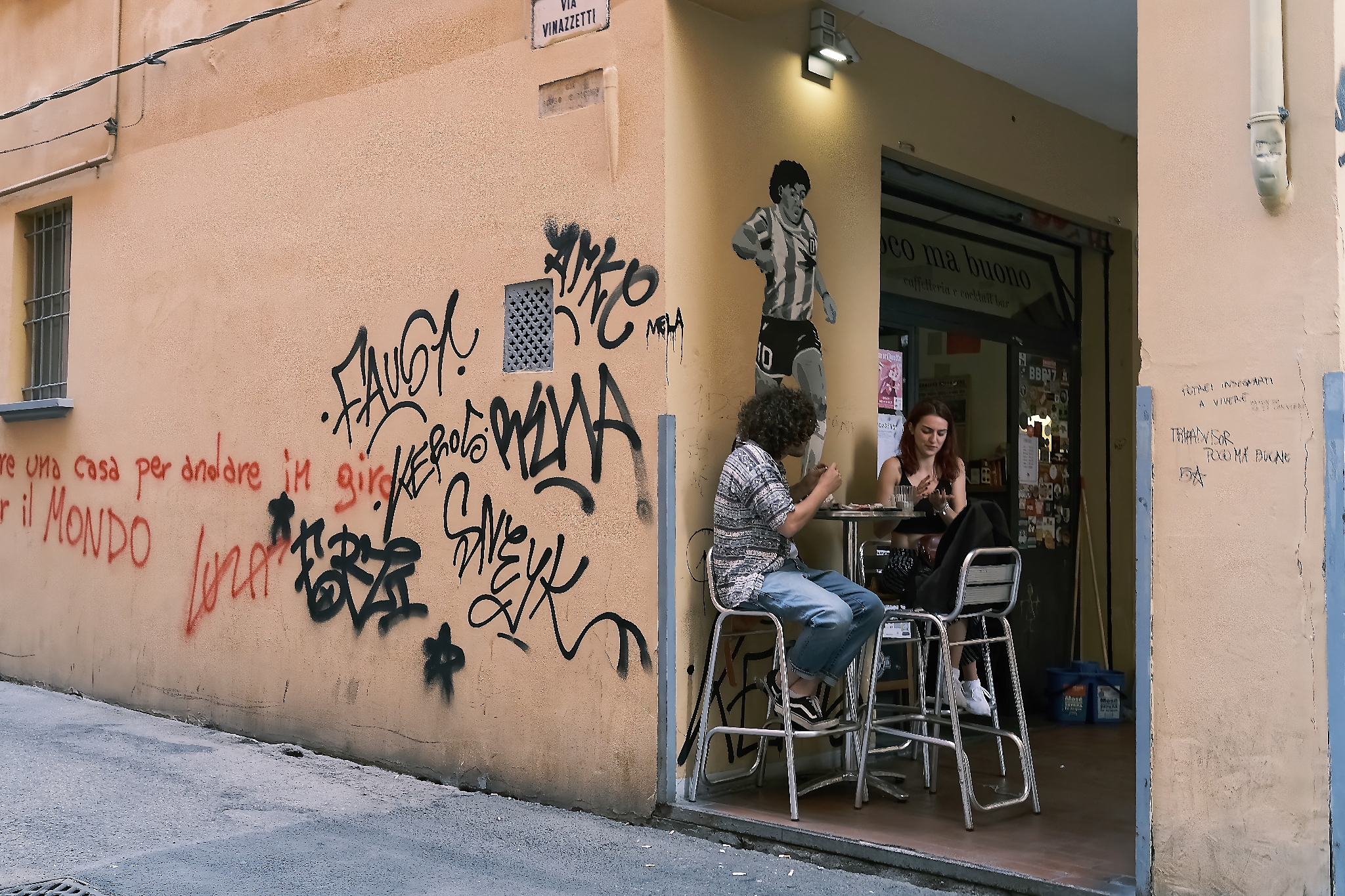
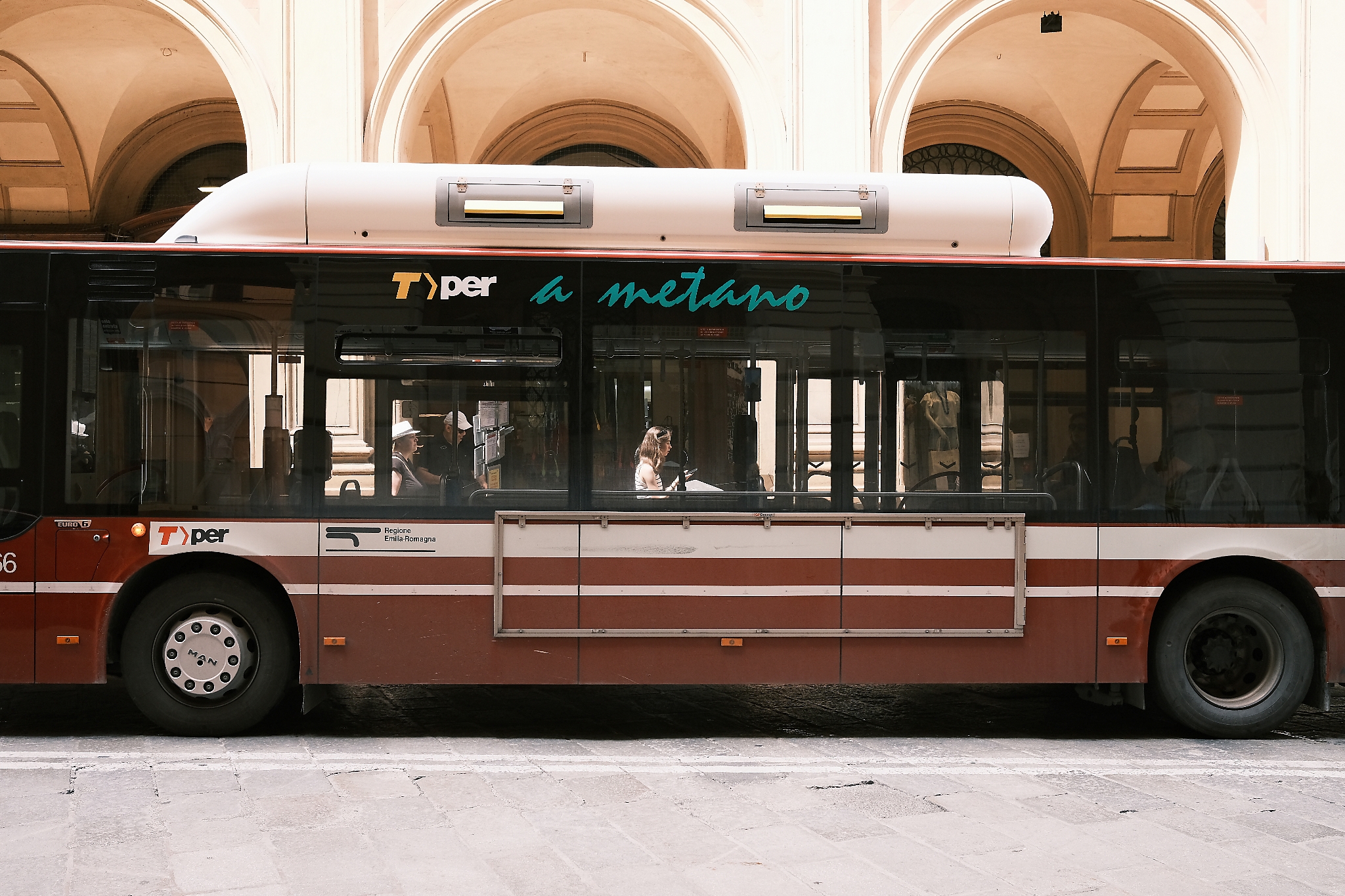
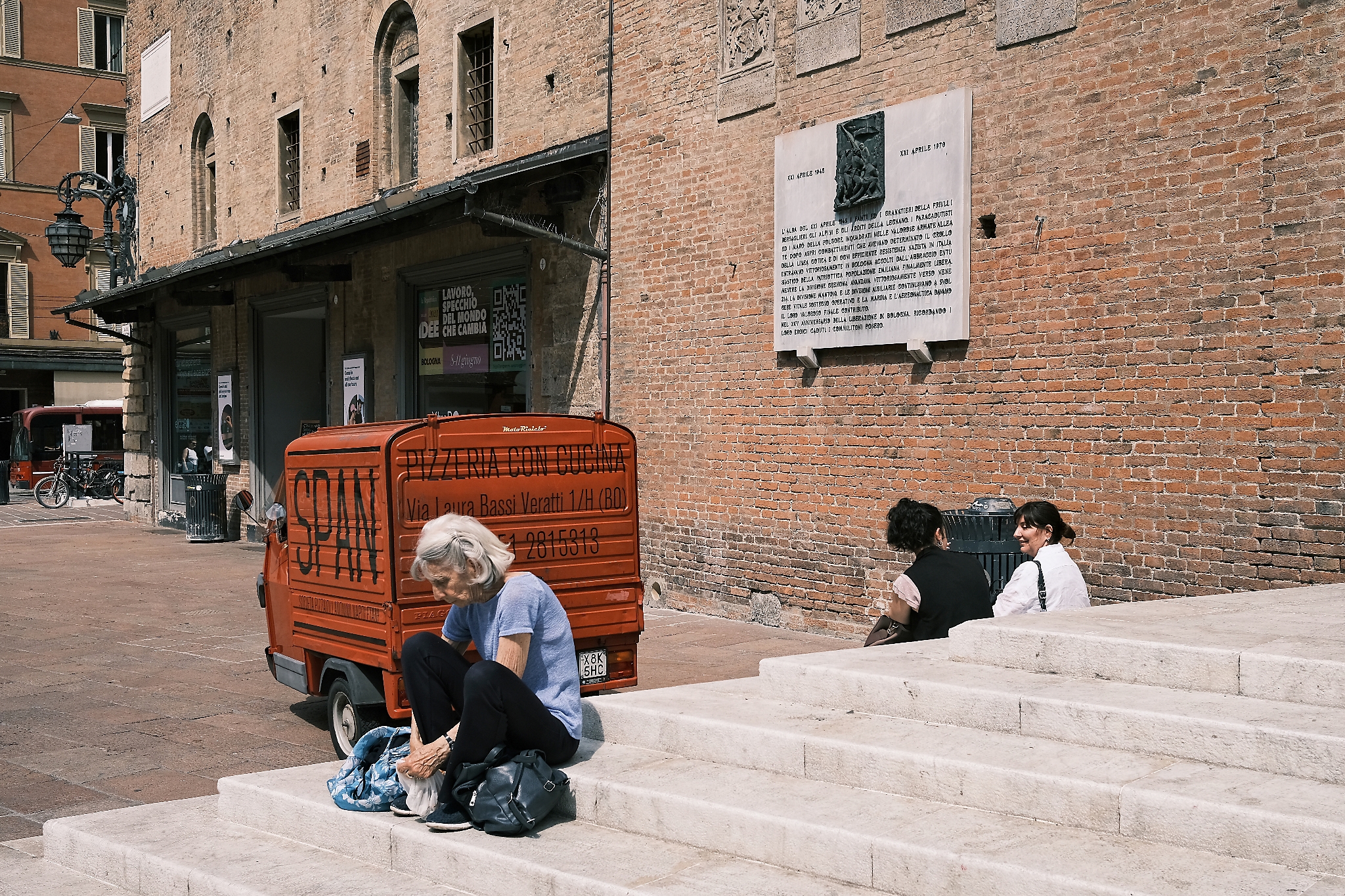
Bologna. Famously known as La Grassa (the fat), center of Italian delicacies like delicious mortadella, parmigiano reggiano cheese and the eponymous pasta dish locals call tagliatelle al ragù; La Dotta (the learned), home to the world’s oldest functioning university, dating back to 1088, and its students through the centuries; and La Rossa (the red), for the hues of its historic city center and its historical political proclivities. This neat compact city sits between Venezia to the north and Firenze to the south. Its historical center – parts of which date back to medieval times – is characterized by its many vaulted colonnades, a youthful student population and a welcome respite from tourist crowds. It may lack Venezia’s magic and the cultural treasures of Firenze, but it has its own charms and is a perfect place to practice the Italian art of dolce far niente.

  • BOLOGNA-202306-00097-ON
  • BOLOGNA-202306-00103-ON
  • BOLOGNA-202306-00117-ON
  • BOLOGNA-202306-00135_DxO-ON
  • BOLOGNA-202306-00057-ON
  • BOLOGNA-202306-00125-ON
  • BOLOGNA-202306-00075-ON
  • BOLOGNA-202306-00105-ON
  • BOLOGNA-202306-00121-ON

Postcard from Milano

MILANO-202305-00035-ON

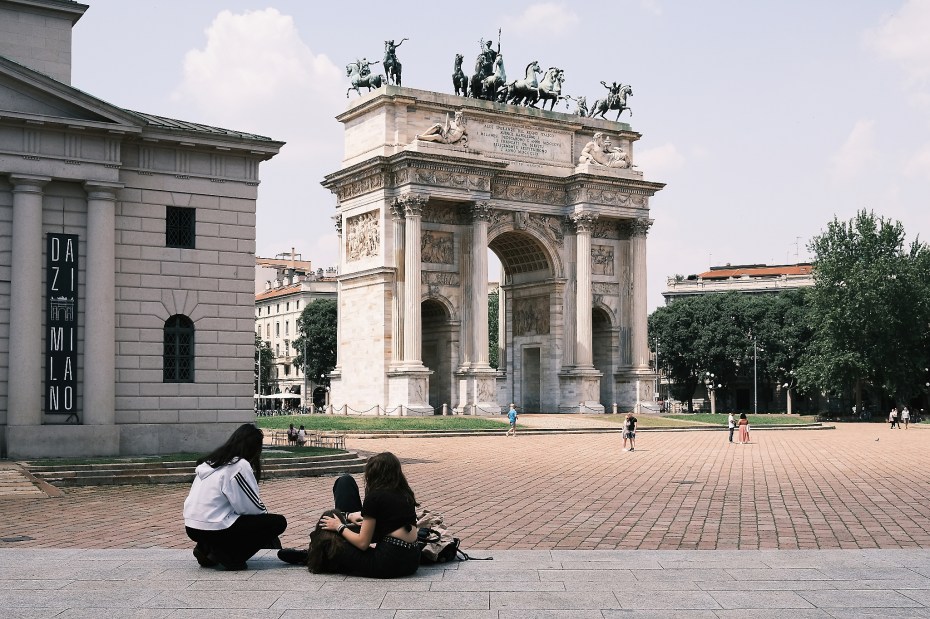
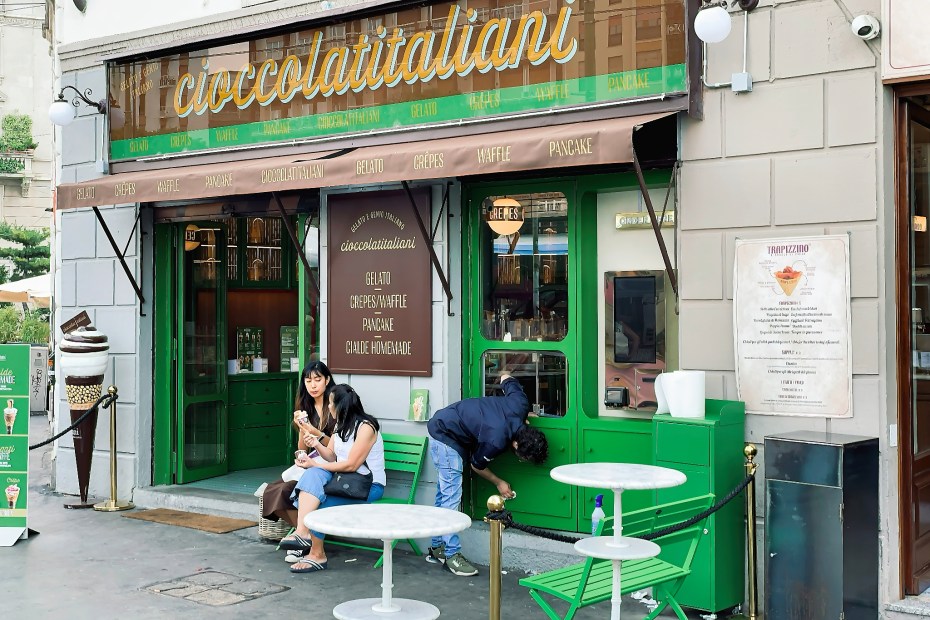
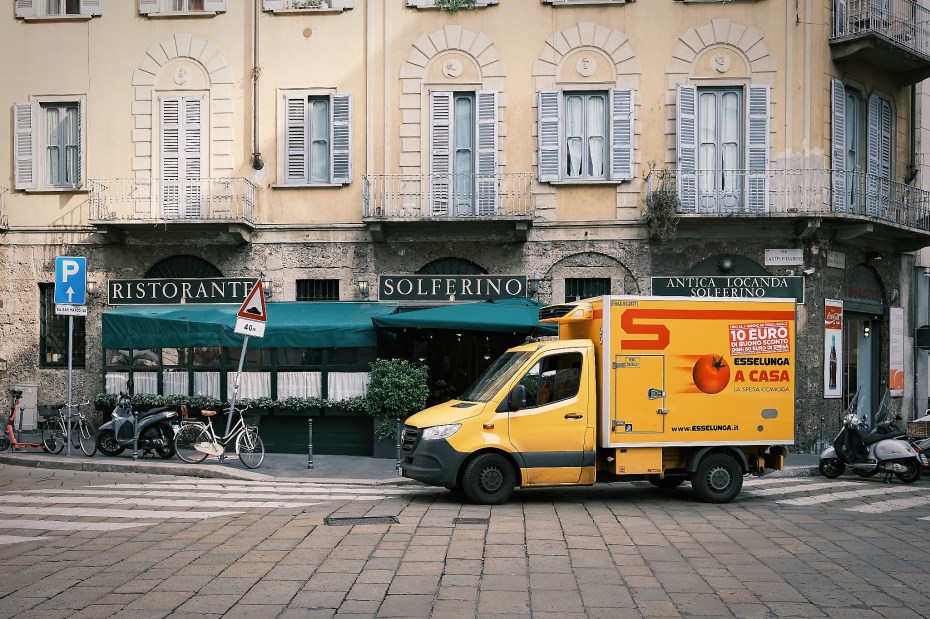
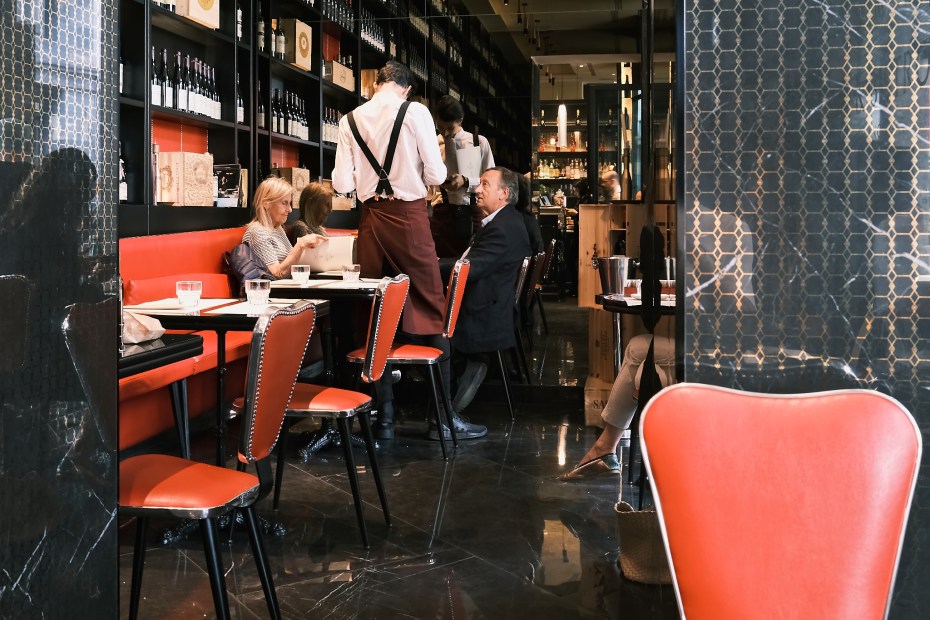
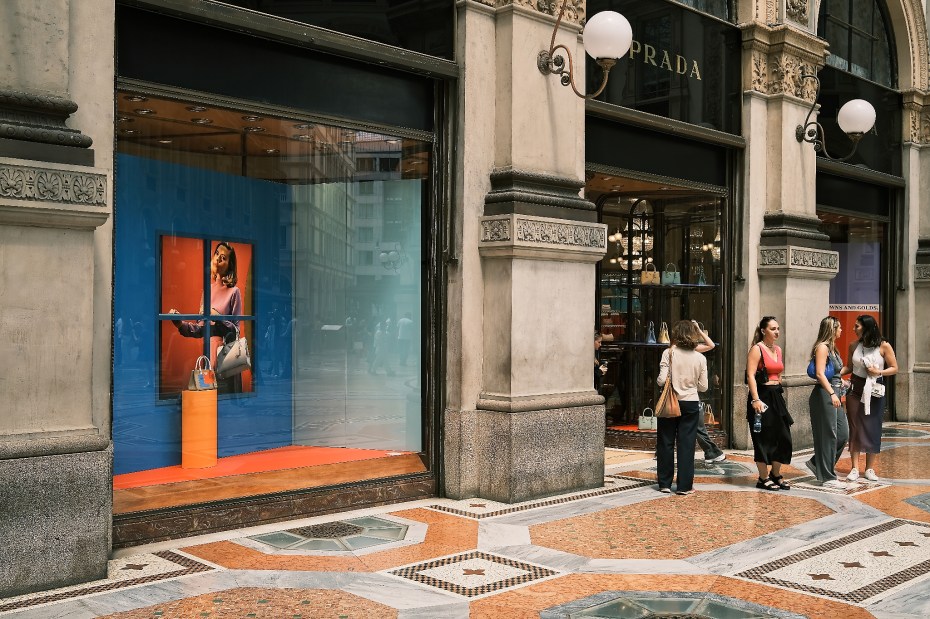
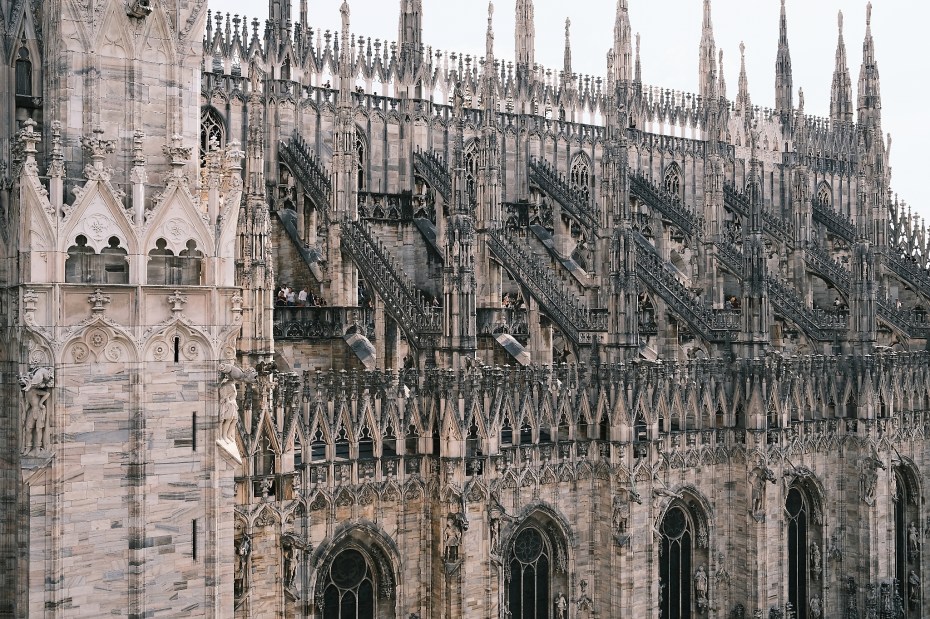
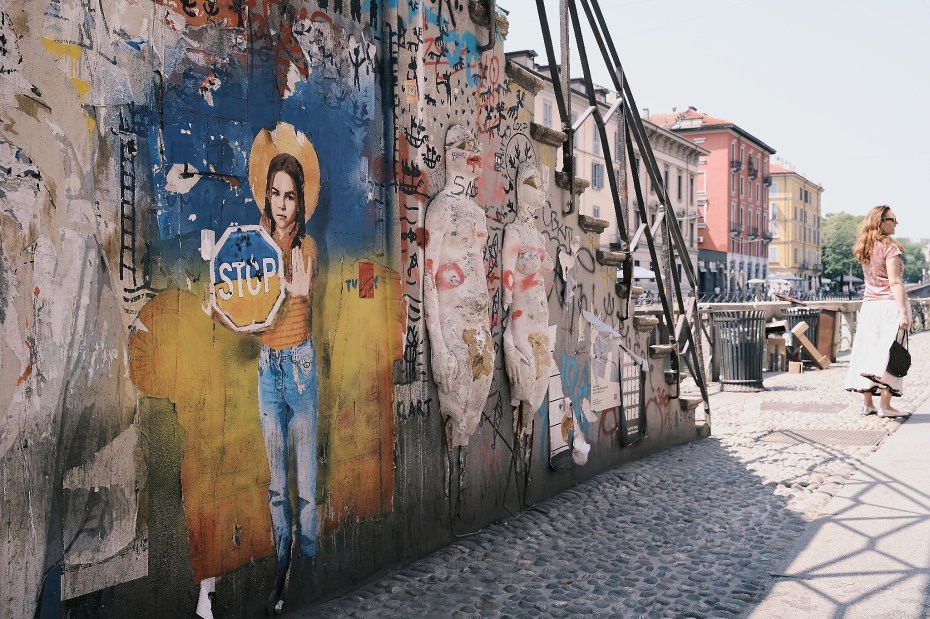
Milano: Italy’s northern city is a powerhouse; the country’s richest city is its center of design, finance, fashion and media, home to the headquarters of globally recognized names like Cassina and Pirelli, Armani and Prada, Domus and the Corriere della Sera. The historic landmarks dotted throughout the city’s center are awe-inspiring, from the imposing central train station to the Duomo cathedral that was five hundred years in the making. Contemporary Milano is equally obsessed with quality and detail, from the four levels of gastronomic goodness in Eataly, a mecca for Italian cuisine, to the stunning boutiques that line the avenues of the Galleria and sit along Via Montenapoleone and its surrounding streets, and the countless bars, cafes, pasticcerie and gelaterie that decorate the city’s streets.

  • MILANO-PH-202305-00004
  • MILANO-202306-00088-ON
  • MILANO-PH-202306-00013-ON
  • MILANO-202305-00012-ON
  • MILANO-202306-00094-ON
  • MILANO-202305-00062-ON
  • MILANO-202305-00050-ON
  • MILANO-202305-00028-ON
  • MILANO-202305-00072-ON
  • MILANO-202306-00100-ON

Postcard from Frankfurt

FRANKFURT-202305-00023-ON

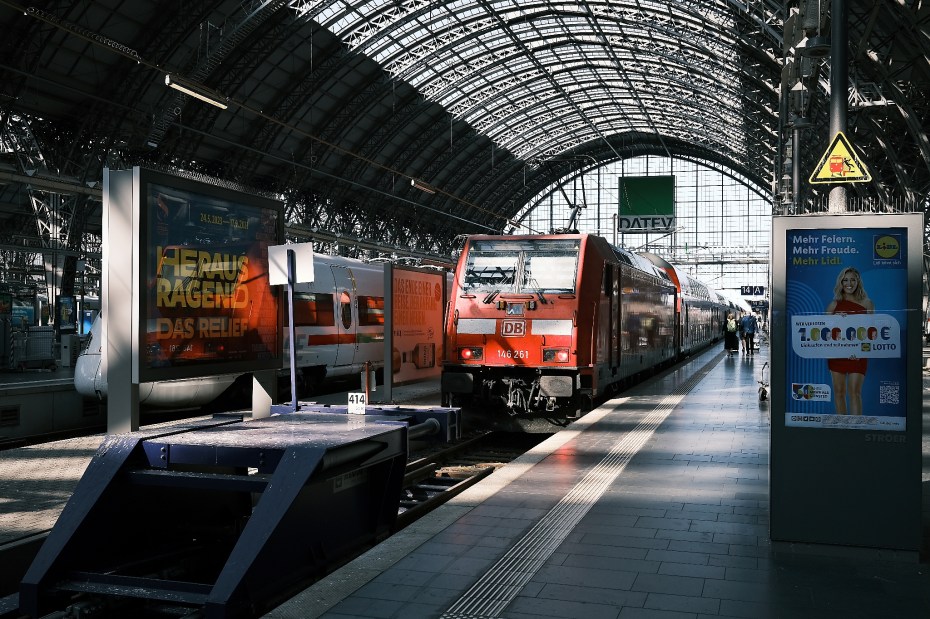
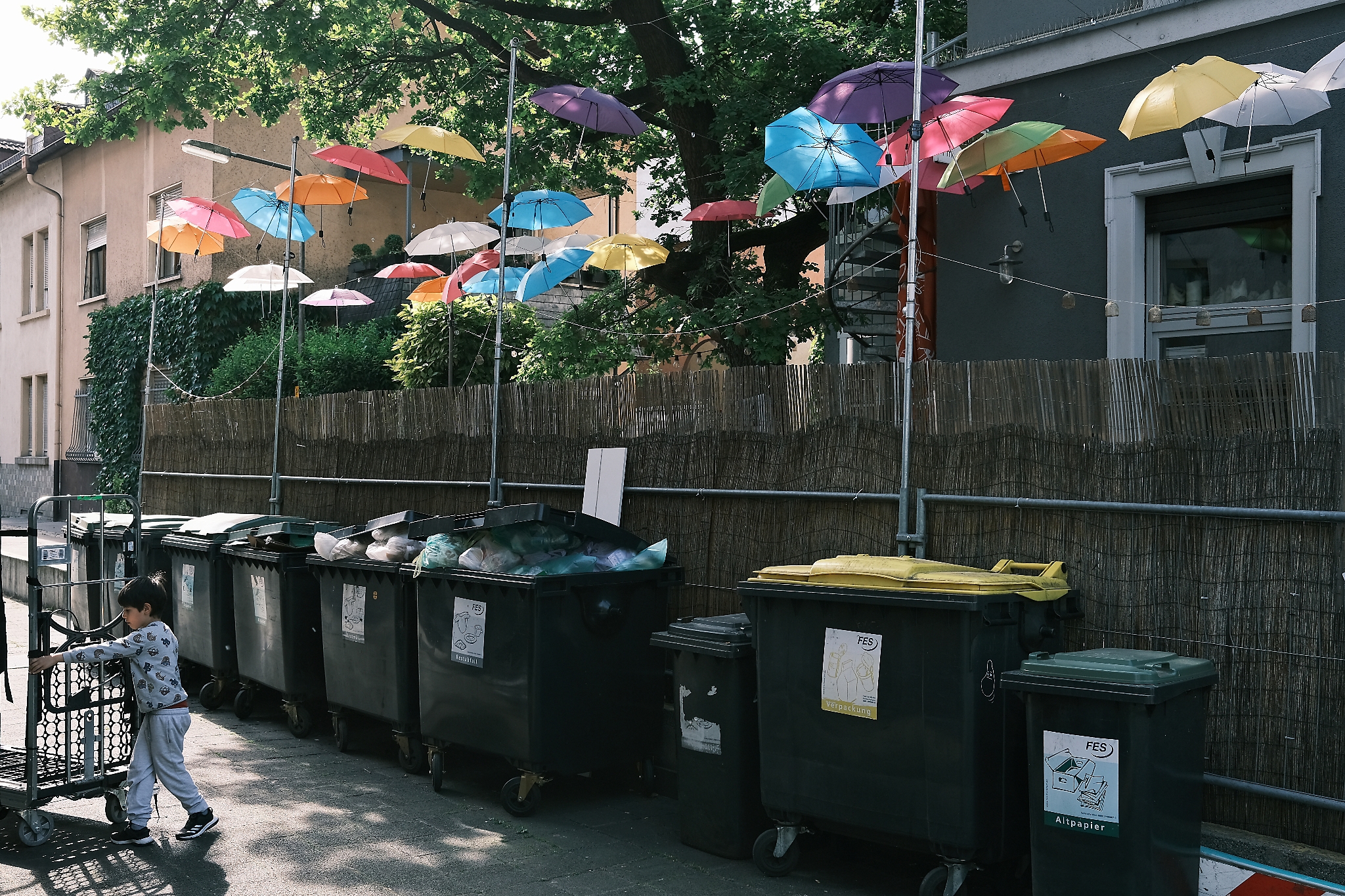
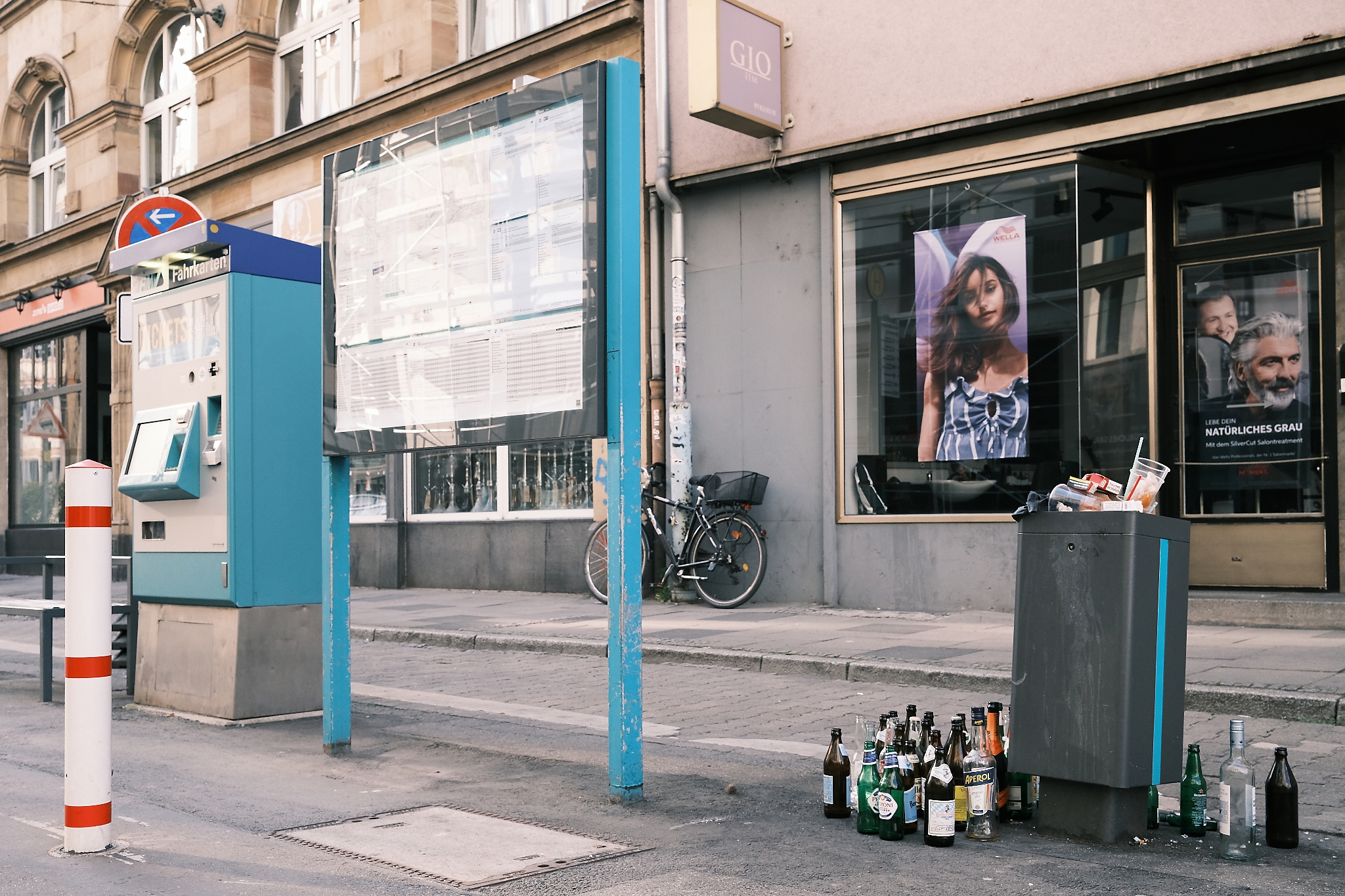
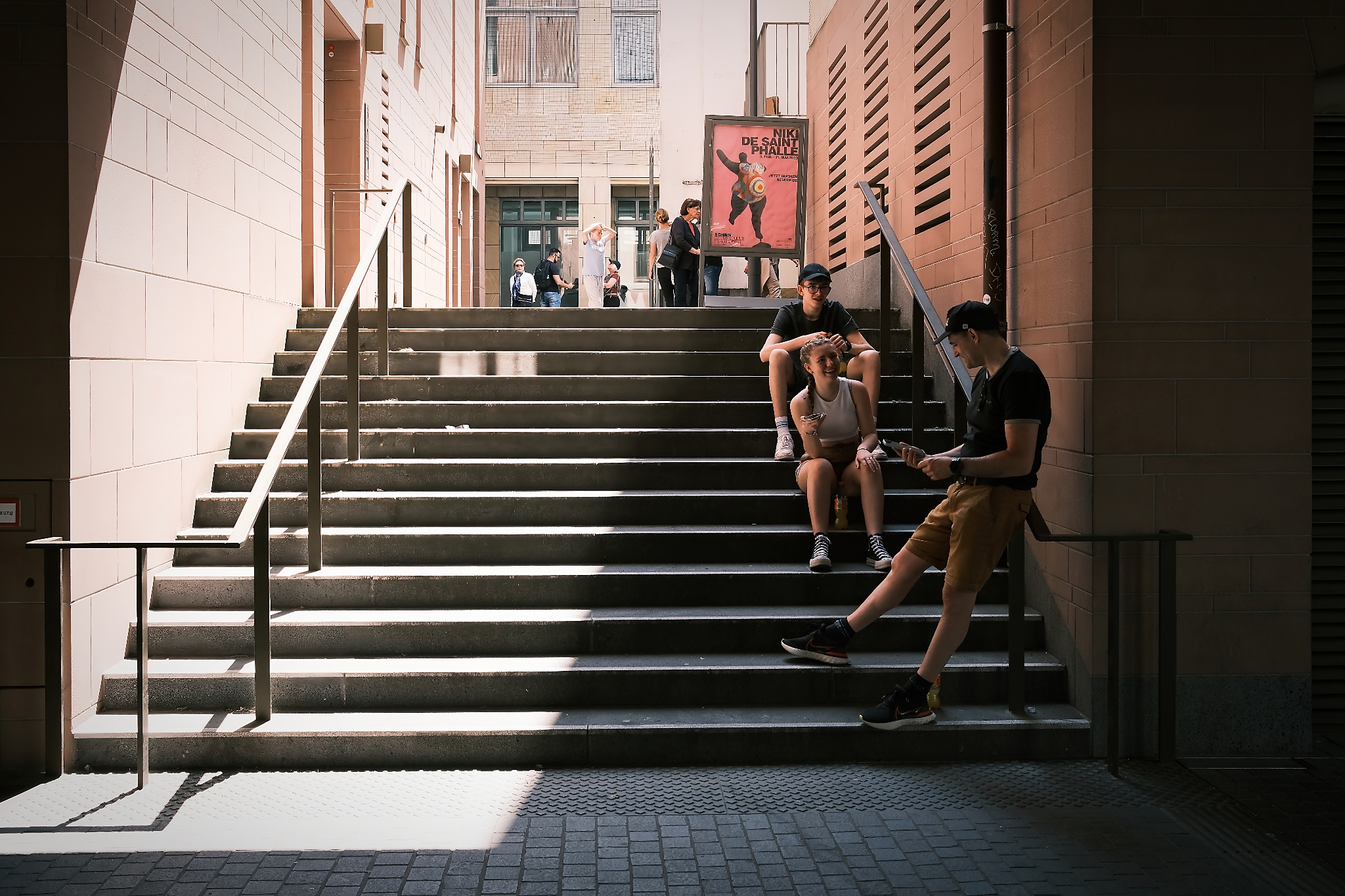
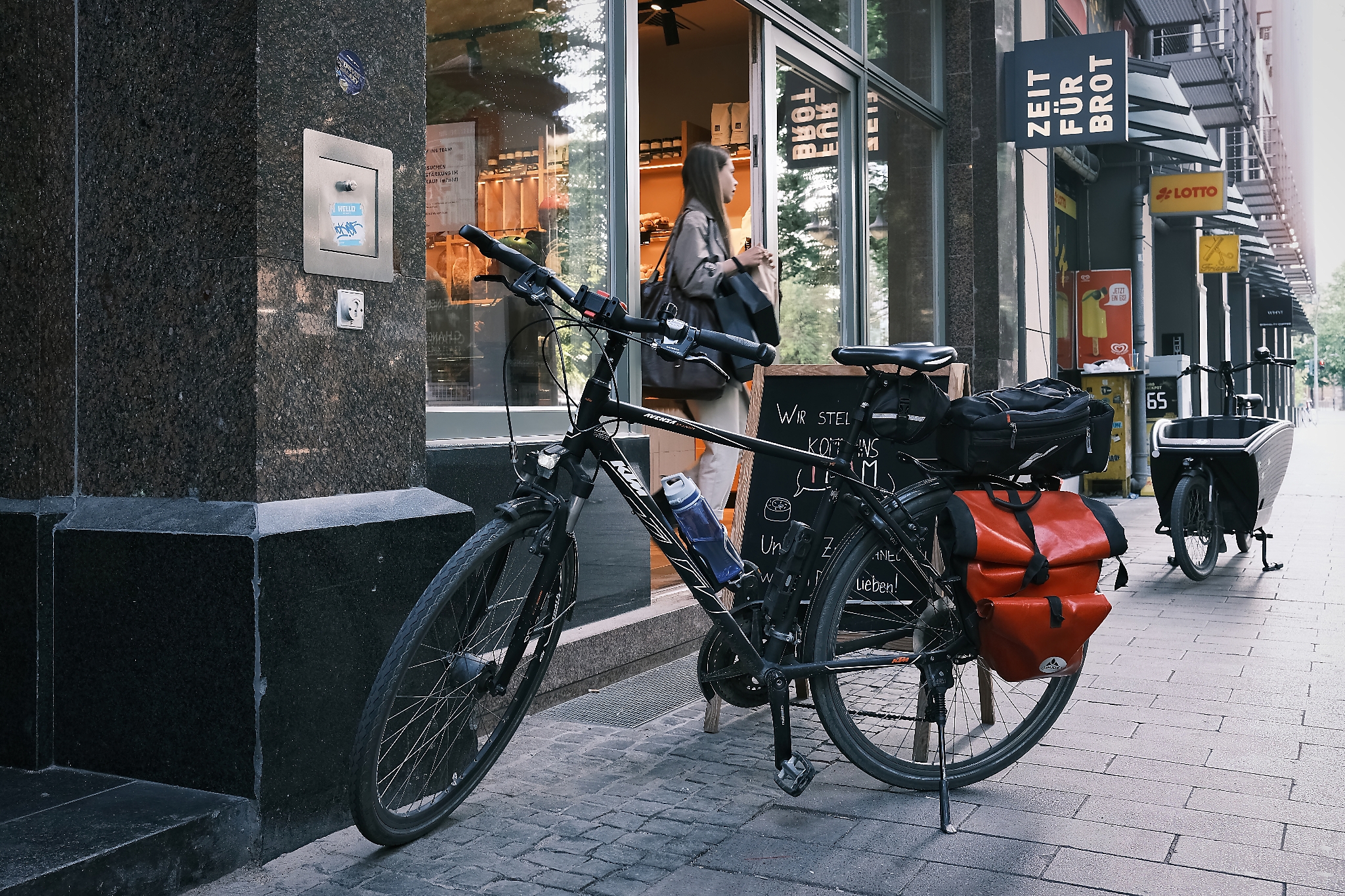
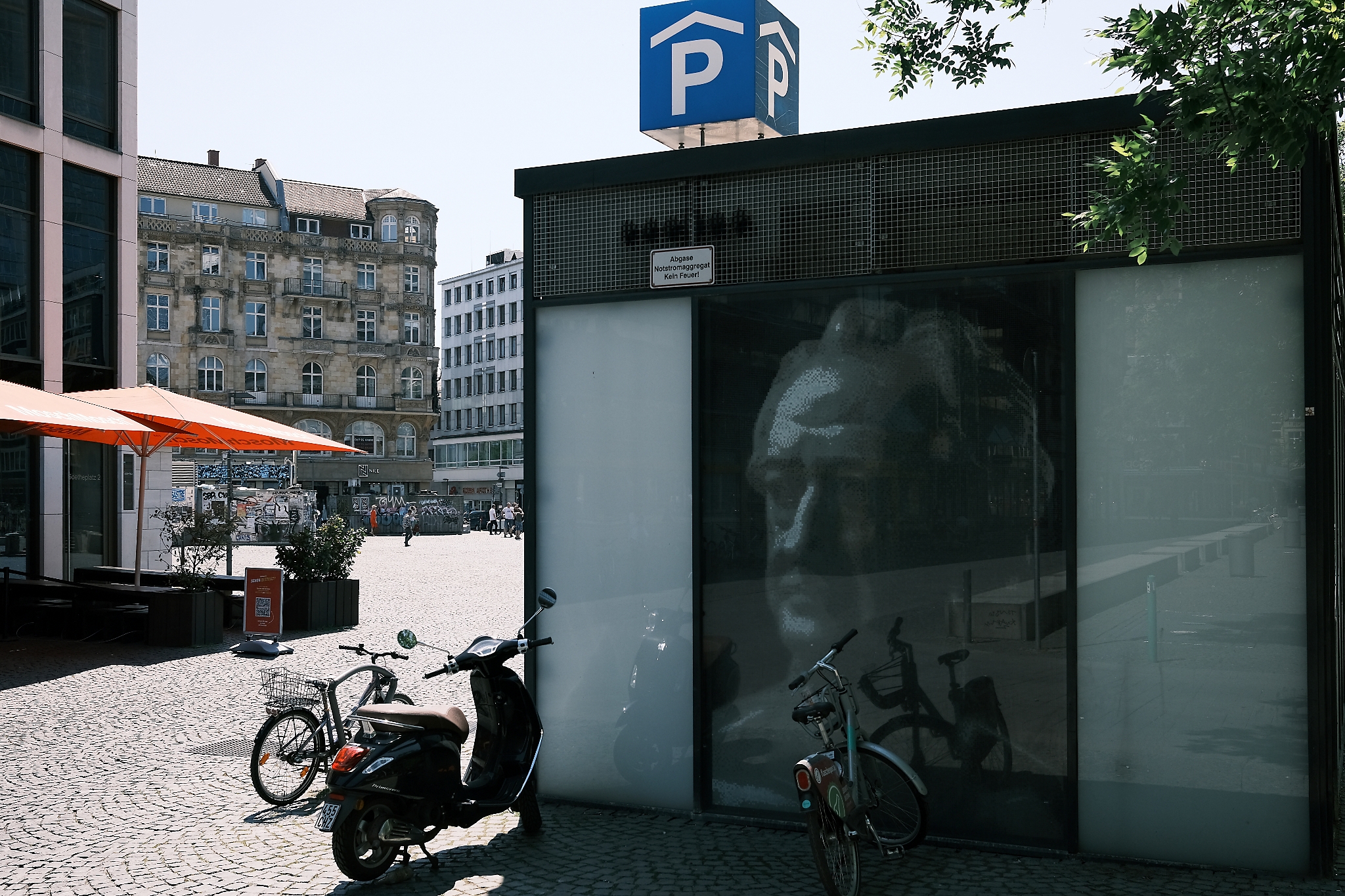
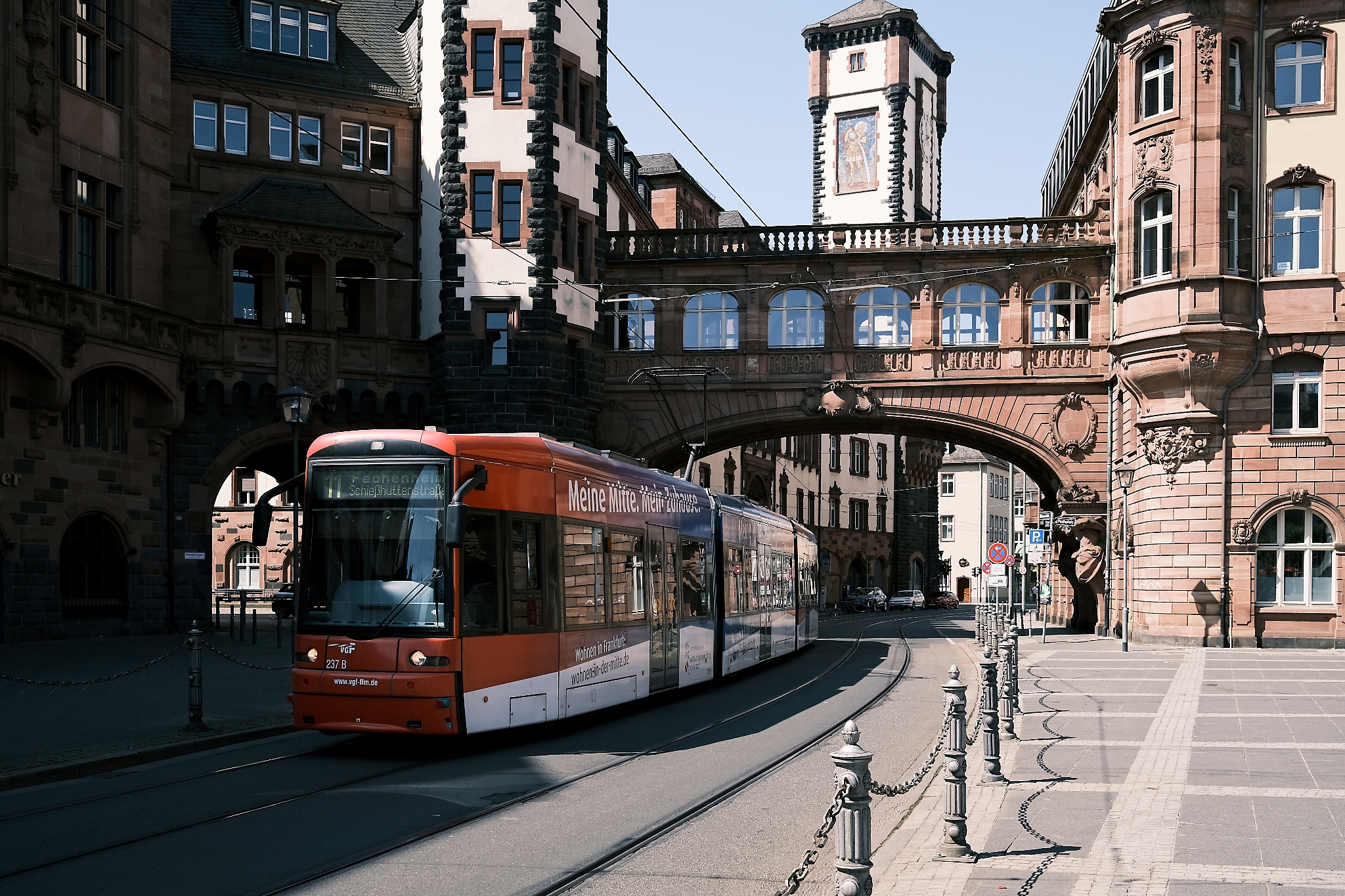
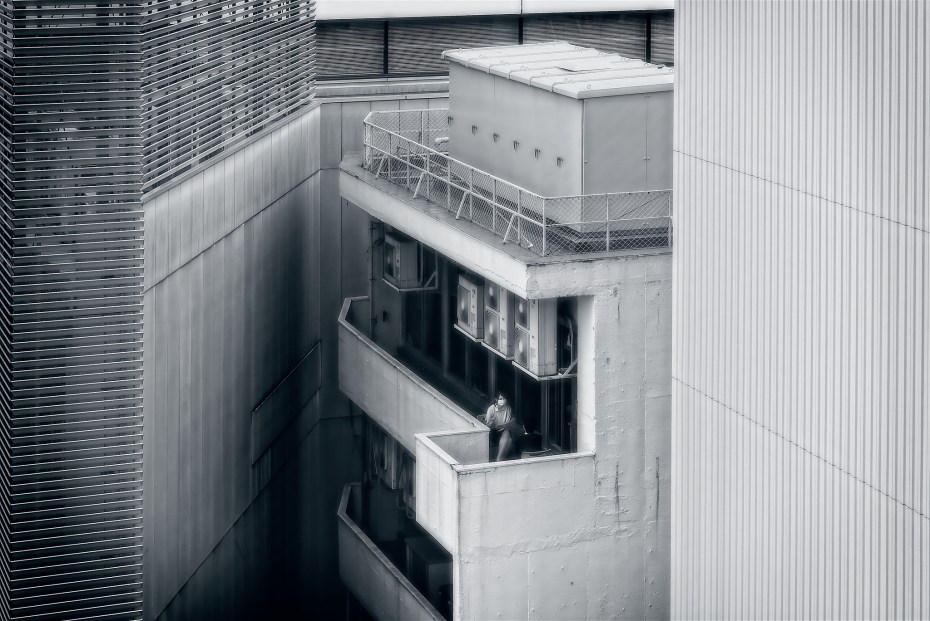
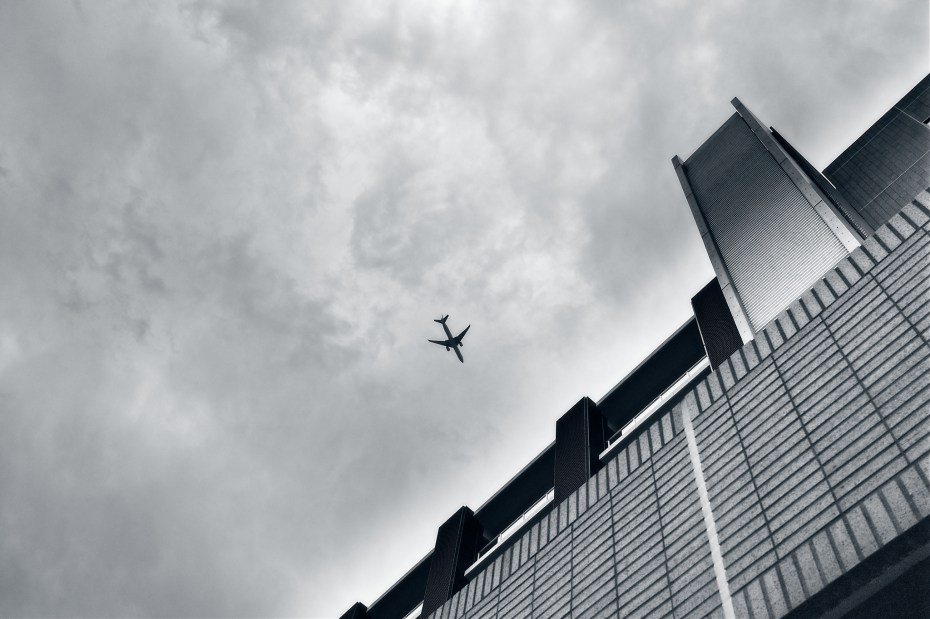
Frankfurt am Main, a compact city with an ethnically diverse population, straddles the Main river in western Germany and is home both to Germany’s largest urban forest and one of the world’s busiest airports. The streets and plazas of its historical neighborhoods are picturesque tourist magnets — the outdoor tables and chairs of a cafe or bar seemingly occupying every other street corner — while its gleaming towers house the myriad banks and other institutions of Europe’s main financial hub.

  • FRANKFURT-202305-00025-ON
  • FRANKFURT-202305-00044-ON
  • FRANKFURT-202305-00056-ON
  • FRANKFURT-202305-00003-ON
  • FRANKFURT-202305-00038-ON
  • FRANKFURT-202305-00008-ON
  • FRANKFURT-202305-00012-ON
  • FRANKFURT-202305-00054-ON
  • FRANKFURT-202305-00051-ON
  • FRANKFURT-202305-00041-ON

On photography

Bob Dylan revisits his past through the recent release of a studio outtake of Not Dark Yet, a song from his 1997 album Time Out of Mind. The song is hauntingly beautiful, with its intimations of loss and mortality, the dream-like atmosphere of its arrangements and Dylan’s weathered voice. The video created for this release is something else, essentially a slide-show comprising dozens of photos, the most exquisite photos, revisiting America during the Twentieth Century, showing the haunting beauty of historical documentary photography at its best.

Susan Sontag summed it up perfectly in a line from her book On Photography:

Indeed, the most enduring triumph of photography has been its aptitude for discovering beauty in the humble, the inane, the decrepit. At the very least, the real has a pathos. And that pathos is—beauty.