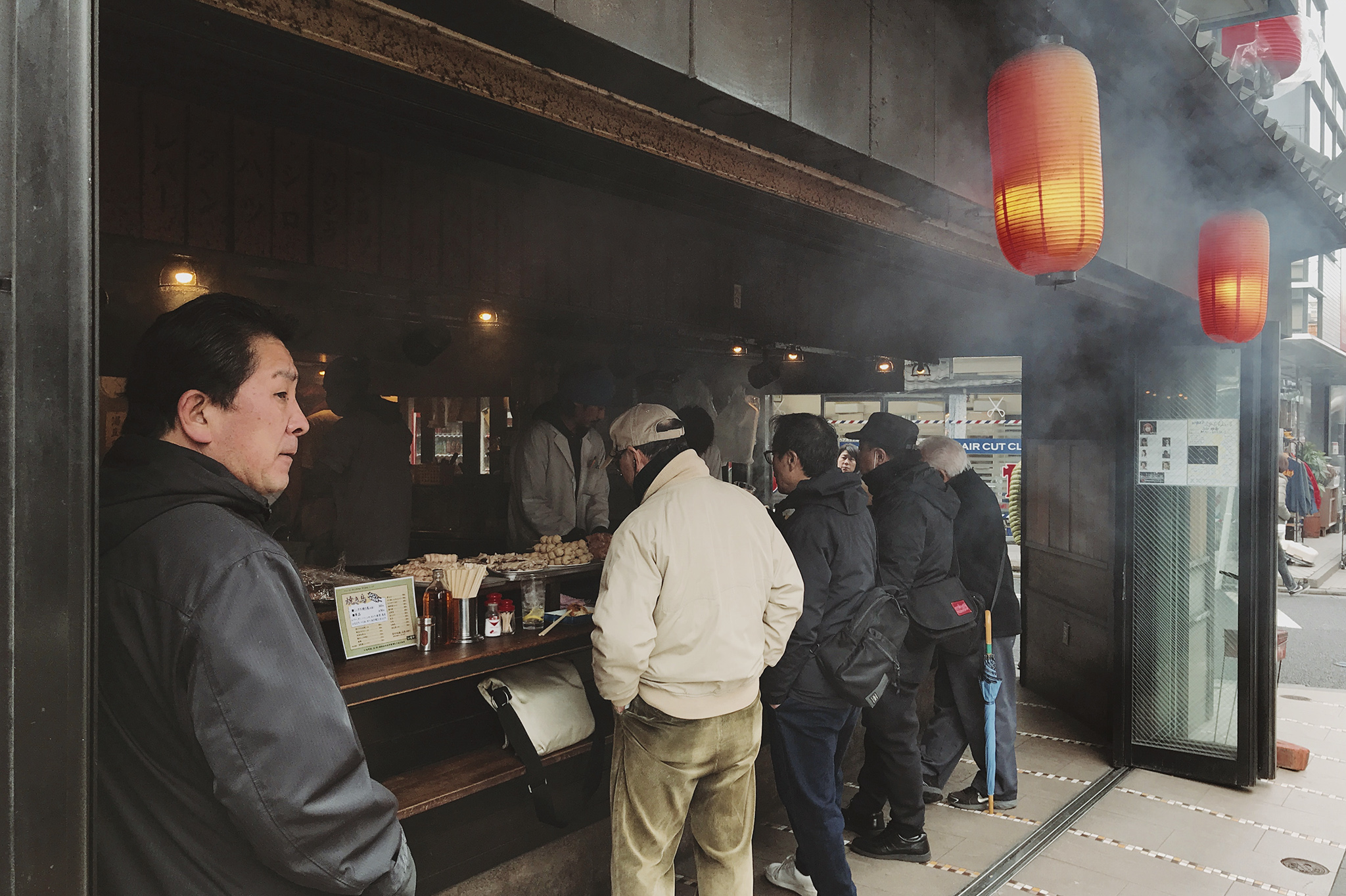
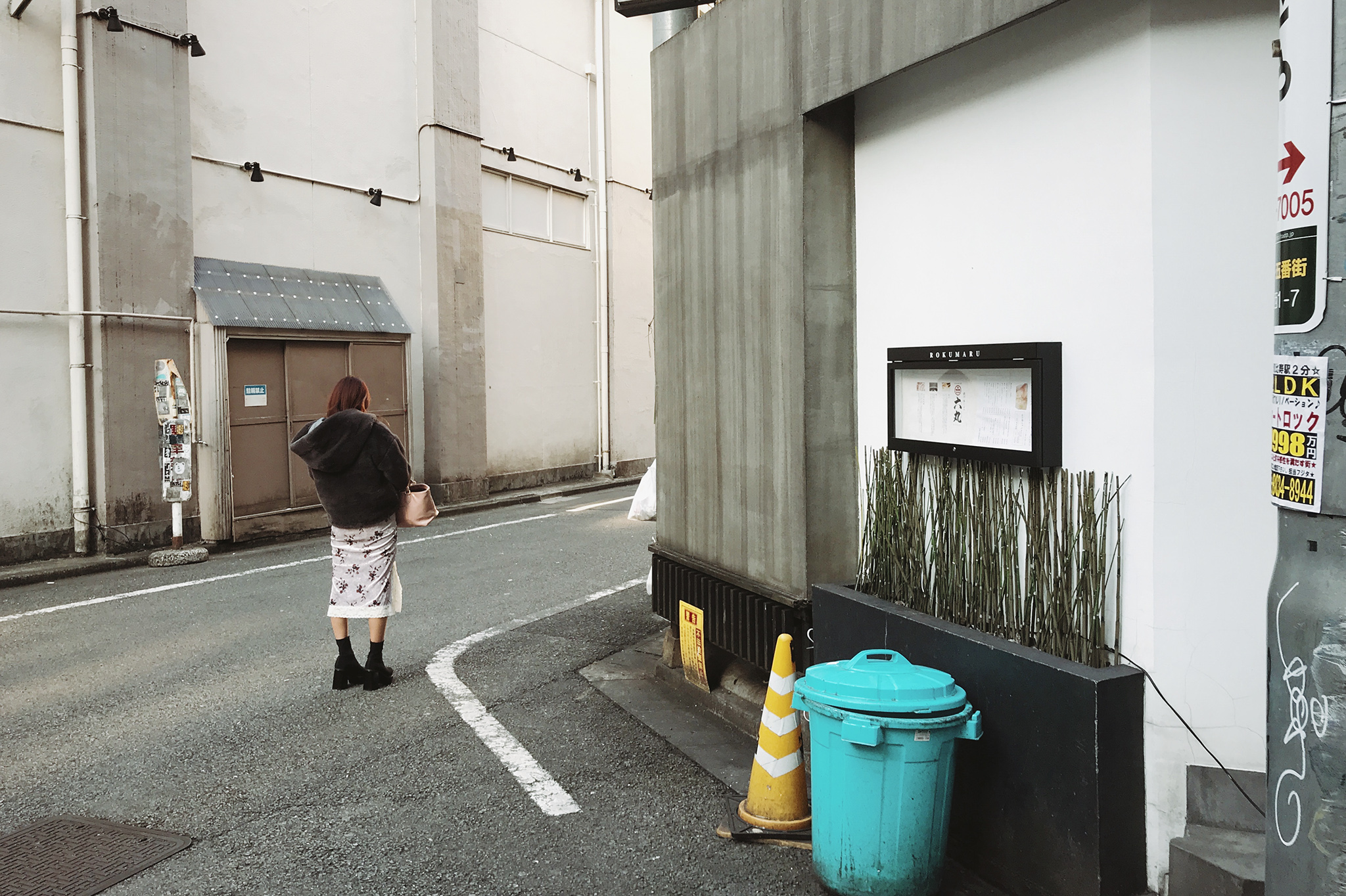
Blue skies

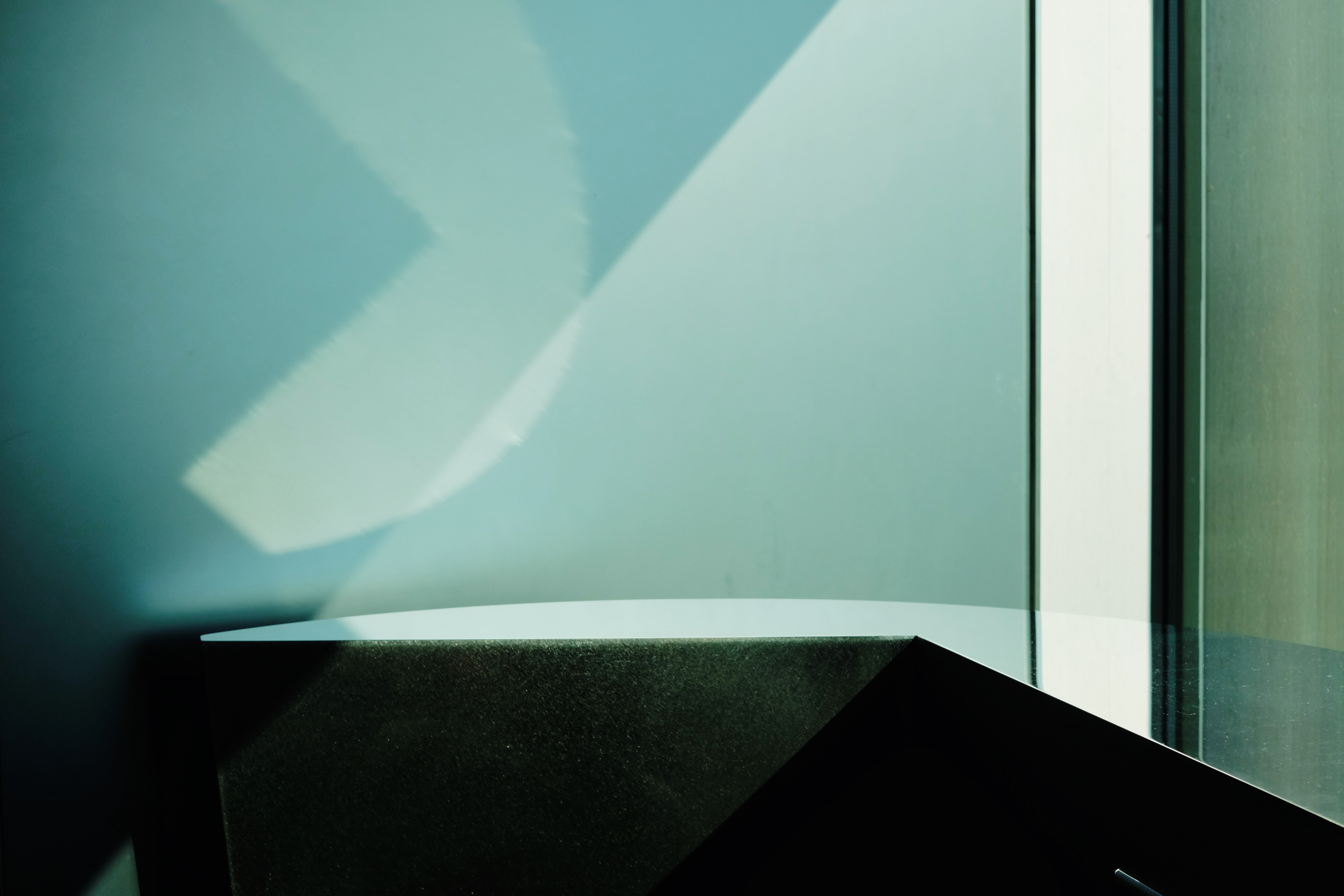
While I continue to explore the possibilities of digital polaroid photography, in a happy coincidence I read about Belgian photographer Anton Kusters‘ 2020 Deutsche Börse Photography Foundation Prize nomination. Kusters’ installation The Blue Skies Project references the Holocaust, in particular Nazi concentration camps, and was created with the help of contemporary reference books, Google Earth — and a Polaroid camera.

His use of self-processing polaroid photographs — 1078 of them to be exact — adds to the creative adaptations of the unique analog medium. More importantly, it adds a deeper dimension to his pensive, conceptual work, as the photos are apt to degrade and fade over time — much like memories of the Holocaust.

It’s a commentary on how we deal with memory. If we lock it away, it might be protected but never seen. And if we show it, it might fade and evolve into something else entirely.

I first came across Kusters’ work almost a decade ago when I saw his compelling Yakuza project. His approach to photography has since evolved from using a camera to document what interested him to expressing ideas through — as he puts it — photographic processes. The work resulting from this new approach is no less compelling and I think quite worthy of a Deutsche Börse prize.

Polaroid effects

Polaroids, the original instant, shareable photography; high-tech yet lo-fi; perfect for spontaneous snapshots yet a valuable tool for professional photographers and also loved by visual artists for its creative possibilities; disposable and collectible, a fun and serious platform.

Edwin Land’s first self-developing camera appeared back in 1947 and one of the first artists to see the potential for this type of photography was the legendary photographer Ansel Adams, who soon became a consultant for the company, helping to refine the product. In the decades that followed, Polaroid cameras were used by many established artists, among them Andy Warhol, Wim Wenders, William Eggleston, Linda McCartney, Robert Mapplethorpe, Dennis Hopper and David Hockney.

Instagram, when it appeared in 2010, helped to establish the smartphone as the Polaroid camera of the digital age. With its stream of exclusively square photos, it was instant, sharable, high-tech, lo-fi, comprising shots of pet cats and cups of coffee as well as striking images with artistic merit, a platform both fun and serious.

Instagram has changed greatly in the decade since it first appeared in Apple’s App Store: there are more pet cats and artistic images than ever before, yet the original simplicity – and the fun, I think – has been lost. But there are apps, though not too many these days, that reinterpret polaroid photography for a digital medium and provide that simplicity and fun.

One of these is the InstaLab app. An alternate Android version of the app is still known by its original name, Polaroid FX, the Polaroid name licensed from the people who bought it from the company after its bankruptcy early this century. But subsequent owners have ressurected the company – both the Polaroid name and its dedication to instant analog photography – and it seems that to maintain the brand’s integrity, licencing rights are no longer being sold or renewed.

Regardless of the name, InstaLab offers a pared-down photography experience. The photos it produces have a Polaroid aesthetic and – at least in the free tier of the app – options are limited: you open the app, frame and shoot. You can then choose to change the frame, add an effect, color filter or some text, make some basic exposure or saturation adjustments, and save a low-resolution image, ready for sharing. Once saved no further editing is possible. I’d be happier with even fewer editing options but the experience very much reminds me of the early days of Instagram. The app’s appeal to me is that its limitations and low fidelity aesthetic take the preciousness out of creating photographs but also offer challenges and opportunities to create more than snapshots. This type of photography may even get me back to using Instagram.

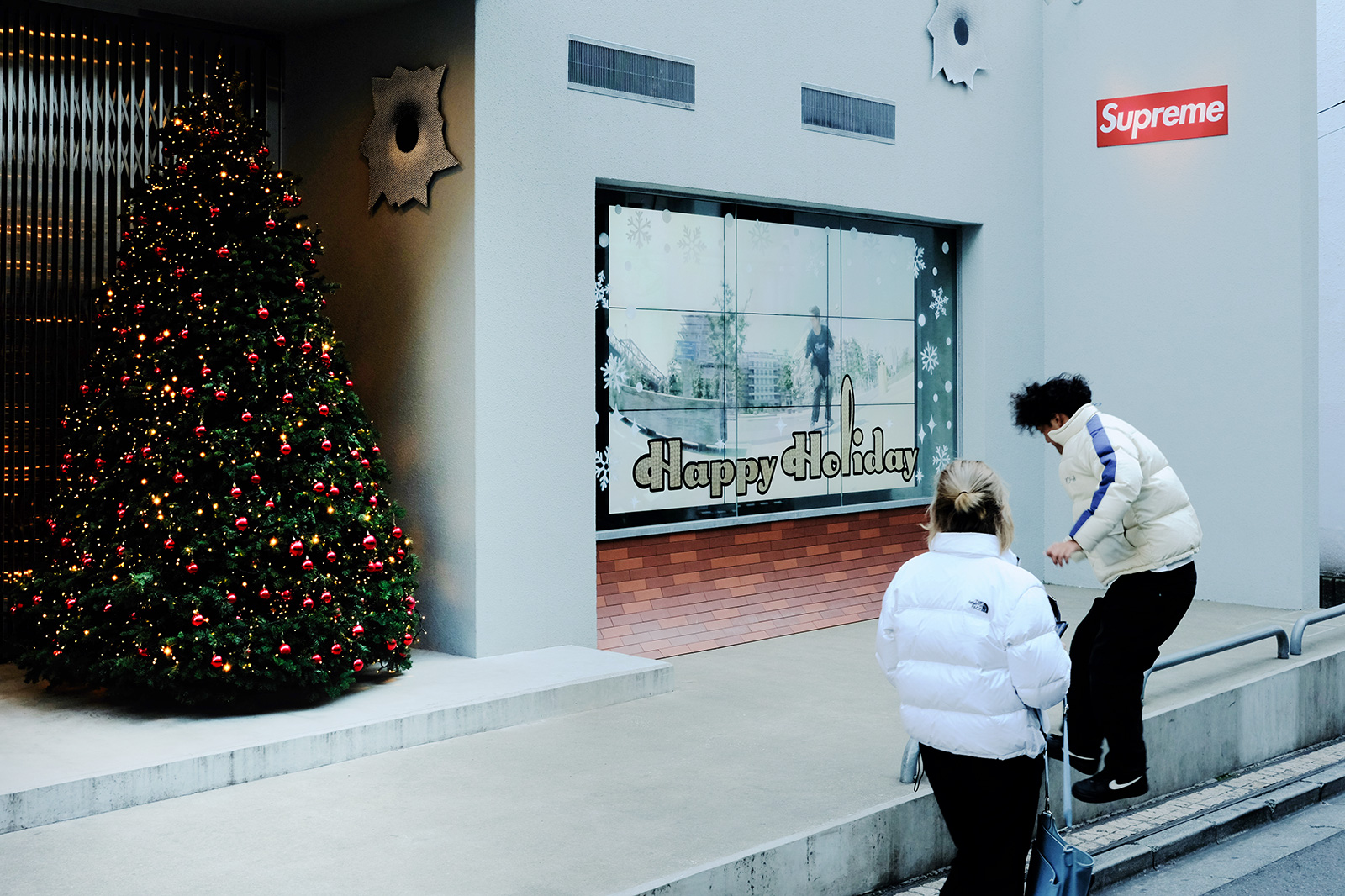
Happy Holiday

TOKYO-201912-0038-R-V1-1

Overnight, the Halloween pumpkins and orange signs morphed into Christmas trees, tinsel, colored baubles and glittering lights. Appearing far sooner than necessary, these too will vanish throughout the city, abruptly, on the day after Christmas, replaced by more sober, traditional decorations made of bamboo, pine and straw, to see in the new year.

The new year waits on the horizon, full of promise and surprises. For now, it remains an unwritten book, something to look forward to. It can wait. December is a time to wrap up, and to decompress, reflect, rest, and play. An eventful 2019 draws to a close; so too the first year of my post-Instagram snapshots. This blog has been for the last twelve months a virtual outlet for personal musings, without the pressure, annoyances or restrictions of Instagram and its ilk. My own place to decompress, reflect, rest and play.

And as I wrap up for the year, I look forward to publishing more snapshots in the new year. Until then, happy holidays.

What am I doing?

DSCF0982

An unseasonally wintery day, wet and icy, bleak. A perfect day to escape to the warmth and stimulation of a gallery. I visited the TOP museum to look at photos by an artist I hadn’t heard of: Eiko Yamazawa.

Osaka-born Yamazawa was a creative pioneer who had a long, somewhat unusual life for a Japanese woman of her time. Born in 1899, she studied painting before traveling alone to America in her 20s, where she took up photography. Back in Japan in the 1930s she established a successful commercial photography practice specializing in portraiture.

She returned to America after the war and, influenced by mid-century modernism and abstract art, she herself started experimenting with photography as abstract art. From colorful work with echoes of Miró and Matisse to quirky still life studies and minimalist monochrome abstractions that bring to mind the suprematist art of Kazimir Malevich, Yamazawa’s photography morphed into art, her photographs’ content became color and form.

In 1960 she shut down her commercial practice to focus on her art. She traveled and studied in the US and Europe and, at an age when most people would be easing up, she continued to hone her vision through the 1970s and 80s with her ongoing What I am doing series of photographs. She worked and exhibited well into old age and died in 1995 aged 96.

It seems that artists make wonderful photographs when adopting the camera as a tool of expression. Cartier-Bresson, David Hockney, Man Ray and Andy Warhol, to name a few, have explored the boundaries of the medium. Yamazawa’s work is no less interesting ― or inspiring.

DSCF0984

Autumn light

Akibare – Nakameguro

akibare – 秋晴れ – autumn sunshine

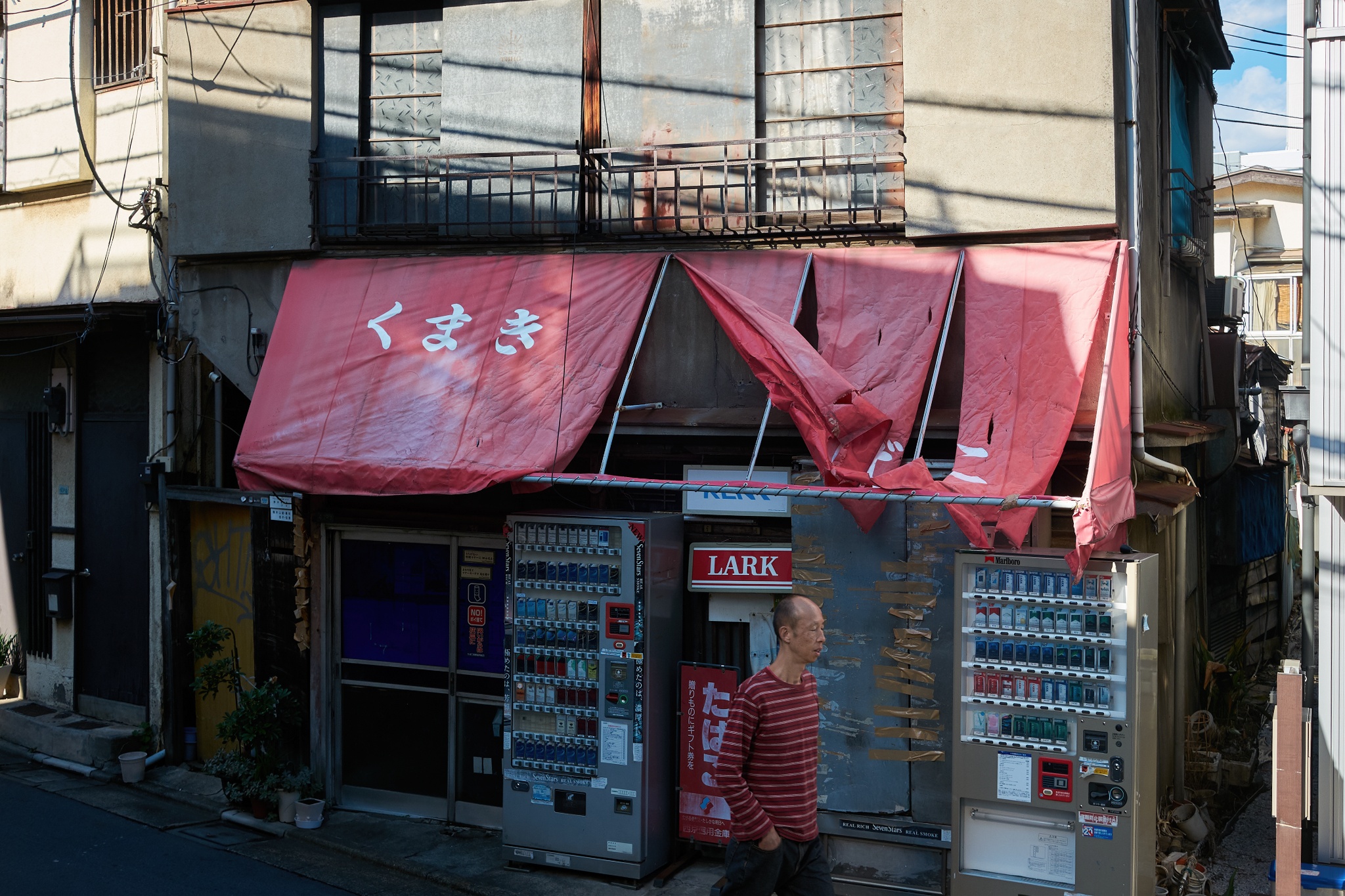
After the scorching summer heat and the relentless typhoon rains, the mild temperatures, blue skies and gentle sunlight of autumn are like some kind of paradise. Akibare. The days are shorter yet ideal for getting out and about. If you have a camera at hand all the better; there’s a lot of beauty in the autumn light.

Autumn poses the question we all have to live with: How to hold on to the things we love even though we know that we and they are dying. How to see the world as it is, yet find light within that truth.
— Pico Iyer

I’ve been wanting to read Iyer’s latest book, Autumn Light: Season of Fire and Farewells, for some months now but his is the type of lyrical, philosophical prose that requires a certain mood. The atmosphere of the season appears to reflect the tone of this book, so this seems like a good time to engage with it.

Akibare – Higashi Nakano

Nocturnes

Nocturnes-05

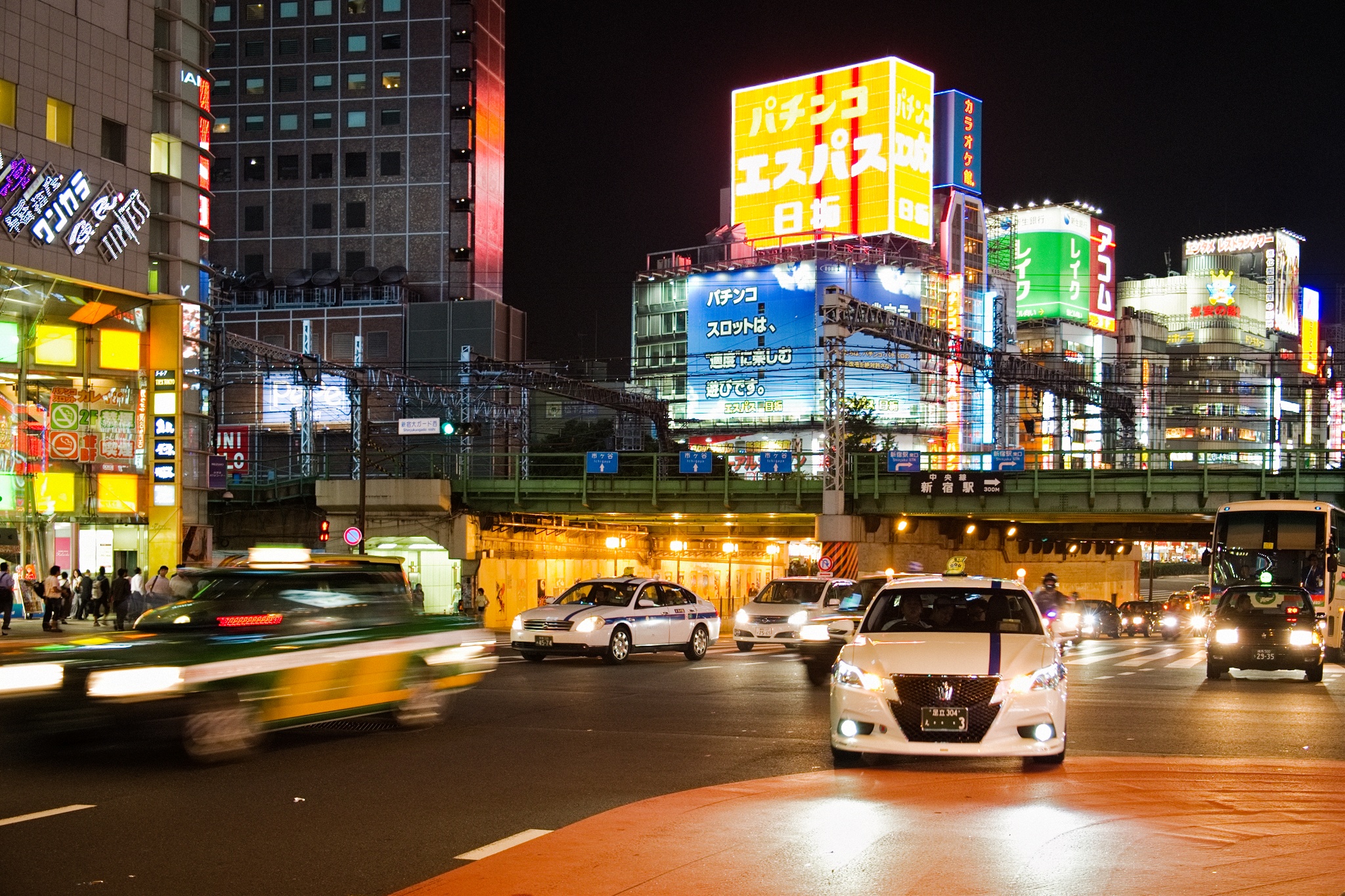
Tokyo reveals its beauty in darkness, when the lights come on. Radiant and seductive, it’s illuminated by colored neon, glowing lights and luminous LED screens; an edgy, high-tech metropolis shaped by a sleek sci-fi reality. A closer look shows it’s also a city of countless pensive, lyrical spaces: atmospheric alleys and contemplative shrines, time-worn storefronts and timeless arcades: places that belong to a simpler past, that color our waking dreams of Tokyo.

Bells of Time

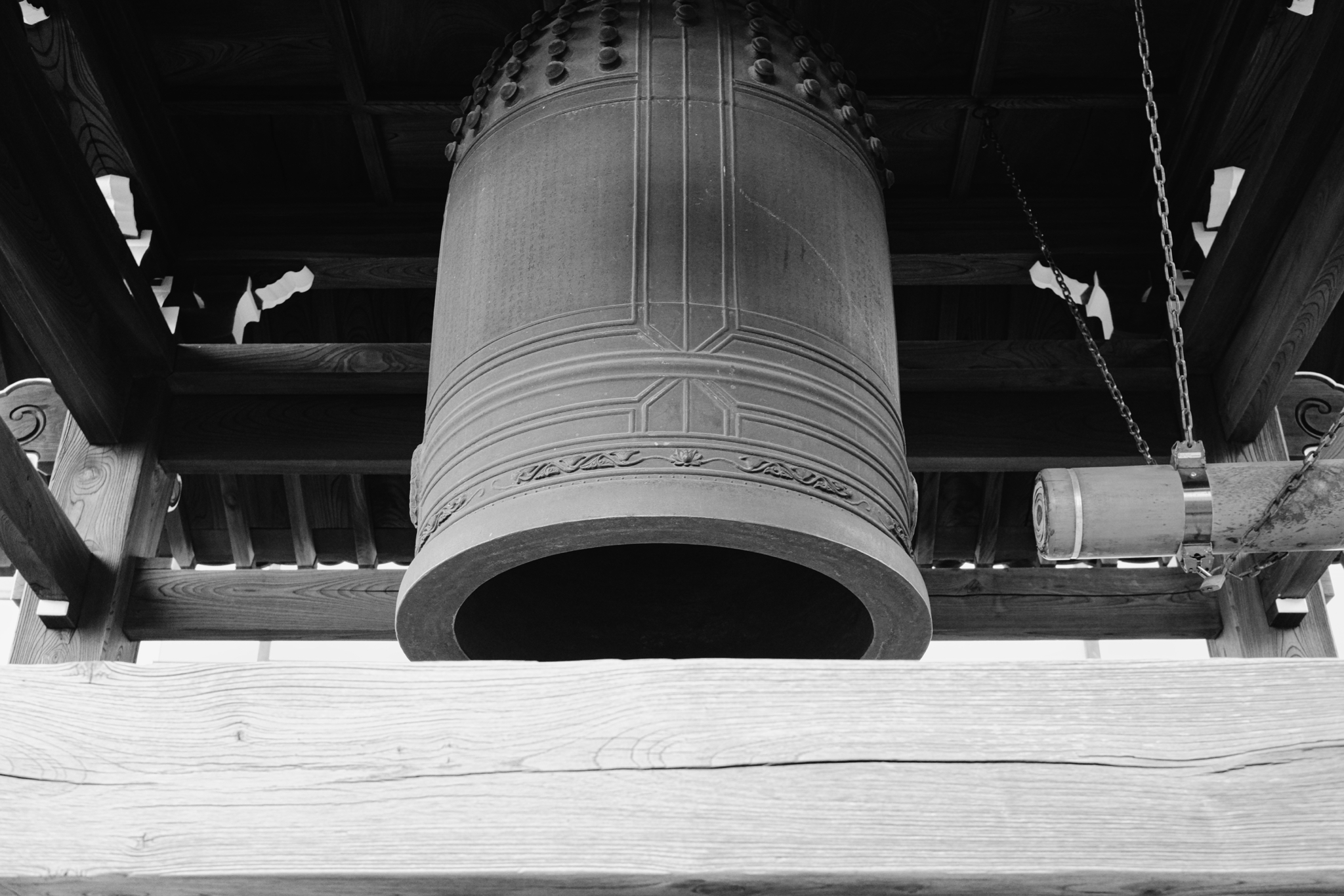
Bell of Time, Tenryū-ji, Shinjuku | Our bell was different from the other bells, because it rang half an hour before the other ones did. That way the samurai who came to Naitō Shinjuku to play around in the pleasure quarters could get back to Edo Castle before the curfew sounded. It was called Oidashi O-Kane: the Get Back Home Bell. — Anna Sherman

Tokyo is one vast time-piece. Its little alleys and great avenues, its forgotten canals and temples, make up the face of a great watch. Its months and weeks are beat out in traffic bearing into the capital from the northern rice paddies. The city’s hours and minutes and seconds are meted out in buildings torn down and the ones that rise; in land reclaimed from the sea. Time is counted out with incense sticks; with LEDs; with atomic lattice clocks. It is measured by the lives of all who move within the Yamanote Line that circles the city’s old heart and the Kantō Plain beyond.

With this lyrical passage, Anna Sherman introduces The Bells of Old Tokyo, a fascinating book in which the author travels across Tokyo searching for the bells that were used to announce the time in the city before the advent of modern time-keeping. During these explorations, Sherman delves into the rich cultural and socio-political history of Tokyo to draw a rich and insighful portrait of the city through the ages.

Subtitled Travels in Japanese Time (or Meditations on Time and a City, depending on the edition), Sherman’s book touches on people, places and events through time, from the days of the Shoguns to 21st Century Japan, while also investigating time itself as a relative concept. The book’s chapters mix beautifully poetic musings and memories with rigorously researched historical facts, drawing on the knowledge of myriad advisors and written references — listed in the exhaustive notes, bibliography and acknowledgements sections, which offer their own historical nuggets or avenues to further insight. And between her wanderings, Sherman periodically takes time out to share with the reader her chats with the owner of her favorite Tokyo coffee shop.

The Bells of Old Tokyo is Sherman’s first book. Not quite a guide book, not exactly a novel, not really a historical text, nor a book of poetry, it’s a singular creation: a gloriously messy construction. For anyone familiar with Tokyo, it’s a rewarding read, and an engaging addition to the body of work on Japan and its culture.

PHOTO: Bell of Time, Tenryū-ji, Shinjuku

Our bell was different from the other bells, because it rang half an hour before the other ones did. That way the samurai who came to Naitō Shinjuku to play around in the pleasure quarters could get back to Edo Castle before the curfew sounded. It was called Oidashi O-Kane: the Get Back Home Bell.

Graphic

DSCF3058 Graphic

Kanji, the pictograms borrowed from China that comprise the bulk of the Japanese syllabary, frustrate learners of Japanese with their number and complexity, but are beautiful graphic creations, lending themselves to various exquisite calligraphic interpretations.

A striking example of this is the distinctive station signage created with duct tape by an amateur graphic artist in his sixties, Shuetsu Sato. Sato san is a railway employee who started crafting his creations to help him in his job of directing commuters through the labyrinth that is Shinjuku Station. His kanji have a bold pop sensibility, he mixes blunt edges and curved corners in his lettering, and the use of tape and working to a grid dictates the spacing of the pictograms’ forms. In addition to their beauty and artistic merits, the signs are also easily spotted and read from a distance: perfect illustrations of good signage design. In recognition, the professionals have even given his typeface a name, dubbing it Shuetsu Sans.

Chris Gaul has written a detailed piece on Sato san that contains plenty of examples of his graphic works.

A midsummer night’s dream

Early August. The midday temperature is 34° My weather app tells me it feels like 44° and the humidity is 64%. Midsummer in Tokyo; a fever dream.

A cyclist turns the corner, and I watch my reflection move across her face visor. The sun on my skin, burning in the relentless heat of the day. Walking in the shade of a park to a soundtrack of invisible chirping cicadas; the air is still. In the welcoming controlled climate of a department store, old folks escape the heat, like the urban climate refugees they are. It’s said that much of south Asia will be too hot to live in by the end of the century. Sweat runs down my brow. In the long afternoon shadows a young boy patiently devours a small mountain of flavored shaved ice kakigori. His mother sits beside him sipping a seasonal fruit frappucino. Elsewhere a mass of people spills out of a train’s refrigerated carriages onto a stifling station platform, the doors impatiently closing behind them.

Are you sure
That we are awake?
It seems to me
That yet we sleep, we dream.

Dusk. The dark indigo skies are streaked with pink. A waiter splashes bowls of cooling water on the pavement outside the entrance to his just-opened restaurant. Animated voices drift from a rooftop beer garden. Faded paper lanterns hang in a narrow alley, their dull glow diffused by smoke escaping from a restaurant grill. Vibrant pink watermelon slices are dotted with black seeds glistening with the juice of the fruit. Young women in boldly patterned yukata add dots of color to the night. Fireworks beckon. Explosions of shimmering light. The city exhales and I find myself in a maze of empty streets, enveloped in the balmy warmth and calming silence of midnight.