True north

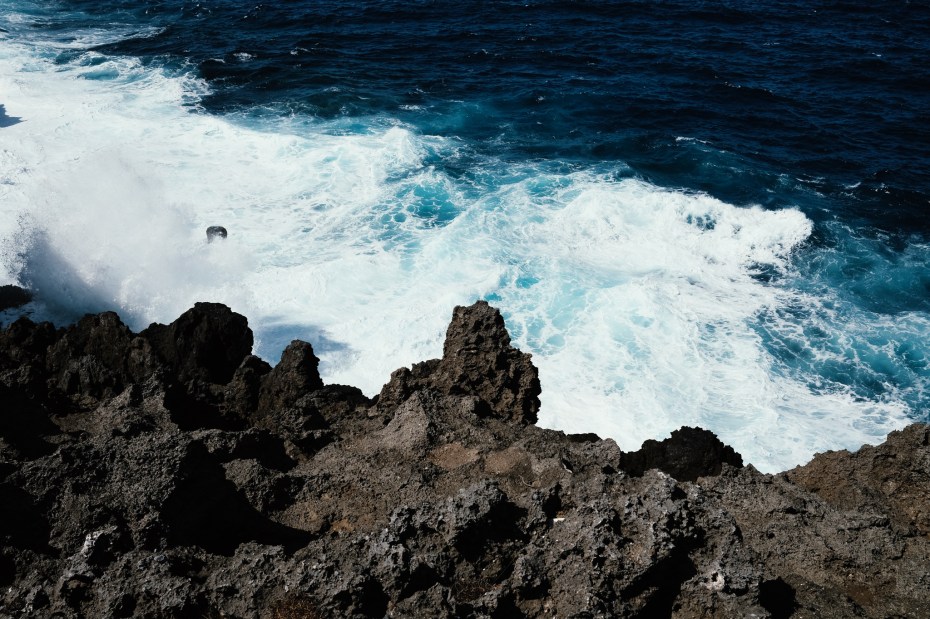
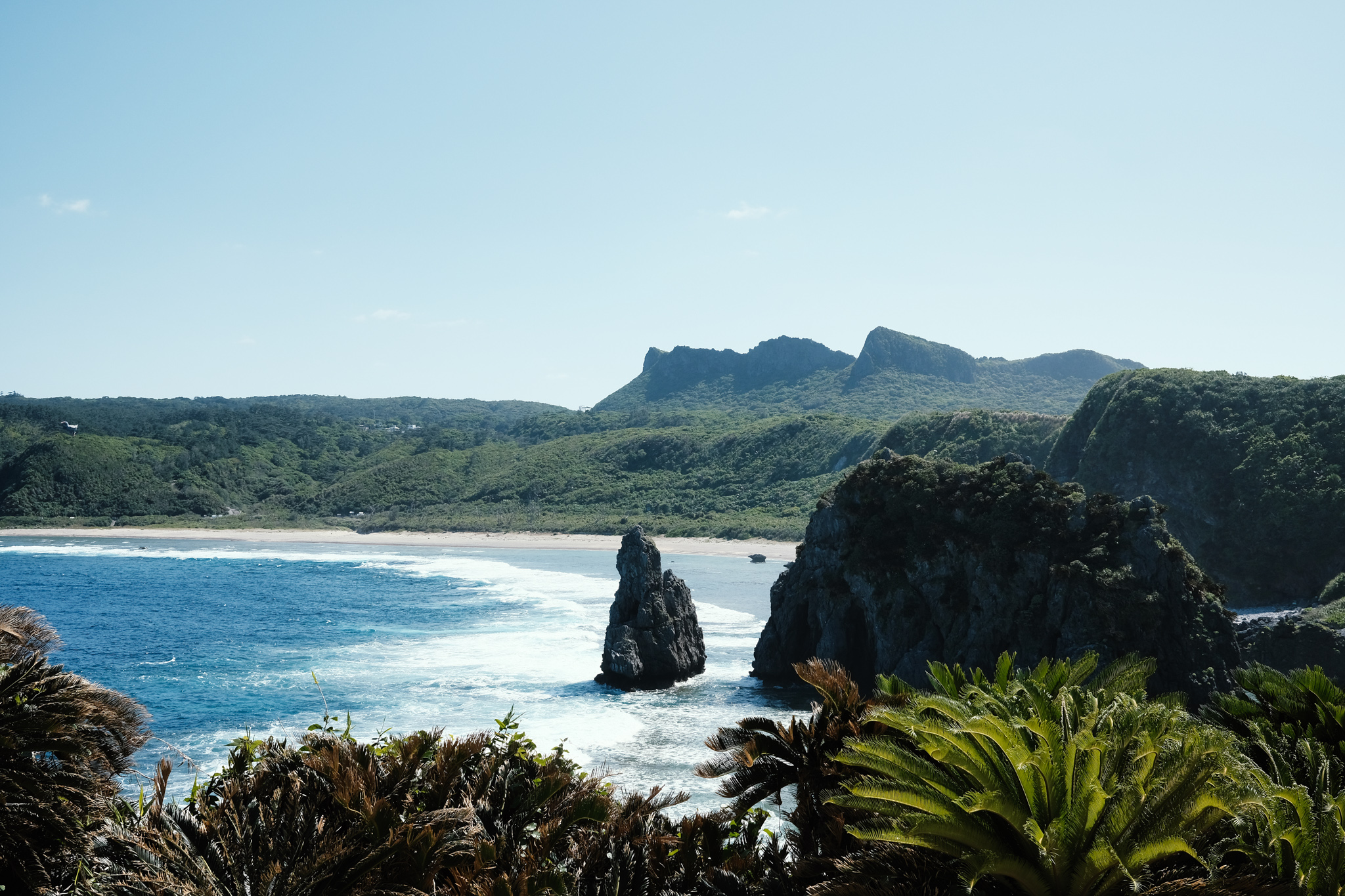
Drive north along Route 58 past isolated resort hotels and villages and you eventually reach Cape Hedo, the northernmost point of Okinawa island. A visit here is a to-do list item on many tourists’ itineraries; the Point has expansive views of the South China Sea to the west and the Pacific Ocean to the east. To the south, lies the lush green hilly topography of the island. The rugged clifftop landscape has been tamed somewhat with simple tourist amenities, paths and fencing, but the natural beauty of the national park it lies within and the power of the sea below the cliffs are nonetheless revitalising.

Flickers in time

What I want to talk about today is a certain kind of time and sequencing of images that shapes the way time is experienced within photographic books and I’m kind of calling this Real Time vs. Storytime.

Photographer Alec Soth has started a series of YouTube presentations that combine his professed love of teaching and an attempt to show books — and share his love of books — online. His approach is a digital show and tell as he takes viewers through various books from his extensive library, flicking through them to show links and similarities and variations on his chosen theme. The books in his hands are filmed from above while he’s inset as a talking head facing the camera in the corner of the screen. Not exactly exciting cinema, yet engrossing due to his knowledgeable enthusiasm for the photography he’s showing and the wonderful variety of his eclectic library. Soth humbly describes his sessions as rambling talks, and he may meander at times, but preparation goes into each session. He assembles the books he shows beforehand and has at least a sketched out narrative, so there’s a nice flow to his talks. So far, he’s given fascinating insights into photo albums, the use of images with text, and the work of William Eggleston and Kim Kardashian among others. The session linked to here, from which I’ve taken the quote above, is about expanding on Cartier-Bresson’s single decisive moment to show images that Soth describes as increments of momentary observation or stutters or flickers in time.

In a previous post I linked to a YouTube video in which Martin Parr talks to Alec Soth in one of his Sofa Sessions. Parr’s sessions are likeable enough, but in terms of the art of photography, these sessions by Alec Soth are so much better.

Real Time vs. Storytime – a talk by Alec Soth Copyright Alec Soth / Little Brown Mushroom 2021

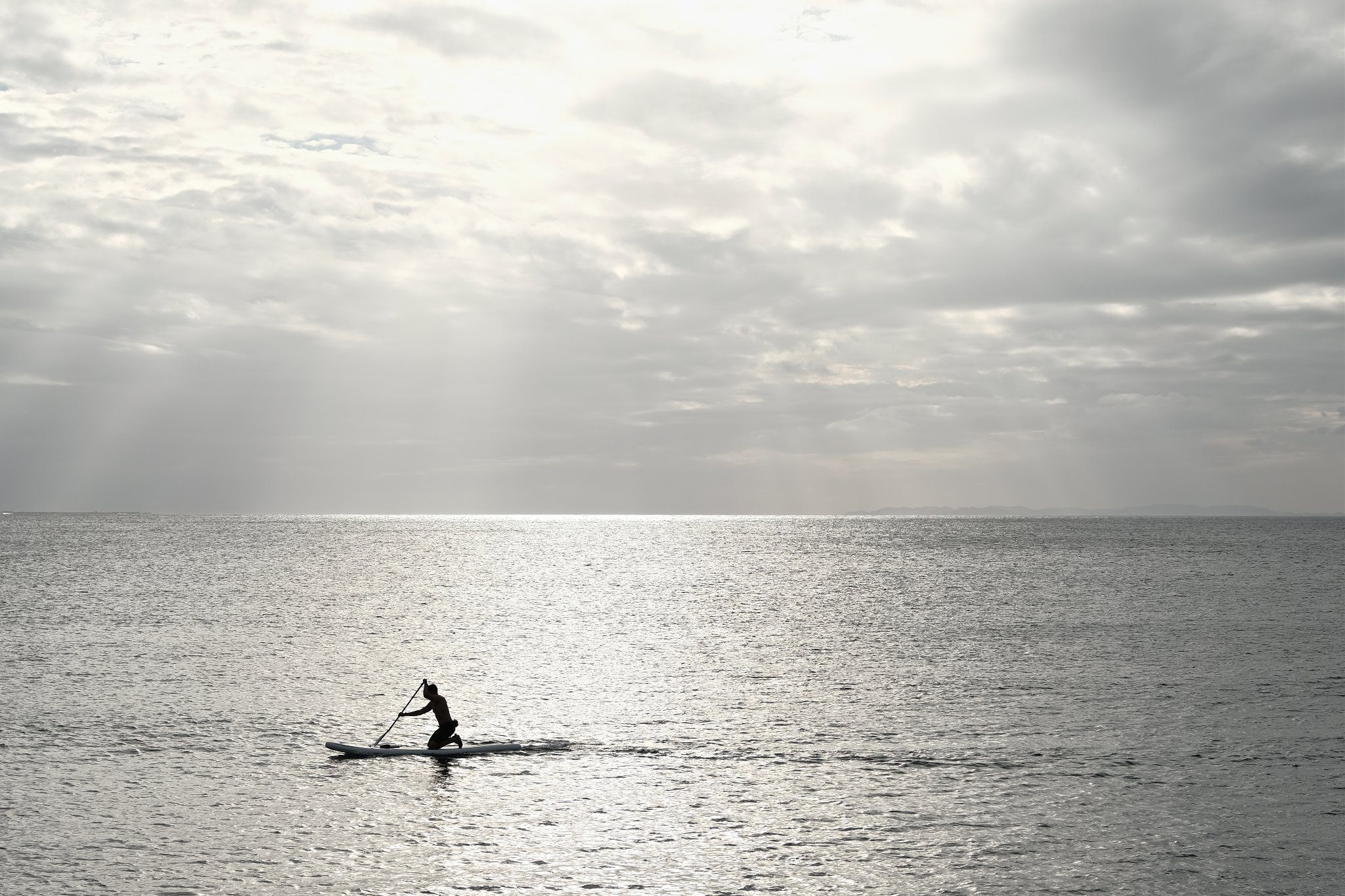
A walk by the sea

OKINAWA-202103-00013-LF

A walk, an exploration, a camera. A record. A type of cartography.

The idea was to walk along the coast of Chatan, the town I curently call home. And, while walking, to look around and to photograph scenes that catch my eye, frames that capture the character of the place. Chatan has six coastal districts, each with its own character, that border a total of some ten kilometers of the island’s central west coast. A series of walks then, starting with the subject of this post, Kitamae, the town’s southernmost district.

The idea was that once I covered Chatan’s other five coastal districts, the combined images would become a photographic record of a place in time. The resulting photo essay — Coastal explorations — is a topographic map of sorts.

A series of walks, explorations, a camera. A record. A type of cartography.

Blue notes

OKINAWA-202102-00058-LFJ

Jazz. How do you picture it? For me, the music is visualized in the stark black and white Jazz Loft photos of jamming musicians, taken in New York City in the late 1950s and early 1960s by Eugene Smith; or else it’s the striking duotone tinted images and funky graphics of dozens of mid-century Blue Note record sleeves also created in New York at around the same time by Reid Miles. Iconic: it’s an oft-used, often misused word, but it’s the perfect description of Miles’ work for Blue Note. As art director, he designed the covers — based on photos by Blue Note co-founder Francis Wolff, or at times his own — for hundreds of classic jazz recordings, and in doing so defined not only the look of Blue Note but also the look of jazz.

Borrowing Miles’ visual look, I decided to play with a few photos taken at some of my favorite local cafes and bars, processing them to give them a Blue Note vibe.

Playtime

OKINAWA-202103-00002-LF


We don’t stop playing because we grow old; we grow old because we stop playing.
— George Bernard Shaw


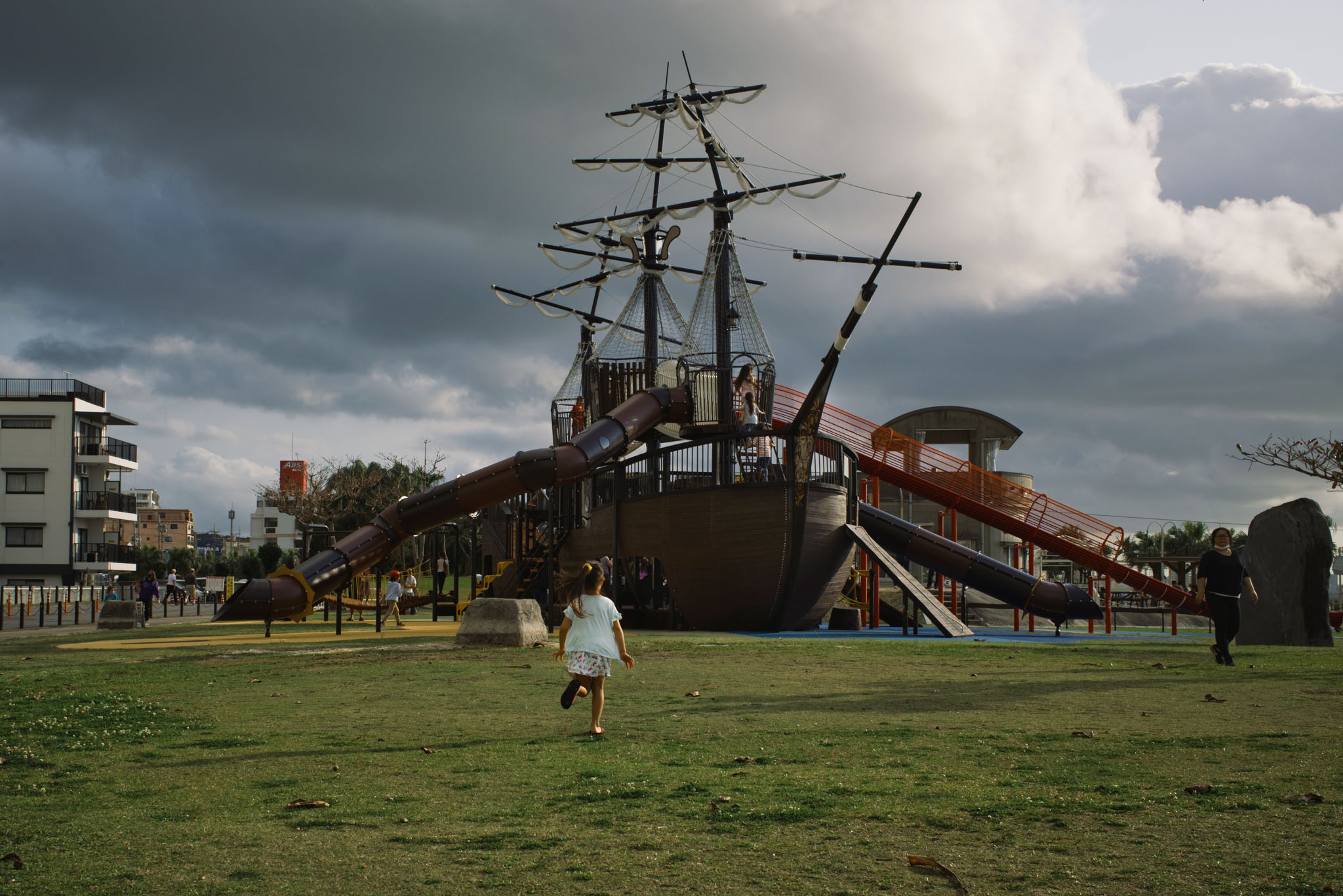
Play. A fundamental activity that kids totally get; get lost in; find focus; tap creativity; forge friendships; spark joy. Play is the realm of youth. It’s a tonic, a source of a lightness of being. For grown-ups play is more complicated. It’s often transformed into competition; it’s driven by goals; bound by rules. And tied up with money. The focus, creativity, friendships and joy are still all there, yet something — the purity, maybe, the spontaneity — is lost.

Still, it’s March. Here, at least, the winter lockdowns are over. It’s great to be outside. It’s Spring. It’s the perfect time to once again start to play.

Icons of photography

Icons of Photography Composite

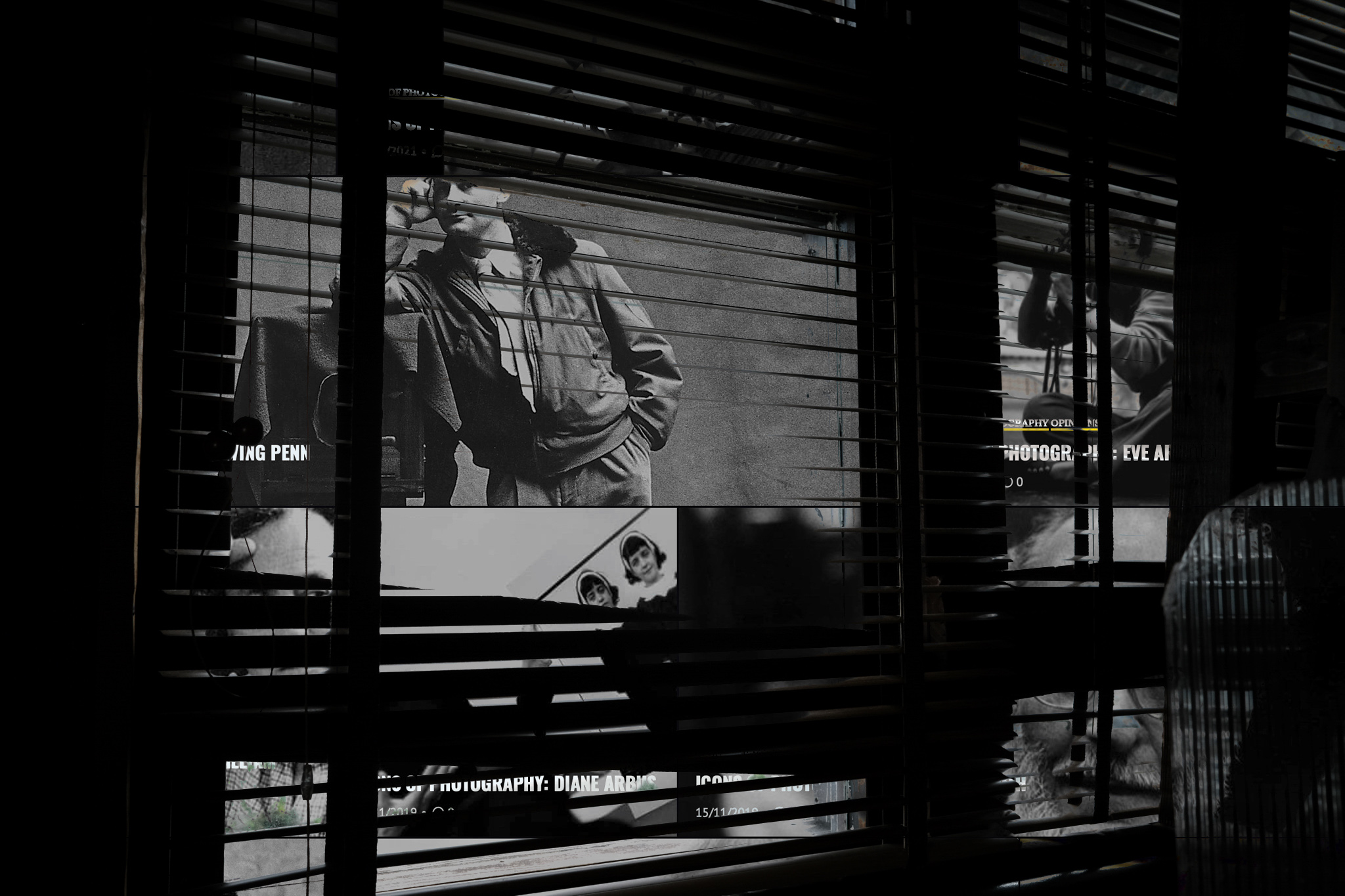
Photography is fascinating, not only because it’s a seductive pursuit that engages with something elemental within us as it stops time and preserves memories, it also has a rich history populated with many photographers with fascinating histories of their own. There are plenty of resources available that illuminate the lives and works of those who have helped define the history of the medium.

My latest discovery is a series of beautifully written profiles of legendary photographers of the Twentieth Century. The author, Peter Silverton, has an intriguingly sparse online presence: an abandoned twitter account, a handful of years-old blog posts about books on Elvis, and details of a handful of his own published books — including one on Elvis.

Silverton has, over the last few years, also used his literary skills to craft the perceptive and engaging portraits of photographic masters such as Walker Evans — You could almost say that it’s Walker Evans’ world and we only get to look at it; Annie Leibovitz — She captures wealth and power — from the inside, with the love, admiration and wit of a favoured courtier, a court jester even; Diane Arbus — She lived the life she photographed, hanging out on Manhattan’s social fringes, having sex on the back seat of Greyhound buses with strangers; Eugene Smith — Paid to photograph Pittsburgh for three weeks, he took three years on the job, amassing 21,000 negatives and getting beaten up by the very workers he sought to heroise; and William Klein — He won his first camera, a Rolleiflex, playing poker.

The profiles of these photographers and over two dozen more who helped shape the art and craft of the medium can be read on the United Nations of Photography website.

Presence

OKINAWA-202011-00079-1

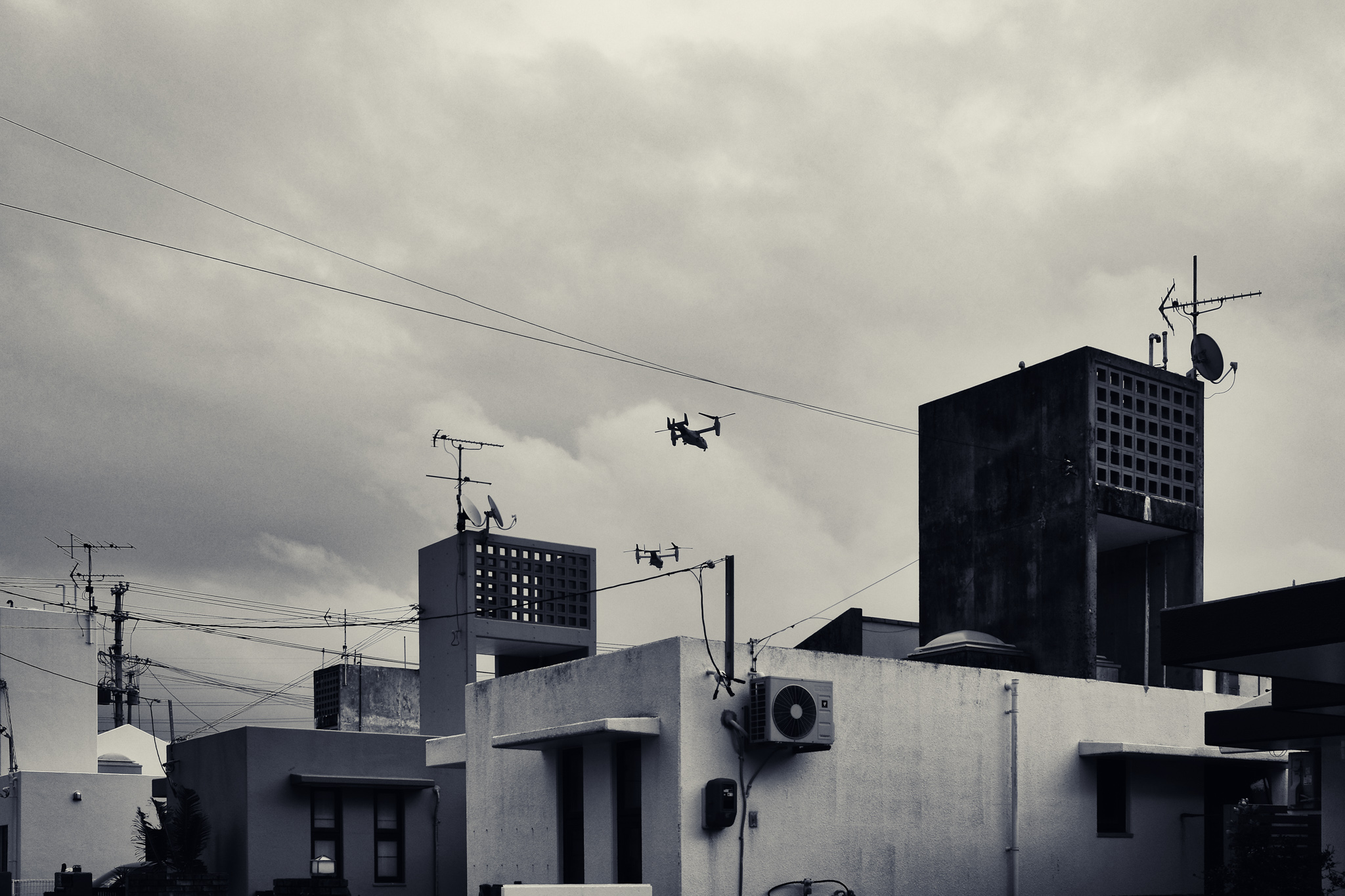
A quarter of the land on Okinawa’s main island houses American military bases, 32 of them, and there are more than 30,000 US military personnel living on the island, many with migrated families.

This presence doesn’t go unnoticed. Where I‘m living, in Chatan, tacos are as commonplace as sushi, and there seem to be burgers and steaks on menus everywhere. The patrons at nearby restaurant tables are as likely to be American as Japanese. The local Irish pub screens American football matches and plenty of places play nothing but American rock music. At times it can feel like there’s a glitch in the matrix.

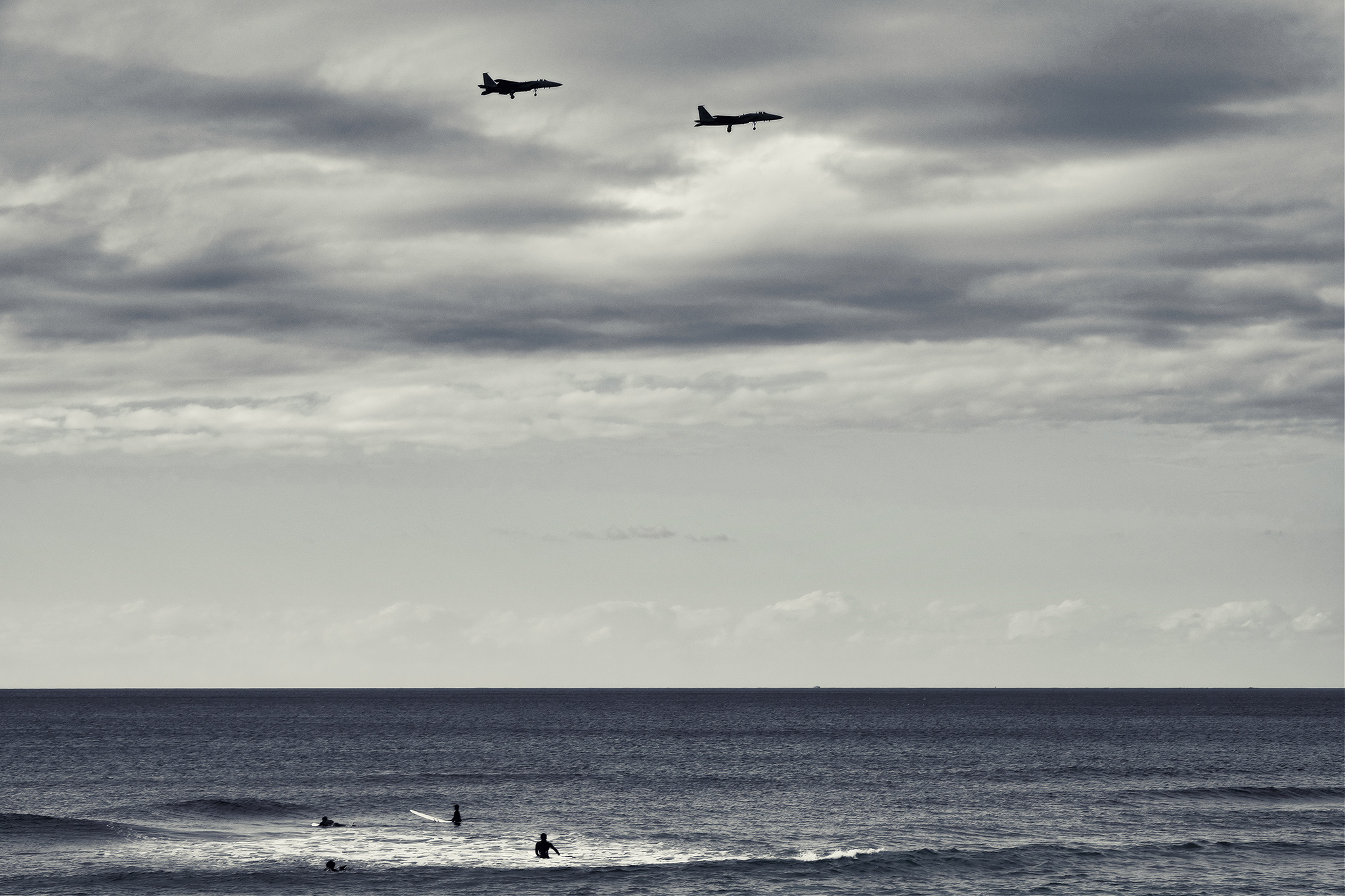
Yet it’s in the skies that the presence is most imposing, where fighter planes’ thunderous roars routinely echo above as pilots perform their aerial training drills, flights of raven colored helicopters make their rounds, blades thwacking insistently, and huge military transporters disappear with a low rumble behind tower blocks on their descent to land.

OKINAWA-202102-00142-LFM

Budding flowers

OKINAWA-202101-00006

Coming of Age Day — 成人の日 seijin no hi — the annual celebration of, and by, Japanese who have reached the legal age of adulthood, marking their newly found independence and responsibilities. The second Monday in January, this year was an outlier.

Unsurprisingly, the pandemic that is playing havoc around the world with most people’s lives has managed to upend the seijinshiki celebrations, with events around the country cancelled or dramatically altered. Locally, groups gathered briefly and took photos in the village in a relatively low-key affair. I read that Yokohama was one city that did go ahead with a series of modified ceremonies for thousands of attendees, with the theme of ‘budding flowers’.

This year is also unique in that it’s the last that 20-year-old men and women in Japan will be recognized as coming of age. As of 2022, citizens who turn 18 will no longer be minors, they will be officially regarded as adults. It’s they who will be the budding flowers that don exotic furisode, evocative hakama or sharp suits, attend local government ceremonies, party into the night and celebrate their new status.

Happy New Year

OKINAWA-202011-00088


There’s a new world comin’, and it’s just around the bend.
There’s a new world’s comin’, this one’s coming to an end.
There’s a new voice callin’, you can hear it if you try.
And it’s growin’ stronger, with every day that passes by.
There’s a brand new mornin’, rising clear and sweet and free.
There’s a new day dawnin’, that belongs to you and me.


Nina Simone: New World Coming Lyrics © Sony/ATV Music Publishing LLC
Songwriters: Barry Mann / Cynthia Weil