
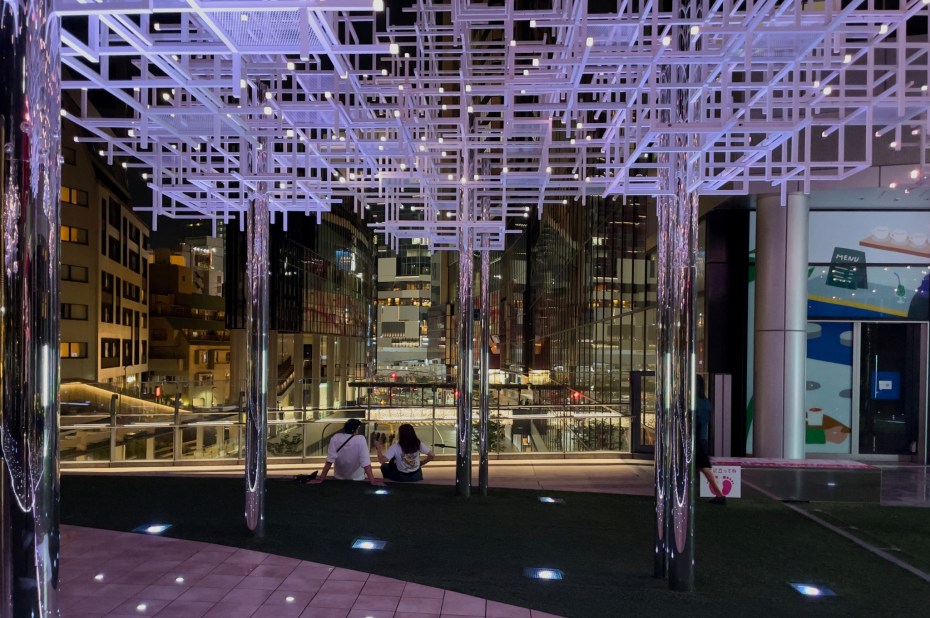
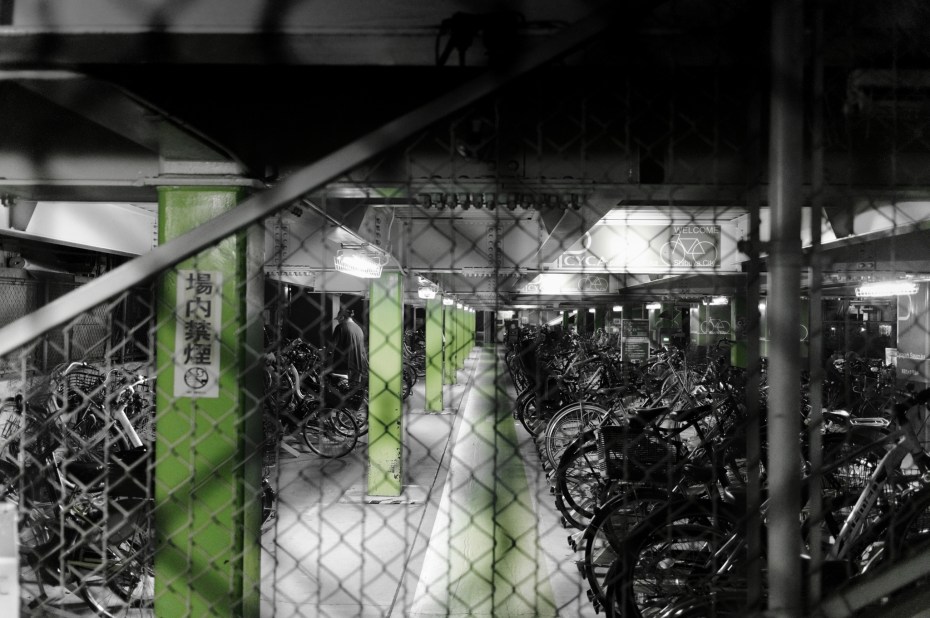
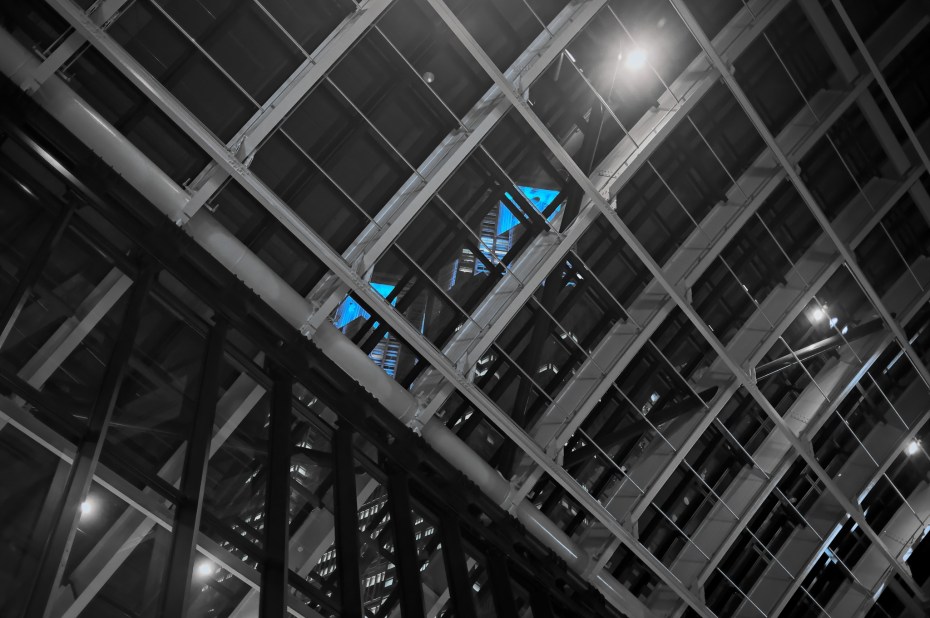
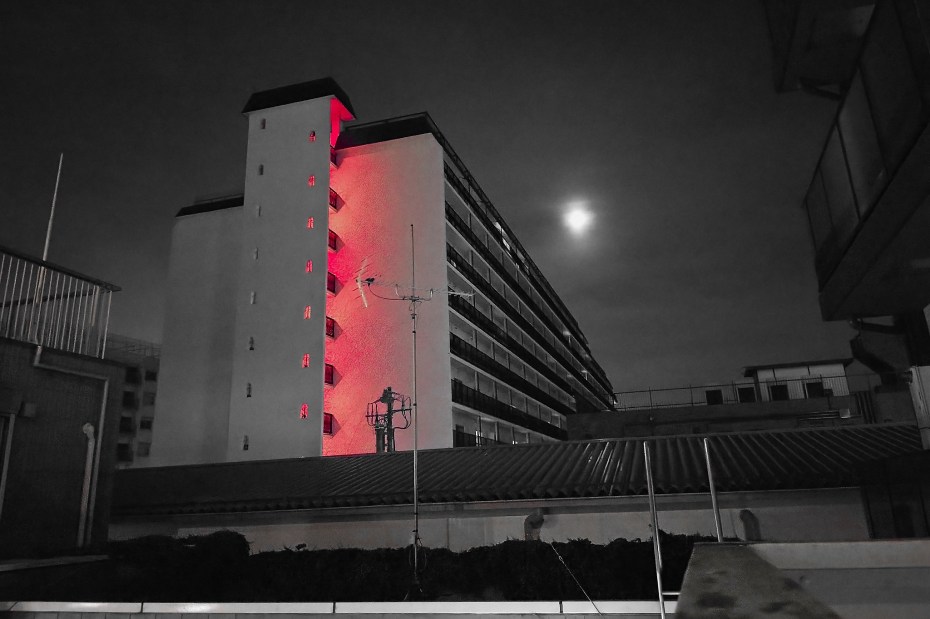
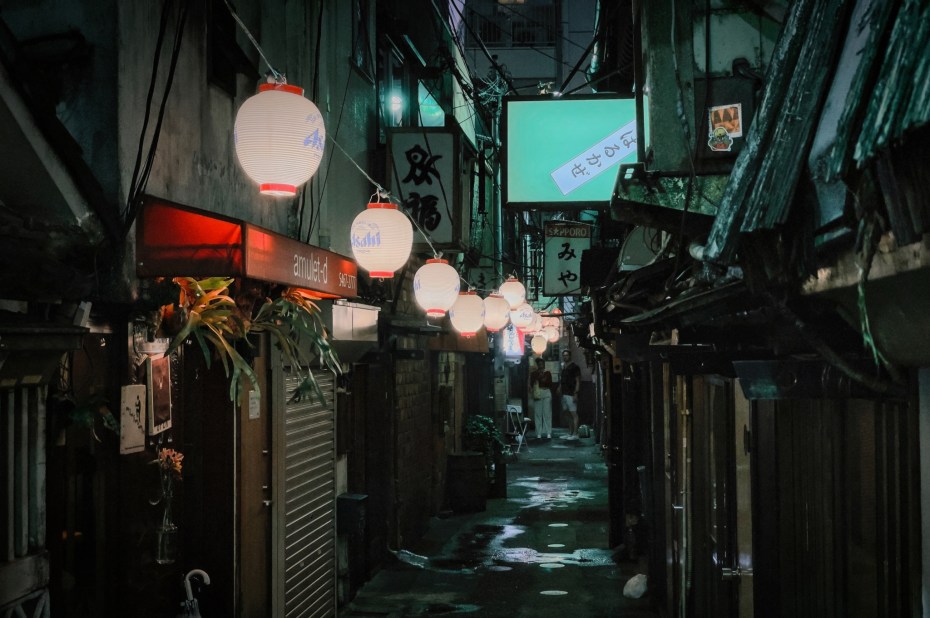
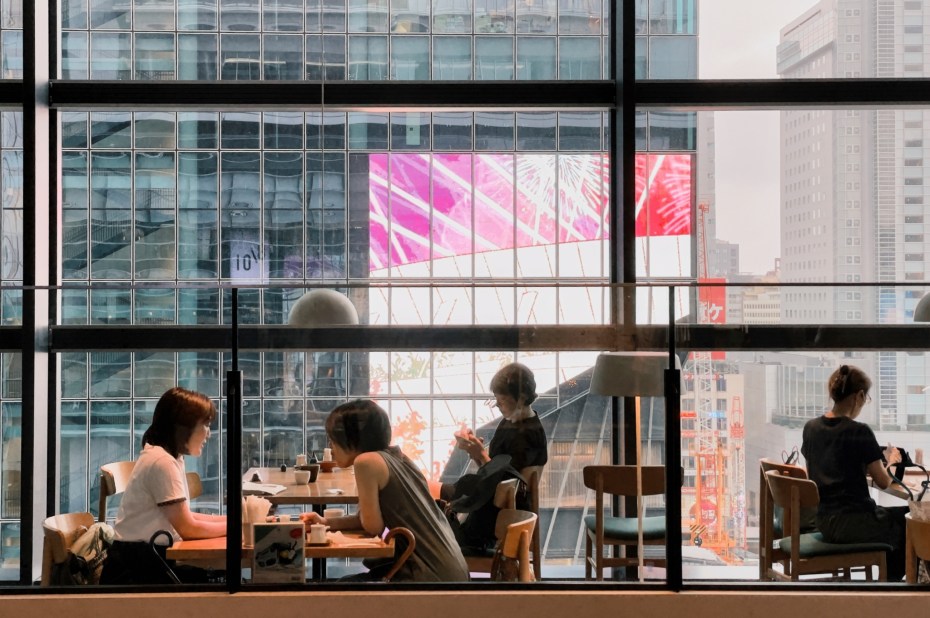
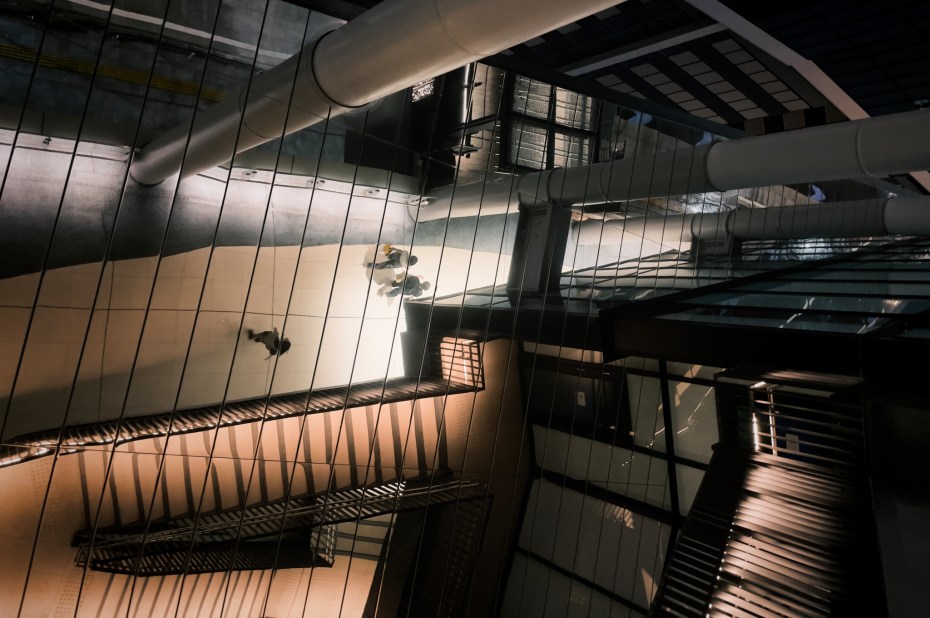
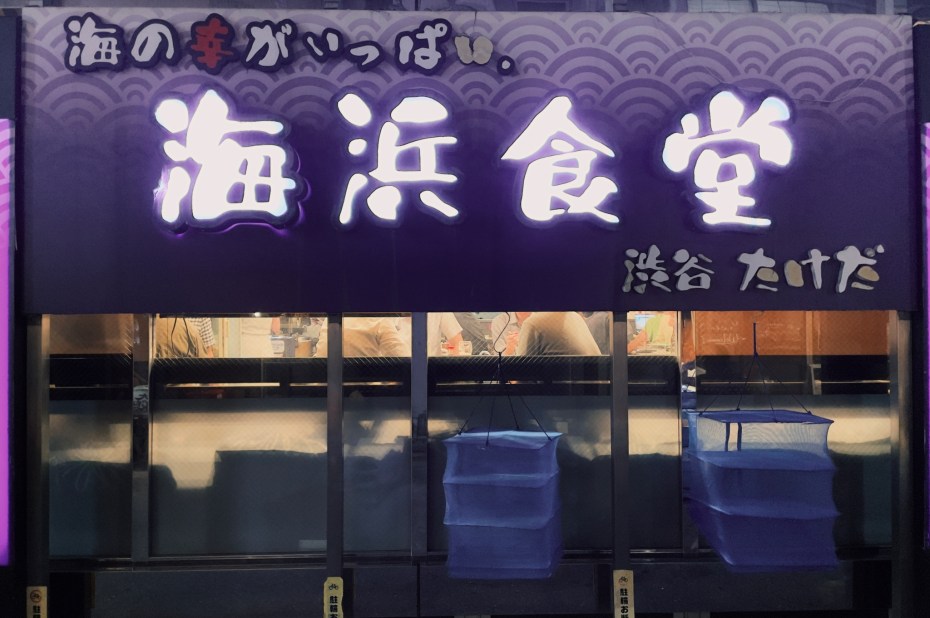
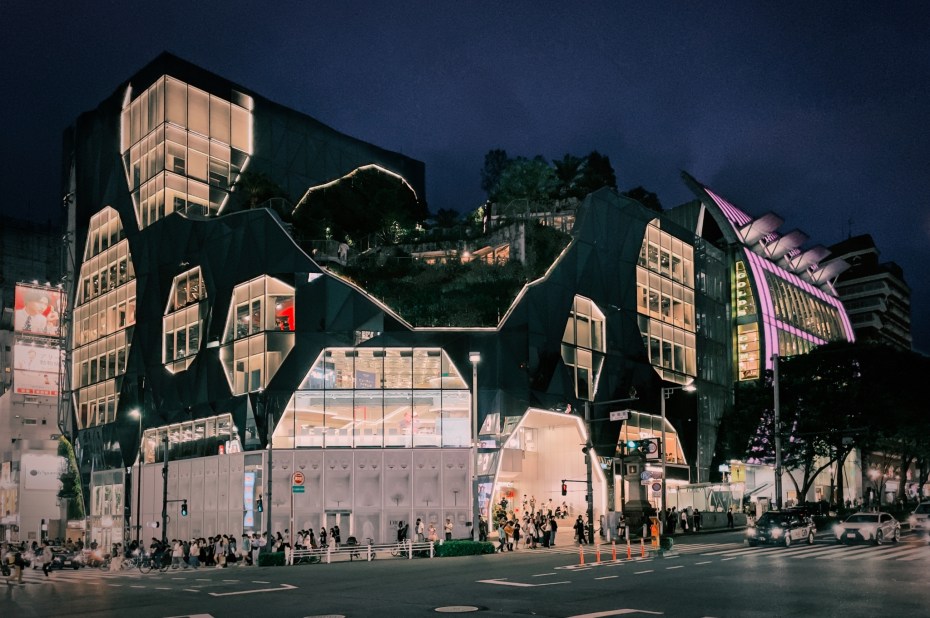
Shibuya, Tokyo is at the forefront of the city’s relentless reconstruction; an interzone where time-worn pockets of the past are increasingly superseded by modern simulacra and dwarfed by gleaming structures that dream of the future.

Patrick Witty is a photographer and picture editor with impeccable credentials, having worked at The New York Times, Time, National Geographic and Wired.
As much as I admire the above resumé, I’m even more impressed by his research-driven project Field of View, wherein he takes forensic looks at historically significant photos from the world of photojournalism and explores these together with related images, actions and events that occurred around the central images. The results are absorbing and illuminating. Earlier this month Witty did a deep dive into images containing the American flag. As fate would have it, days later there was an attempt to assassinate former President Trump, and THAT photograph of Trump — Secret Service agents, blood, defiance, and an American flag — captured by Evan Vucci not only became a global viral sensation, it instantly became another iconic moment in photojournalism. Much has been written about it and, of course, Witty did his own inimitable analysis: The Failed Assassination of Donald Trump.
Collage image credits L to R:
Joe Rosenthal; Sam Shere; Ali Jadallah; Malcolm Browne; Kurt Strumpf
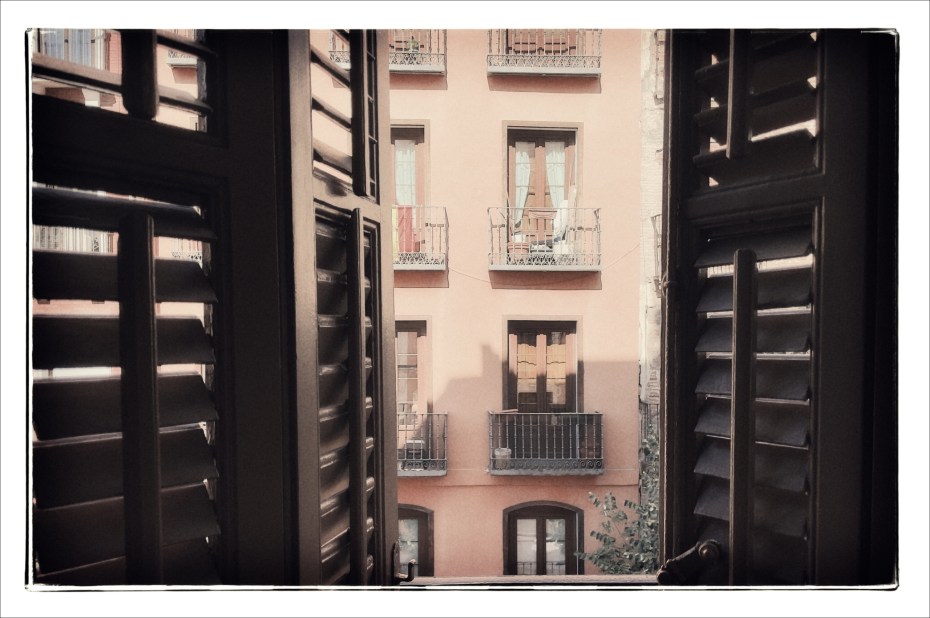
Continue reading ¡Hola!Maybe the greatest madness is to see life as it is rather than what it could be.
— Miguel de Cervantes
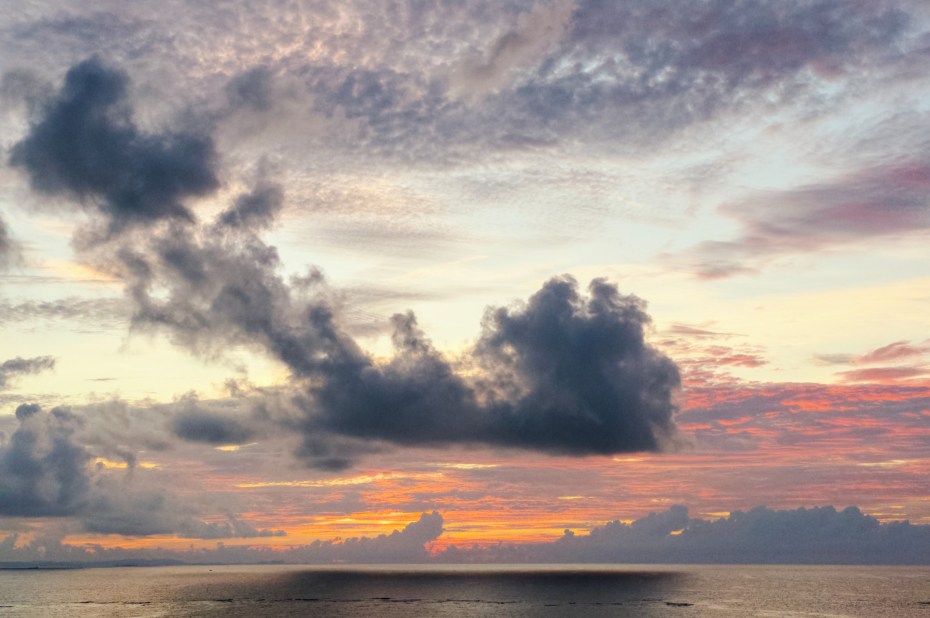
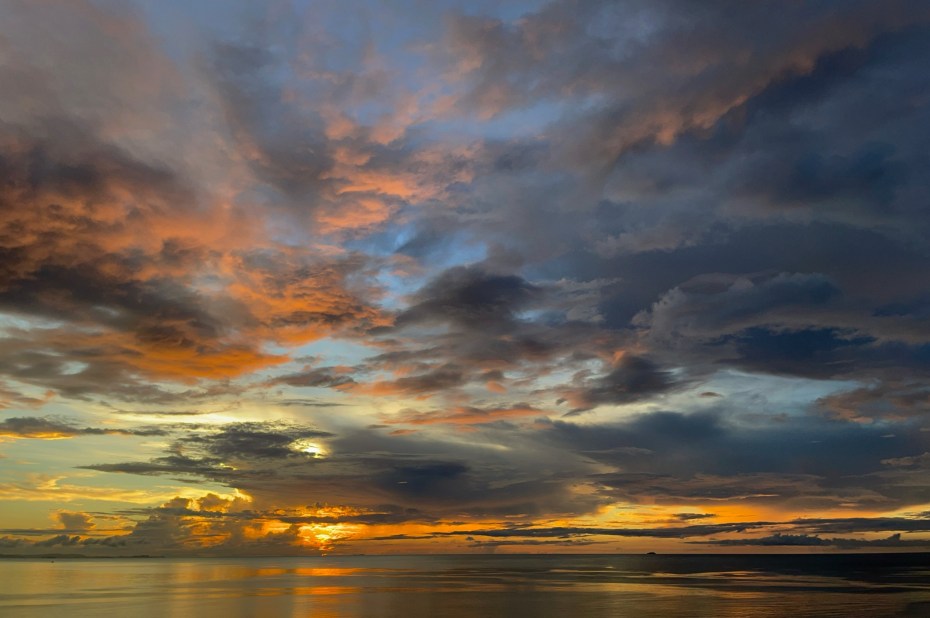
Back on Okinawa with its peerless Autumn skies.




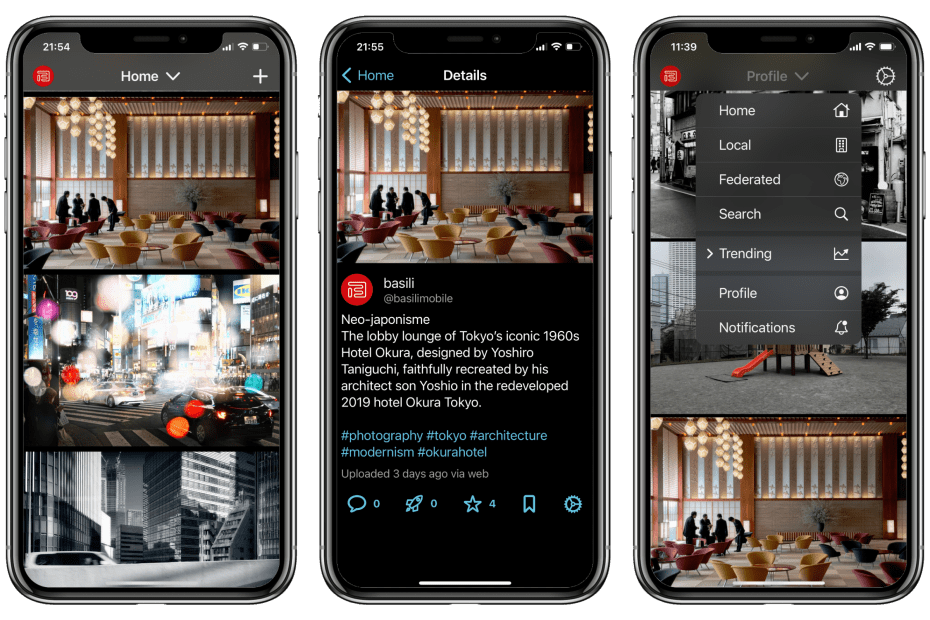
In my very first post here I bemoaned the decline of Instagram. The addition of this blog to my website came about because of this and trials with other contenders — 500px, Flickr, vsco, EyeEm, Tumblr, et al — that didn’t cut it for me. Now there’s a new possibility. Though Pixelfed has been around since 2018, I somehow only discovered it days ago. I have been trying Pixelfed out through the dedicated Vernissage iOS app and it’s largely through this prism that I will discuss my experience.
As Mastodon is to Twitter/X, so Pixelfed is to Instagram: a free, open source, decentralized photo and video sharing platform. Pixelfed works through a browser or as a web app, though native apps for Android and iOS have been in beta mode for some months and will eventually make it to their respective App stores. Pixelfed is also mostly compatible with Mastodon apps, while third party apps are currently available for Android and iOS. As I said, I am using the iOS app Vernissage. It’s a beautiful app: elegantly designed, free of clutter and so far, like Pixelfed itself, free of ads and spam, algorithms and data-mining, brands and influencers. It’s all about shared photos and artwork and, though I’ve yet to see any, videos. I’d like to think it’s pretty much like Instagram was in the good old days; of course that’s not really possible. The zeitgeist has changed since 2010 when Instagram arrived and it was novel, as were smartphones, and cat photos, selfies and memes had yet to become ‘things’. There wasn’t much of a community, and using it was simple — and fun. Pixelfed through Vernissage is a lot like that. It has the kind of simplicity and low-friction user experience that Instagram got so right in its earlier incarnations.
Scrolling through images or searching hashtags without intrusive promotional materials and gimmicky videos is enjoyable and brings to mind the simpler times of the nascent mobile internet.
Pixelfed is a social network, so there are Follows and Likes, Boosts, Bookmarks and Comments, though in Vernissage the details of these are hidden behind menus, keeping the focus on the images rather than social interactions and statistical validation. Pixelfed has some photo filters, but they are not in Vernissage. Users can post a photo or video, or an album of several photos totalling 15MB in size. In Pixelfed’s own app posting a larger collection of photos is also possible. Users can search via hashtags or for other users or they can scroll through trending images. There are privacy features such as muting, blocking and reporting accounts or disabling comments.
Pixelfed works much like Mastodon, with various federated instances hosted by different people in different places. Feeds, of which there are four, are satisfyingly chronological: Local – shows images from users on the same instance (pixelfed.social in my case); Federated – from users on other instances, including from Mastodon, so this feed can get cluttered with non-photography-related posts; Home – collected images posted from users you are following and your own posts, and Trending, as mentioned above, which also shows trending tags and accounts. Here too, there are plenty of non-photography-related options. To keep a focus on photography, I only move between Home, Local and Trending Photos feeds.
Of course, with under 200,000 users, Pixelfed currently doesn’t have the depth of photography that Instagram and Flickr before it had, and much of what I’ve seen doesn’t interest me — there are plenty of landscapes, birds, and bugs filmed with macro lenses. And there are cats. My account came with 7GB of server storage. Other instances may differ. I guess photos will be, or need to be, deleted should I reach that limit.
Pixelfed is unlikely to ever reach the heights of Instagram but that’s probably no bad thing. A relatively small but engaged and focused community makes for a calmer, more enjoyable networking experience. And Vernissage is a beautiful app that makes using Pixelfed a pleasure, just like Instagram used to be. I don’t know if I’ll stay, but for now it’s worth exploring.
Update: Vernissage is now called Impressia.
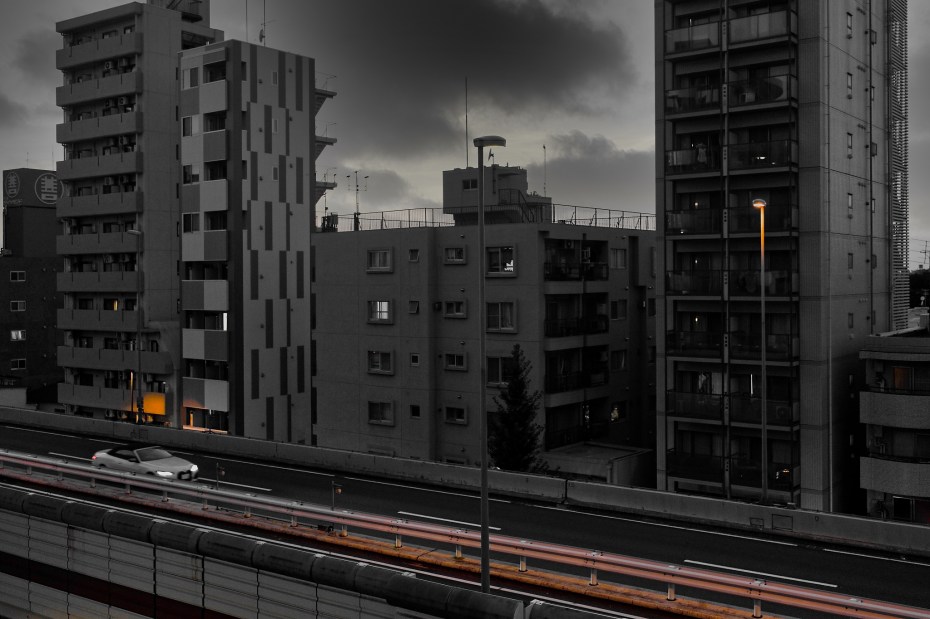
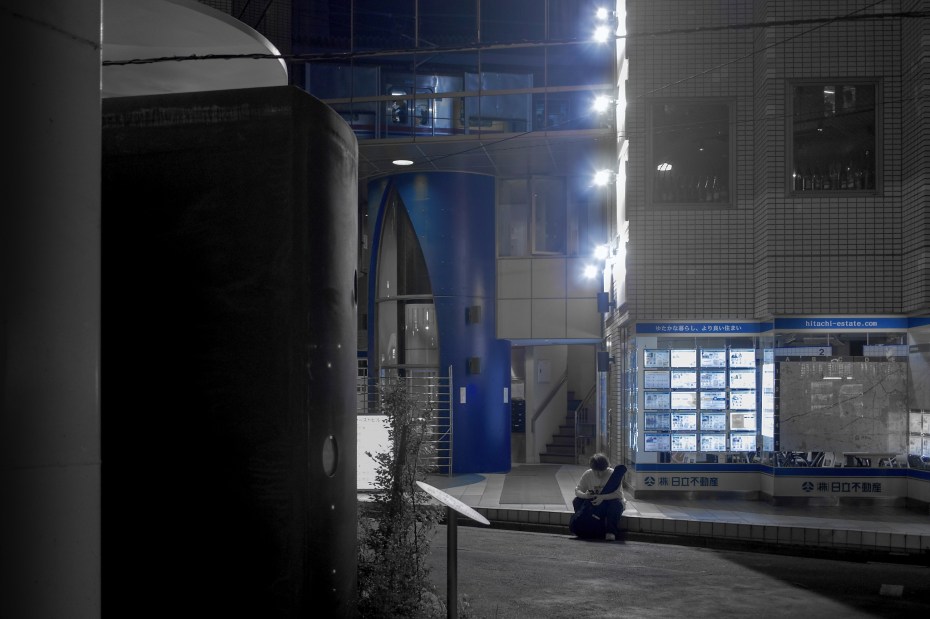


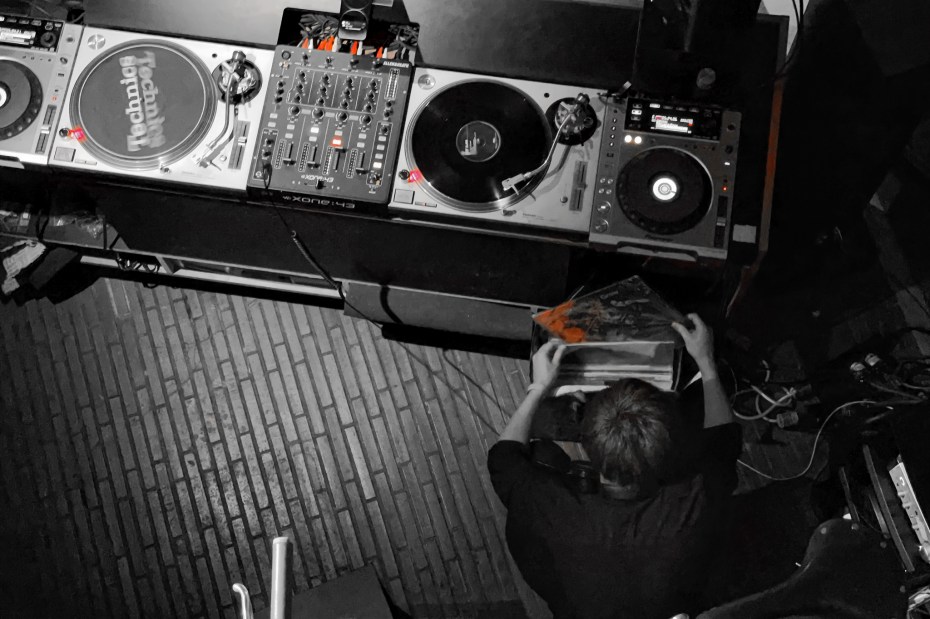
A new exhibition in Tokyo of Saul Leiter’s work has 400 or so images on display, including rarely seen and never previously publicly seen photographs. Visitors are also allowed to take photographs in the galleries — unusual, but a welcome gesture.
Saul Leiter Origins in Color starts with Leiter’s early monochrome work from the 1940s through the 1960s. What struck me here was how some of his early street shots weren’t that good, the young artist still finding his visual voice. An adjoining room displays a collection of monochrome portraits of ‘icons’: painters, musicians and photographers Leiter knew. Here, Leiter’s growing visual vocabulary is evident in his framing and use of light. The focus moves on to his fashion photography and features magazine spreads from publications like Harpers Bazaar and Elle that show many examples of Leiter’s now masterful creative visual language. Next up are painterly color photos grouped with original paintings by the artist. I’ve always thought Leiter a far better photographer than painter, but it was his painter’s sensibility that informed the quality of his photographs. Around the corner, mounted film transparencies are laid out on light tables and a recreated approximation of Leiter’s living area features a continuous slide show of some of his more well-known images. One can perhaps imagine Leiter sitting back in his New York apartment, with friends maybe, viewing his photos. Behind this gallery is the show’s theatrical highlight, echoes of the living room projections, as visitors enter a large darkened space, flanked by multiple larger than life projections of hundreds of Leiter’s images, their scale and the frequency with which they change threatening to overwhelm the viewer but nevertheless impressive, showing Leiter’s photographic genius in magnified detail. Finally, one exits through the inevitable — Leiter themed — gift shop.
Saul Leiter Origins in Color — At Shibuya Hikarie, Tokyo, until Aug 23

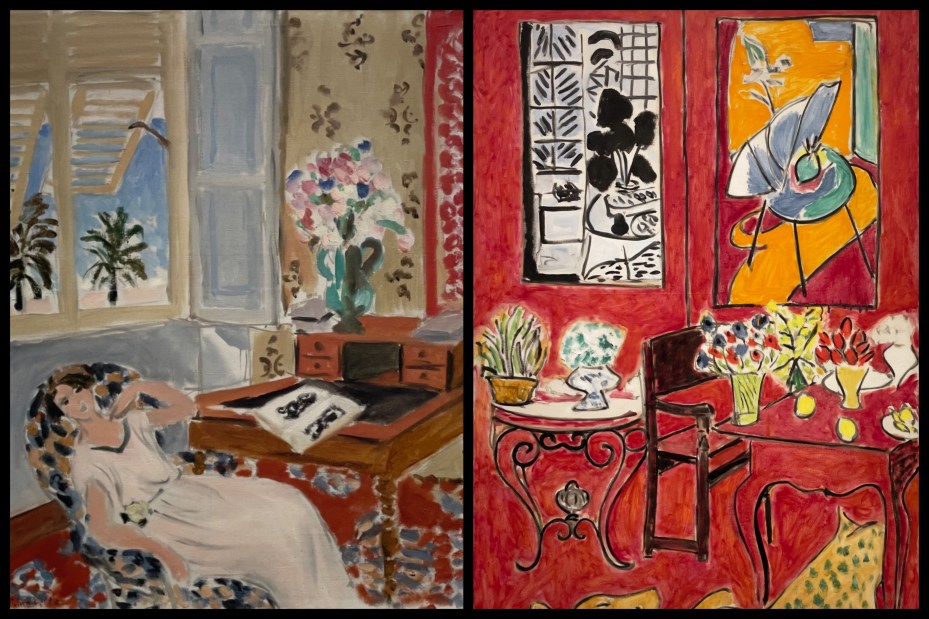
Meanwhile, across town, works from another master colorist are on display at the Tokyo Metropolitan Art Museum. Some 150 works from France’s Centre Pompidou comprise the retrospective exhibition Henri Matisse: The Path to Color. Photography is allowed in some areas.
Matisse was one of the great artists of his generation, his experimentation and innovative works helping to create and define 20th Century modernism. This exhibition is presented chronologically over three levels, from Matisse’s earliest oil paintings in the late 1800s to his iconic Jazz series of gouache paper cut-outs, abstract book cover designs, and the simple line drawings and stained glass art he created for the Chapel of the Rosary in Vence in the late 1940s. Progressing through a series of chapters of Matisse’s creative life, visitors can see his own progression from early pictorial works through the influences of Impressionism, Pointillism and Cubism on his technique and gradual abandonment of natural perspective and representation, as well as his increasingly adventurous use of color and development of Fauvism, to the pure abstraction and color blocks of his later works. Finally, here too, as part of the modern museum experience, visitors enter a comprehensively stocked and crowded gift shop before exiting to Ueno Park to digest the visual feast they were presented with.
Henri Matisse: The Path to Color — at the Tokyo Metropolitan Art Museum, Ueno, until Aug 20










 basili mobile images