Playtime

OKINAWA-202103-00002-LF


We don’t stop playing because we grow old; we grow old because we stop playing.
— George Bernard Shaw


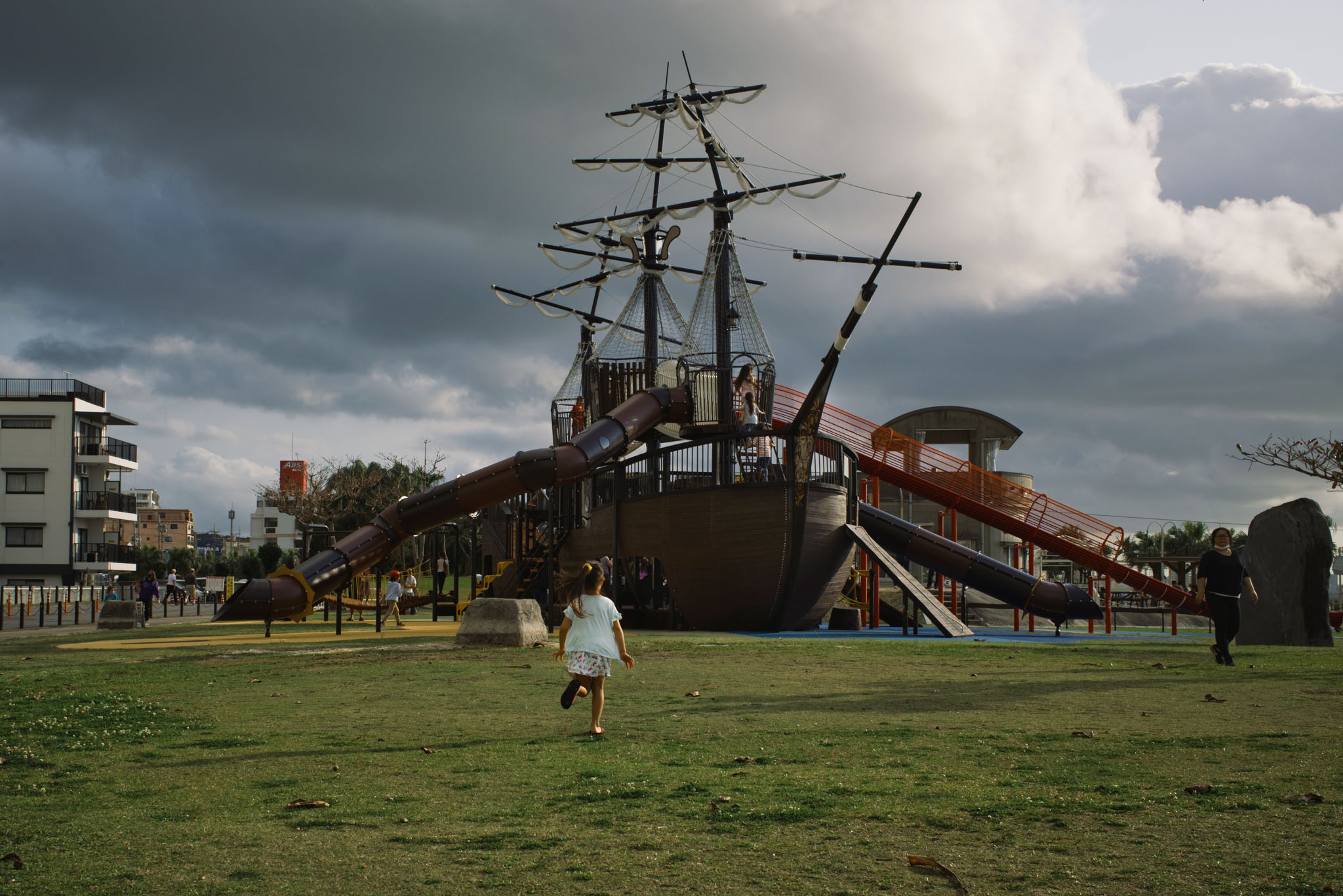
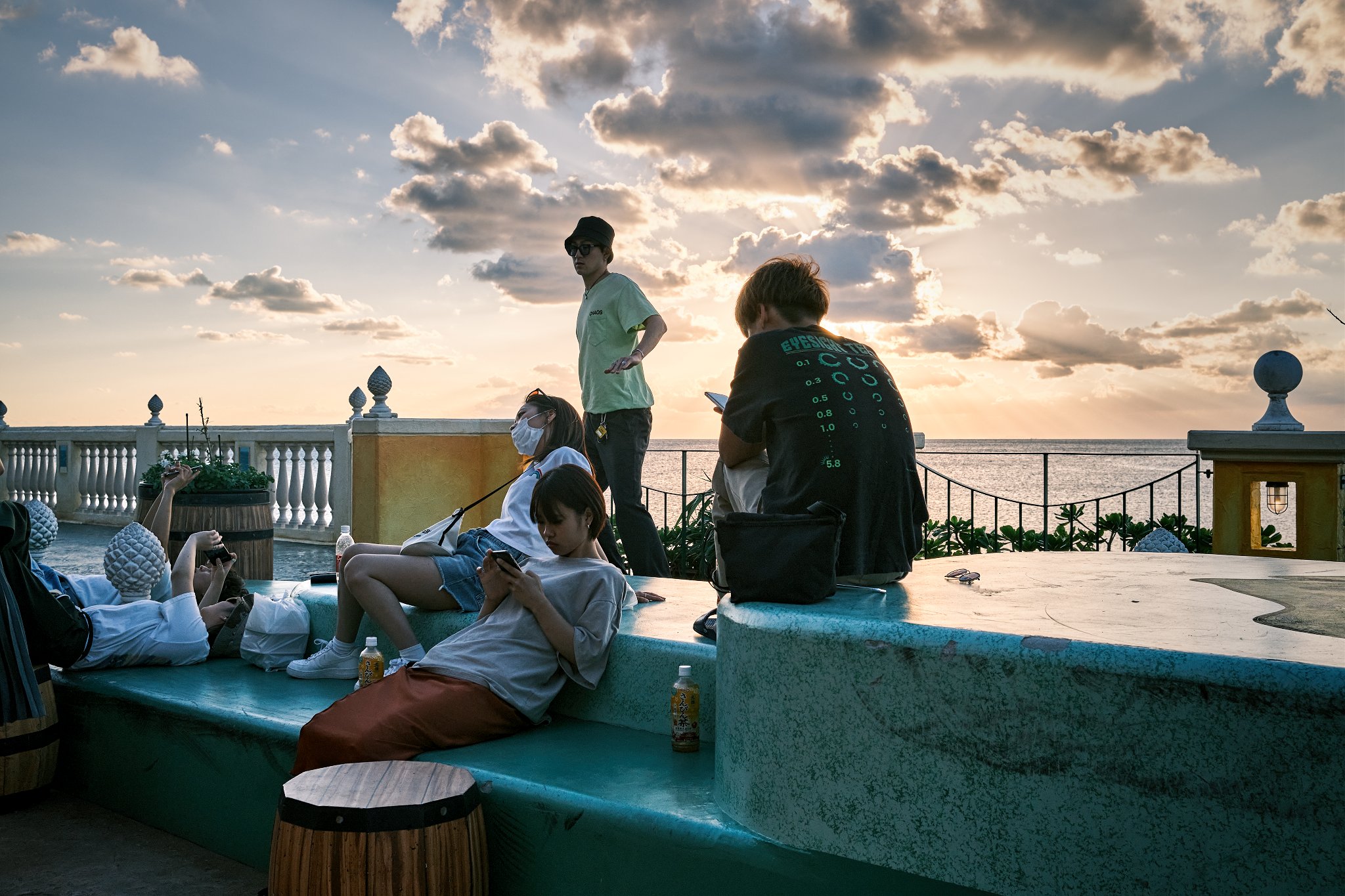
Play. A fundamental activity that kids totally get; get lost in; find focus; tap creativity; forge friendships; spark joy. Play is the realm of youth. It’s a tonic, a source of a lightness of being. For grown-ups play is more complicated. It’s often transformed into competition; it’s driven by goals; bound by rules. And tied up with money. The focus, creativity, friendships and joy are still all there, yet something — the purity, maybe, the spontaneity — is lost.

Still, it’s March. Here, at least, the winter lockdowns are over. It’s great to be outside. It’s Spring. It’s the perfect time to once again start to play.

Presence

OKINAWA-202011-00079-1

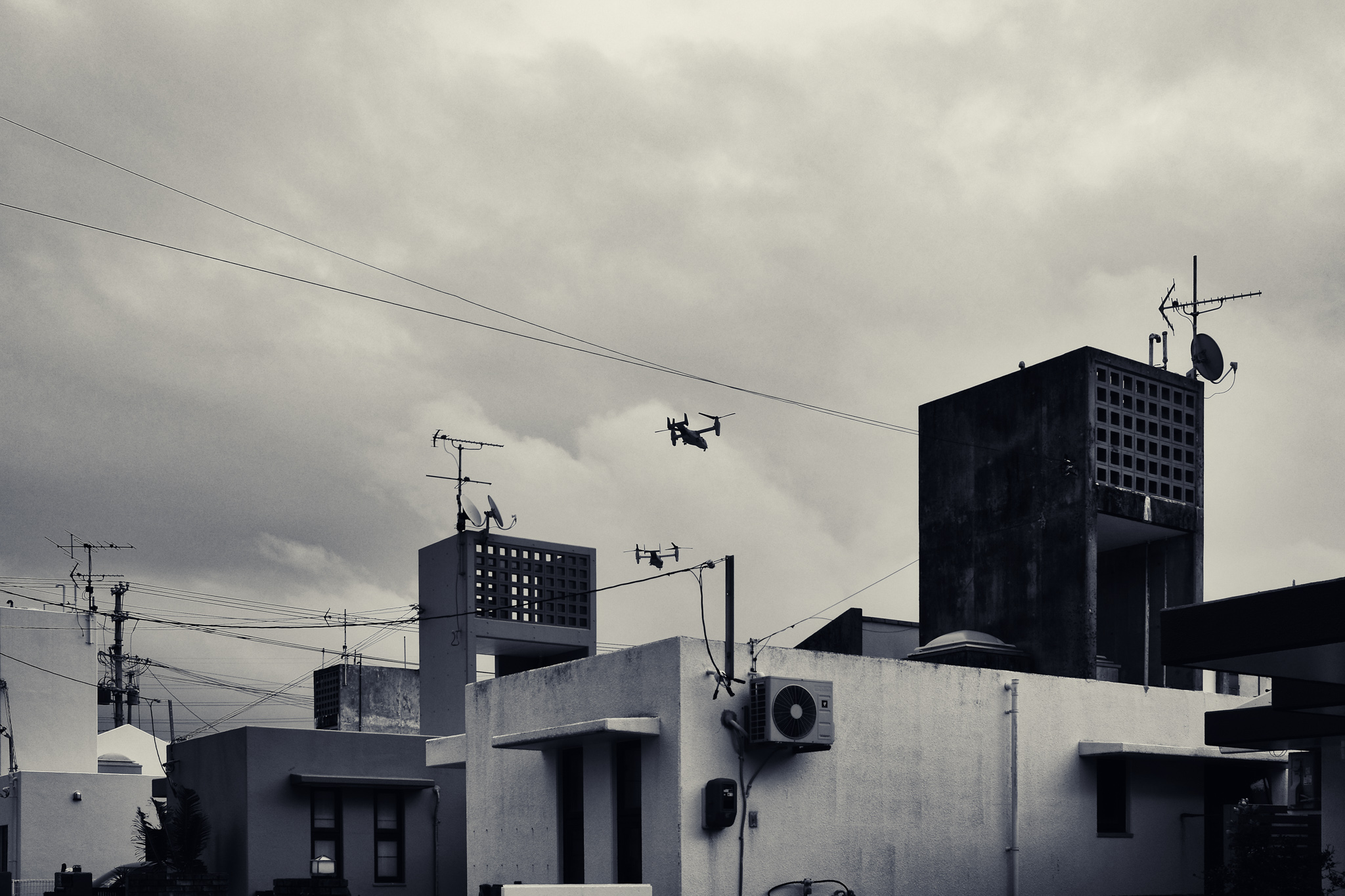
A quarter of the land on Okinawa’s main island houses American military bases, 32 of them, and there are more than 30,000 US military personnel living on the island, many with migrated families.

This presence doesn’t go unnoticed. Where I‘m living, in Chatan, tacos are as commonplace as sushi, and there seem to be burgers and steaks on menus everywhere. The patrons at nearby restaurant tables are as likely to be American as Japanese. The local Irish pub screens American football matches and plenty of places play nothing but American rock music. At times it can feel like there’s a glitch in the matrix.

Yet it’s in the skies that the presence is most imposing, where fighter planes’ thunderous roars routinely echo above as pilots perform their aerial training drills, flights of raven colored helicopters make their rounds, blades thwacking insistently, and huge military transporters disappear with a low rumble behind tower blocks on their descent to land.

OKINAWA-202102-00142-LFM

Budding flowers

OKINAWA-202101-00006

Coming of Age Day — 成人の日 seijin no hi — the annual celebration of, and by, Japanese who have reached the legal age of adulthood, marking their newly found independence and responsibilities. The second Monday in January, this year was an outlier.

Unsurprisingly, the pandemic that is playing havoc around the world with most people’s lives has managed to upend the seijinshiki celebrations, with events around the country cancelled or dramatically altered. Locally, groups gathered briefly and took photos in the village in a relatively low-key affair. I read that Yokohama was one city that did go ahead with a series of modified ceremonies for thousands of attendees, with the theme of ‘budding flowers’.

This year is also unique in that it’s the last that 20-year-old men and women in Japan will be recognized as coming of age. As of 2022, citizens who turn 18 will no longer be minors, they will be officially regarded as adults. It’s they who will be the budding flowers that don exotic furisode, evocative hakama or sharp suits, attend local government ceremonies, party into the night and celebrate their new status.

Happy New Year

OKINAWA-202011-00088


There’s a new world comin’, and it’s just around the bend.
There’s a new world’s comin’, this one’s coming to an end.
There’s a new voice callin’, you can hear it if you try.
And it’s growin’ stronger, with every day that passes by.
There’s a brand new mornin’, rising clear and sweet and free.
There’s a new day dawnin’, that belongs to you and me.


Nina Simone: New World Coming Lyrics © Sony/ATV Music Publishing LLC
Songwriters: Barry Mann / Cynthia Weil

Christmas

OKINAWA-202011-00169

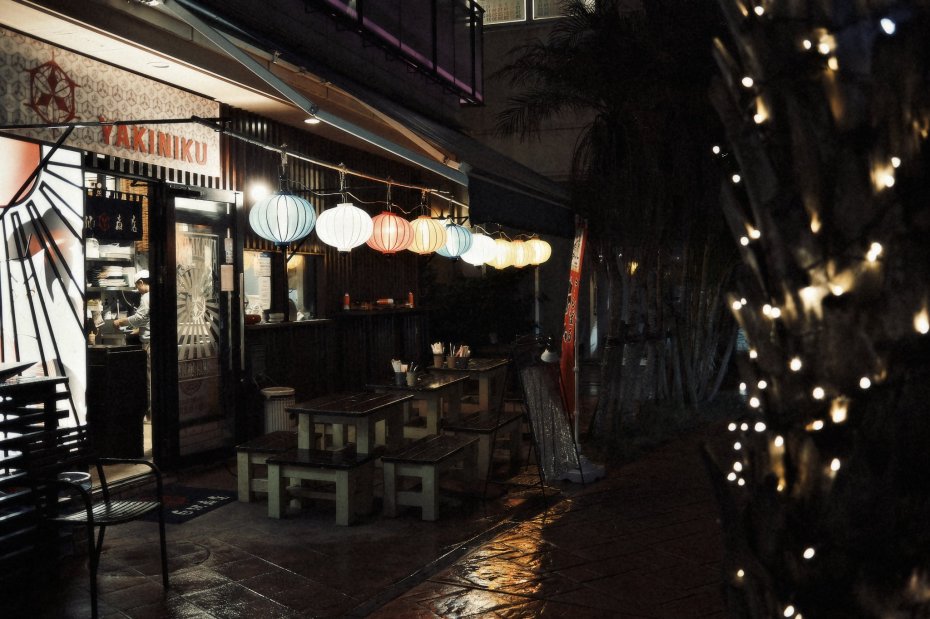
What a year. The ground beneath our feet turned to quicksand. Grim news everywhere we looked. I am more than happy to see the end of 2020.

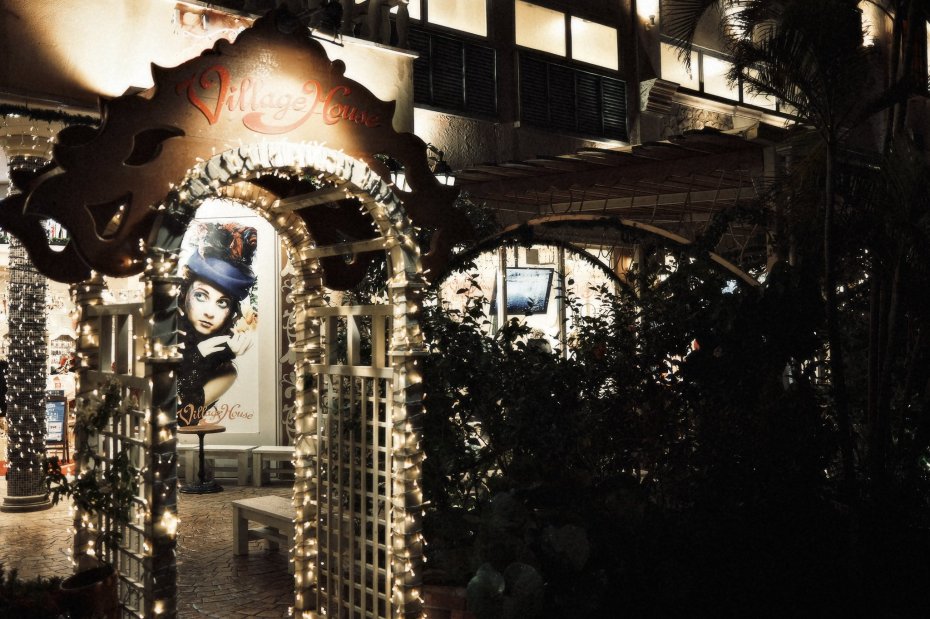
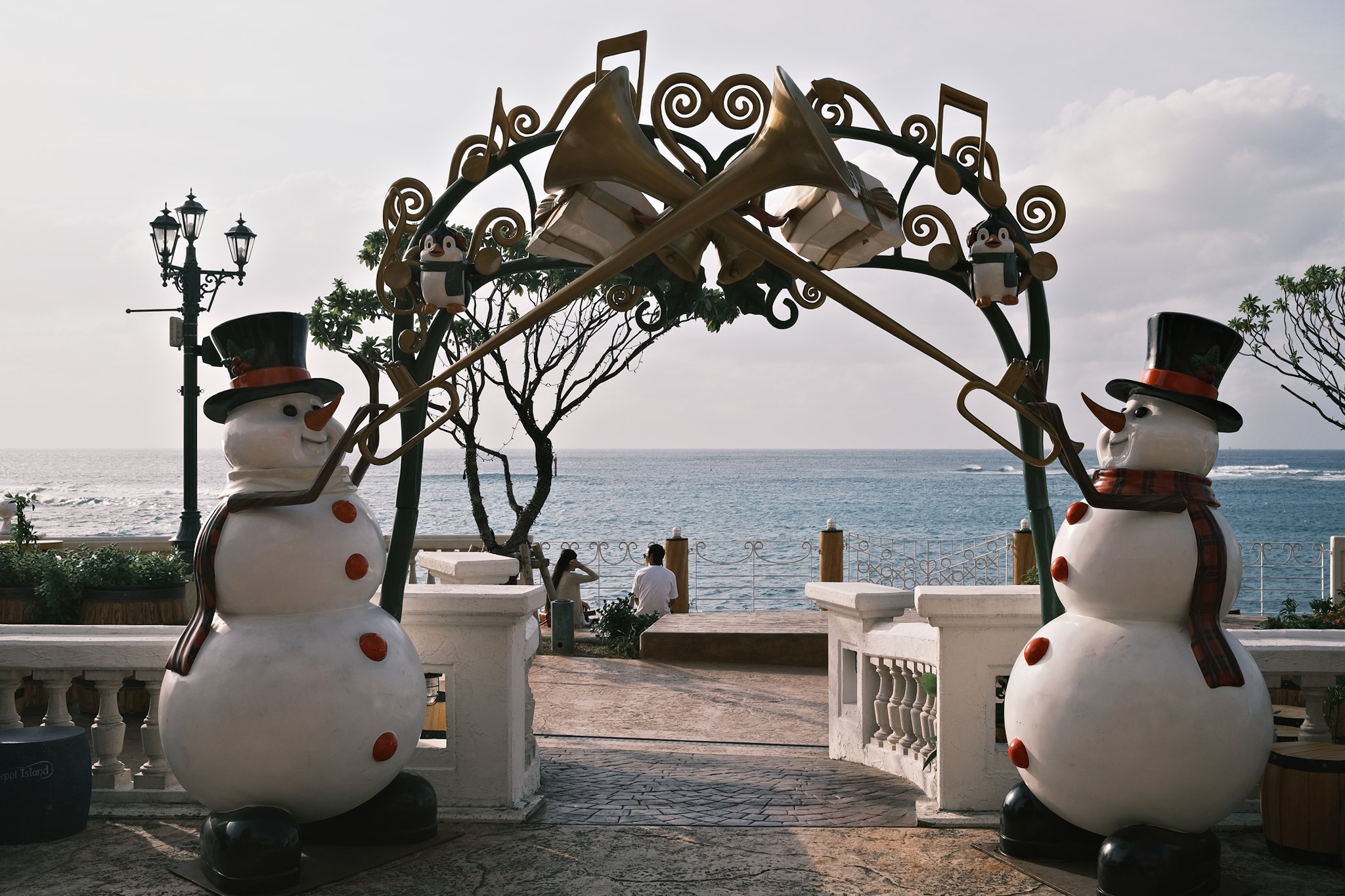
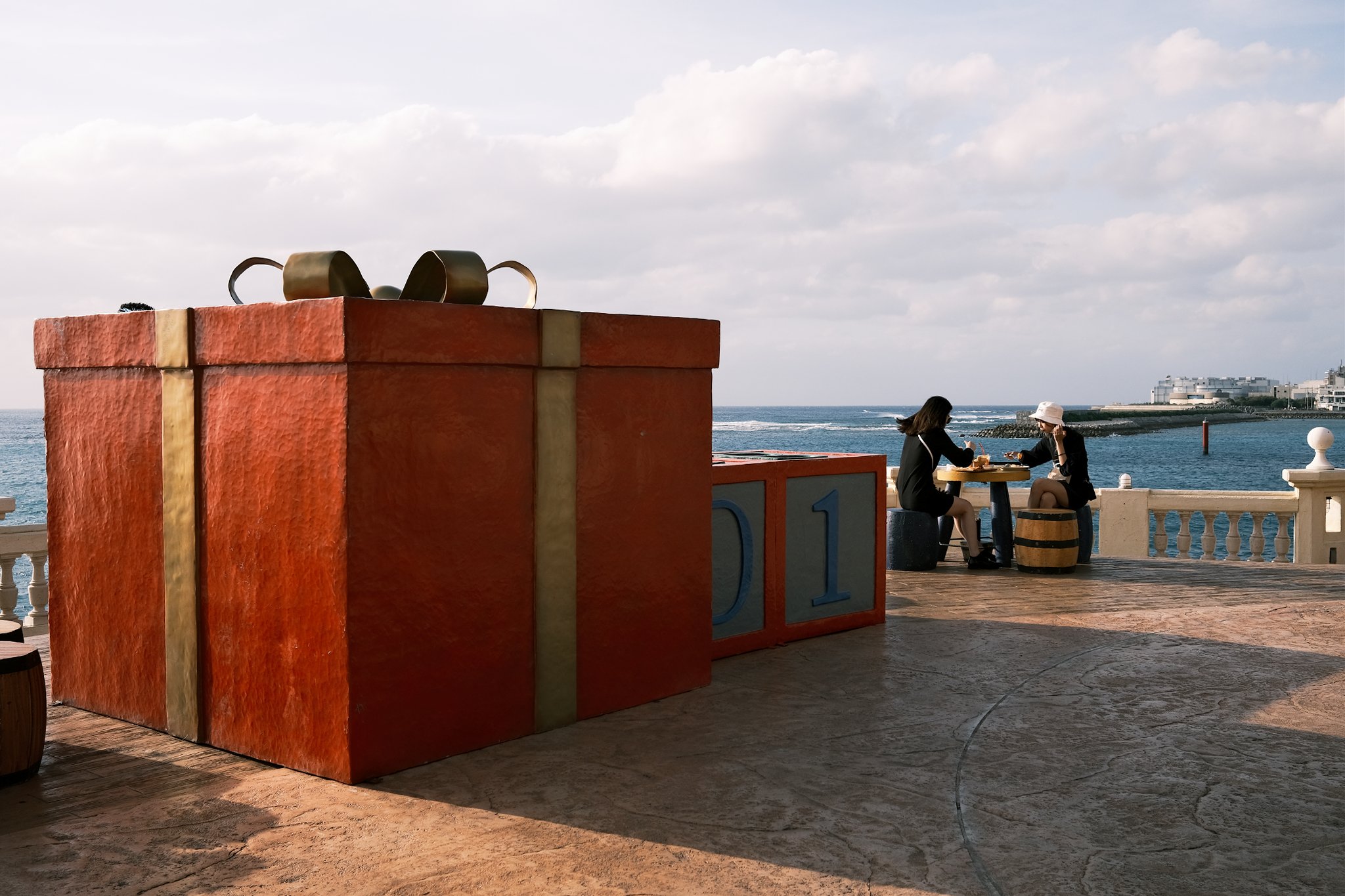
Still, the theater of life goes on; as much as they can, the rituals that serve as our anchors continue, encouraging markers amid the turmoil of this current life. In the village, the kitsch Christmas decorations appeared weeks ago, playfully lightening the mood, alluding to a normality we once took for granted.

And amid the grim news stories, there are glimmers of light in the world as the sun prepares to rise on a new year. Here’s to a better 2021.

OKINAWA-202011-00035

OKINAWA-202011-00042

OKINAWA-202011-00034

OKINAWA-202011-00193

Kei

OKINAWA-202011-00133

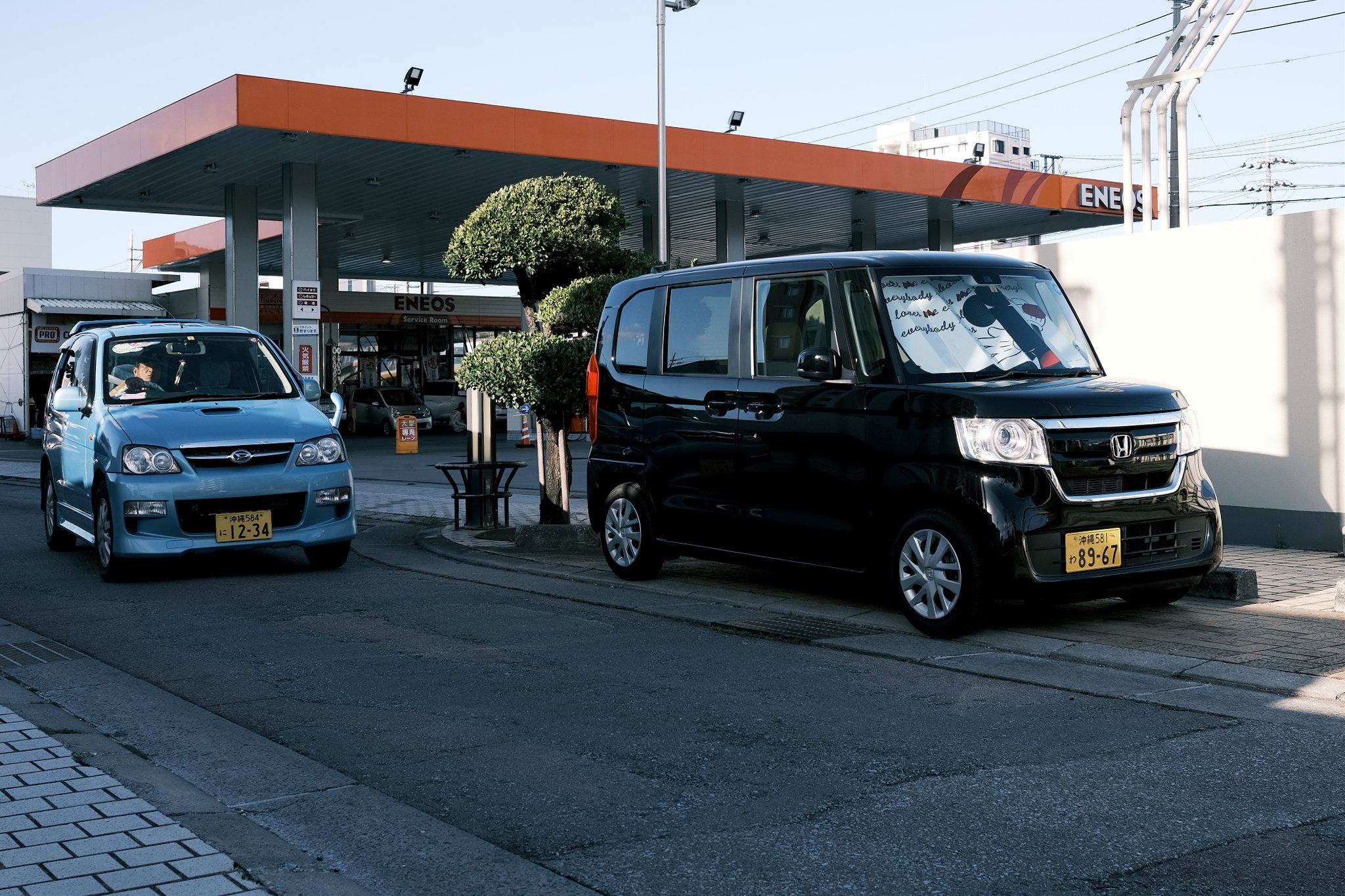
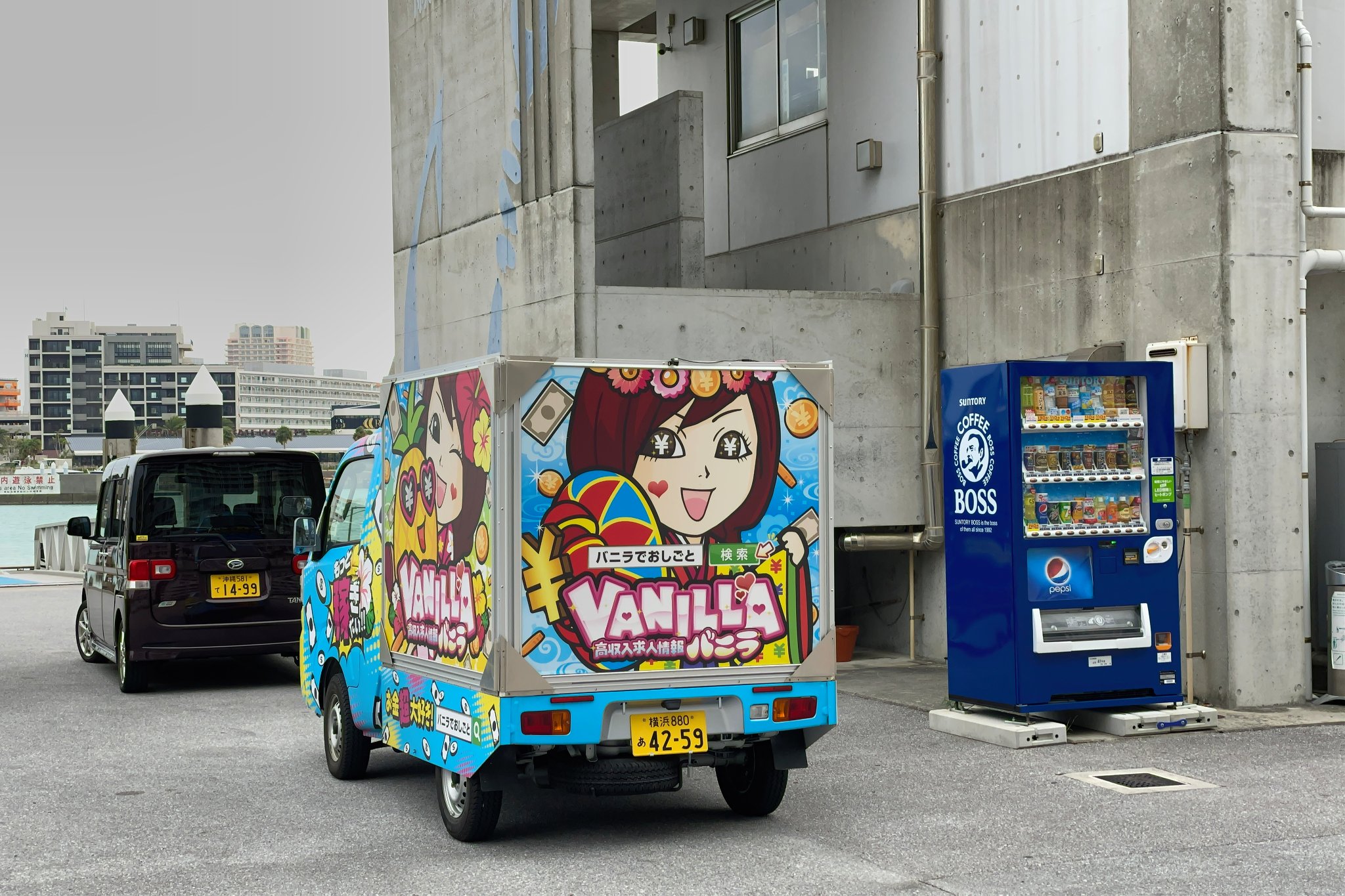
Kei jidosha. Micro cars. A quintessentially Japanese product that dates back to the end of the war, the kei car is small in dimensions, low in power, in price and in running costs — but offers big savings in taxes and insurance premiums as well as on petrol bills.

Though they began life as cheap alternatives to motorcycles for a relatively poor populace, through the decades there have been some impressive offerings among kei cars, such as the Mazda R360 coupé (1960) or the convertible Suzuki Cappuccino (1991) and the Honda S660 roadster (2015), but today the go to vehicles for kei buyers are micro vans like the Honda NBox, Daihatsu Move, Suzuki Palette and Nissan Cube3.

Statistics state that more than 30% of cars sold in Japan are kei. I don’t have formal data on Okinawa, but empirically — stand on any street corner or walk through any car park and look at the cars — the compact kei van is the vehicle of choice for a great number of local drivers. To each, his or her own, and there are of course economic imperatives that underlie this state of affairs, but for me, it’s dispiriting to see the place teeming with soulless cookie-cutter metal boxes on wheels.
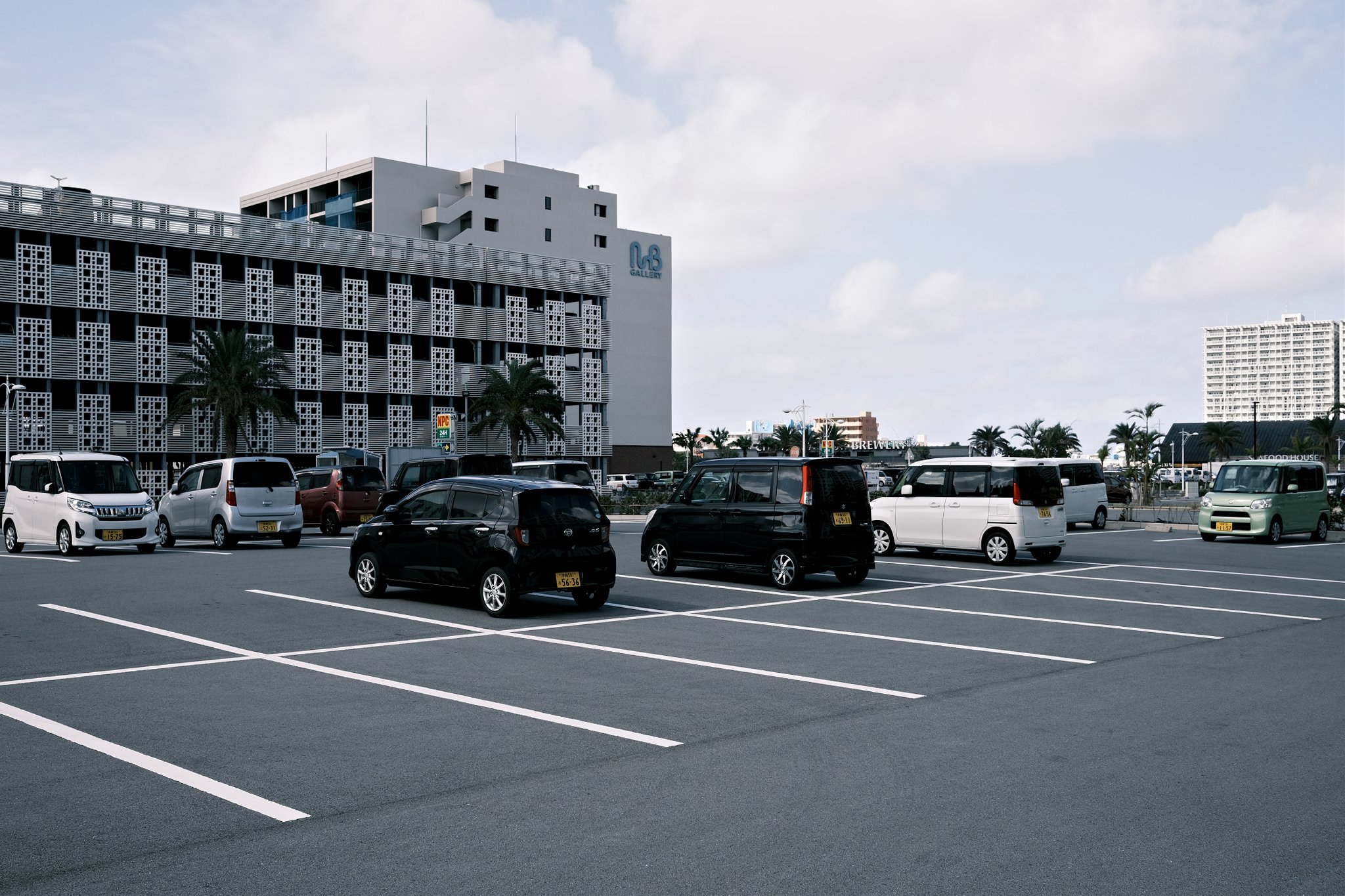
OKINAWA-202011-00131

Some years ago, on a trip to Okinawa, I found myself in the basement car park of the hotel I was staying at, where I came across a wonderland of parked vintage cars, some fifteen or twenty of them: old Ferraris, Porsches, Aston Martins and the like, all in pristine condition; enthusiasts’ cars gathered for an event of some sort I guessed. Stumbling upon such a concentration of design ingenuity and beauty — and rarity too — was delightful. It was as close as most of us get to cars like this. But that doesn’t matter. For the brief time I spent admiring them, I was like an excited kid in a toy shop, totally absorbed, a smile on my face — and I left that car park feeling pretty good. Those old cars, designed with care and passion, and consequently cared for and loved by their passionate owners, have delighted people for decades. So different to all the disposable metal boxes that will end up at scrap yards. Not all cars can be Ferraris or Porsches, but even at the other end of the spectrum there have to be better driving solutions than these.

OKINAWA-PH-202011-00014