Olympiad

A day after Brazil defeated Germany in the opening round of the mens’ Olympic football tournament, the opening ceremony of the Games of the Thirty-second Olympiad got under way. You’d imagine it would be the other way round but these are strange times.

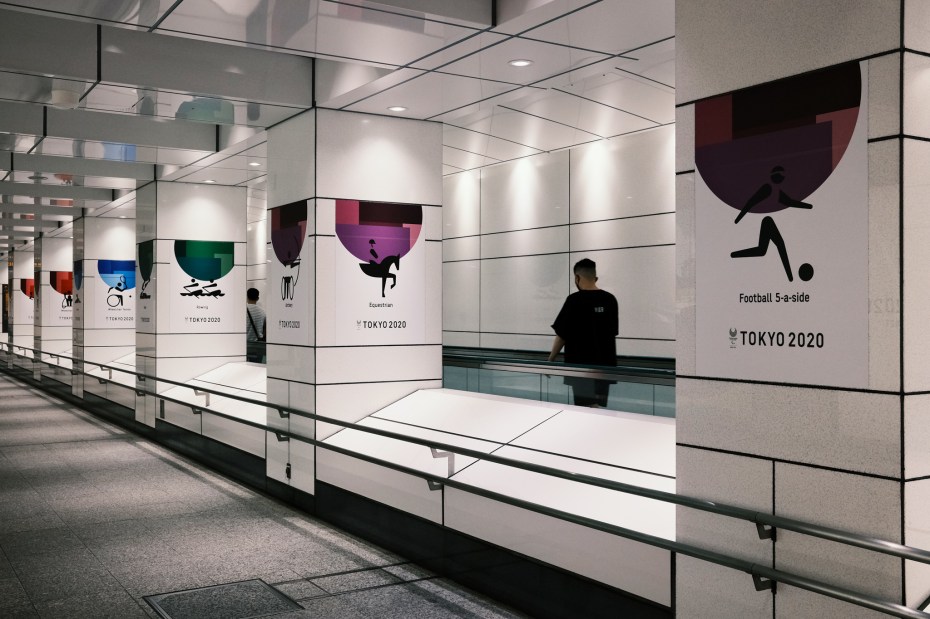
I’m ambivalent about these Tokyo 2020 Olympics, but I watched the televised ceremony, watched the fireworks, drones and digital projections, the singing and dancing, speeches and pantomimes broadcast from an all but empty stadium. It was a long kaleidoscopic spectacle in need of a cohesive vision; most of it left me cold.

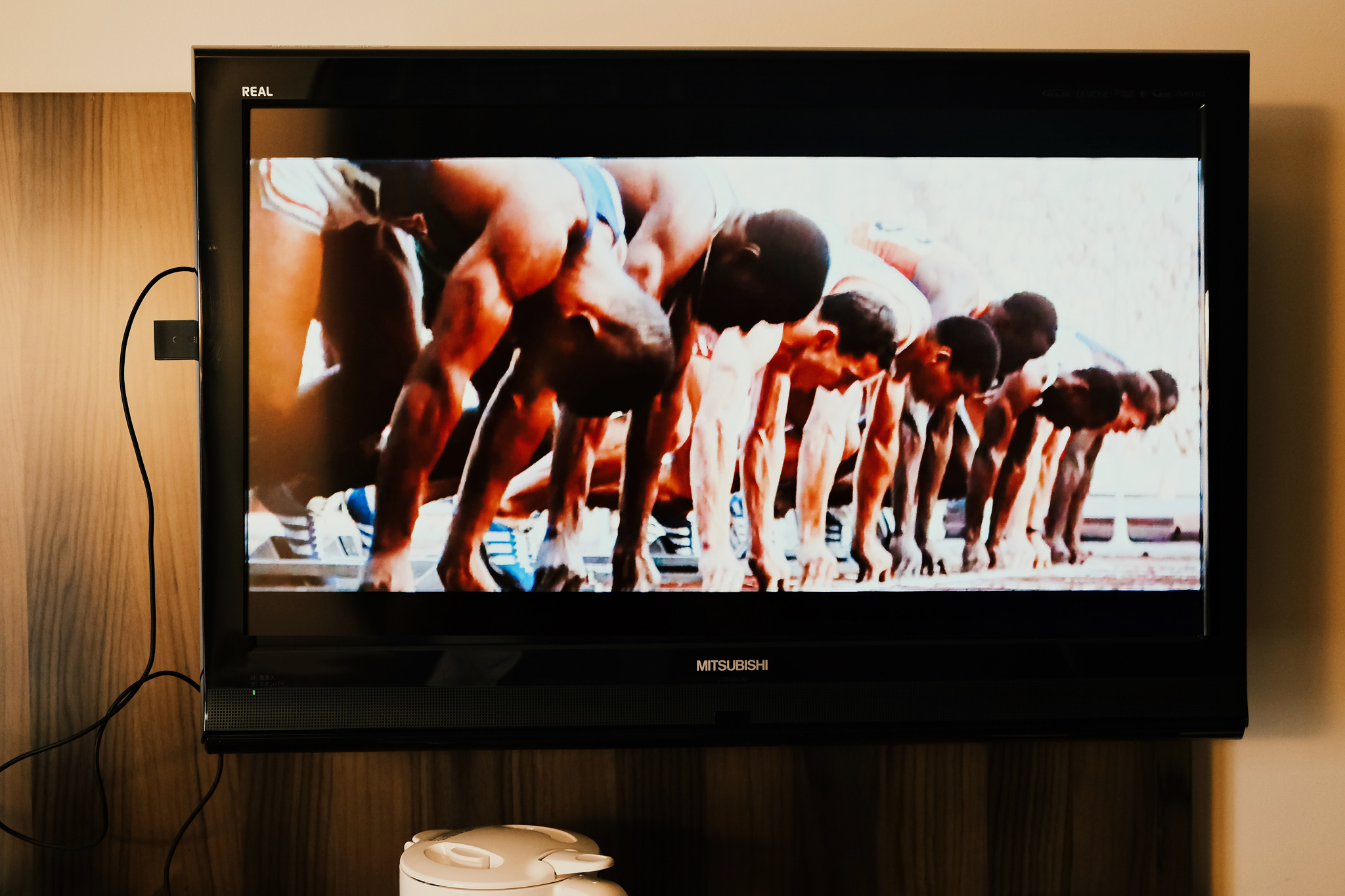
This week I also watched Tokyo Olympiad, Kon Ichikawa’s rightly celebrated record of Tokyo’s 1964 Summer Olympics — games that were in a way the realization of the 1940 Tokyo Olympics that were cancelled due to war.

I have no ambivalence about the 1964 Games of the Eighteenth Olympiad. They were Tokyo’s reintroduction to international society after the devastation of the Second World War. They showcased an optimistic, advanced and determined nation literally risen from ashes — Japan amassed the third highest medal tally in 1964 and grew to become the world’s second largest economy four years later — as Ichikawa’s lyrical documentary shows a simpler time. In contrast to this year’s multimedia prime-time production, the daytime crowds in the arena in 1964 saw thousands of colored balloons and live doves released to the skies. Its competitors were students, carpenters, accountants and mechanics; there were no multi-millionaire professional athletes. The cost of the 1964 games, no doubt expensive for the time, was a fraction of 21st Century Olympic budgets. Still it covered some impressive infrastructure, a legacy that can still be seen in the city today: a monorail line to the airport, overhead highways, the shinkansen bullet train, new broadcast and communications technologies, and landmarks such as Yoyogi National Gymnasium chief among them.

The 1964 games were a boon for Japan. Tokyo 2020 — the most expensive summer Olympics in history — was also meant to help revive the country, to kickstart a moribund economy, to heal the pain inflicted by the 3/11 earthquake and tsunami in 2011, to advertise the nation to the world. But no one foresaw a global pandemic. I don’t know what the benefits or legacy of these games will be but I doubt they will match those of the 1964 Olympiad.
Tokyo Redux

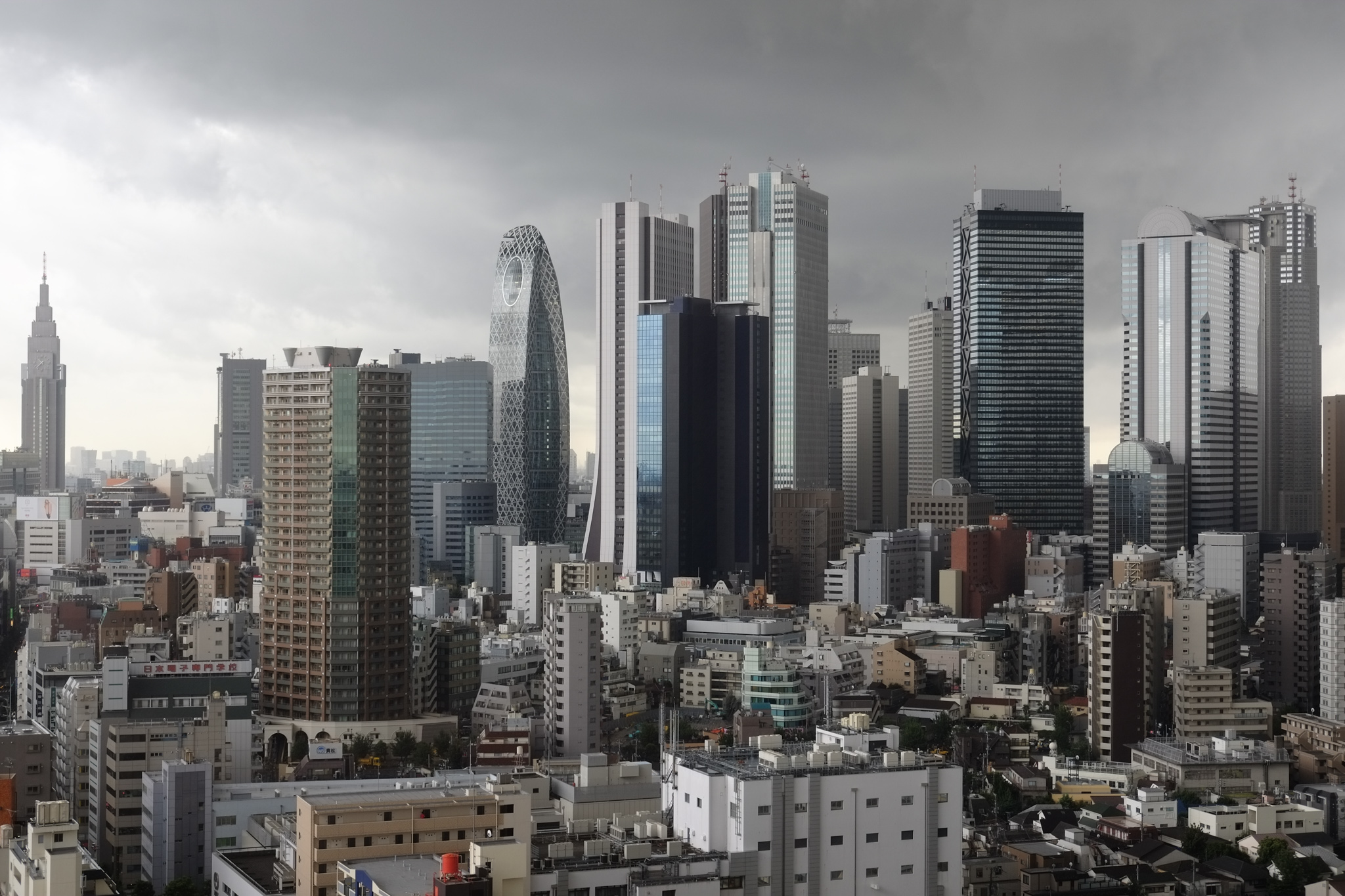
Look at the breadth of this city, the height of its buildings, the speed of its trains and the wealth of its people. This city that was once ash, that was then wood, fields of ash and forests of wood, that is now concrete, steel and glass, mile upon mile of concrete, steel and glass.

British writer David Peace returns to Tokyo with his latest publication, the final volume of a trilogy of historical crime novels set in post-war Tokyo that I am very much looking forward to reading. In preparation, I’ve begun re-reading the two earlier novels. It’s been a long time between drinks, as they say. The first book, Toyko Year Zero was published in 2007. Occupied City followed in 2009. Fictionalized accounts of actual murders that were committed in Japan’s Shōwa era, the two books — stylistically and formally adventurous and steeped in dark hallucinatory atmospheres — focus on Tokyo in the years immediately after the country’s surrender and occupation by the American military: 1946 and 1948 respectively. The final book in the trilogy, Tokyo Redux, concerns itself with a murder committed in 1949, but also visits the city in 1964, the apex year of the Tokyo Olympics, and 1988, during the dying days of the Emperor Hirohito and the Shōwa era.

Obviously the bleak city envisioned in Peace’s trilogy is far removed from the Tokyo I know, but Tokyo Redux appeared just weeks before my own impending return to the city, to a place that continues to grapple with the demons of a pandemic that refuses to die and whose hapless leaders struggle to balance economic and public imperatives. In this atmosphere, the book should be a stimulating companion as I reacclimatize to life in Tokyo.

Memories

It’s only been ten months, yet it feels like…maybe not a lifetime, but it certainly feels like I’ve lived a life here. New routines were formed, friendships made, regular haunts frequented, notable destinations explored, local idiosyncracies discovered, seaside locales enjoyed.

It’s been a peculiar time to be here on Okinawa, the level of social and commercial activity repeatedly recalibrated under successive states of emergency, the place for the most part devoid of tourists, unusually quiet as a result. I’m heading to Tokyo next month. I’ll be there for a while — a few weeks, possibly longer — and there’s plenty to look forward to in Tokyo, but while I’m away I’ll miss life on this island with its easy rhythms and simple pleasures, its blend of cultures, warm weather and easily accessed beaches, an absence of crowds and a wealth of luxuriant open spaces. Needless to say I have plenty of photos to tide me over until my return, and memories too. So I won’t say sayonara; rather, ja ne.

Tsuyu

One of the features of Okinawa’s subtropical climate is the sheer amount of rain that falls on the island throughout the year. While it’s manna to the local flora, and can make for a refreshing change from the plentiful dry, sun-drenched days that grace the place, at times Okinawa is unrecognizable from the idyllic travel posters that bear its name.

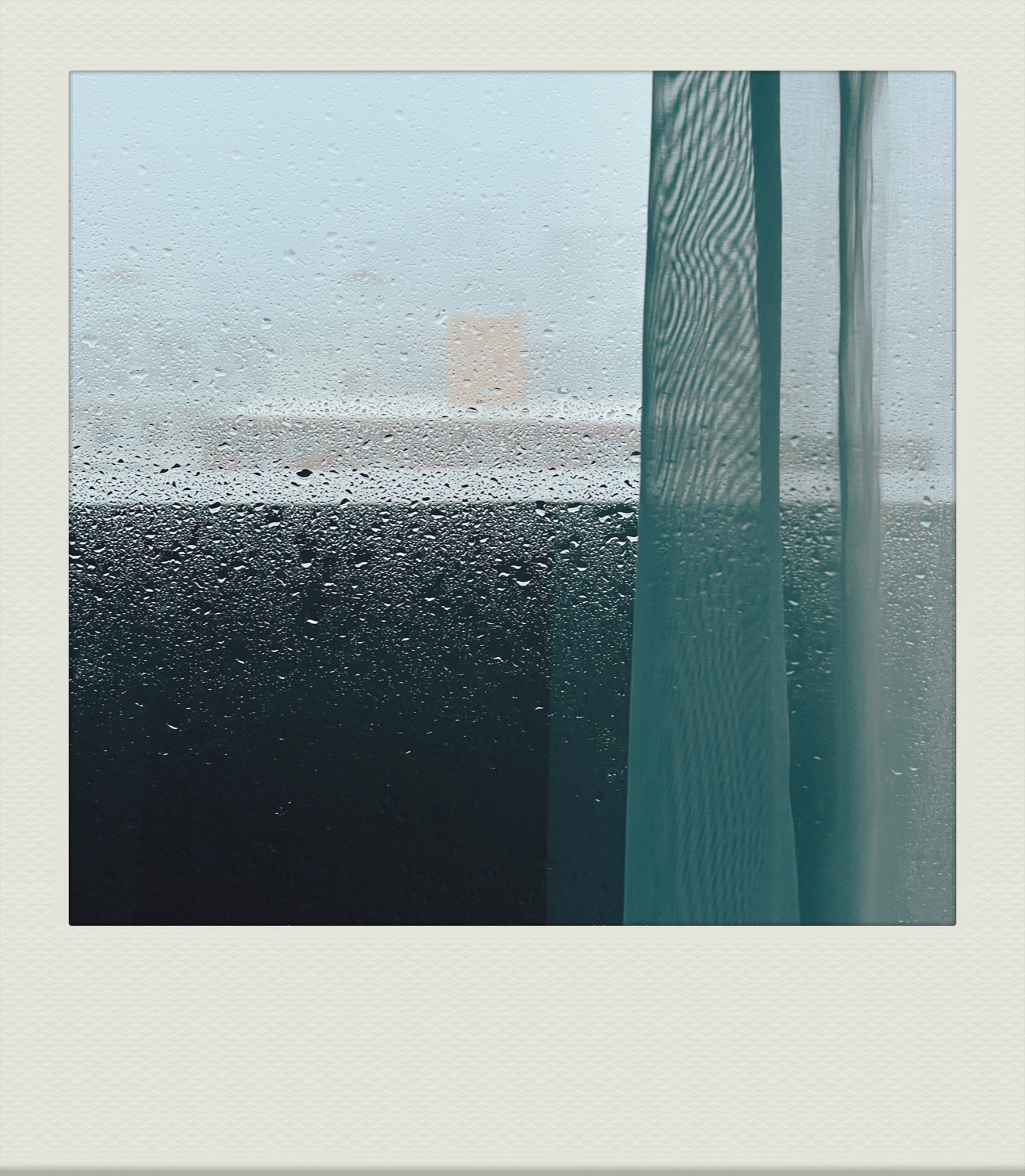
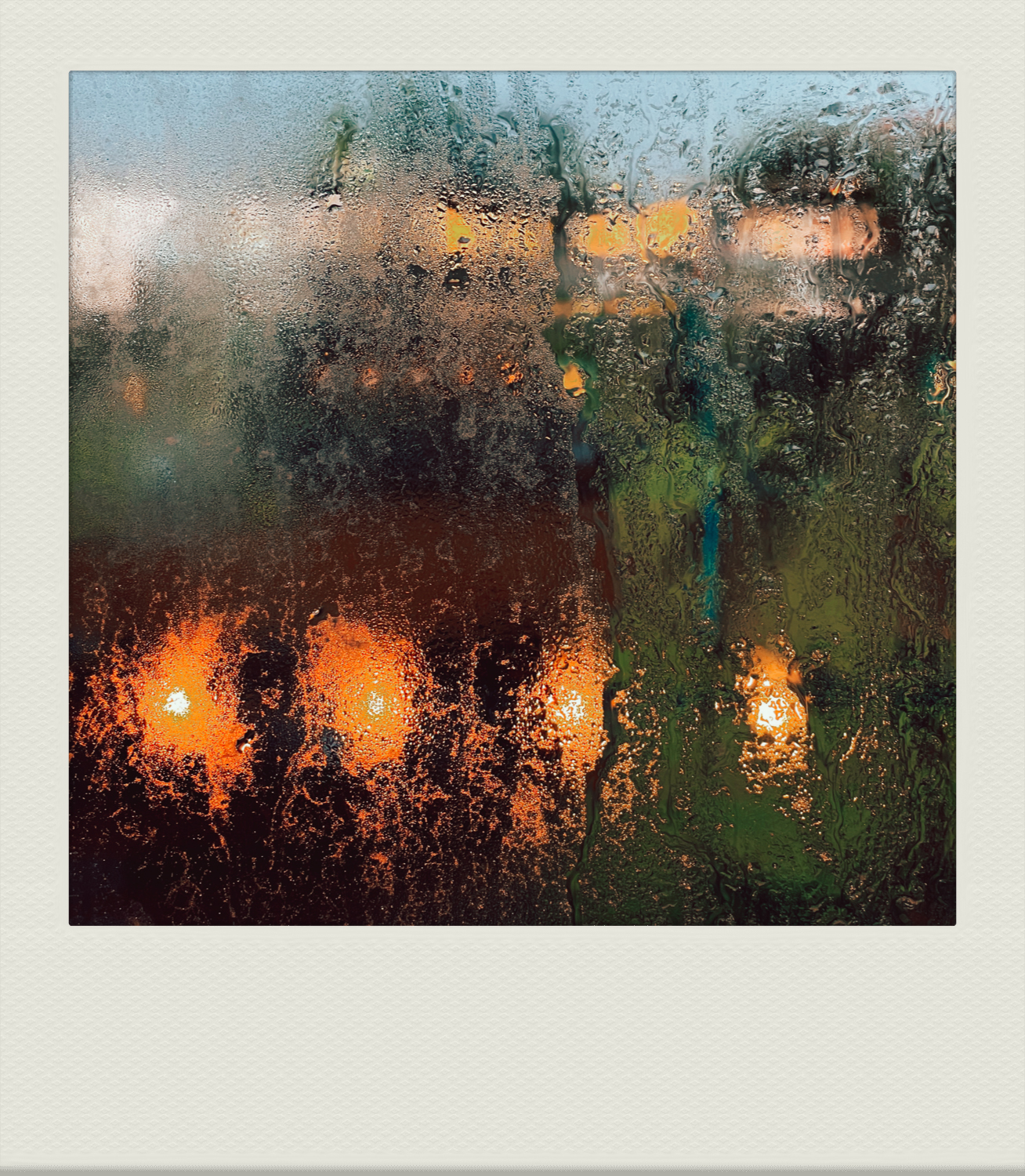
The tsuyu rainy season, which officially began early last month, is one of those times. The early rains delivered a fair soaking to the island but soon gave way to drier days. This week, though, tsuyu picked up where it left off with a vengeance. This week’s dark stormclouds brought heavy incessant downpours and with them came an oppressive humidity.

With the beaches closed under the current state of emergency, the only respite to be found was inside well sealed, air-cooled rooms.

Gone fishing

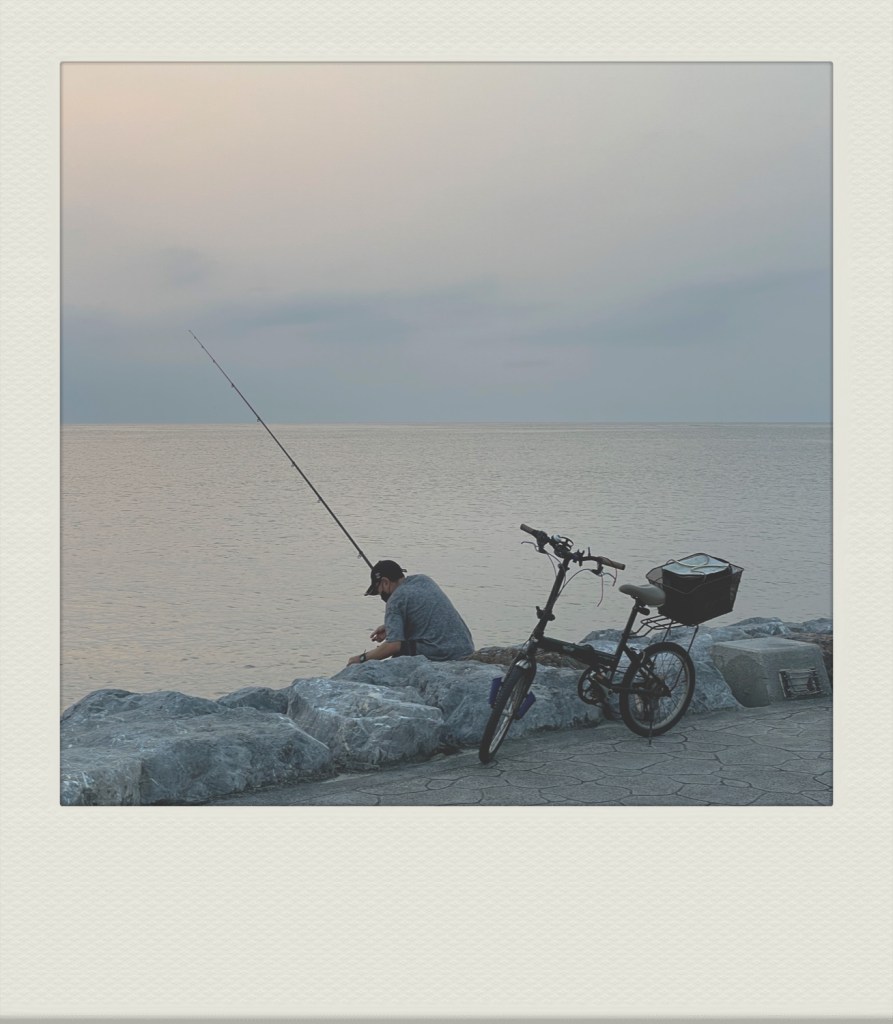
Fashionable Hokkaido-based fishing brand South2 West8 recently collaborated on a Spring collection with über-streetwear label Supreme. Down at the other end of Japan, fashion is the last thing on the mind of Okinawa’s considerable fishing community. While you’ll struggle to see a branded fishing vest or wind breaker, it seems that along the shores and in the shallows everyone’s rocking a rod and reel. The appeal of fishing is global, and it’s so evidently popular here, embraced across genders and generations. It’s not a pursuit I ever got into but I can appreciate the appeal: the communion with nature, the meditative aspects of the activity or the chat and cameraderie — the National Health Service in Britain is prescribing it for patients with mental health issues. Then there’s the artistry: the crafting of flies and the deceptive simplicity of casting a rod that belies a long road to mastery.

Decisive moments

XBMP9633-018-LF

Twelve significant photographs in any one year is a good crop.
— Ansel Adams

Twelve is an arbitrary number — ten, fifteen, twenty, all are equally valid — but the idea is well worth considering. Now that we’re all more or less photographers, we each have many hundreds if not thousands of images sitting forgotten on our phones, tablets, laptops and other digital drives. How many of those are significant?

In my attempts to avoid my own potential black hole of digital images I tend to aggressively cull my photos, dispatching many to the trash can, labelling others with star-ratings, sorting and periodically copying what I consider the best of these images to external drives. This month, with time on my hands, I decided to take Adams’ words to heart, going back through my archives to select twelve significant photos from each of the last ten years — and to print them. Significant is a term that’s open to interpretation, which can and did vary as I applied it from photo to photo. Printing is an important last step in the process as it acts as extra filter while selecting images as you ask yourself: Do I really want to print this; is it worth printing?

Some years are easier than others; some are hard to whittle down to just twelve photos. Some projects deserve — and got — their very own dozen; some surprisingly don’t offer any notable photos at all. Then there’s the desire for the images — some of them, at least — to have a thematic or stylistic connection to each other. Still, this trip down memory lane is a satisfying exercise. It’s instructive in that I realize that maybe I haven’t been culling photos as aggressively as I thought. It’s interesting to see the progression of my photography through the years. It’s also nice as I look back to be reminded of my past; places, people, events, memories triggered by images of the many moments I decided to capture through a lens. The photos I selected all exist in various places online, many on the pages of this website, but it’s good in the end to have a small curated archive — 270 photos in all by the end of this year— of tangible printed images that I can easily reference and share with those close to me.

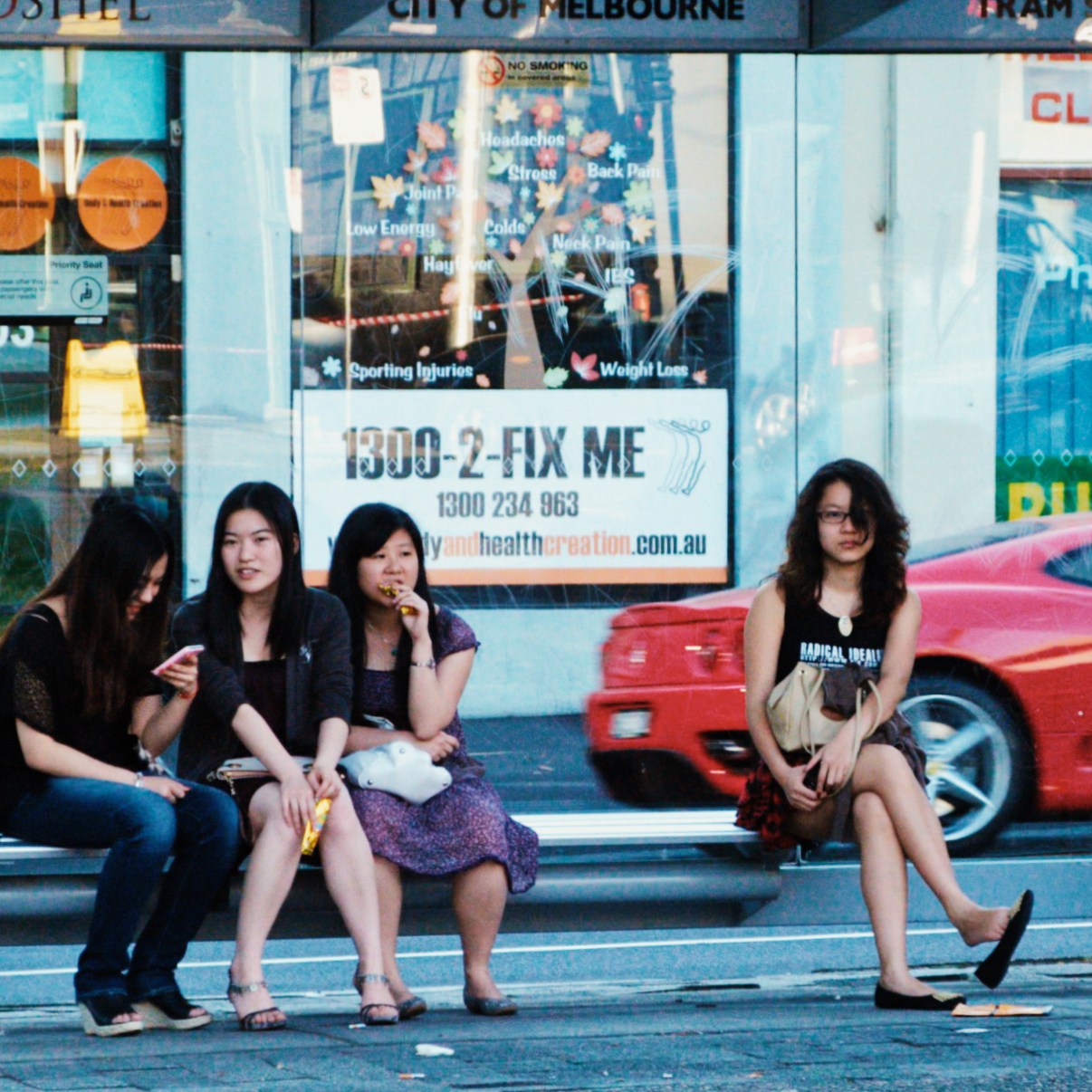
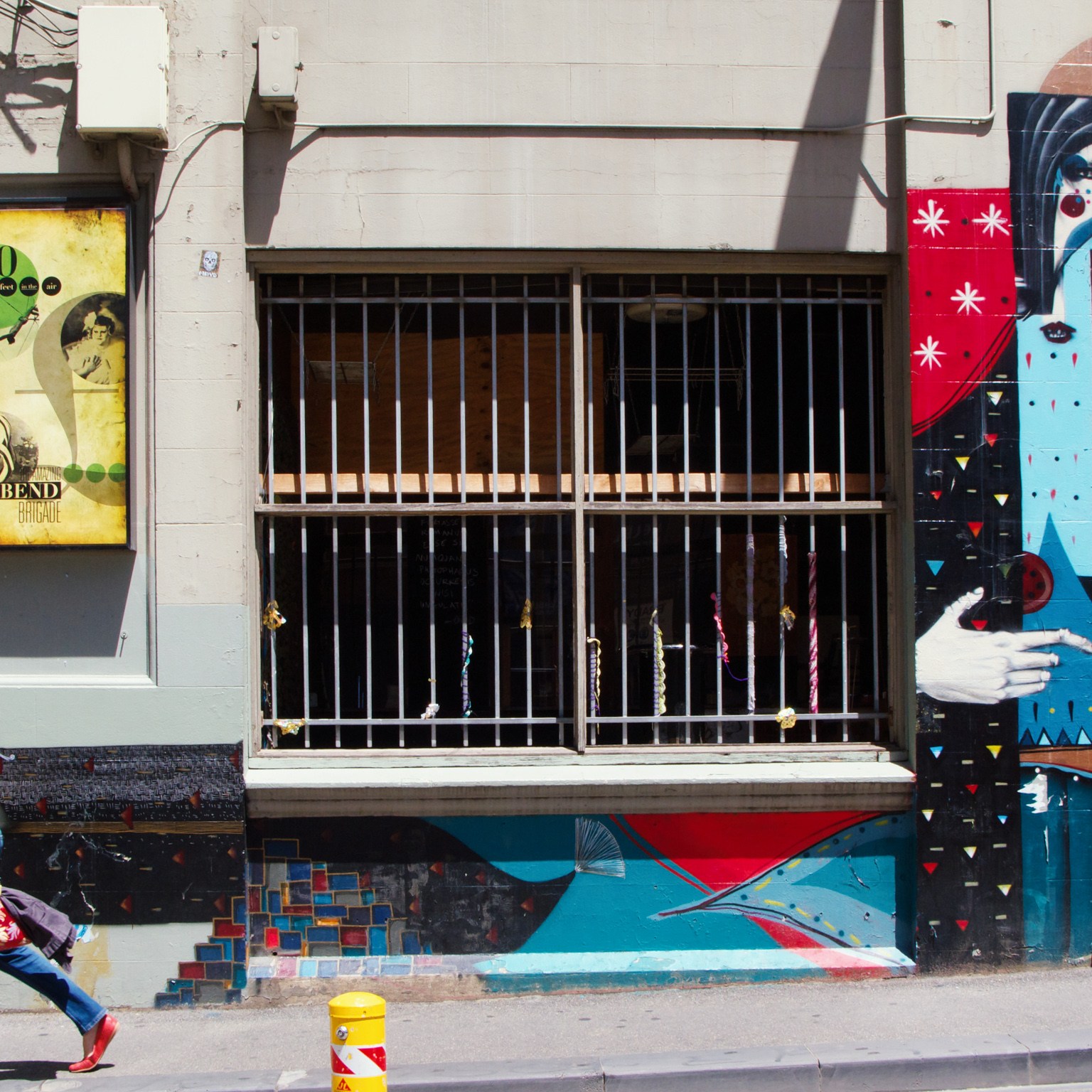
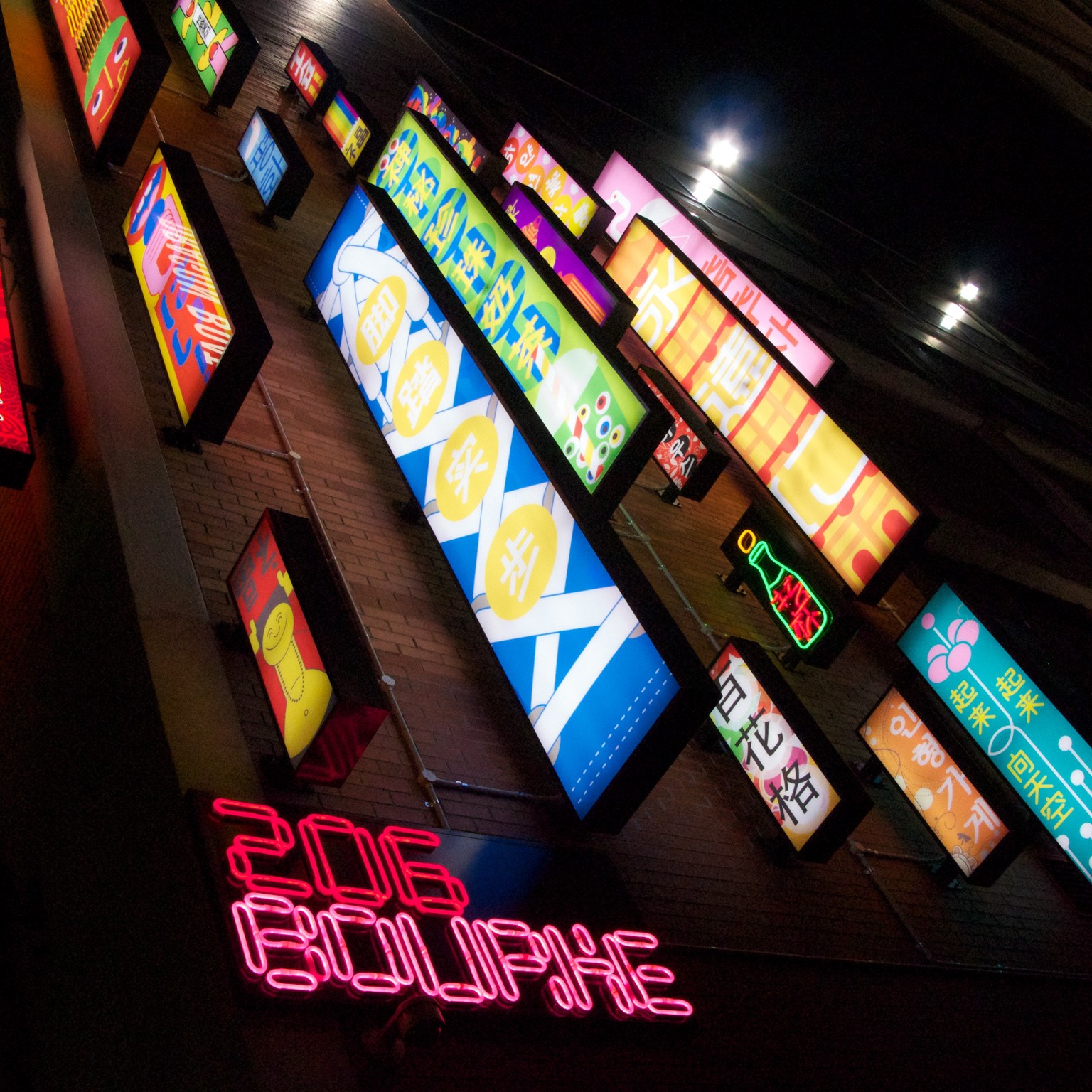
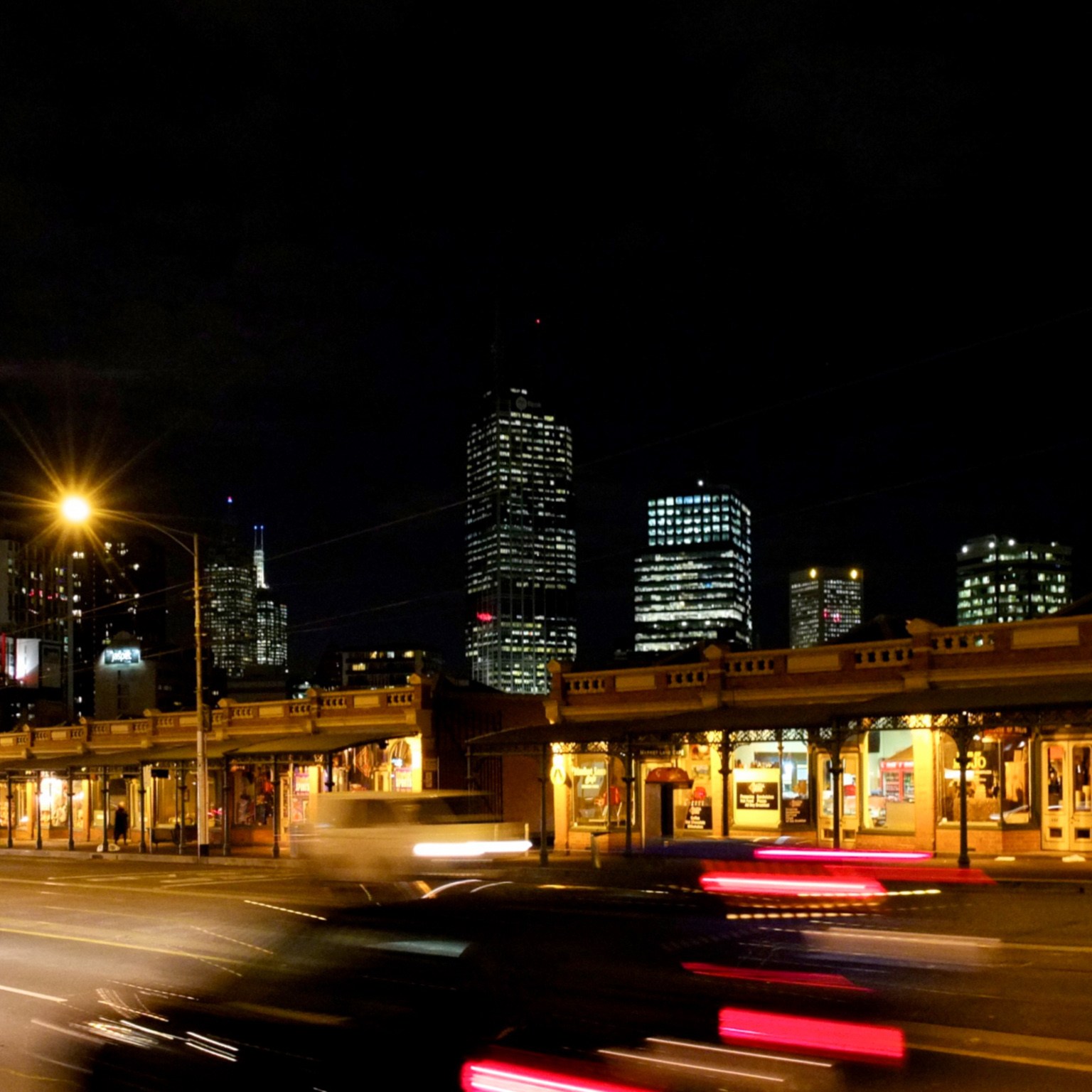
The photos here are my final selection — my significant crop — of photos taken in 2011. Ironically, I could only find half a dozen photos worth printing, but that year marked my return to serious photography and I was active for only the last few months of 2011. While they’re not photos I would necessarily rate today, it’s interesting that they all show photographic elements I still favor a decade later: urban landscapes, architectural textures, dramatic light, and interesting street compositions — a fascination with public space and people interacting with their environment.

True north

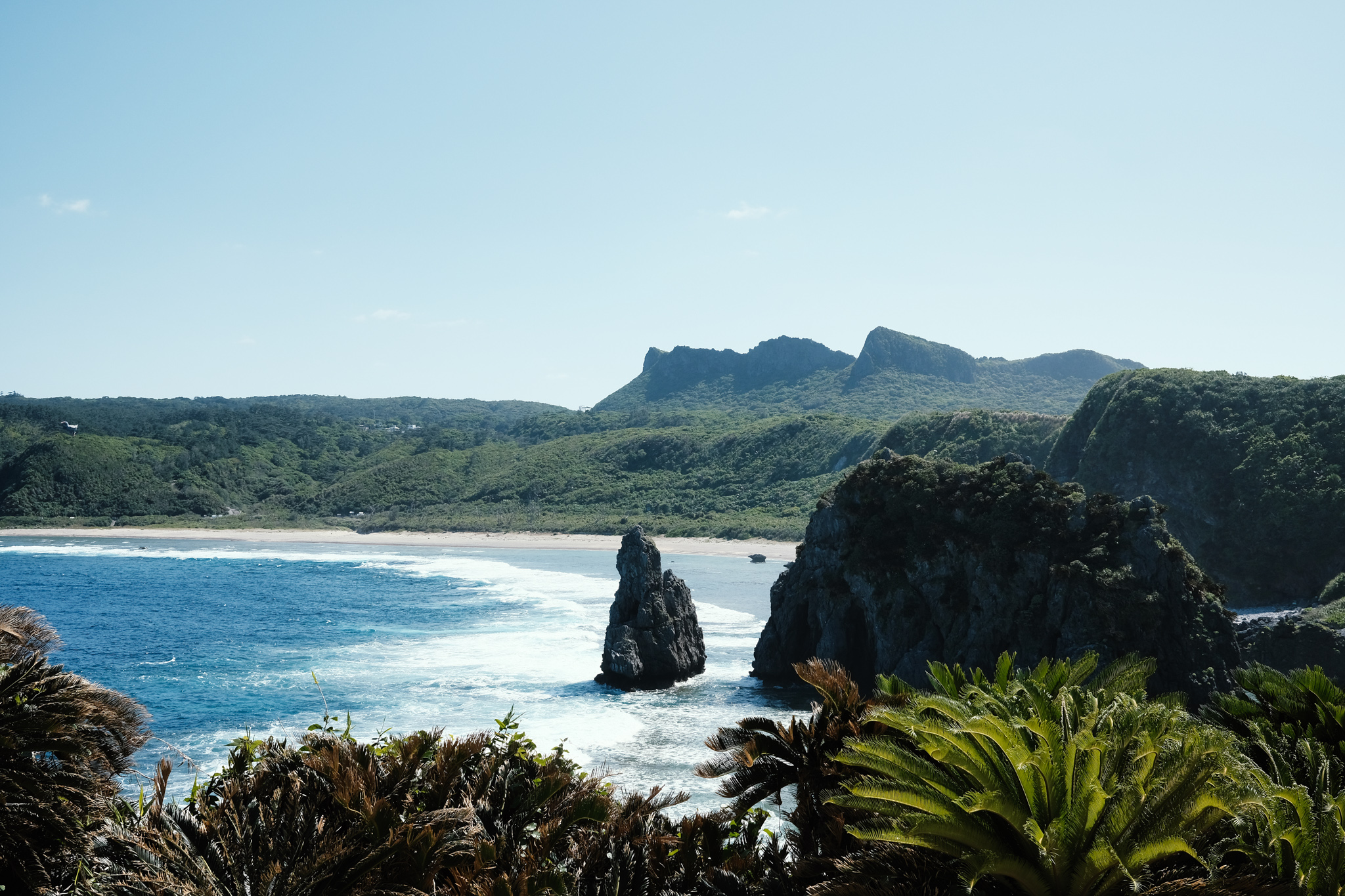
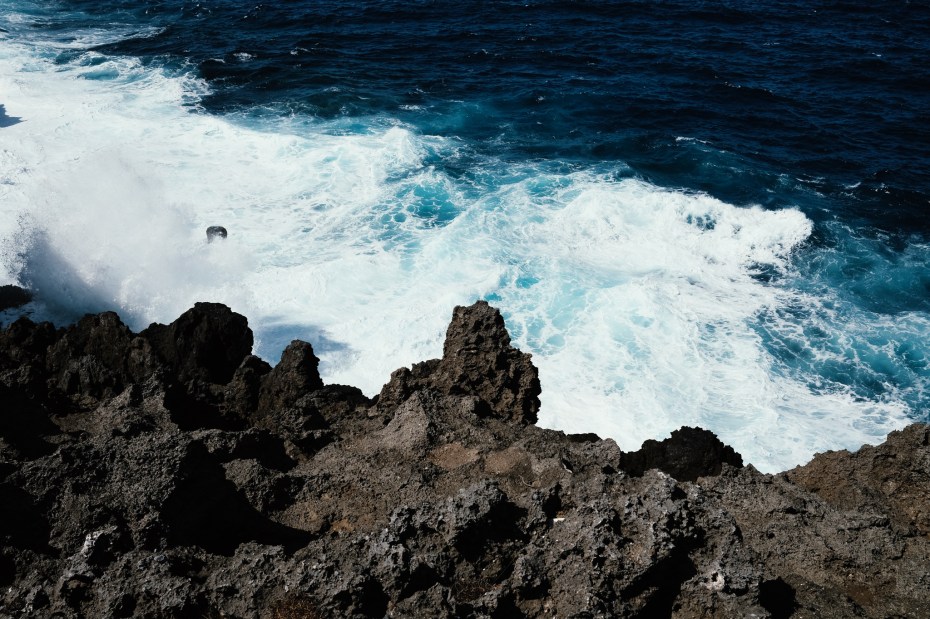
Drive north along Route 58 past isolated resort hotels and villages and you eventually reach Cape Hedo, the northernmost point of Okinawa island. A visit here is a to-do list item on many tourists’ itineraries; the Point has expansive views of the South China Sea to the west and the Pacific Ocean to the east. To the south, lies the lush green hilly topography of the island. The rugged clifftop landscape has been tamed somewhat with simple tourist amenities, paths and fencing, but the natural beauty of the national park it lies within and the power of the sea below the cliffs are nonetheless revitalising.

Flickers in time

What I want to talk about today is a certain kind of time and sequencing of images that shapes the way time is experienced within photographic books and I’m kind of calling this Real Time vs. Storytime.

Photographer Alec Soth has started a series of YouTube presentations that combine his professed love of teaching and an attempt to show books — and share his love of books — online. His approach is a digital show and tell as he takes viewers through various books from his extensive library, flicking through them to show links and similarities and variations on his chosen theme. The books in his hands are filmed from above while he’s inset as a talking head facing the camera in the corner of the screen. Not exactly exciting cinema, yet engrossing due to his knowledgeable enthusiasm for the photography he’s showing and the wonderful variety of his eclectic library. Soth humbly describes his sessions as rambling talks, and he may meander at times, but preparation goes into each session. He assembles the books he shows beforehand and has at least a sketched out narrative, so there’s a nice flow to his talks. So far, he’s given fascinating insights into photo albums, the use of images with text, and the work of William Eggleston and Kim Kardashian among others. The session linked to here, from which I’ve taken the quote above, is about expanding on Cartier-Bresson’s single decisive moment to show images that Soth describes as increments of momentary observation or stutters or flickers in time.

In a previous post I linked to a YouTube video in which Martin Parr talks to Alec Soth in one of his Sofa Sessions. Parr’s sessions are likeable enough, but in terms of the art of photography, these sessions by Alec Soth are so much better.

Real Time vs. Storytime – a talk by Alec Soth Copyright Alec Soth / Little Brown Mushroom 2021