What am I doing?

DSCF0982

An unseasonally wintery day, wet and icy, bleak. A perfect day to escape to the warmth and stimulation of a gallery. I visited the TOP museum to look at photos by an artist I hadn’t heard of: Eiko Yamazawa.

Osaka-born Yamazawa was a creative pioneer who had a long, somewhat unusual life for a Japanese woman of her time. Born in 1899, she studied painting before traveling alone to America in her 20s, where she took up photography. Back in Japan in the 1930s she established a successful commercial photography practice specializing in portraiture.

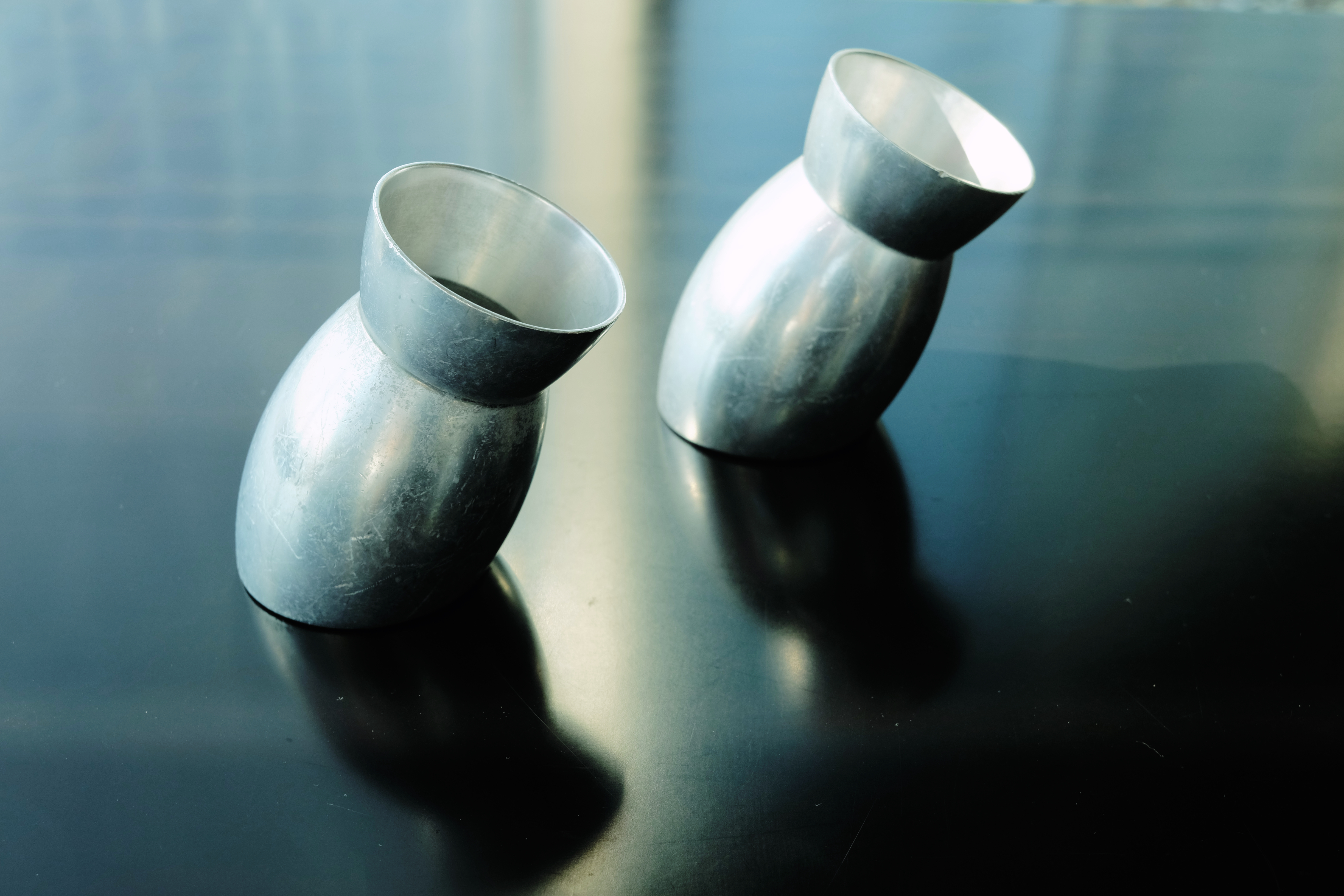
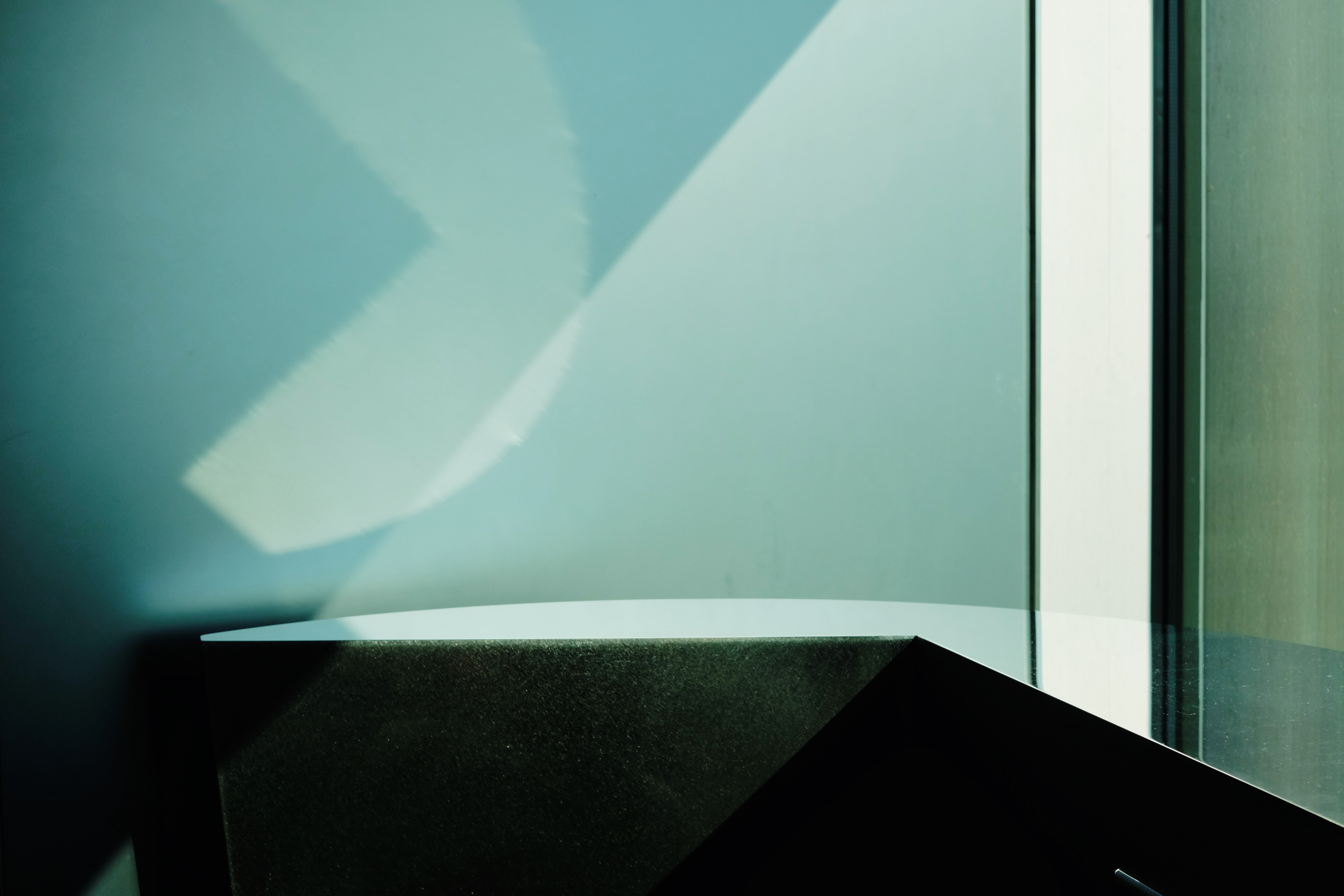
She returned to America after the war and, influenced by mid-century modernism and abstract art, she herself started experimenting with photography as abstract art. From colorful work with echoes of Miró and Matisse to quirky still life studies and minimalist monochrome abstractions that bring to mind the suprematist art of Kazimir Malevich, Yamazawa’s photography morphed into art, her photographs’ content became color and form.

In 1960 she shut down her commercial practice to focus on her art. She traveled and studied in the US and Europe and, at an age when most people would be easing up, she continued to hone her vision through the 1970s and 80s with her ongoing What I am doing series of photographs. She worked and exhibited well into old age and died in 1995 aged 96.

It seems that artists make wonderful photographs when adopting the camera as a tool of expression. Cartier-Bresson, David Hockney, Man Ray and Andy Warhol, to name a few, have explored the boundaries of the medium. Yamazawa’s work is no less interesting ― or inspiring.
DSCF0984

Autumn light

Akibare – Nakameguro

akibare – 秋晴れ – autumn sunshine

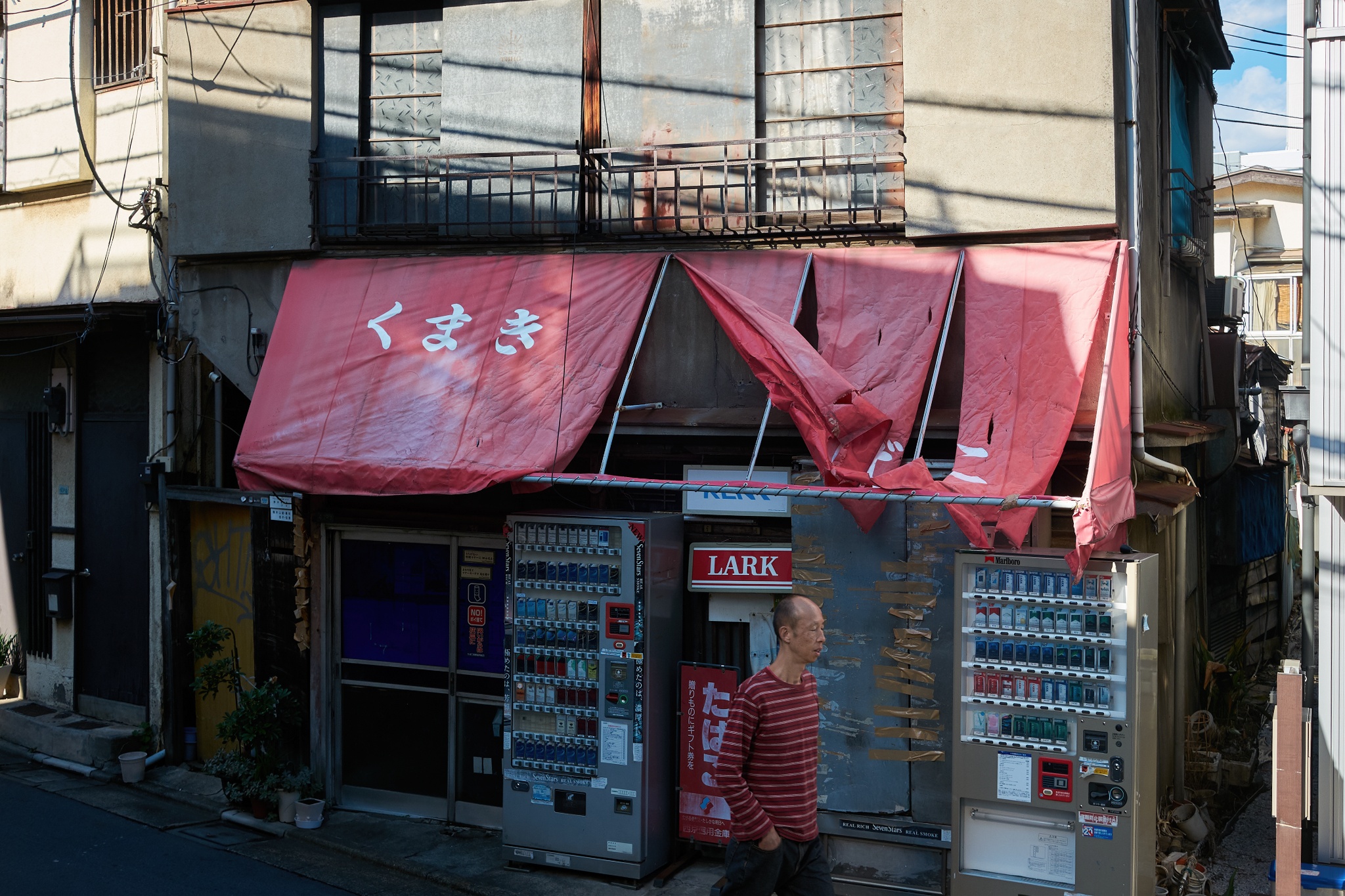
After the scorching summer heat and the relentless typhoon rains, the mild temperatures, blue skies and gentle sunlight of autumn are like some kind of paradise. Akibare. The days are shorter yet ideal for getting out and about. If you have a camera at hand all the better; there’s a lot of beauty in the autumn light.

Autumn poses the question we all have to live with: How to hold on to the things we love even though we know that we and they are dying. How to see the world as it is, yet find light within that truth.
— Pico Iyer

I’ve been wanting to read Iyer’s latest book, Autumn Light: Season of Fire and Farewells, for some months now but his is the type of lyrical, philosophical prose that requires a certain mood. The atmosphere of the season appears to reflect the tone of this book, so this seems like a good time to engage with it.

Akibare – Higashi Nakano

Nocturnes

Nocturnes-05

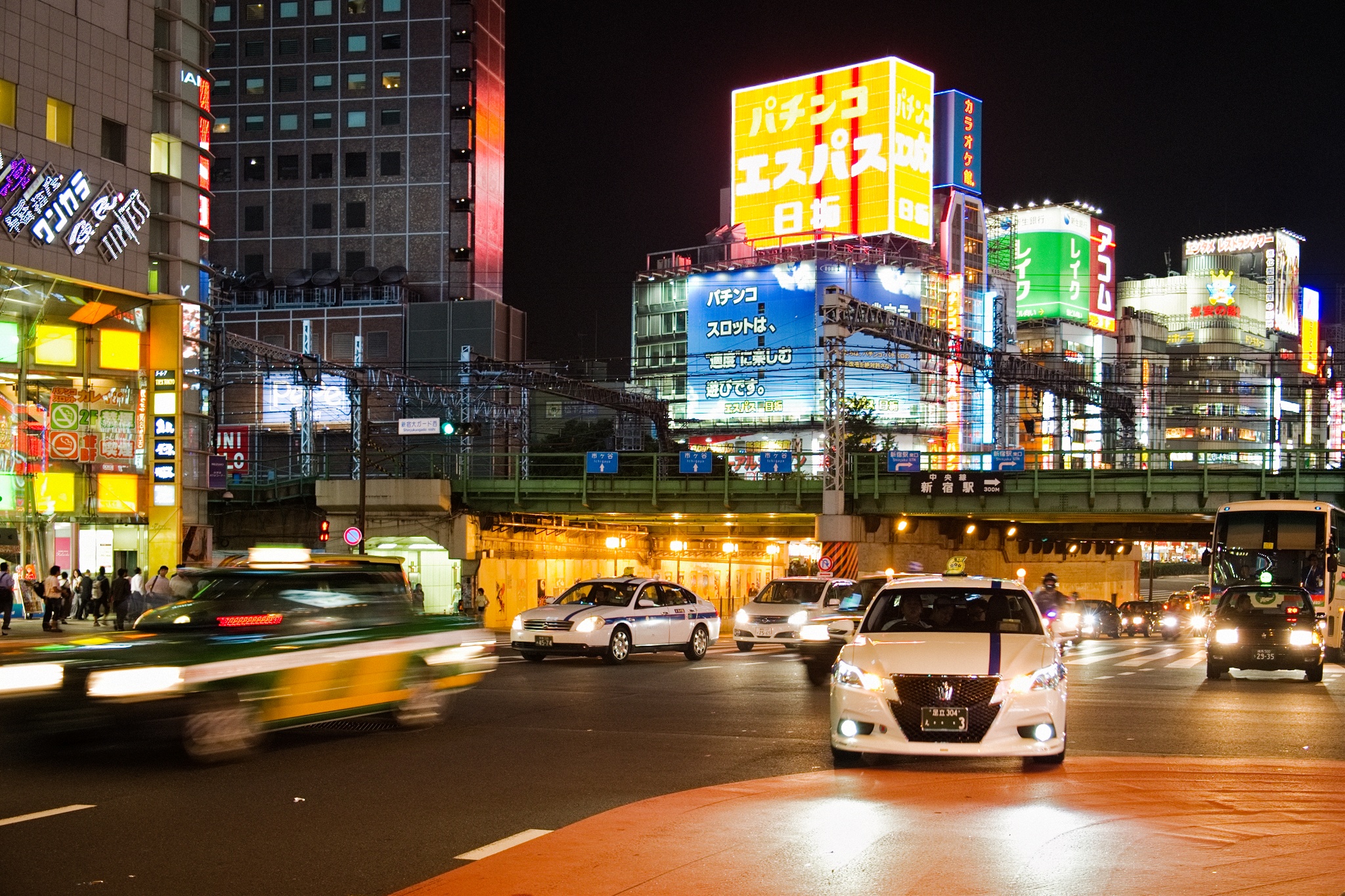
Tokyo reveals its beauty in darkness, when the lights come on. Radiant and seductive, it’s illuminated by colored neon, glowing lights and luminous LED screens; an edgy, high-tech metropolis shaped by a sleek sci-fi reality. A closer look shows it’s also a city of countless pensive, lyrical spaces: atmospheric alleys and contemplative shrines, time-worn storefronts and timeless arcades: places that belong to a simpler past, that color our waking dreams of Tokyo.

Bells of Time

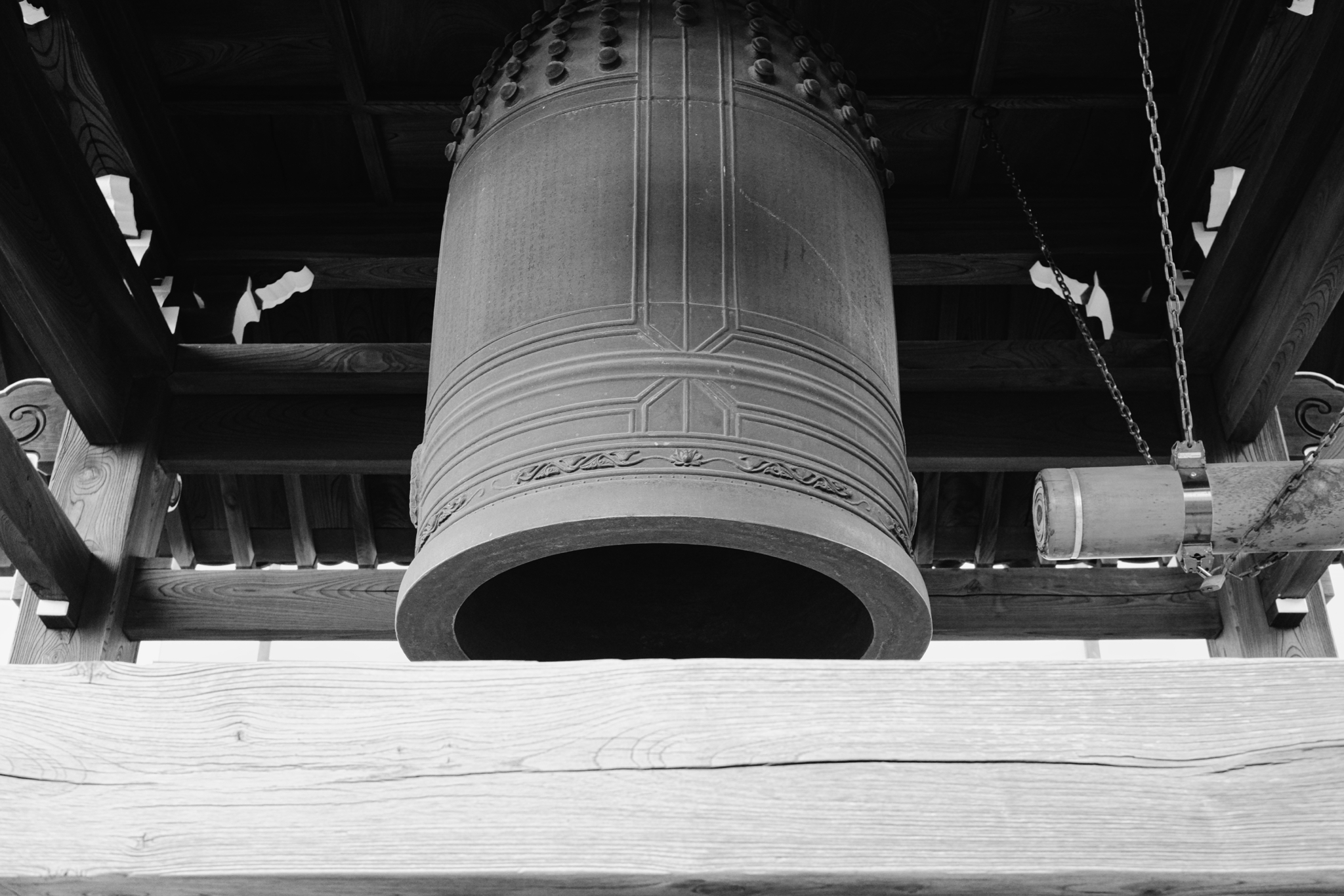
Bell of Time, Tenryū-ji, Shinjuku | Our bell was different from the other bells, because it rang half an hour before the other ones did. That way the samurai who came to Naitō Shinjuku to play around in the pleasure quarters could get back to Edo Castle before the curfew sounded. It was called Oidashi O-Kane: the Get Back Home Bell. — Anna Sherman

Tokyo is one vast time-piece. Its little alleys and great avenues, its forgotten canals and temples, make up the face of a great watch. Its months and weeks are beat out in traffic bearing into the capital from the northern rice paddies. The city’s hours and minutes and seconds are meted out in buildings torn down and the ones that rise; in land reclaimed from the sea. Time is counted out with incense sticks; with LEDs; with atomic lattice clocks. It is measured by the lives of all who move within the Yamanote Line that circles the city’s old heart and the Kantō Plain beyond.

With this lyrical passage, Anna Sherman introduces The Bells of Old Tokyo, a fascinating book in which the author travels across Tokyo searching for the bells that were used to announce the time in the city before the advent of modern time-keeping. During these explorations, Sherman delves into the rich cultural and socio-political history of Tokyo to draw a rich and insighful portrait of the city through the ages.

Subtitled Travels in Japanese Time (or Meditations on Time and a City, depending on the edition), Sherman’s book touches on people, places and events through time, from the days of the Shoguns to 21st Century Japan, while also investigating time itself as a relative concept. The book’s chapters mix beautifully poetic musings and memories with rigorously researched historical facts, drawing on the knowledge of myriad advisors and written references — listed in the exhaustive notes, bibliography and acknowledgements sections, which offer their own historical nuggets or avenues to further insight. And between her wanderings, Sherman periodically takes time out to share with the reader her chats with the owner of her favorite Tokyo coffee shop.

The Bells of Old Tokyo is Sherman’s first book. Not quite a guide book, not exactly a novel, not really a historical text, nor a book of poetry, it’s a singular creation: a gloriously messy construction. For anyone familiar with Tokyo, it’s a rewarding read, and an engaging addition to the body of work on Japan and its culture.

PHOTO: Bell of Time, Tenryū-ji, Shinjuku

Our bell was different from the other bells, because it rang half an hour before the other ones did. That way the samurai who came to Naitō Shinjuku to play around in the pleasure quarters could get back to Edo Castle before the curfew sounded. It was called Oidashi O-Kane: the Get Back Home Bell.

Graphic

DSCF3058 Graphic

Kanji, the pictograms borrowed from China that comprise the bulk of the Japanese syllabary, frustrate learners of Japanese with their number and complexity, but are beautiful graphic creations, lending themselves to various exquisite calligraphic interpretations.

A striking example of this is the distinctive station signage created with duct tape by an amateur graphic artist in his sixties, Shuetsu Sato. Sato san is a railway employee who started crafting his creations to help him in his job of directing commuters through the labyrinth that is Shinjuku Station. His kanji have a bold pop sensibility, he mixes blunt edges and curved corners in his lettering, and the use of tape and working to a grid dictates the spacing of the pictograms’ forms. In addition to their beauty and artistic merits, the signs are also easily spotted and read from a distance: perfect illustrations of good signage design. In recognition, the professionals have even given his typeface a name, dubbing it Shuetsu Sans.

Chris Gaul has written a detailed piece on Sato san that contains plenty of examples of his graphic works.

A midsummer night’s dream

Early August. The midday temperature is 34° My weather app tells me it feels like 44° and the humidity is 64%. Midsummer in Tokyo; a fever dream.

A cyclist turns the corner, and I watch my reflection move across her face visor. The sun on my skin, burning in the relentless heat of the day. Walking in the shade of a park to a soundtrack of invisible chirping cicadas; the air is still. In the welcoming controlled climate of a department store, old folks escape the heat, like the urban climate refugees they are. It’s said that much of south Asia will be too hot to live in by the end of the century. Sweat runs down my brow. In the long afternoon shadows a young boy patiently devours a small mountain of flavored shaved ice kakigori. His mother sits beside him sipping a seasonal fruit frappucino. Elsewhere a mass of people spills out of a train’s refrigerated carriages onto a stifling station platform, the doors impatiently closing behind them.

Are you sure
That we are awake?
It seems to me
That yet we sleep, we dream.

Dusk. The dark indigo skies are streaked with pink. A waiter splashes bowls of cooling water on the pavement outside the entrance to his just-opened restaurant. Animated voices drift from a rooftop beer garden. Faded paper lanterns hang in a narrow alley, their dull glow diffused by smoke escaping from a restaurant grill. Vibrant pink watermelon slices are dotted with black seeds glistening with the juice of the fruit. Young women in boldly patterned yukata add dots of color to the night. Fireworks beckon. Explosions of shimmering light. The city exhales and I find myself in a maze of empty streets, enveloped in the balmy warmth and calming silence of midnight.

Exhibitionism

IMG-5AA1A876

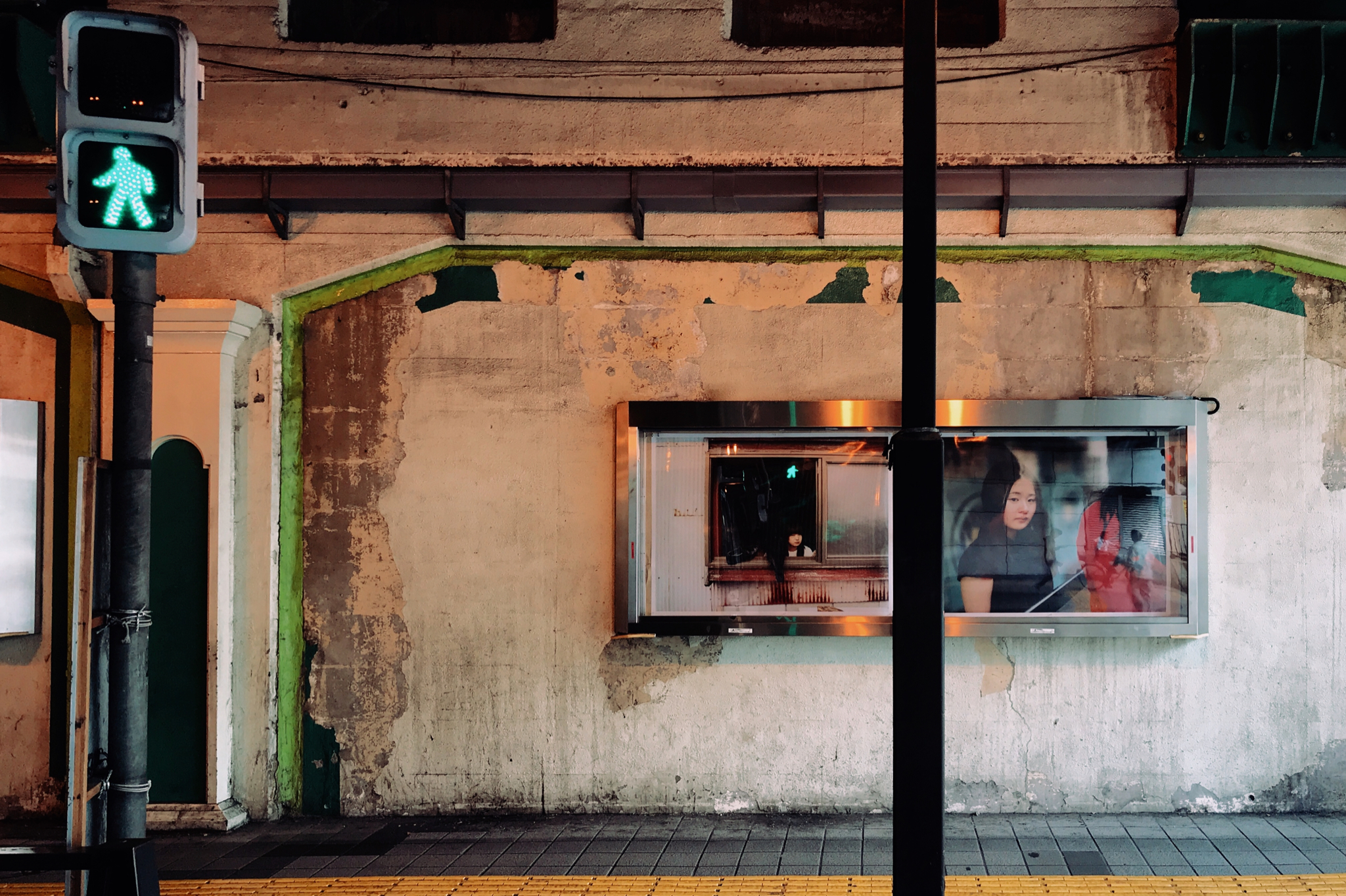
Series of shadow boxes line the walls of a rail underpass by Nakano Station. They often display community information, images of neigborhood festivals, or colorful drawings rendered by local elementary school students. For the time being they’ve become a contemporary art gallery.

Tokyo photographer—and self-described non-fiction writer—Inbe Kawori (インベ カヲリ) has commandeered one wall of the underpass to exhibit a selection of his works.

The edgy urban photographs, gritty environmental portraits of women, sometimes surreal, often eroticized, with faint echoes of Daido and Araki, printed to fill the display cases, are perfectly placed here on the streets of Nakano, with its jumble of old and new restaurants, stores and homes, its congested commercial center, quiet residential areas and lively entertainment district.

I’ve had passing thoughts about this kind of art exhibition, but I’m really impressed with the actuality of it. Here’s to more street art.

Wish you were here

IMG-FVWE0245-BW

Having a nice time. Wish you were here.

Back when people on vacation sent postcards, you could almost guarantee that some version of this message would be penned on the back. On the front, a glossy image of a city skyline, an iconic landmark, or a beach, perhaps a sunset. Romantic visions of faraway places. The typical travel cliches.

The cliches are all around in Hawaii, but it’s no theme park, so too are indicators of social discord.

Sleeping homeless bodies strewn along Waikiki’s luxuriant beach parks. Armed robberies and assaults reported in the local paper. Labor disputes and demands for a living wage in the hospitality industry. Indigenous protests against construction projects. Then there’s the rampant tourism. Mainland Americans in particular make good use of their youngest state, while Japanese visitors seem to consider it an extension of their own island archipelago.

But it’s the romantic visions we aspire to when we travel: the exoticism of a distant land and culture; the romance of following in the footsteps of earlier explorers, artists and writers; the beauty of all those visual cliches.

This glimpse of paradise is what I was looking for when shooting images of the place. Hawaii. Cliches everywhere you look—and frankly, who cares. When all is said and done…

Having a nice time. Wish you were here.

IMG-EZWE6725-BW

Trending

img_tpca

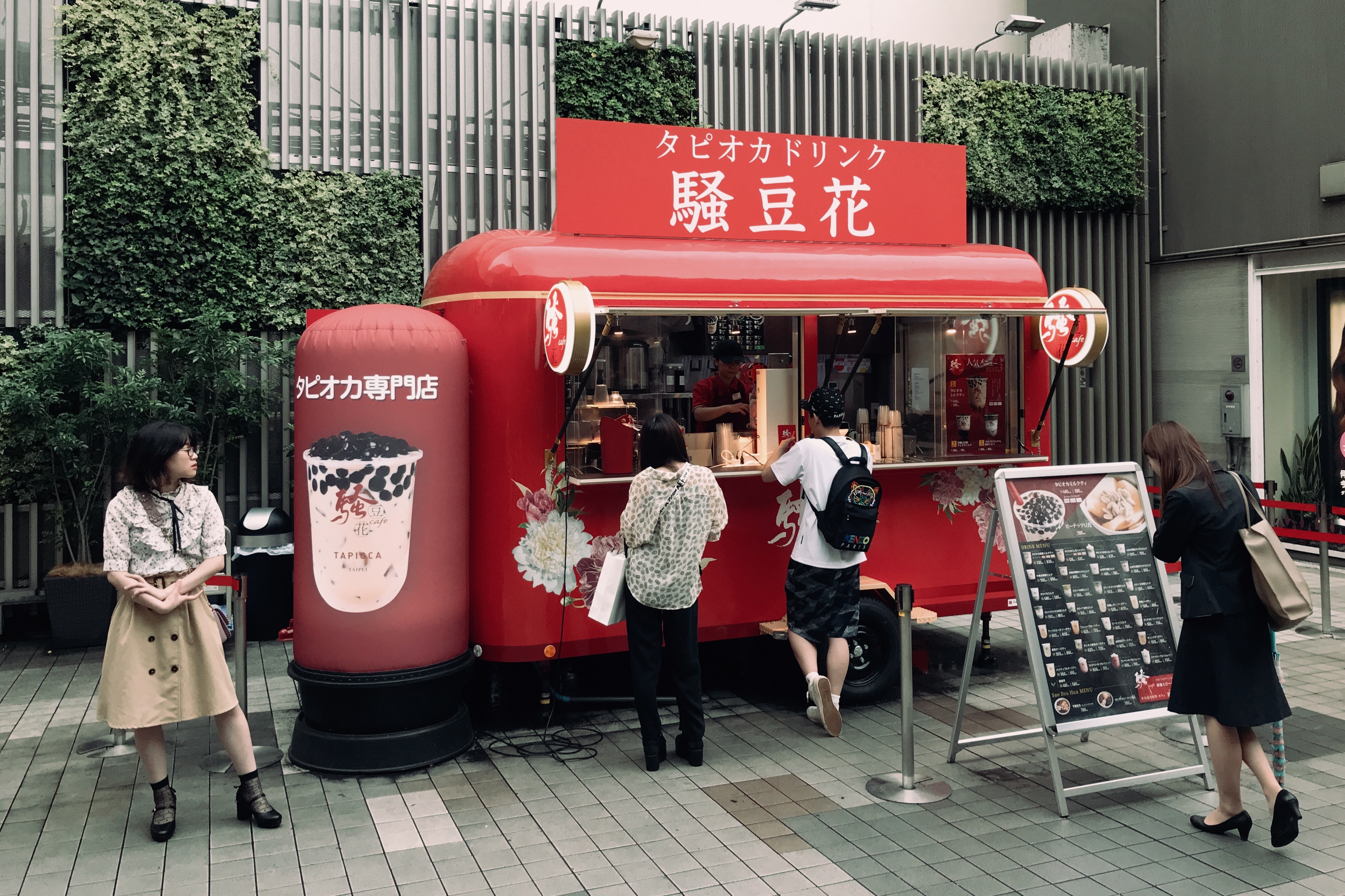
Pancakes, pizza, popcorn, pretzels. Every season some new food fad sweeps through Japan’s cultural laboratory and then spreads out to the rest of the country. These fads are identified by the long lines of patient young customers waiting to get a taste of the latest and greatest. Some, like the now classic pancakes and pizza, are absorbed into the local food culture and enjoyed by all manner of people; others, like popcorn and pretzels, fade back into their relative obscurity as the lines shrink and the specialty shops eventually shutter their doors.

These days people are getting in line for tapioca tea. The popularity of the Taiwanese drink also known as bubble tea or pearl tea, which has been available locally, here and there, for a couple of decades, has exploded as increased tourism and social media platforms like Instagram have fueled its appeal, and it seems like nowadays in many neighborhoods there’s a new tea shop on every other street corner. Worldwide, tapioca tea is projected to become a $3 billion dollar industry within a couple of years; locally, all types of retailers―everyone from convenience stores to the yakuza―are looking to cash in on what appears to be morphing into another Japanese culinary staple.

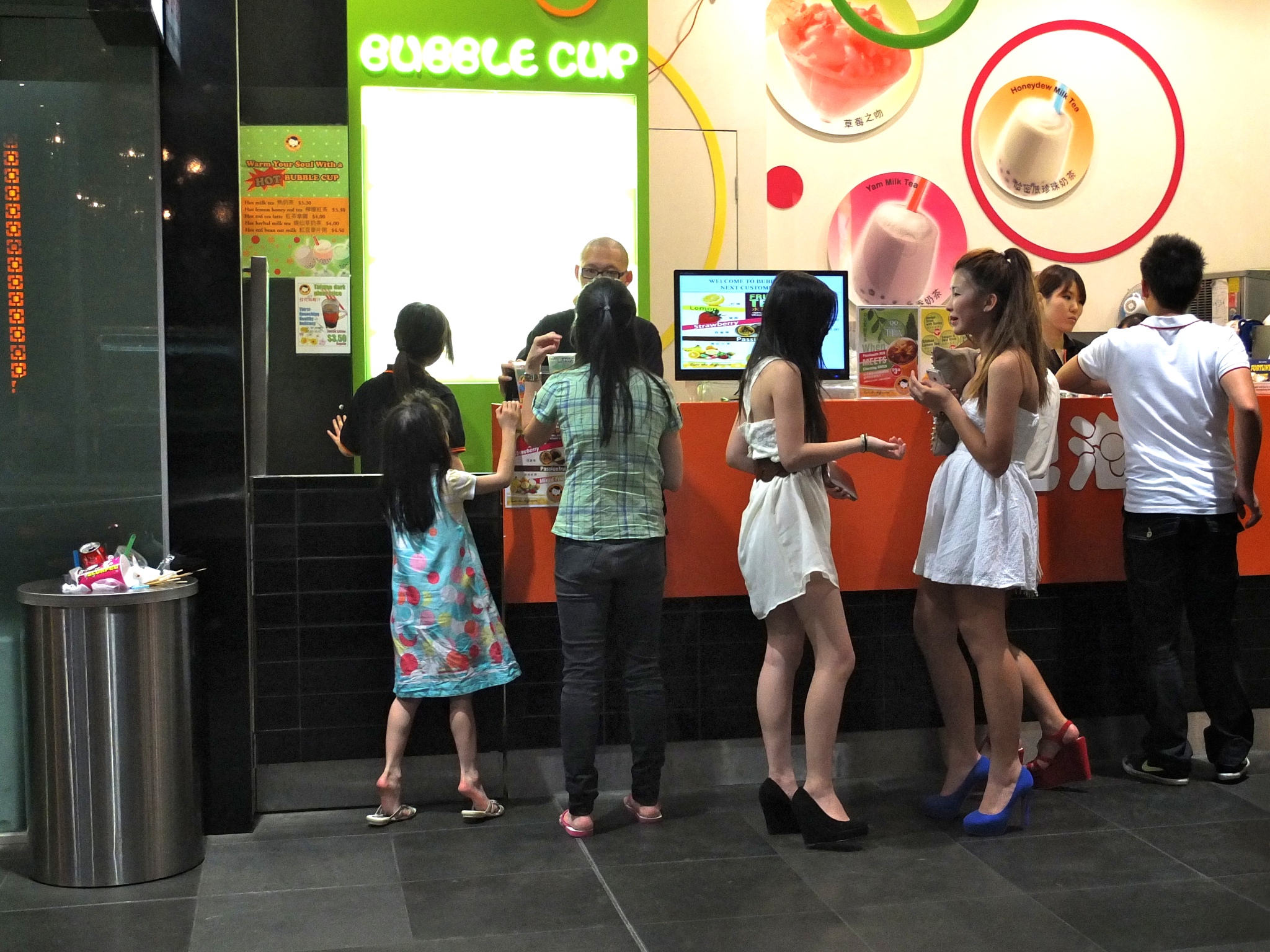
While the photo above was taken a couple of days ago in Tokyo, the photo below was taken in Melbourne in 2011.

On New Year’s Eve, as the hours gave way to 2012, I snapped a photo of some young women and others in front of a city drink stall.

Another time, another place, and it’s tapioca tea, yes, but this photo is special to me. As I wrote in the introduction to a visual essay that it is part of, this particular photo was instrumental in my journey as a photographer.

img_bblcp

Trainspotting

Tokyo’s rail system is not only an engineering and logistical marvel, its stations, platforms and carriages are also a photographic wonderland.

Tokyo’s stations, with their adjacent shopping malls, are the town squares of the city and its train lines, more than its streets, are the city’s thoroughfares. Commuting is woven into the fabric of everyday life here—even photographers need to ride the rails. And so, opportunities regularly present themselves to create some visual poetry.