
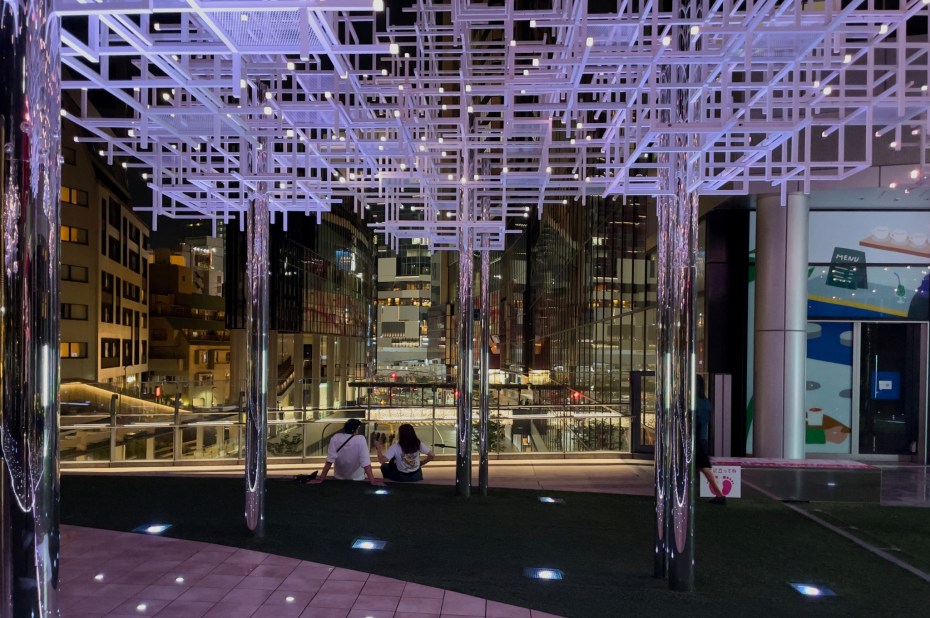
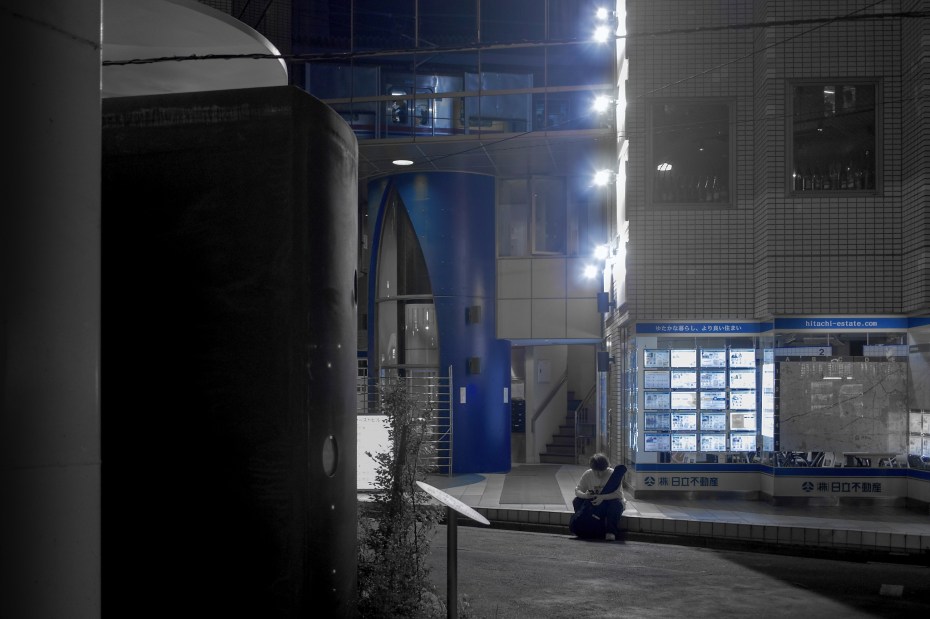
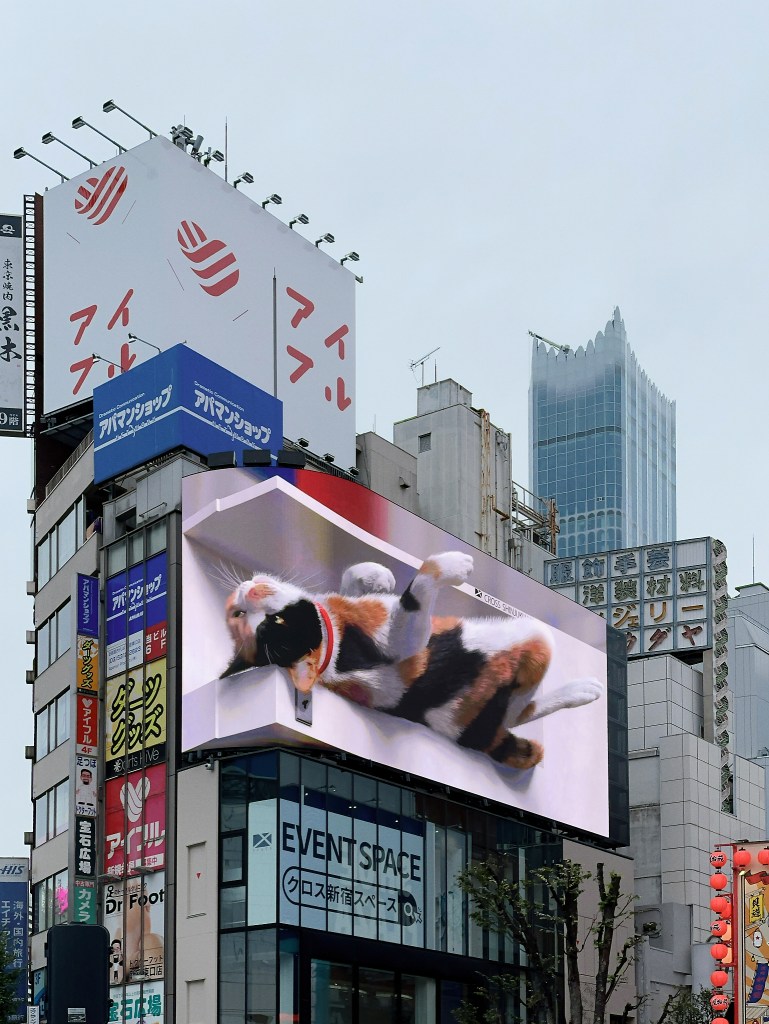
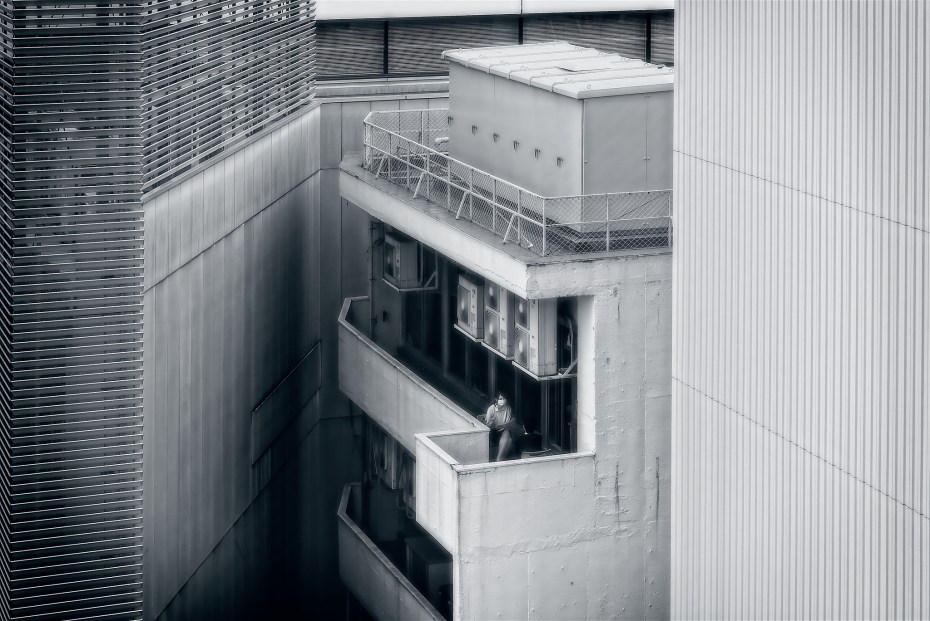
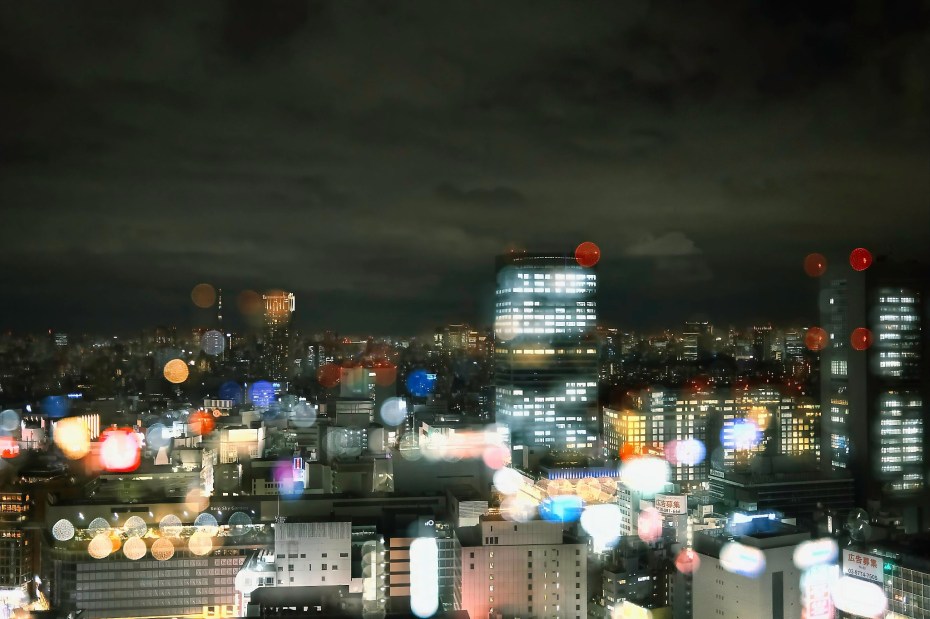
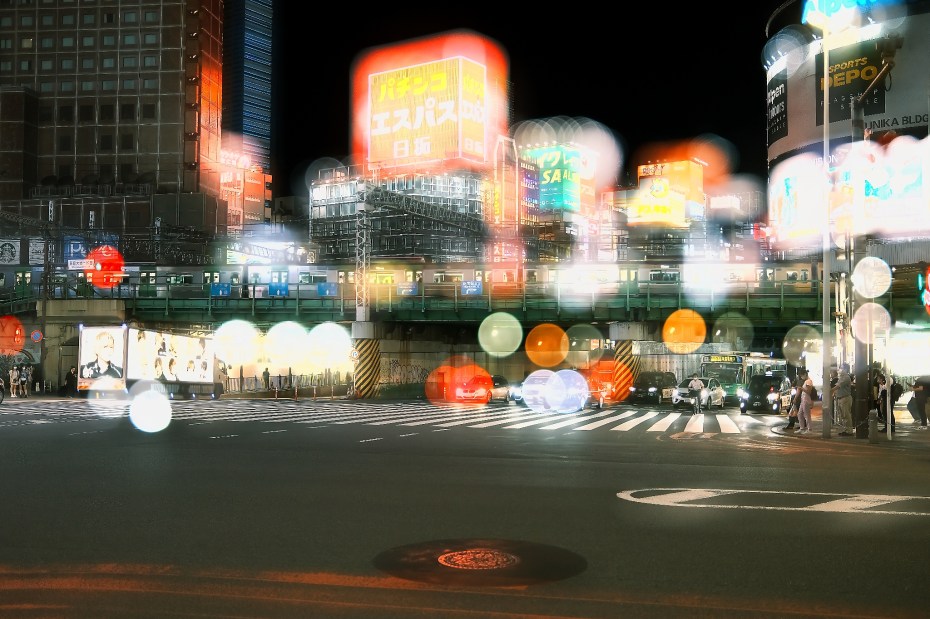
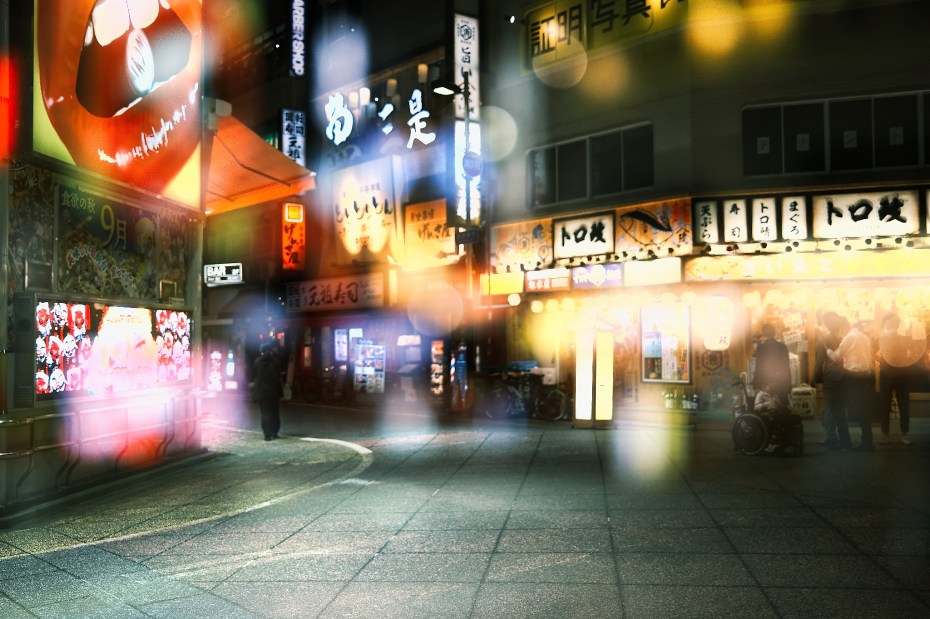
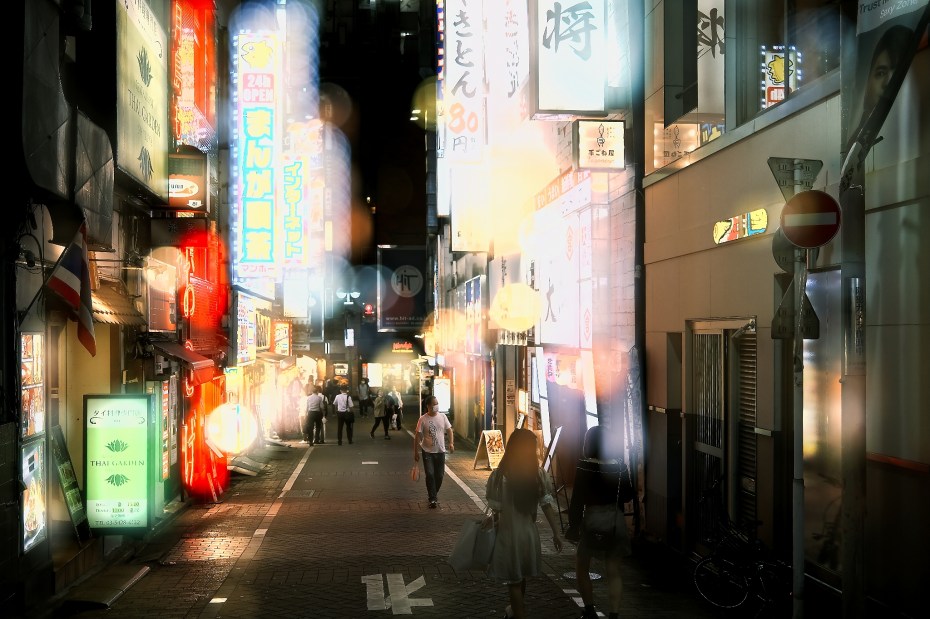
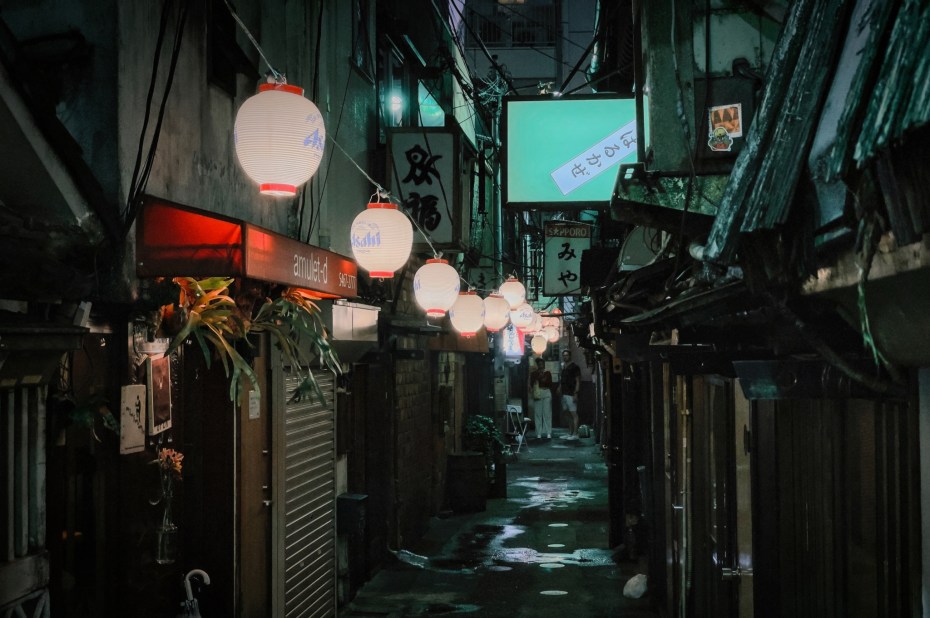
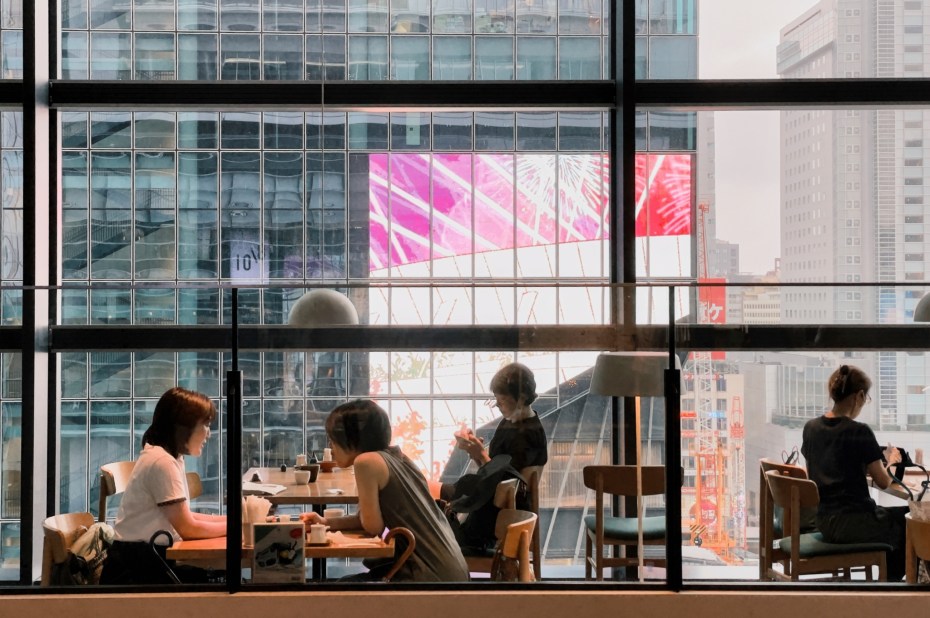
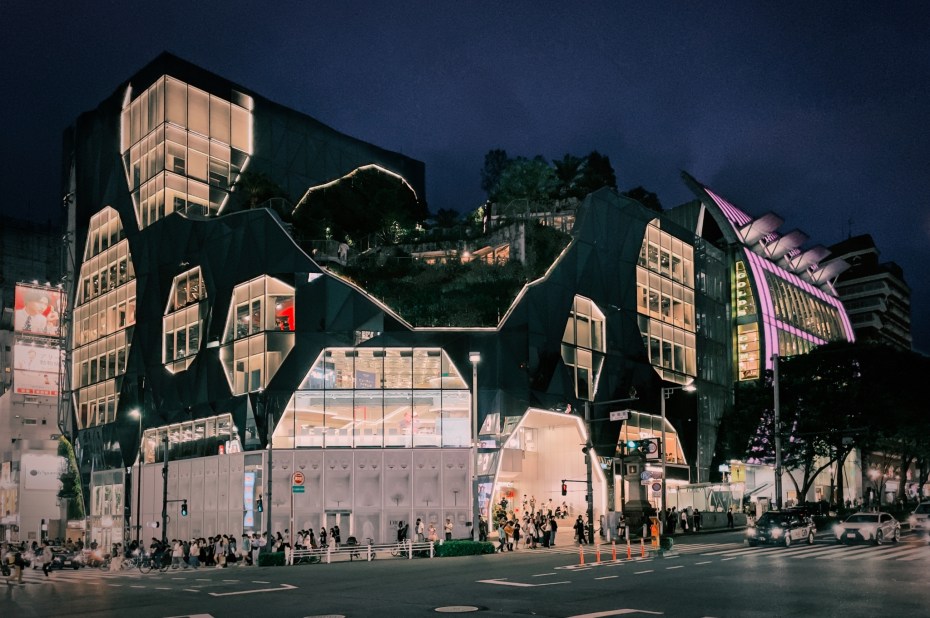
Shibuya, Tokyo is at the forefront of the city’s relentless reconstruction; an interzone where time-worn pockets of the past are increasingly superseded by modern simulacra and dwarfed by gleaming structures that dream of the future.
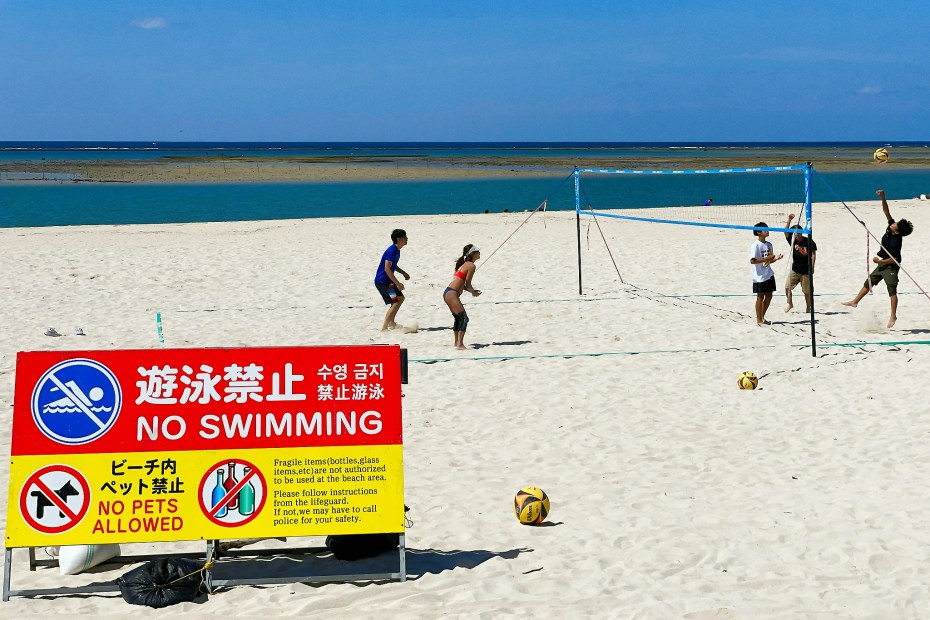
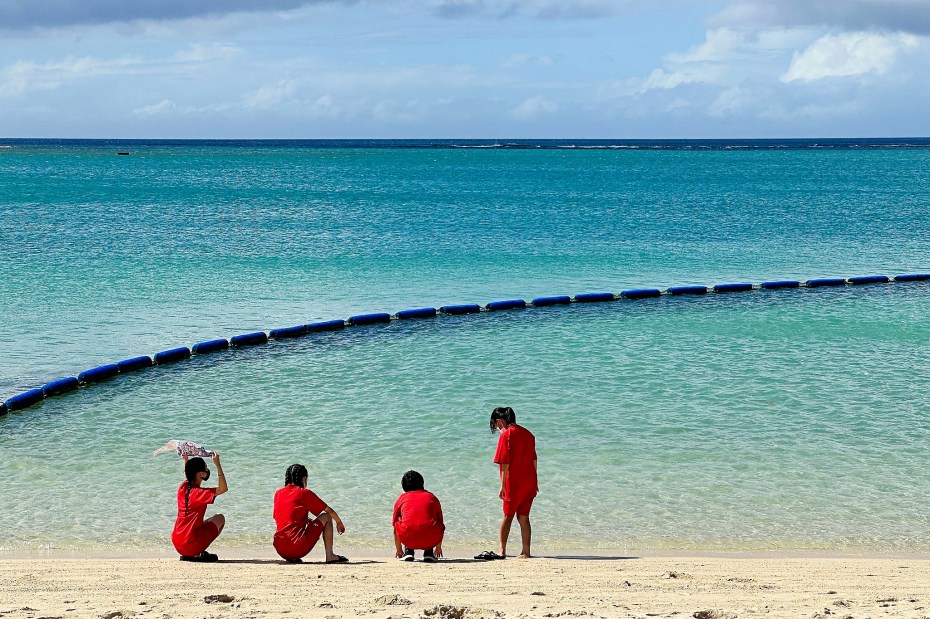
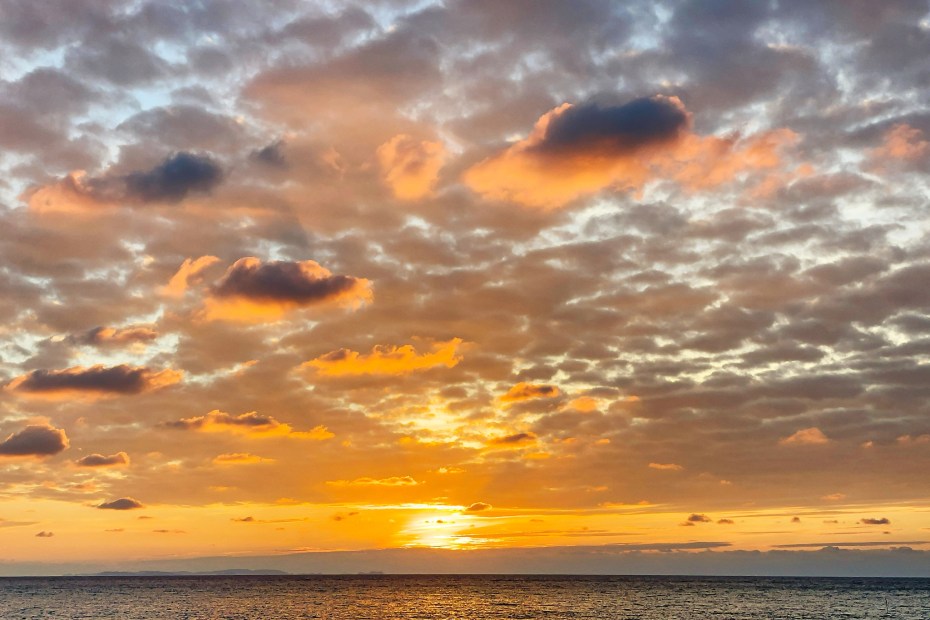
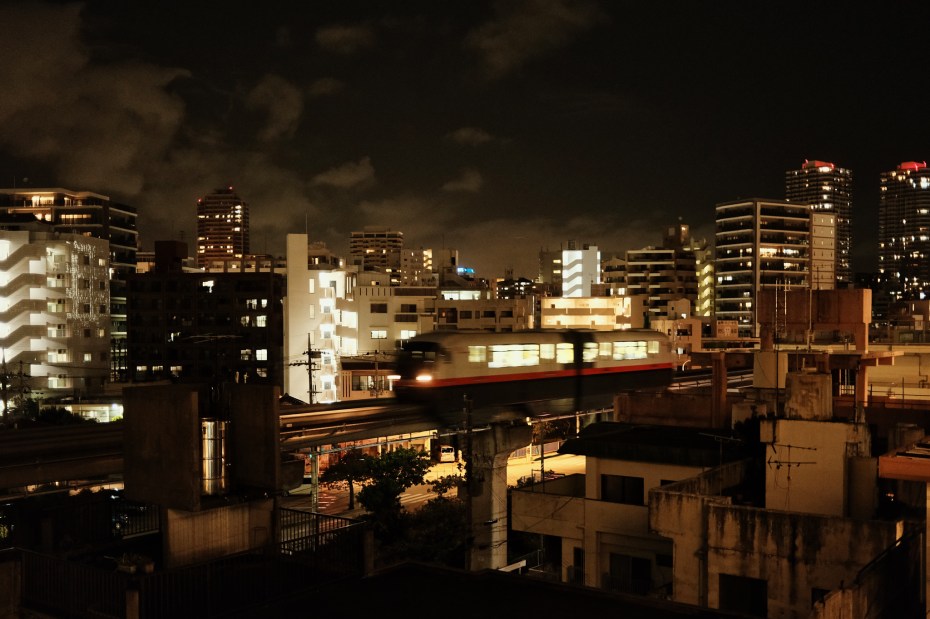
Back on Okinawa with its peerless Autumn skies.


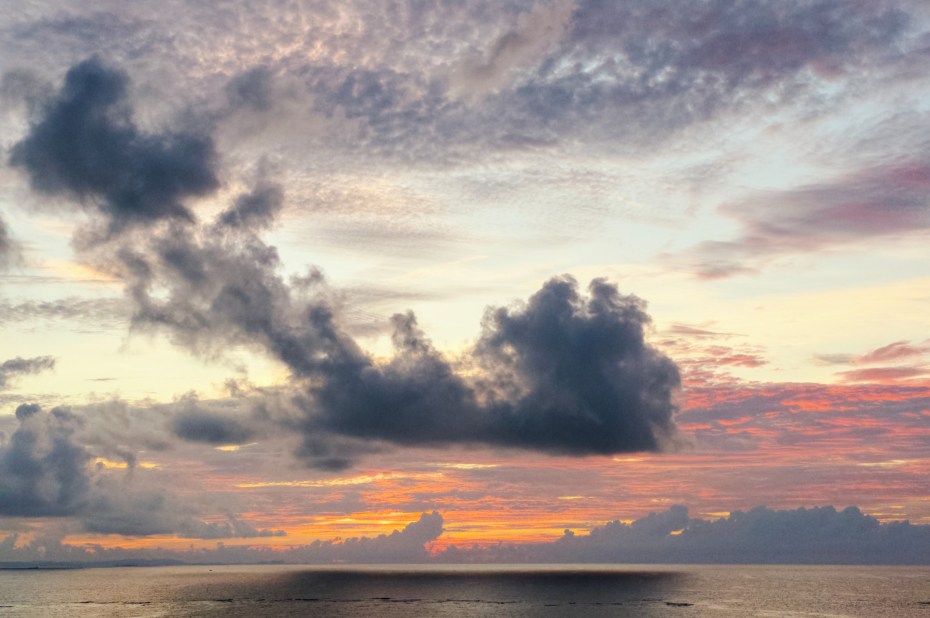


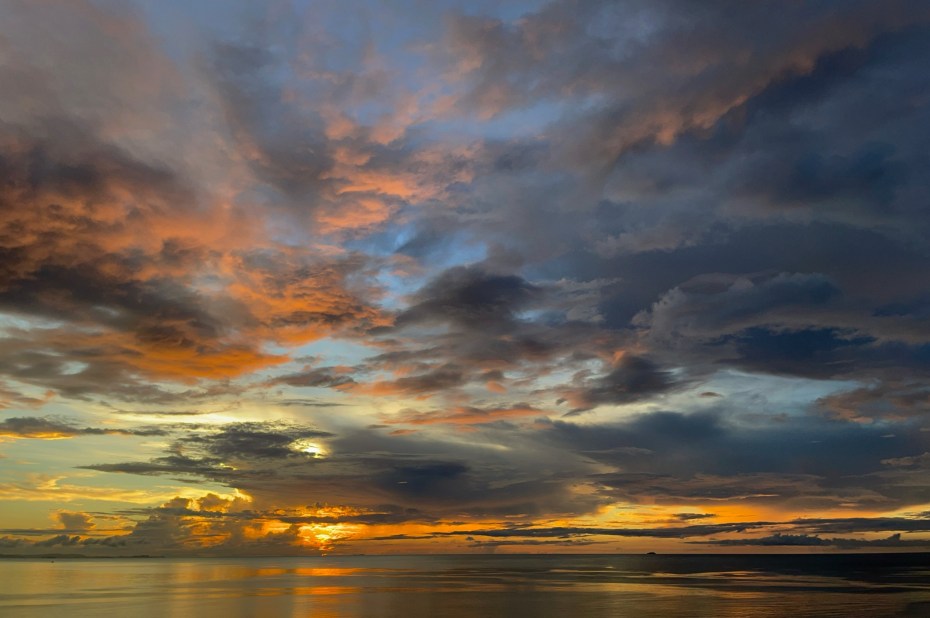
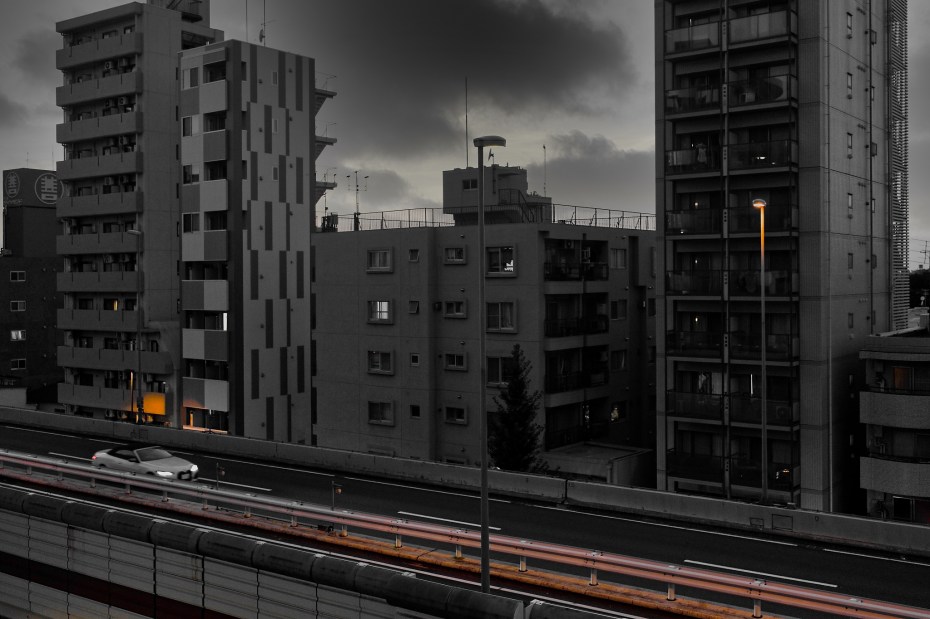


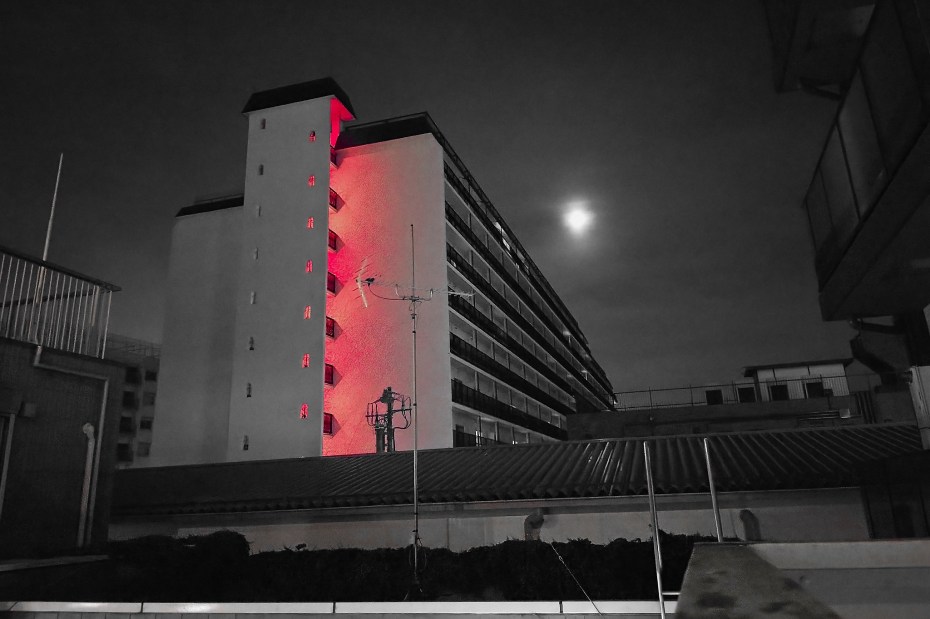









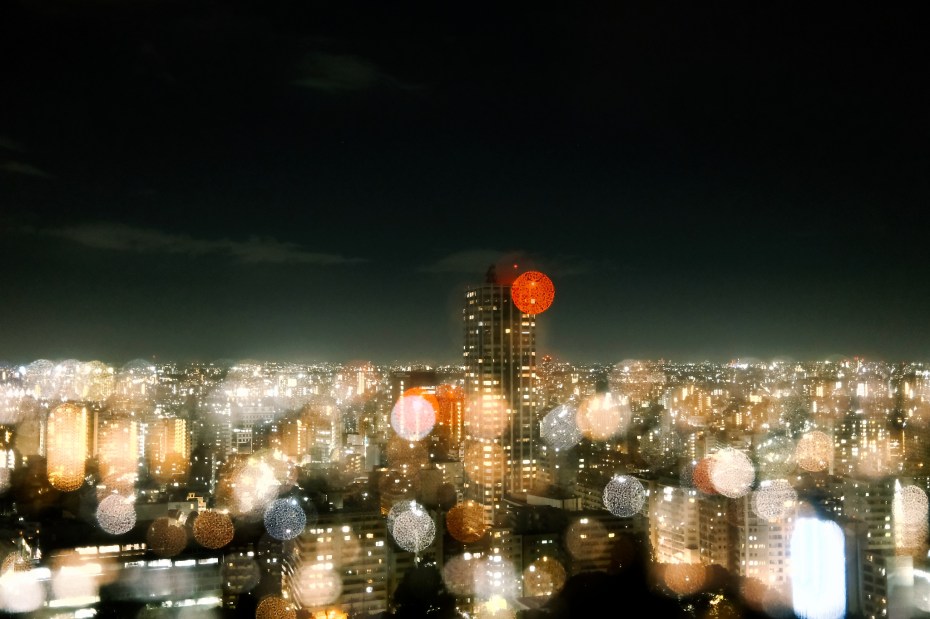
Travel. Not too long ago it was a pedestrian experience; these last years it’s become impossible for many, less than pleasant and wrapped in the paperwork of pandemic-fueled bureaucracy for those who can. And still, even now, with travel can come moments of delight. For me, one of the small pleasures of arriving in a new destination has always been the anticipation of what lies behind the door of a new hotel room: the space and light; the furnishings and decor; the bathroom facilities. And then going to the window, perhaps looking over the balcony: sometimes delighted; at other times disappointed, but always gifted a new and different view.
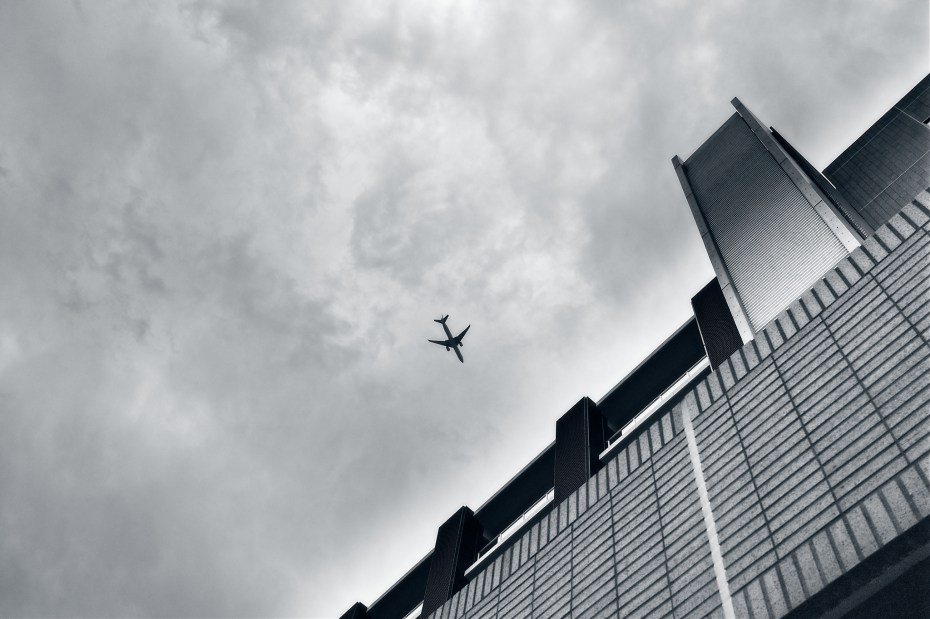
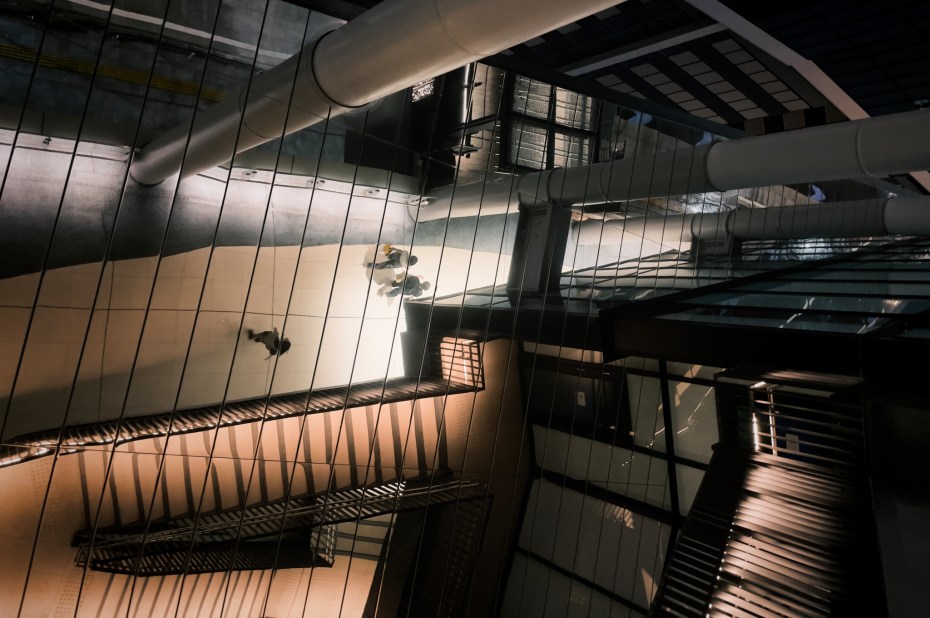
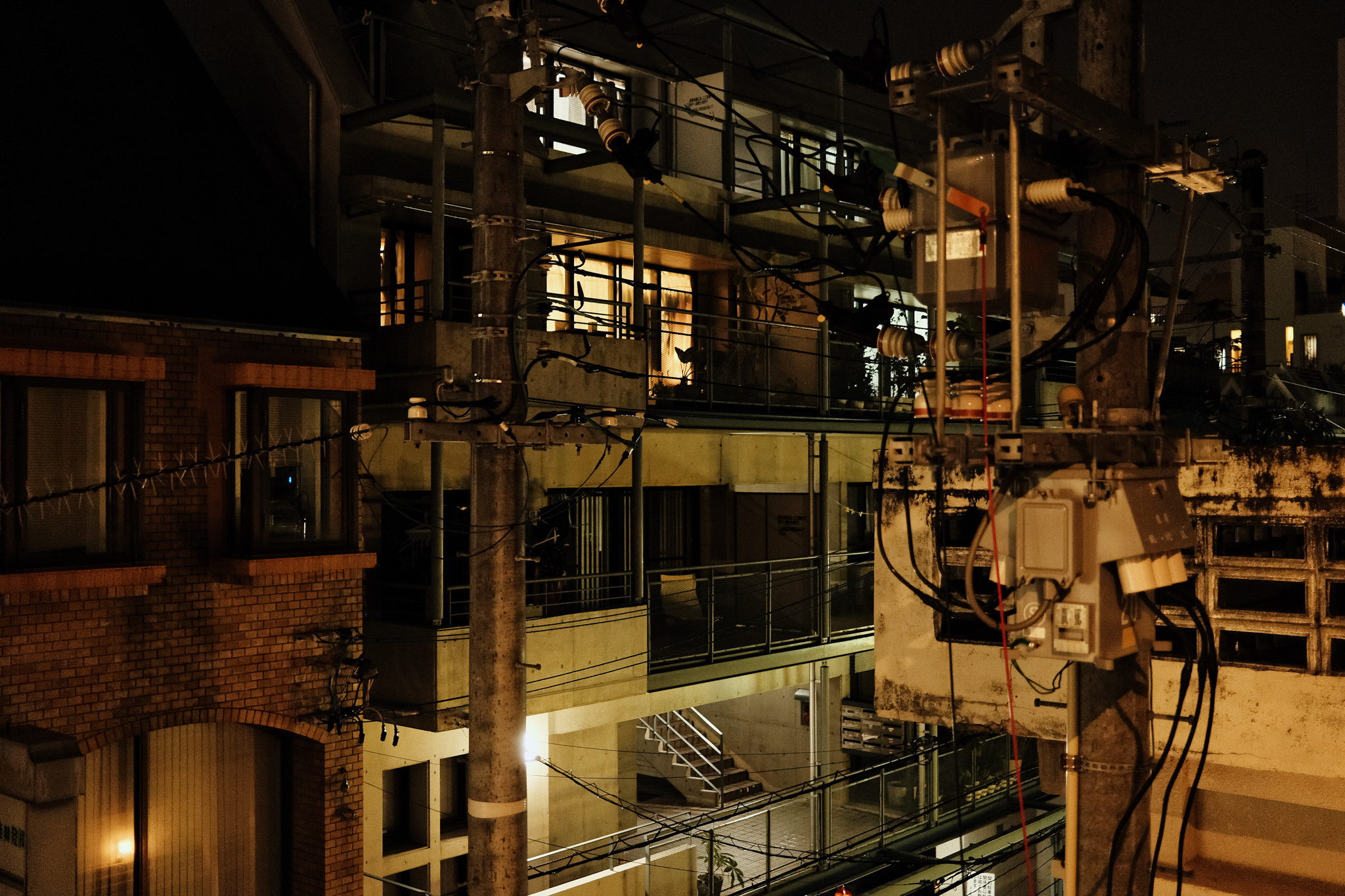
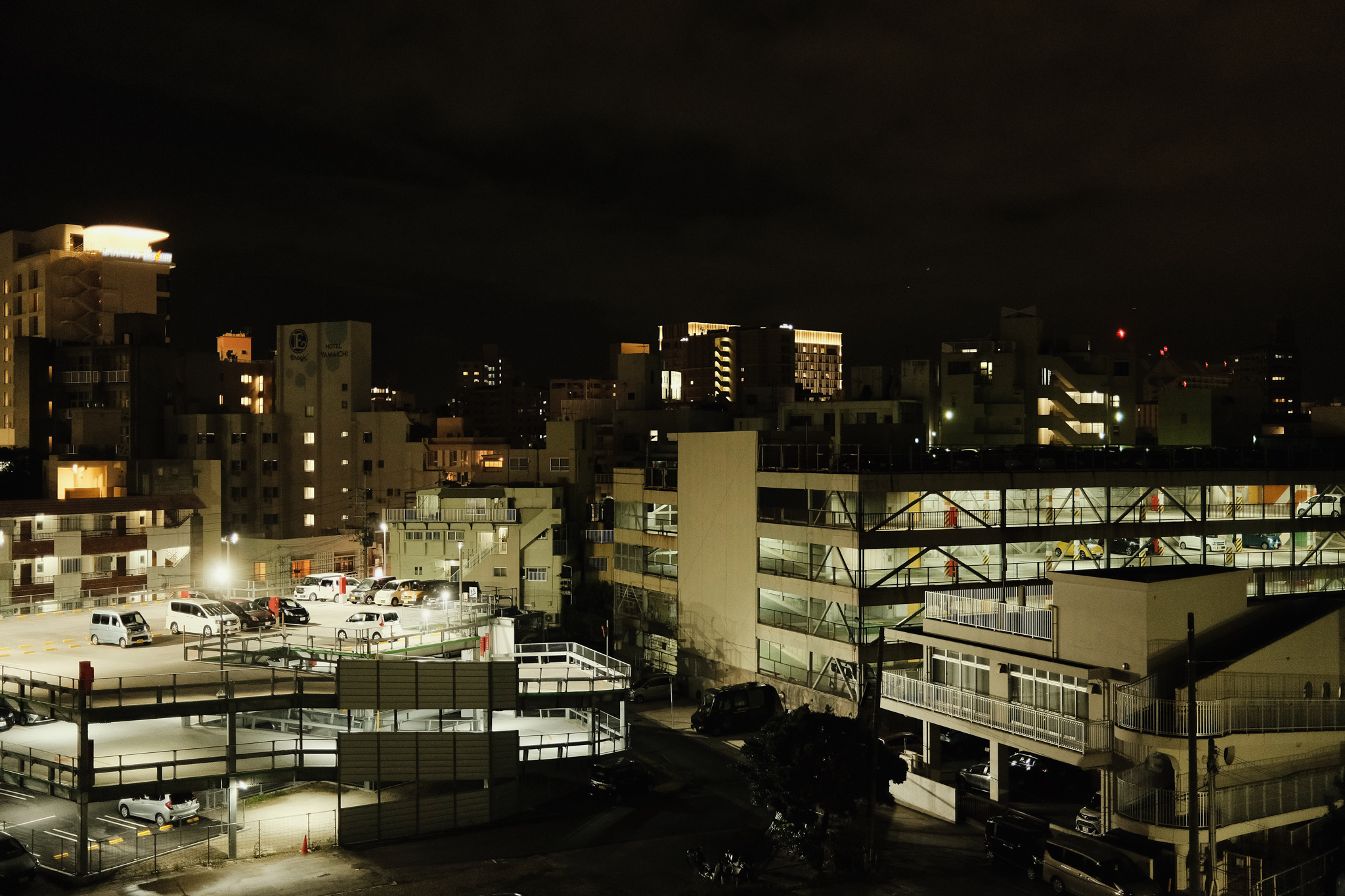
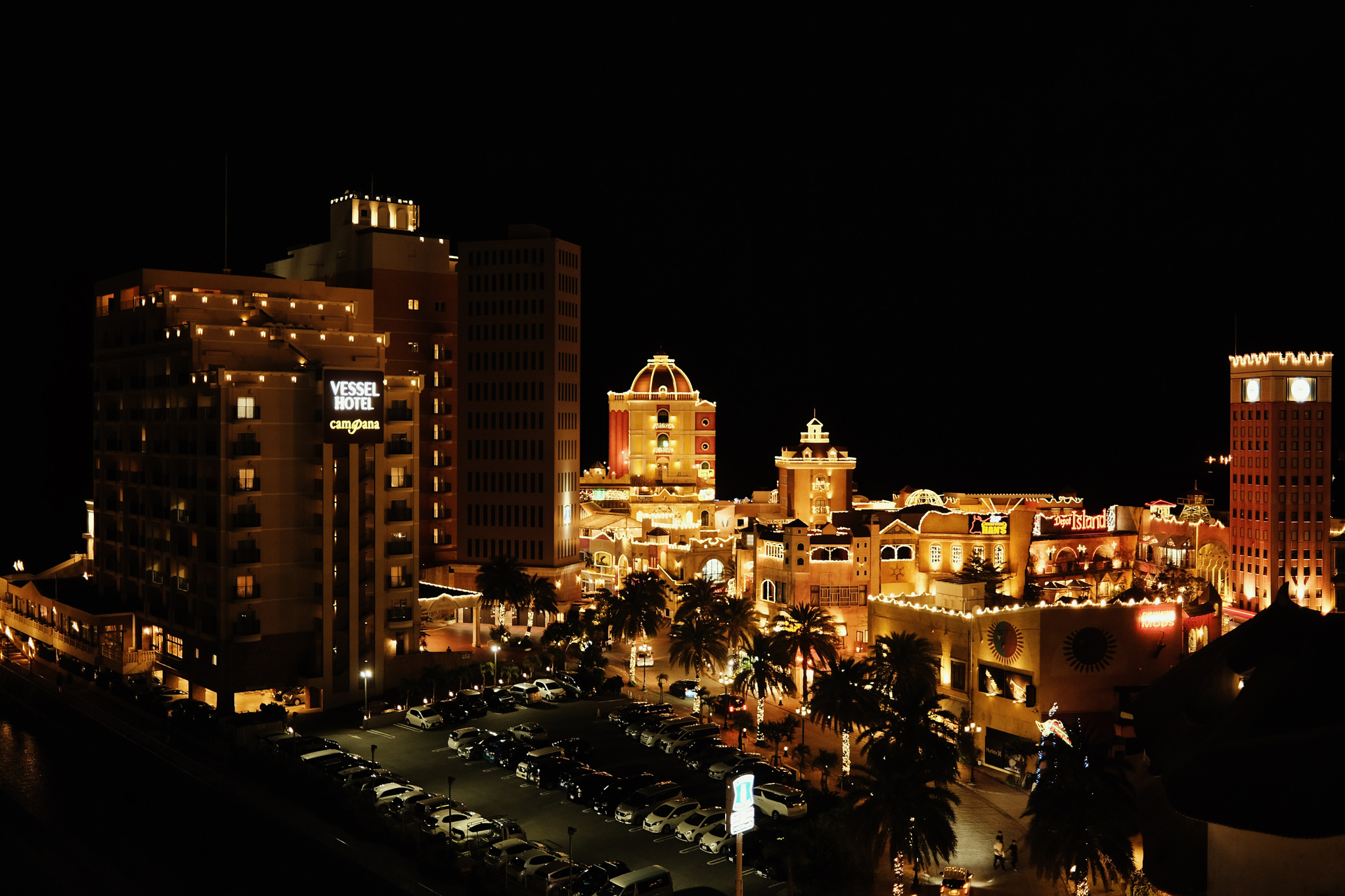
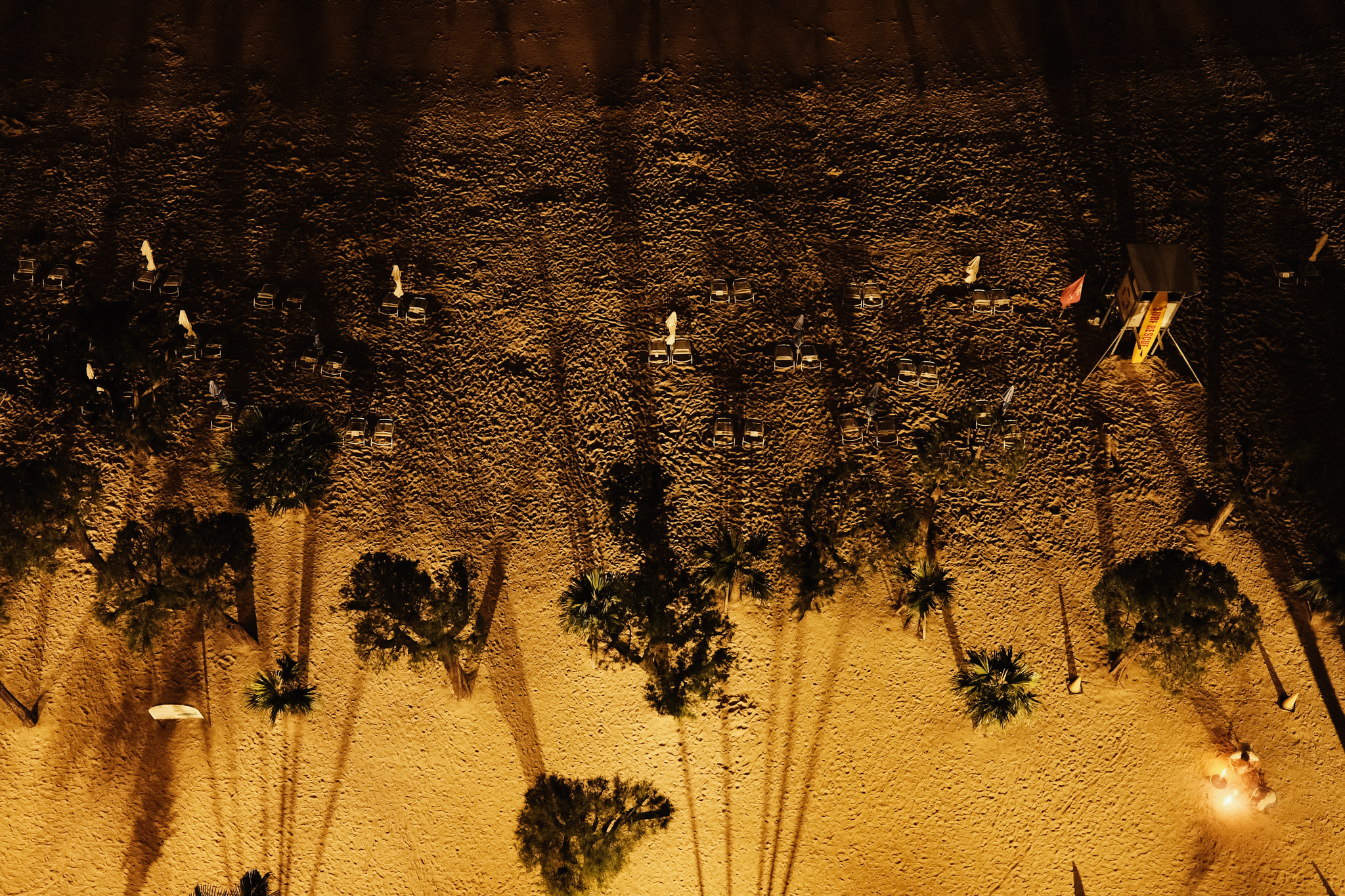
The camera through history has often looked through windows, peering into rooms and also looking out. Recently I’ve been able to do a little bit of traveling, stay in a few hotel rooms, and with my camera look out their windows.
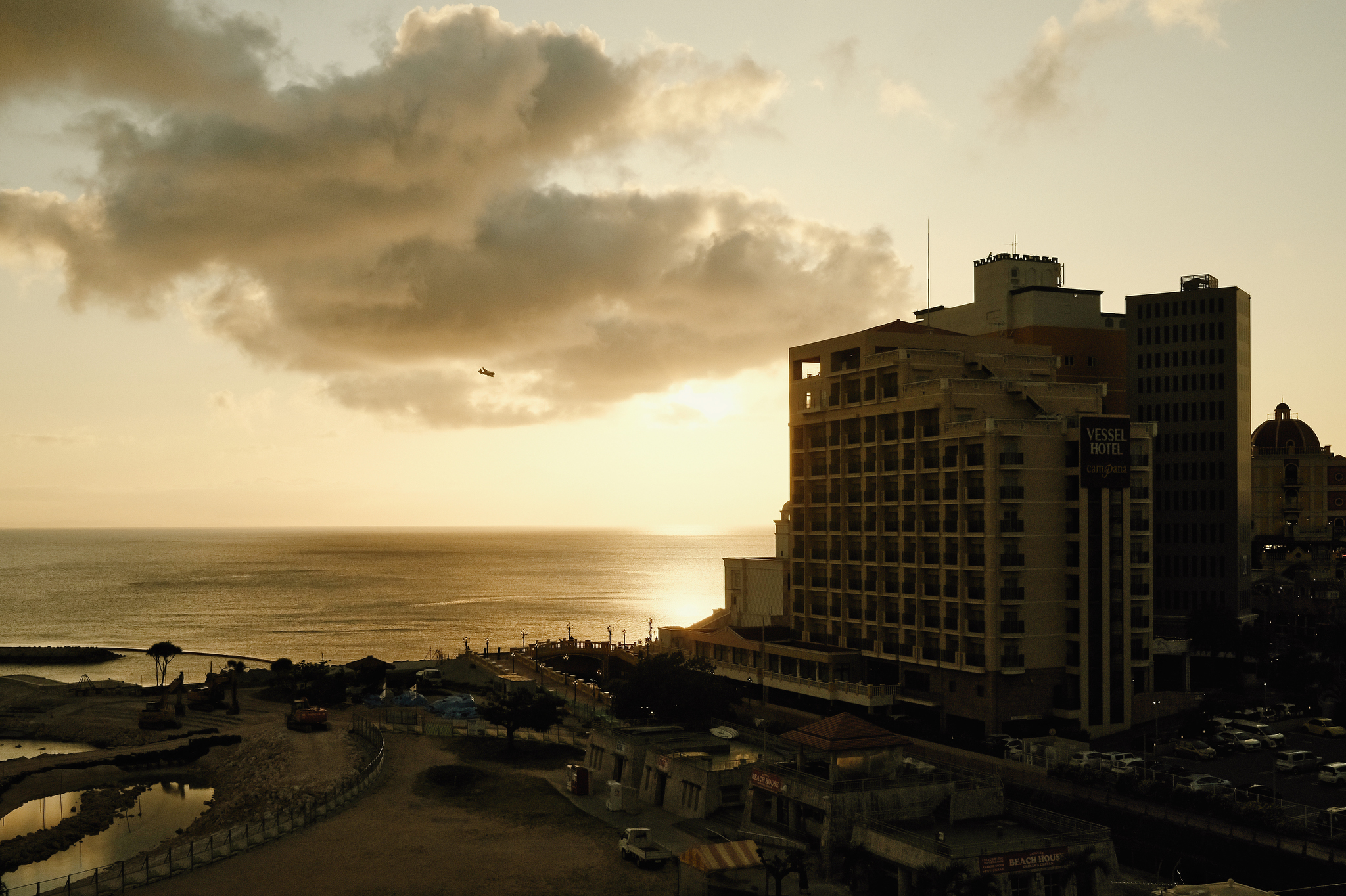
Since Japan was defeated in the Second World War the US military have maintained a presence in the country. Nowhere is this more evident than Okinawa, a prefecture that comprises less than one per cent of Japan’s land mass yet houses around seventy per cent of America’s Japanese military facilities.
It seems somewhat ironic then that this year — today, in fact — Okinawa celebrates the fiftieth anniverary of regaining its sovereignty, control of its lands transferred back to Japan in the Okinawa Reversion Agreement of 1971 — the transfer occurring on May 15, 1972. Something, it should be noted, that was achieved twenty years after the rest of the country. During that period Okinawa was practically a foreign nation: not only was the place governed by the Americans, the US dollar remained the prefecture’s official currency and locals needed a special travel permit to visit other parts of Japan.
Unsurprisingly, Okinawa has a complicated historical relationship with both the US military and Japan’s central government. The prefectural government, which feels both misunderstood and taken for granted, has a fractious relationship with both. While there’s an understanding of the strategic security benefits of the island bases and the population generally feel no antipathy to their American neighbors, who have over the decades had some impact on the islands’ culture, there are mixed feelings and resentments towards their bases given concerns about environmental damage, accidents, nuclear, chemical and biological weapons, aircraft noise, crowding and crime. As for Japan, which annexed the independent Kingdom in 1879, Okinawans march to the beat of their own drum, a recent survey of residents showing that some seventy percent of people identified as Okinawan more than Japanese — something unthinkable in other parts of a country that has a unwavering sense of national identity.



 basili mobile images