American Village

OKINAWA-202010-00008

There are islands and there are islands. There are places of postcard perfect Instagrammable beauty that take your breath away:

Santorini in the Aegean Sea with its cascading whitewashed cliffside villages of Oia and Fira;

Boracay, a gem among the thousands of Philippine islands, with its flawless tropical white sand beaches;

Kauai, Hawaii’s garden isle with its its lush rainforests and spectacular canyons and cliffs.

Okinawa is not that kind of island. It doesn’t come close. Yet it does have its charms, even if they are man-made.

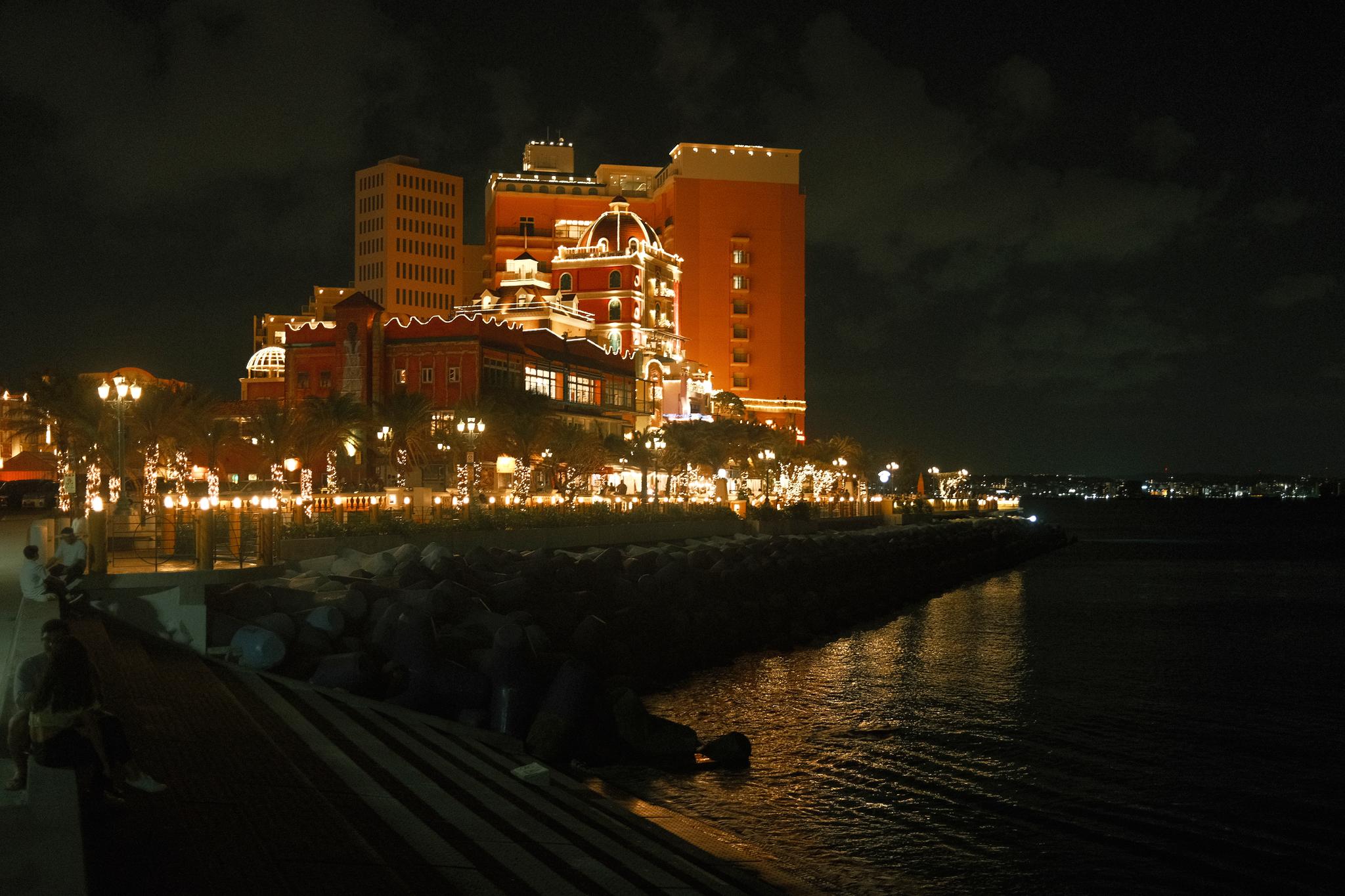
Mihama American Village is a tourist precinct that looks like it was created and built by the Disney art department — it could easily be mistaken for one of the company’s satellite theme park attractions.

The area was farm land before World War 2, then used by the US military until it was returned to the Japanese in 2003. Work on the commercial and entertainment precinct and a respectable collection of neighboring sports facilities began soon after.

The village comprises a number of multi-storey buildings sandwiched between the East China Sea and a series of open air car park lots and the island’s main highway, Route 58. The place is a warren of paths, passages, staircases and terraces, that connect eateries, bars, cafes and stores. There are countless places to sit, many with sea views. A couple of compact resort hotels flank the neighborhood, while an amusement center, movie theater and Ferris Wheel complete the theme park ambience. On weekend afternoons musicians play sets on the promenade and at night the place is lit up like the magic kingdom, crowned by weekly fireworks shows.

Residents and tourists alike flock to the village. It’s a cartoonish, fabricated place that should be soulless and cheesy, but it’s not. Despite the name, businesses are almost exclusively local and, refreshingly, chain stores and global brands are notable by their near absence. It’s in turn laid back and lively, a kind of fantasy land that puts a smile on visitors’ faces. This constructed island oasis is a rare example of a tourist development done right and by my reckoning it’s a huge improvement on what was here before.

November

OKINAWA-202010-00153

OKINAWA-202010-00149

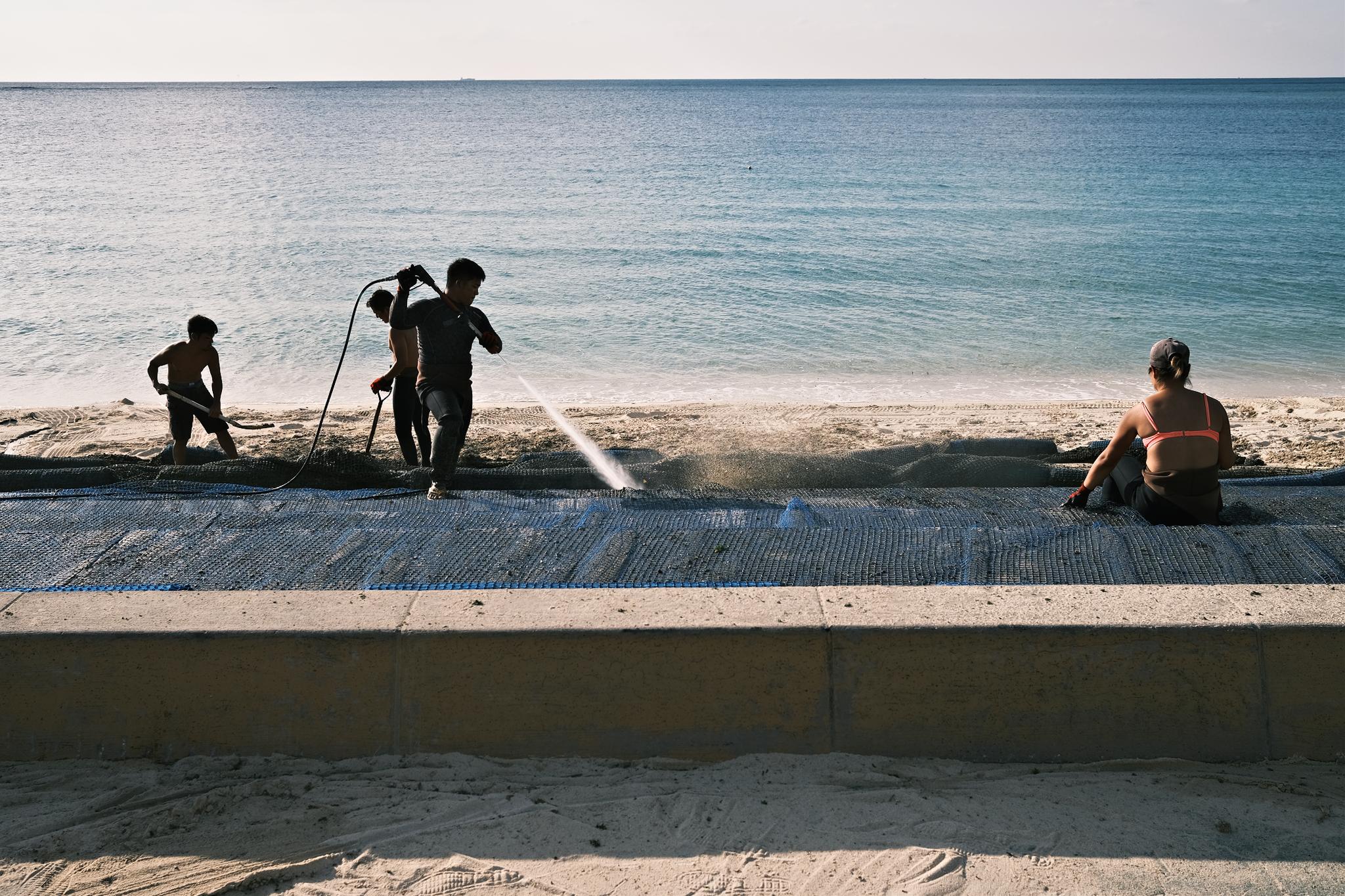
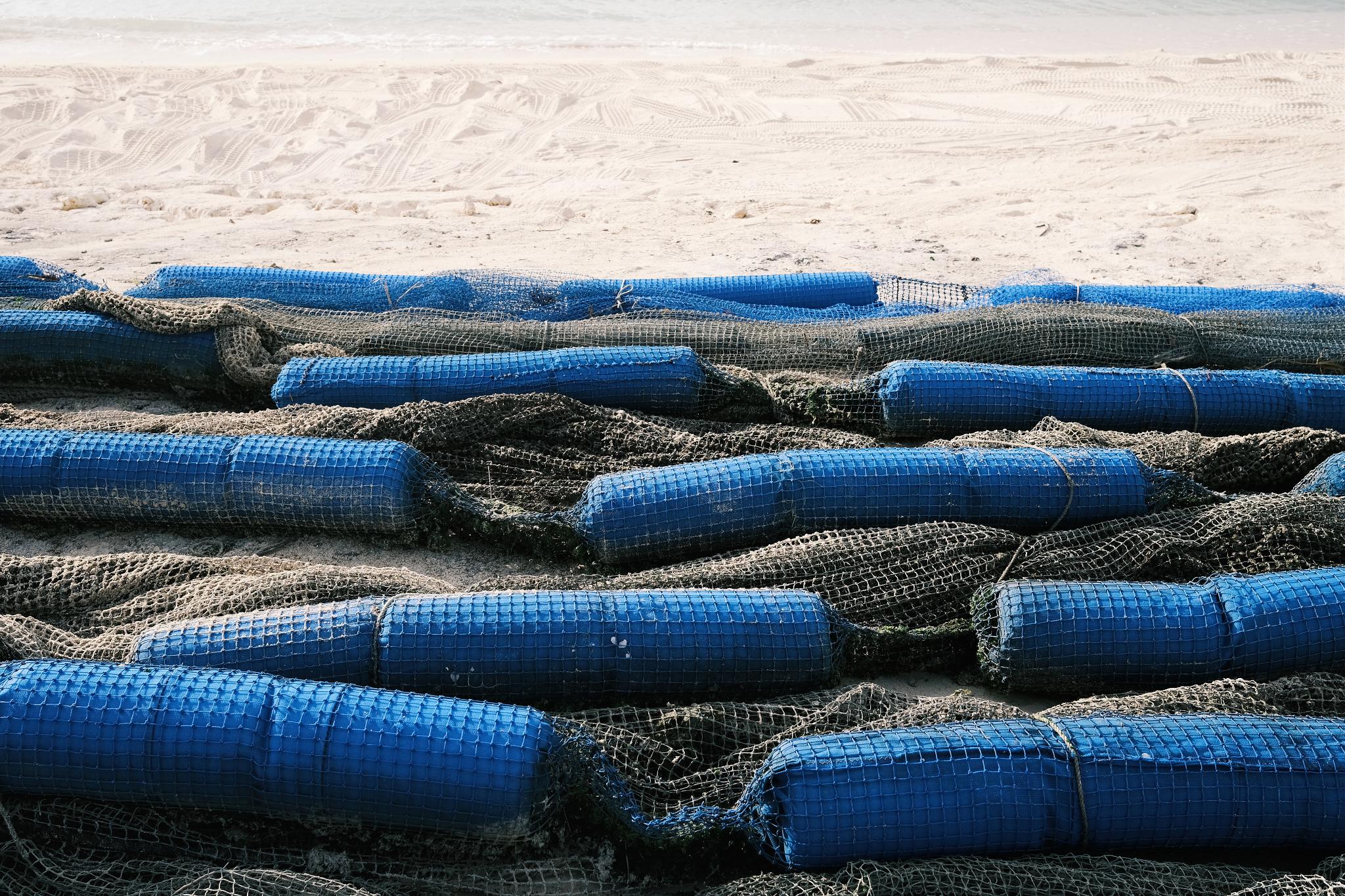
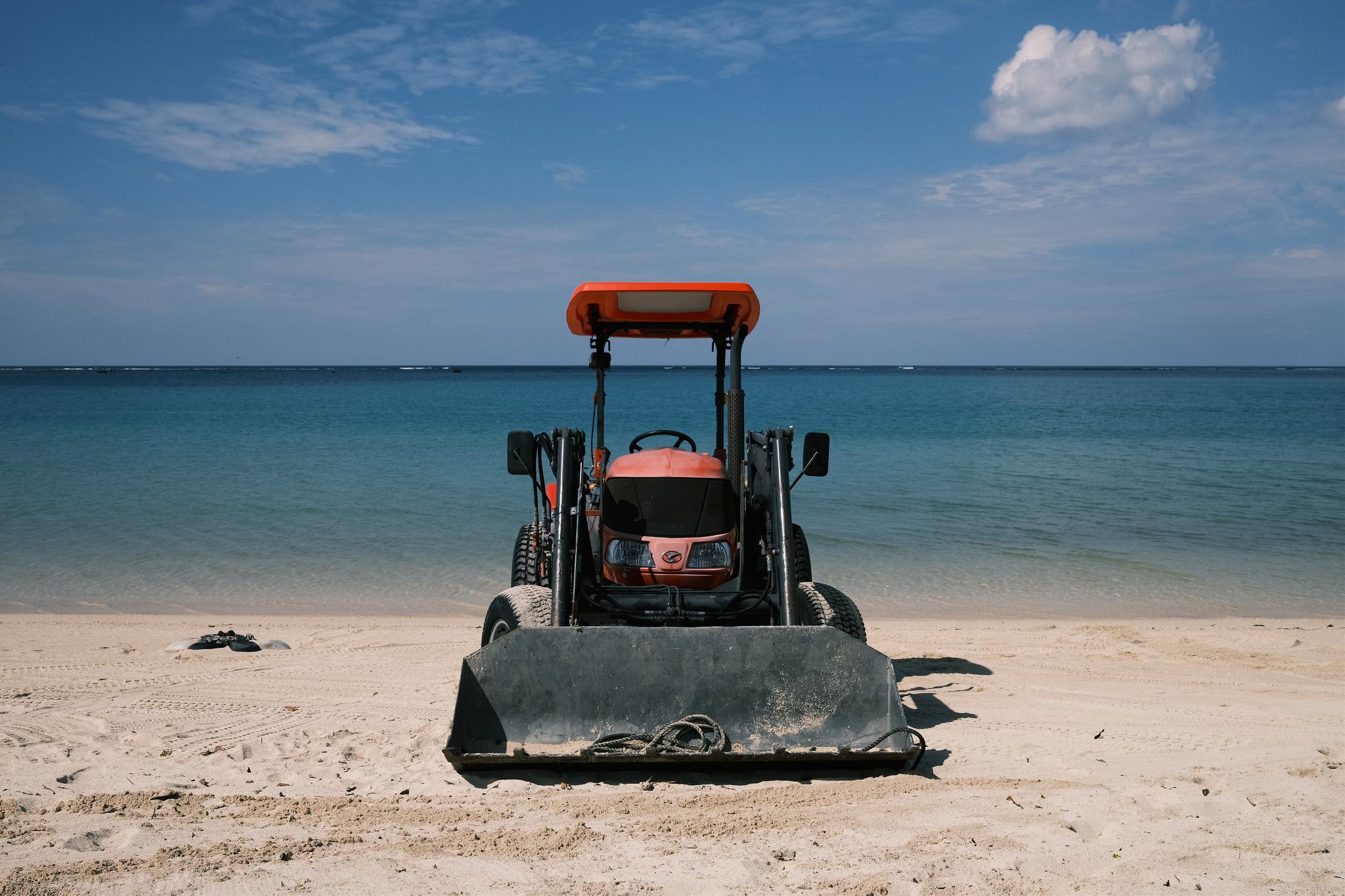
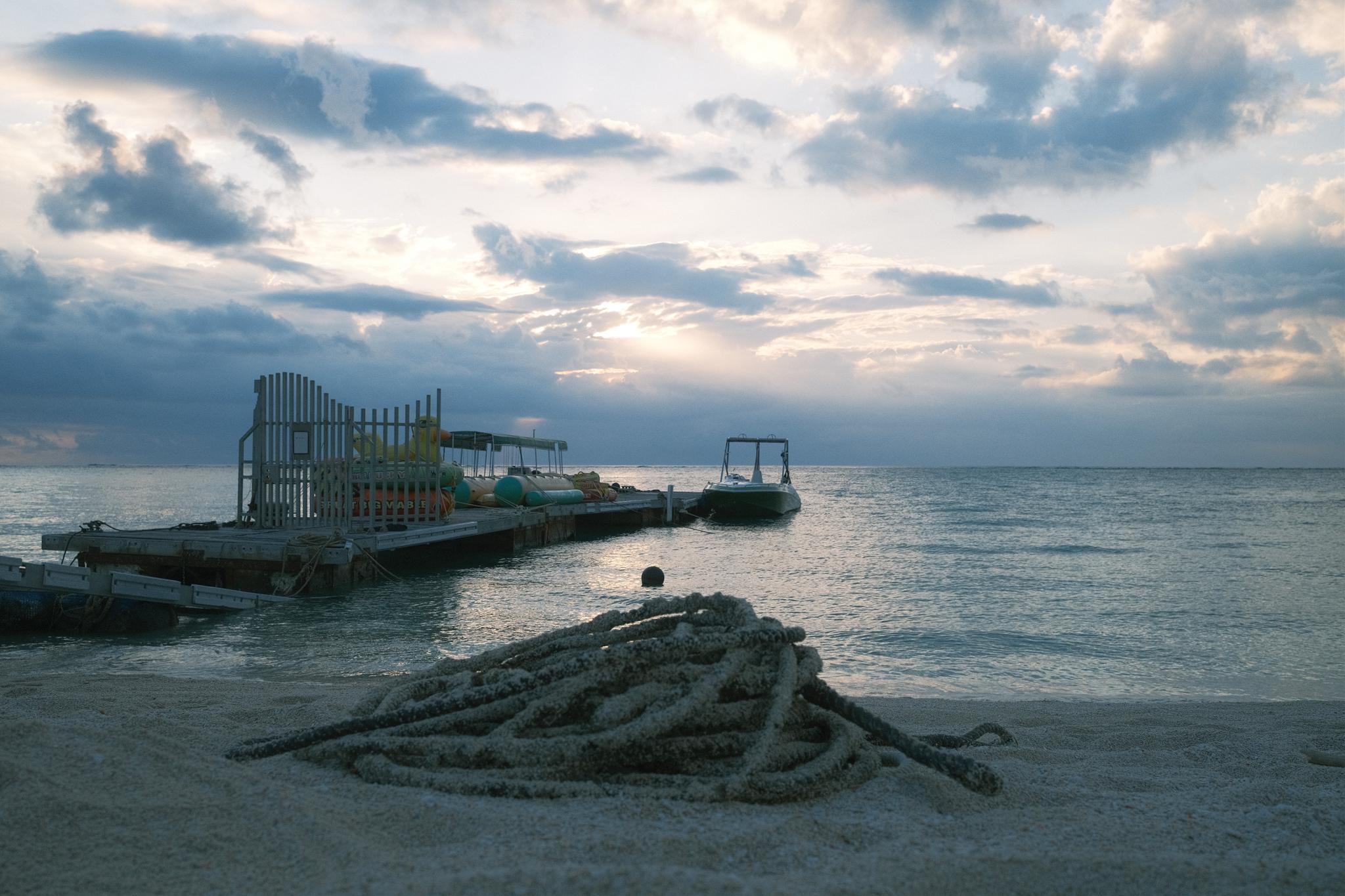
November. The stinger nets have been gathered and stored. The jet skis and inflatable amusements will soon follow. Cleaning operations are underway. The beaches are officially closed. Japanese like to tell visitors that their country has four seasons, and the culture places great emphasis on marking their arrival – think of nation-wide hanami cherry blossom viewing parties in the Spring and late Autumn koyo pilgrimages to witness the kaleidoscopic colors of forests of dying leaves. This is a land of many customs and rules; often the two are interchangeable. There’s a great respect for them, a rigidity and lack of flexibility when it comes to them. And so, though the weather in Okinawa may still beckon beach-goers, it’s November, the time for swimming has passed, and — keeping in mind that exceptions can be found and rules will be broken — the beaches must be closed.

OKINAWA-202010-00138

OKINAWA-202010-00058

Okinawa Wallpaper

Early this year I began making digital polaroids during my outings around Tokyo — fragments of walls, windows, signage, graffiti, and the like; details that drew my attention. Details that captured the character of the place. These individual images gradually developed into the series Tokyo Wallpaper.

Happy with the results and wanting to develop the idea further, I saw the potential of capturing details of different places using the same tools and aesthetic, expanding the Wallpaper gallery. To that end, I’ve just added a new series — one in which the digital polaroids capture the character of my current surroundings — Okinawa Wallpaper.

6:22

6:22 OKINAWA-202009-00143

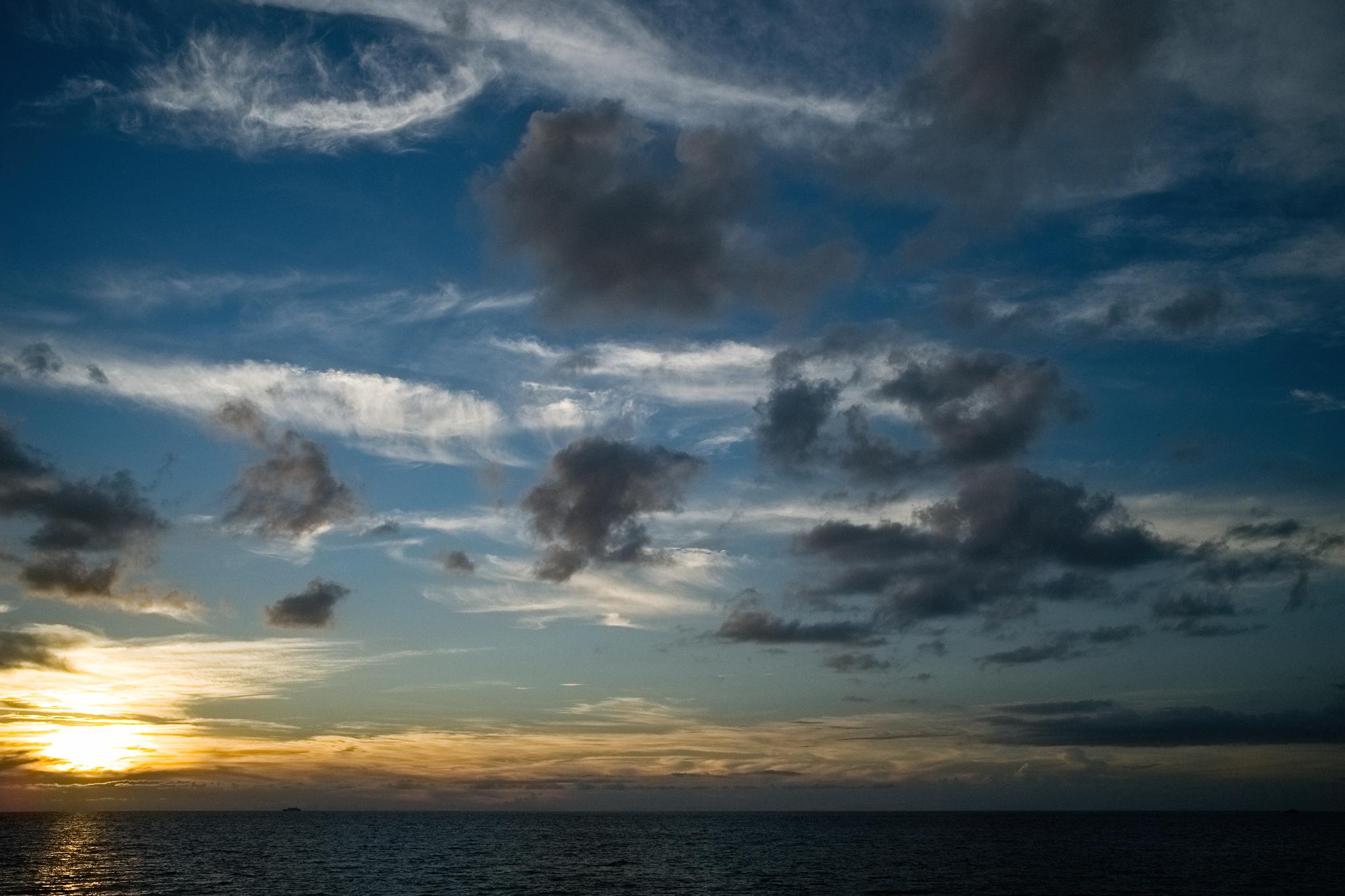
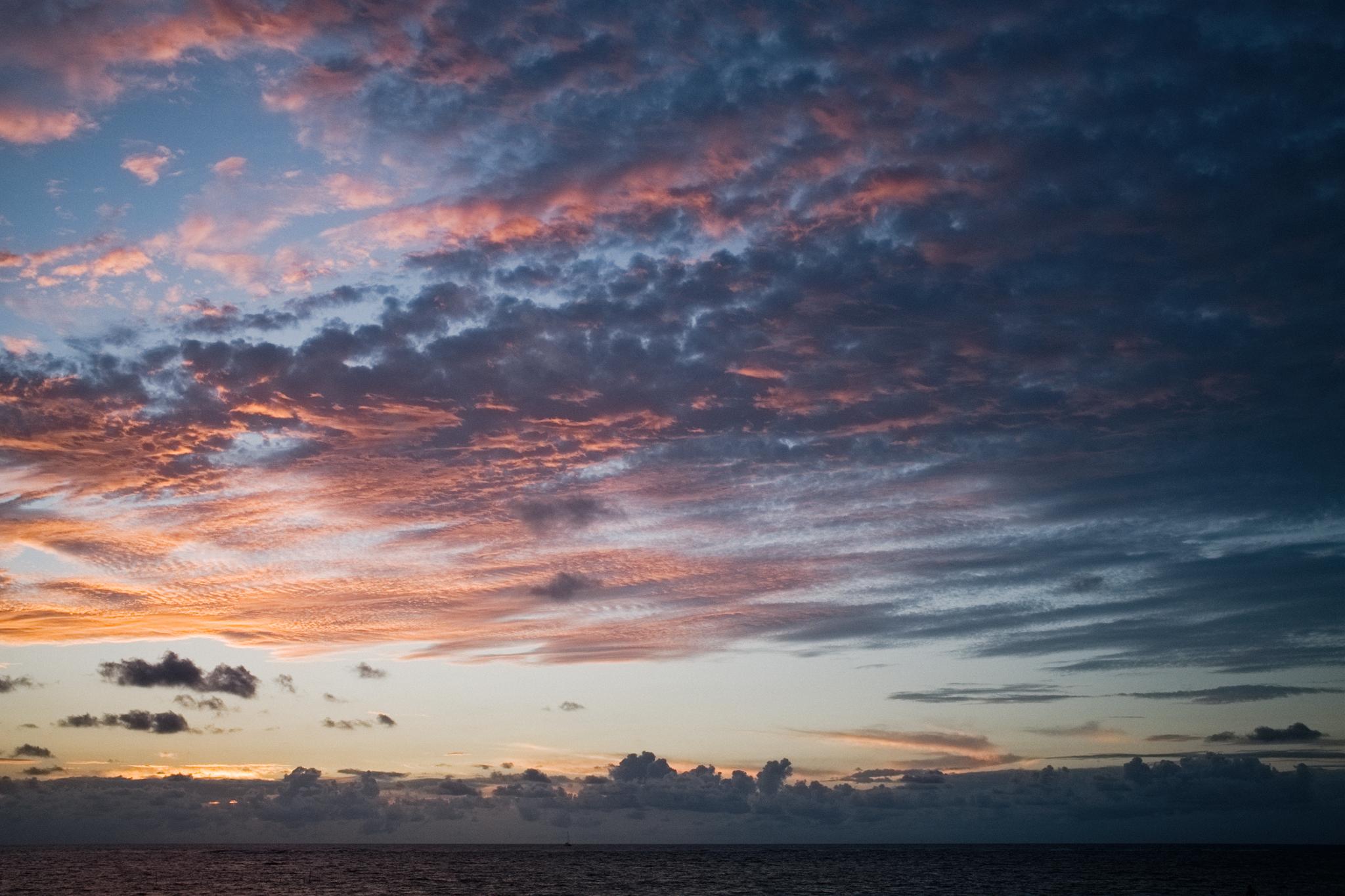
The skies over Okinawa are spectacular: ever-changing canvases painted by wind and cloud and sun. The cloud formations are endlessly fascinating, whether monumental sculpted cumulonimbus masses, smudged impressionistic stratus layers or wispy painterly cirrus streaks. The skies are of course at their most dramatic as the sun is setting, the blue and grey vistas charged with gold. By the shimmering sea is the best place to witness them and the first impulse is to photograph them.

I stood on the beach and did just that, framing a section of the sky over the sea as the sun was low over the horizon. I took a photo — the photo above — and immediately wanted to take more. I decided to make a series of similar photos, to capture and highlight the changing skies. It’s far from an original idea, but I decided to take a photo each day, for a week, framing the sky above the sea from the same spot and at the same time as that first photo: 6:22.
Each day, we’re gifted beautiful variations on a theme, but the best part is the encore that comes after the sun slips below the horizon. On a good day, if the clouds are right, the sky is transformed into a series of breathtaking canvases tinted with a spectrum of crimsons, oranges and pinks that gradually fade to black.

Nowadays

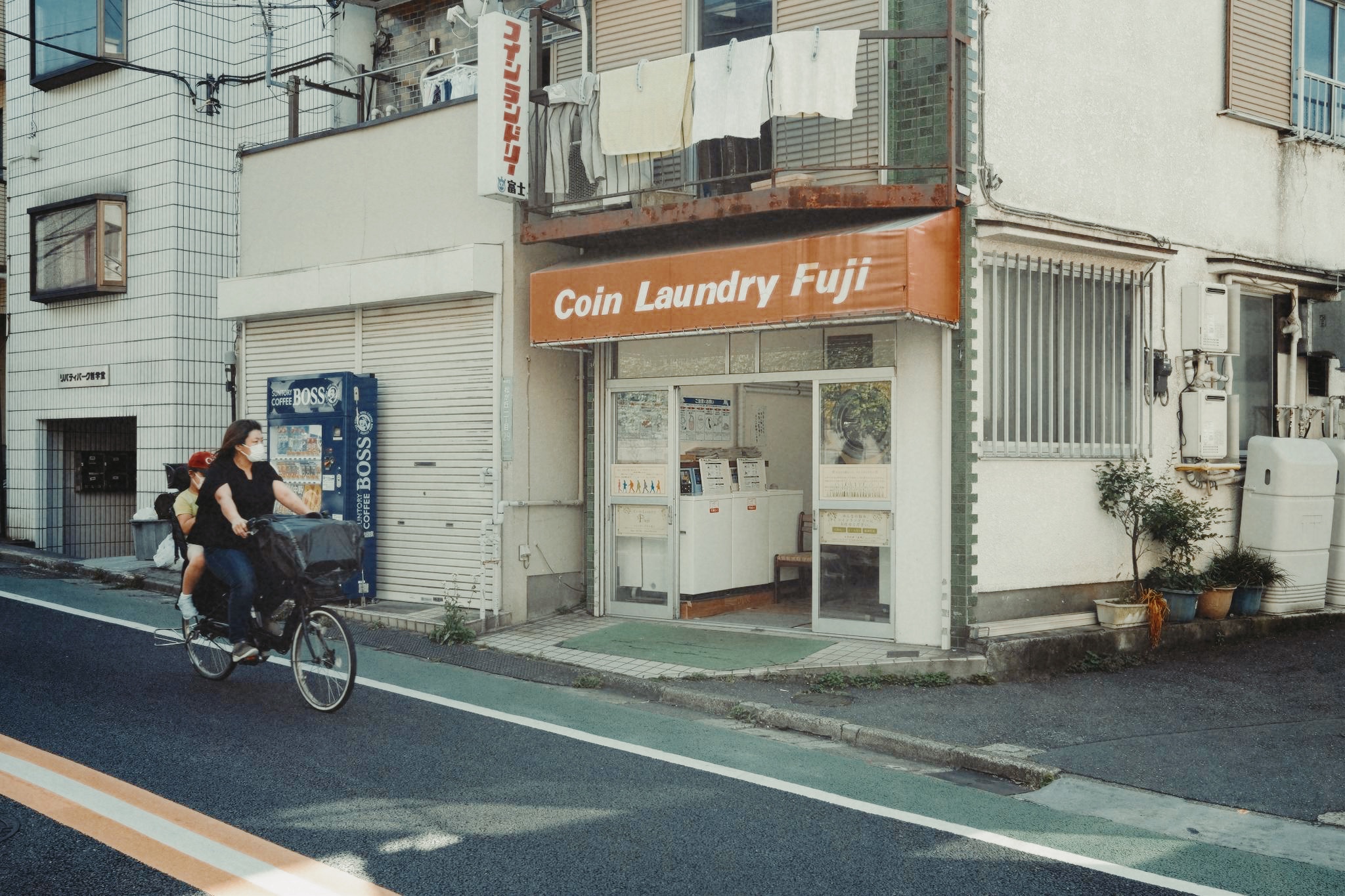
Nowadays I love riding my bike. In the city it wasn’t always so: sidewalks thronged with pedestrians and cyclists going every which way, roads packed with cars but devoid of bike lanes, city air, long riding distances between destinations in such conditions, and parking was difficult. My bike didn’t see much action; I usually took the train.

Nowadays things are different. Living in a small town that is scaled to human proportions, cycling is a joy.

Nowadays parking isn’t a problem. In the backstreets there are few cars or pedestrians or even other cyclists to contend with. Along the seashore the air is clean. The place is easily navigable; I can get most places I need to go within fifteen minutes. The Okinawan climate ensures I always work up a good sweat, but here, where there are no trains, a bicycle still seems the perfect mode of transport.

Divergence

TOKYO-PH-202008-00015


Two roads diverged in a wood, and I —
I took the one less traveled by,
And that has made all the difference.

— Robert Frost


OKINAWA-202009-00092

Tokyo is home to around 14 million people, while the greater Tokyo area houses some 37 million residents. Space is a rare commodity and horizon lines are even rarer. The world’s most crowded urban agglomeration is dynamic, exhilirating, stimulating, endlessly fascinating … and often exhausting.

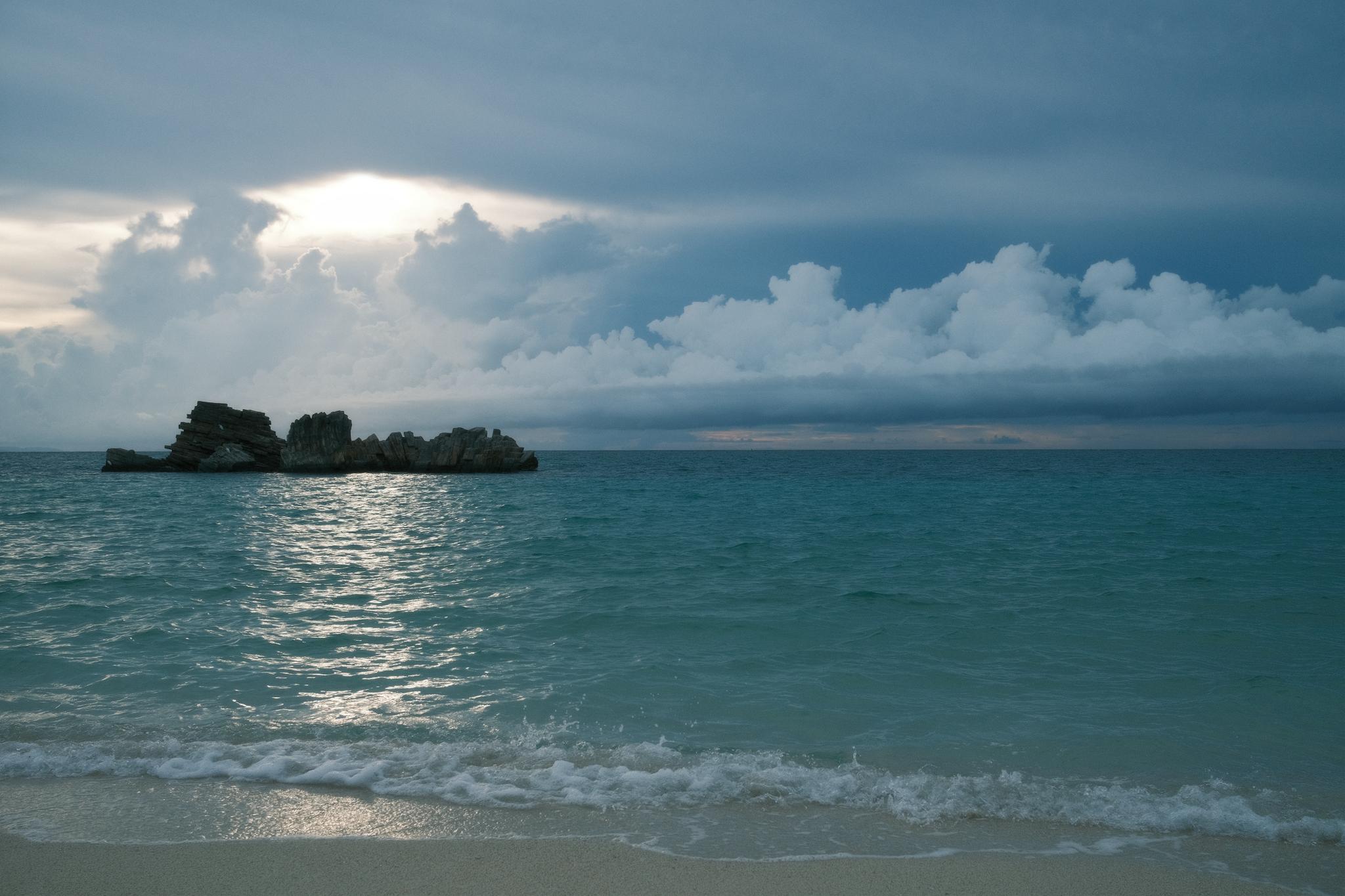
Okinawa has a population of around one and a half million people. The seaside town of Chatan has fewer than 30,000 residents. Half the area is occupied by US military bases, fenced off no man’s lands accessible only to military personnel, their families and local base employees. The rest of us enjoy a collection of compact coastal neighborhoods that lie along a part of the west coast of Okinawa’s main island, facing the South China Sea. It’s almost nothing but endless horizons. These vistas put an honest perspective on our place in the world and are a striking showcase for the forces of nature. Their expansiveness is meditative, soothing and restorative.
No man is an island

OKINAWA-202008-00021

OKINAWA-202008-00010

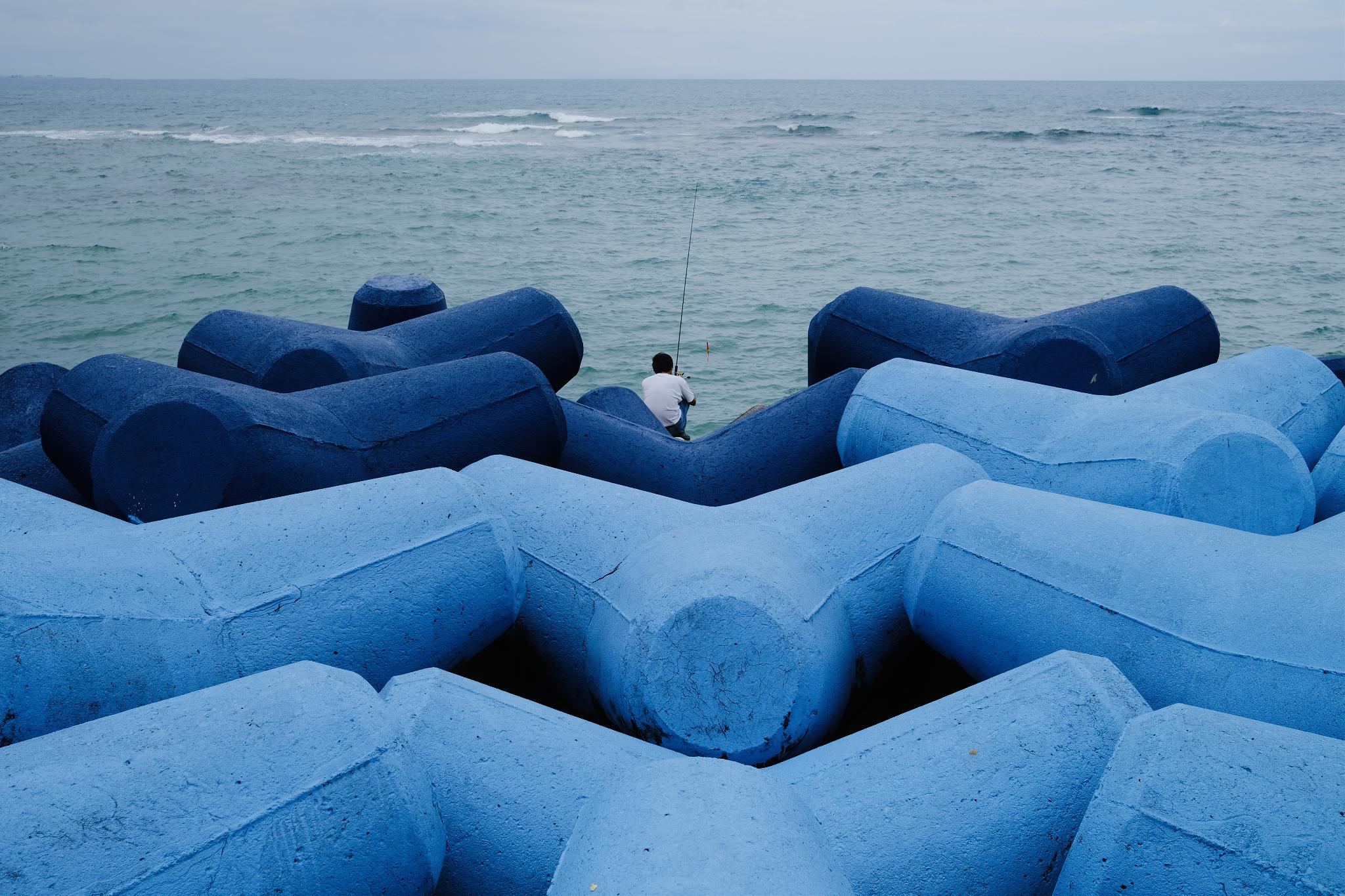
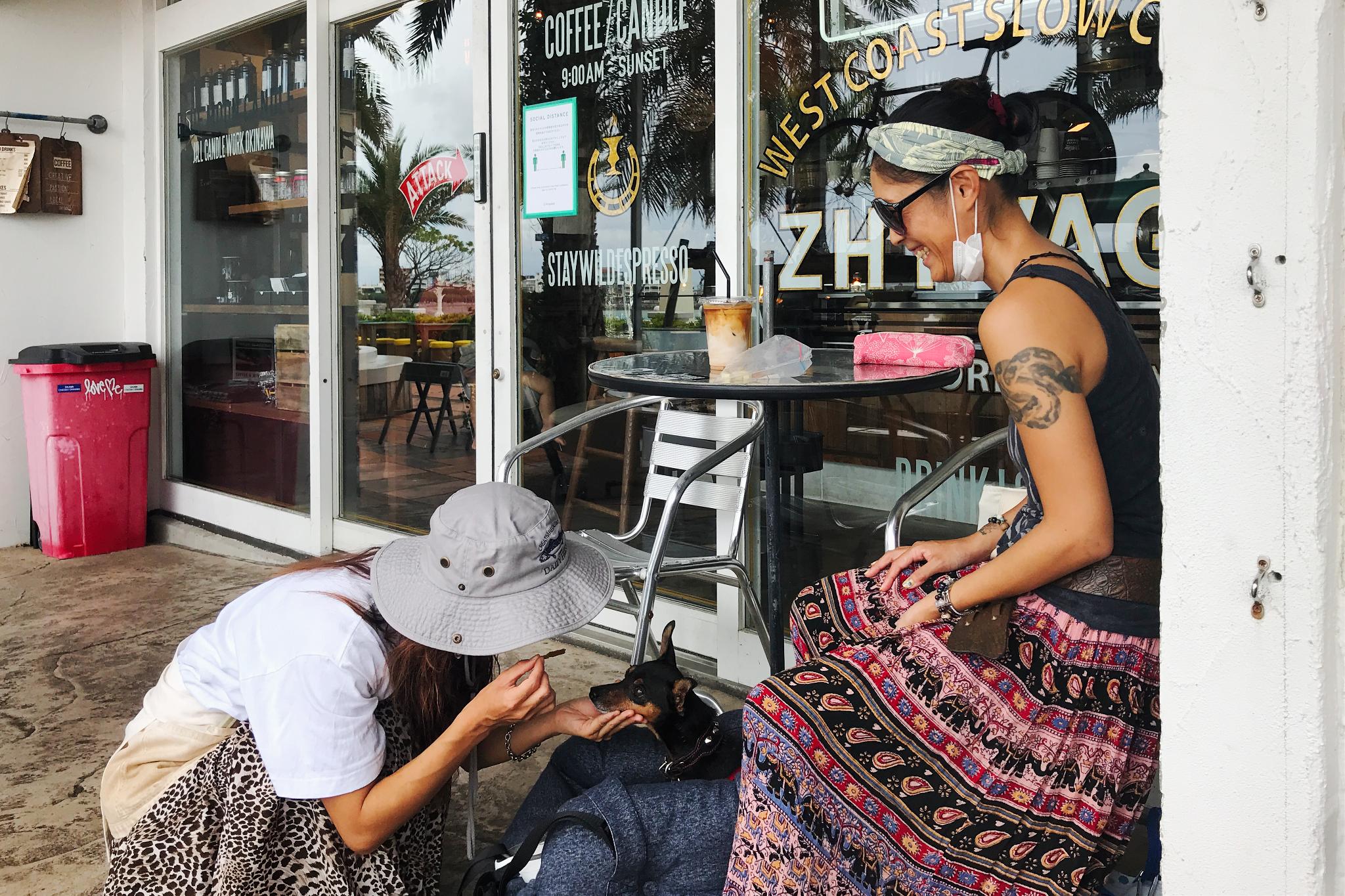
Like the fisherman perched on a tetrapod barrier preparing to cast his line into the sea or the woman on a promenade wall staring into her phone, alone with her thoughts, I find solitude therapeutic. I enjoy walking city streets with just my camera or sitting in a cafe alone with a book or keeping my own company riding my bike by the sea. But this new socially fragmented world of enforced health precautions we find ourselves in — where handshakes, hugs and kisses are now forbidden pleasures — drives home just how much we are social beings; for all the contentment that can be found in solitude, we need to make connections and to share moments with other people. And these days, encounters that would hardly have been noticed a year ago seem so much more precious, and hopeful, whether it’s two friends aimlessly chatting on a sea wall or a cafe waitress doting on a customer’s pet puppy.
OKINAWA-PH-202008-00010

OKINAWA-PH-202008-00009

Exodus

TOKYO-PH-202008-00005

TOKYO-PH-202008-00008

A journey of a thousand miles, as it’s long been said, begins with a single step. These days long journeys are, for most people, no more than memories, or dreams. The world, for most of us, has become smaller. I’ve been lucky to be able to travel to just about everywhere my desire took me throughout my life without restriction. I would never have imagined that this would change. But here we are. Borders have been shuttered all around the world. Proverbial thousand mile journeys can be undertaken; actual ones, not so readily these days.

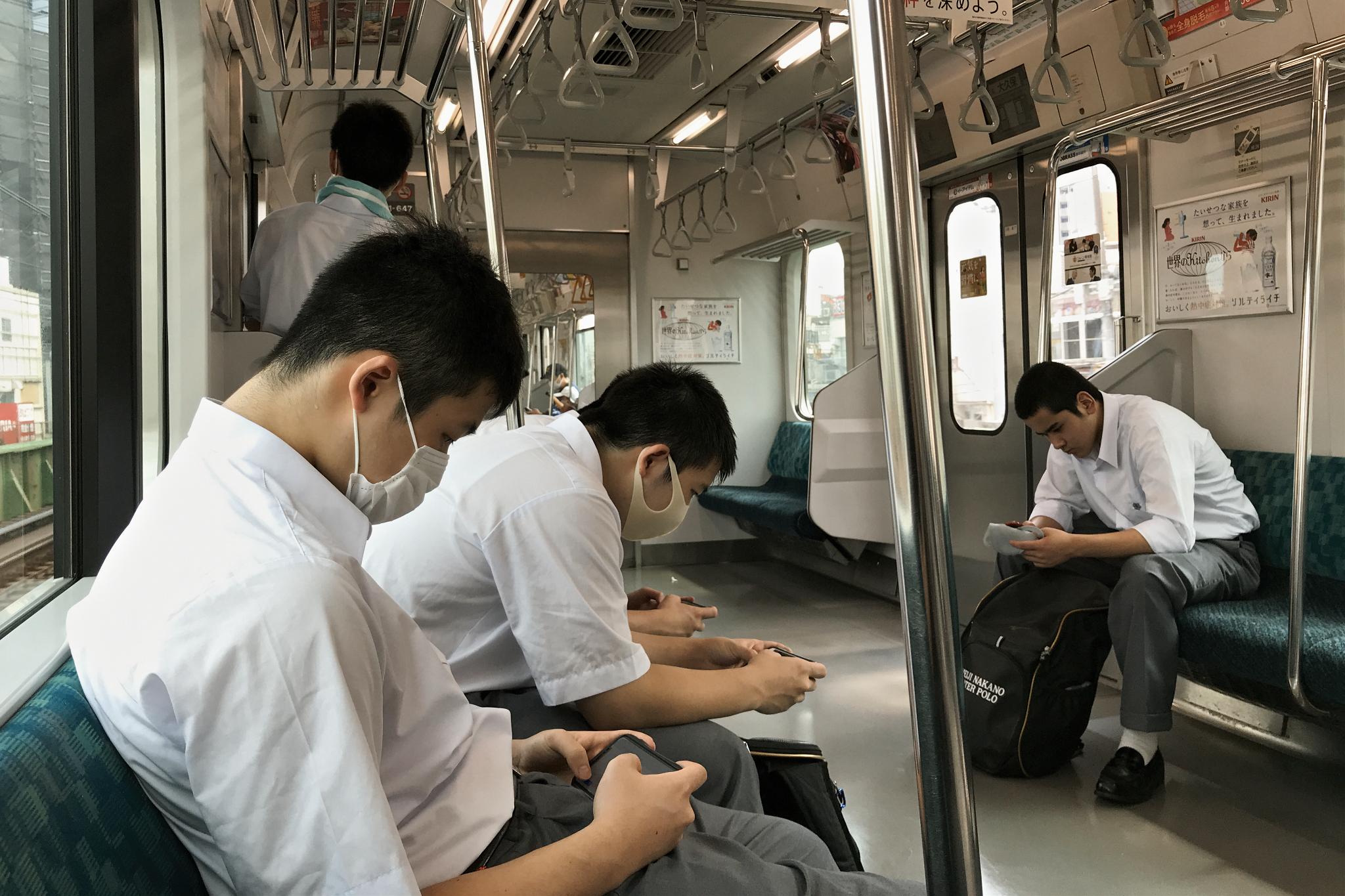
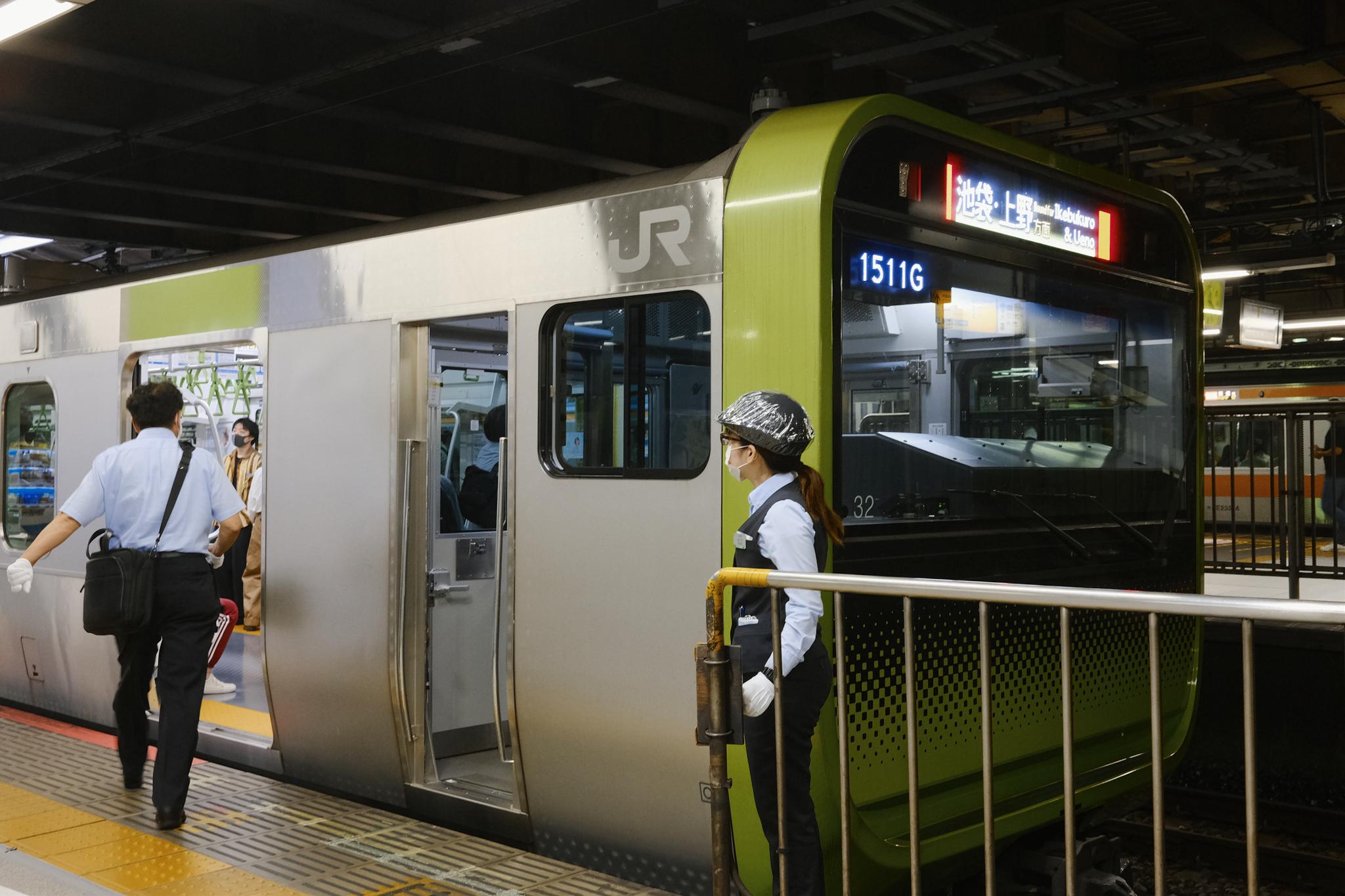
Here in Tokyo, much smaller journeys remain a ritual part of daily life: the never-ending commutes that Tokyoites make on the city’s railway arteries continue. The streams of trains and seemingly countless stations define the dynamism of this city. It can be stimulating; it can be exhausting. The longer you live it, the better you understand the tendency for commuters to doze off on trains. There comes a time when you look forward to escaping it. And so, I’m soon to embark on a journey of almost exactly a thousand miles as I pack up and head to the coastal regions of Okinawa.

TOKYO-202007-00064

Stasis

TOKYO-202004-00060-V2

TOKYO-202007-00066

This is where we are.

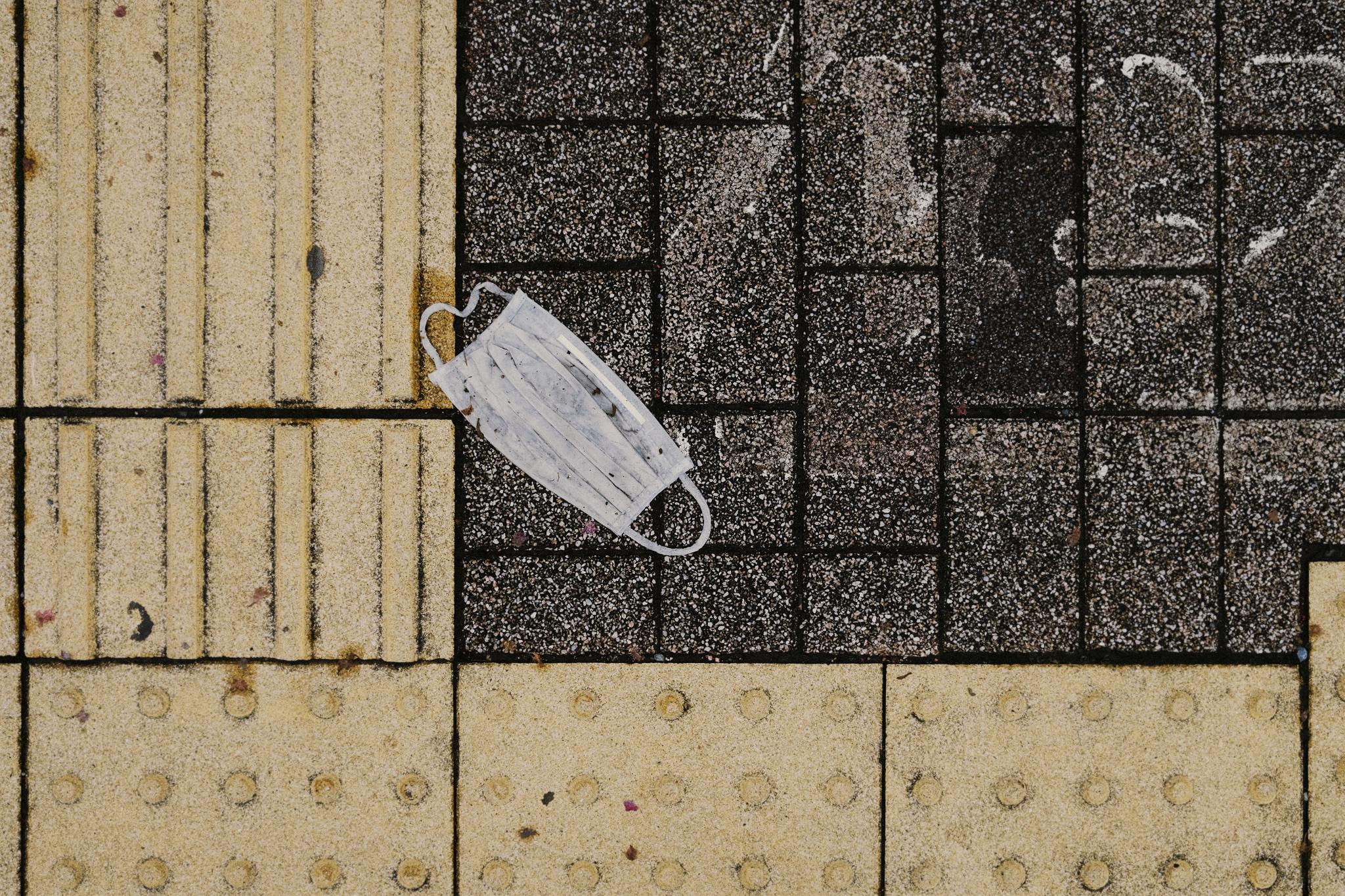
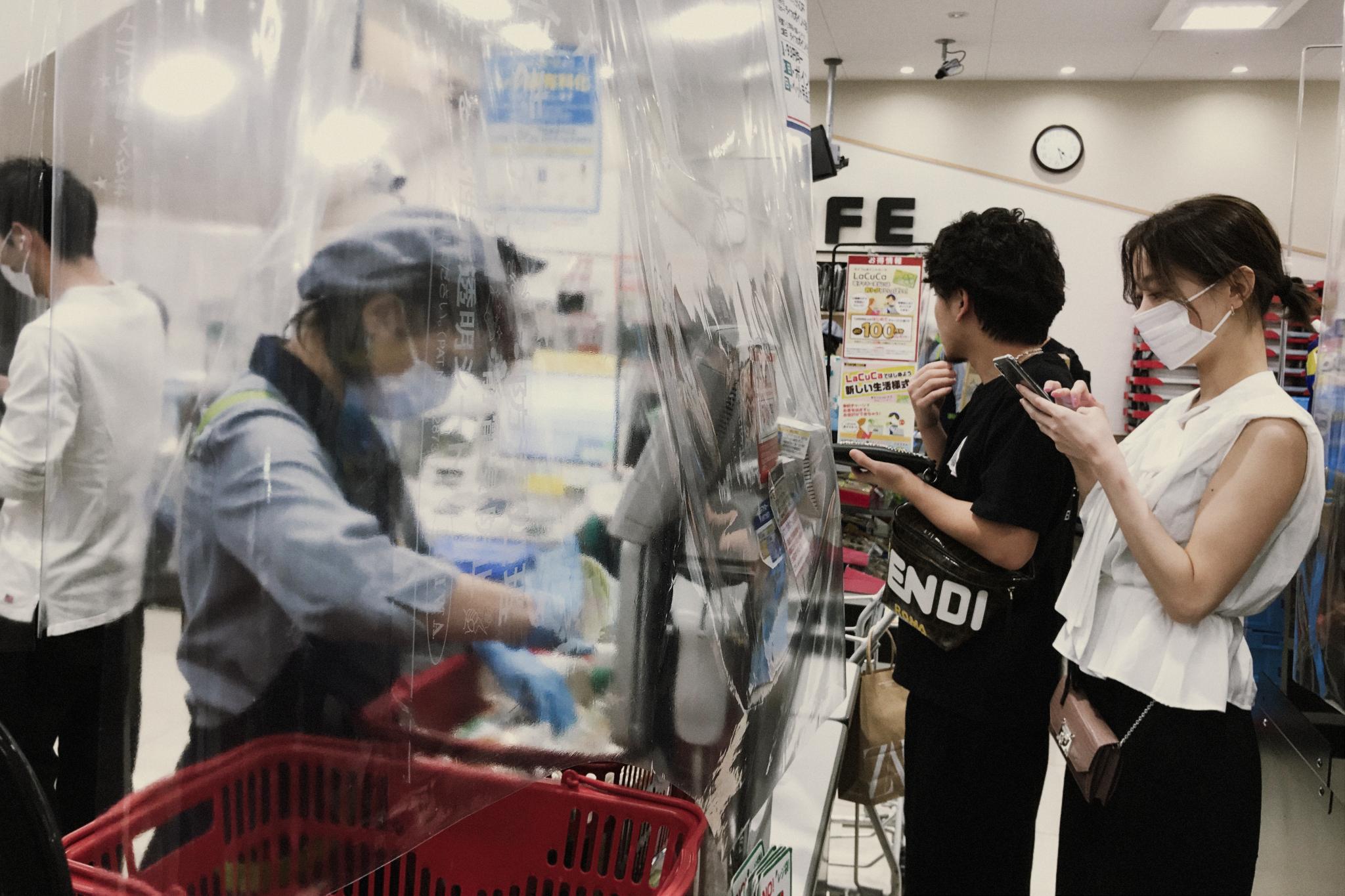
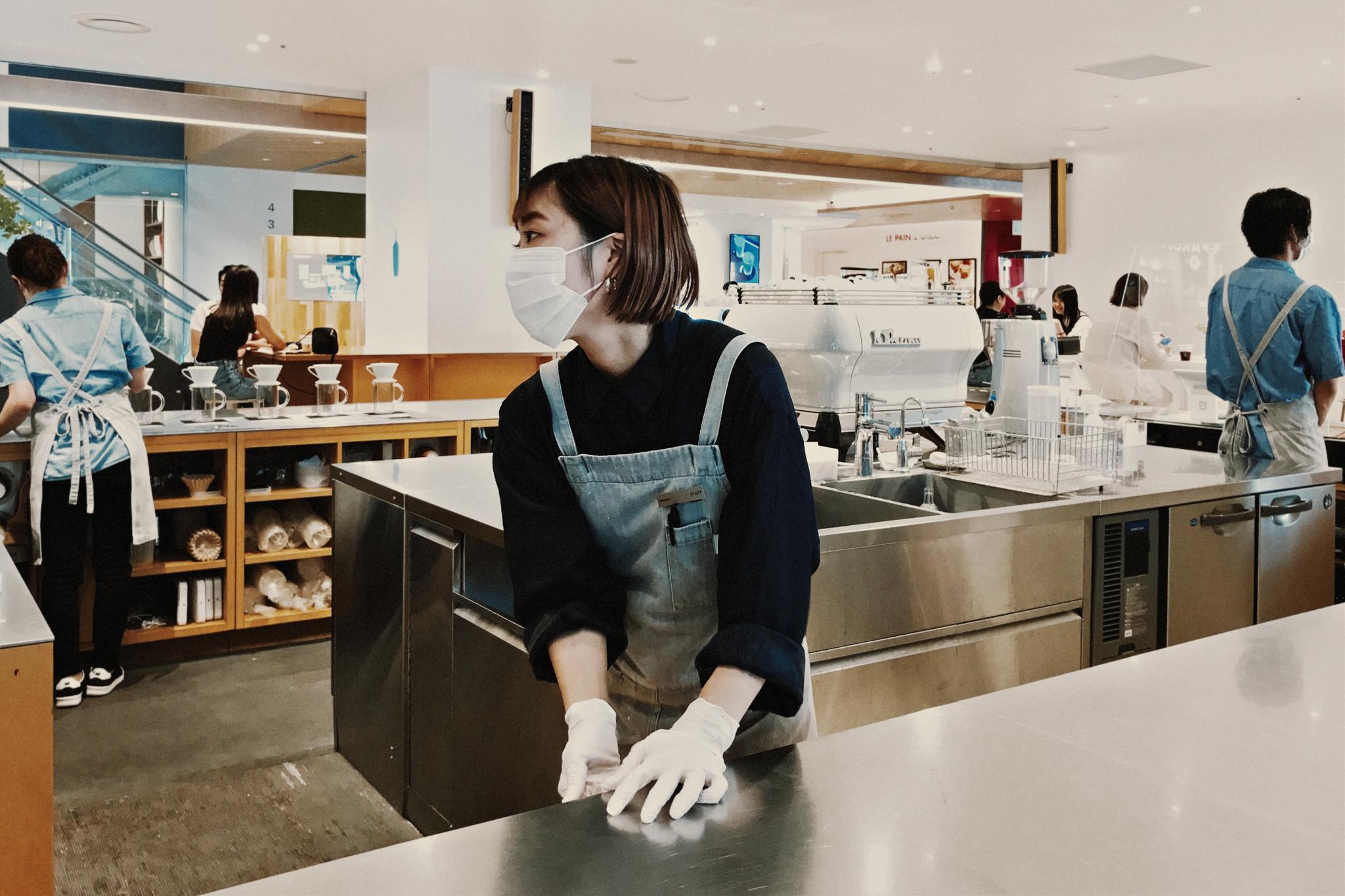
Makeshift job interviews conducted on a balcony; supermarket cashiers wrapped in acrylic curtains; patrons separated by plexiglass screens at bars and restaurants; store clerks taking temperature readings at boutique entrances; closed borders; everywhere face masks and bottles of sanitiser. The new normal. A twisted daily lottery of grim statistics. An underlying, persistent fear of infection and anxiety of an uncertain future. A world simulating bleak sci-fi scenarios.

This is where we are.

It’s easy to get swept up in the gloom, to feel stuck, isolated. We connect to the internet for news, for companionship, for shopping, for entertainment. Mark Zuckerberg and Jeff Bezos add to their already outrageous fortunes. On our digital screens we see the world is in pain, is breaking: the environment, animal species, human populations, national economies around the globe all suffering. Politics is in a dark place with the rise of fascist tendencies, the death of humanitarianism and ethical imperatives.

This is where we are.

Life feels smaller somehow, the outside world seems rendered with a muted color palette. I wonder if this is the kind of feeling experienced by people living through war. You become fatalistic. Push down the fear and anxiety. Adjust to the new ways of doing things. Lose yourself where you can: in work, in activism, in hobbies, in passion projects, in creative pursuits, in destructive pursuits, in mindless pursuits. You grit your teeth and make the best of a bad situation; keep calm and carry on, as it were.

TOKYO-PH-202006-00013

TOKYO-PH-202007-00004

Traces

TOKYO-PH-202006-00006.JPG

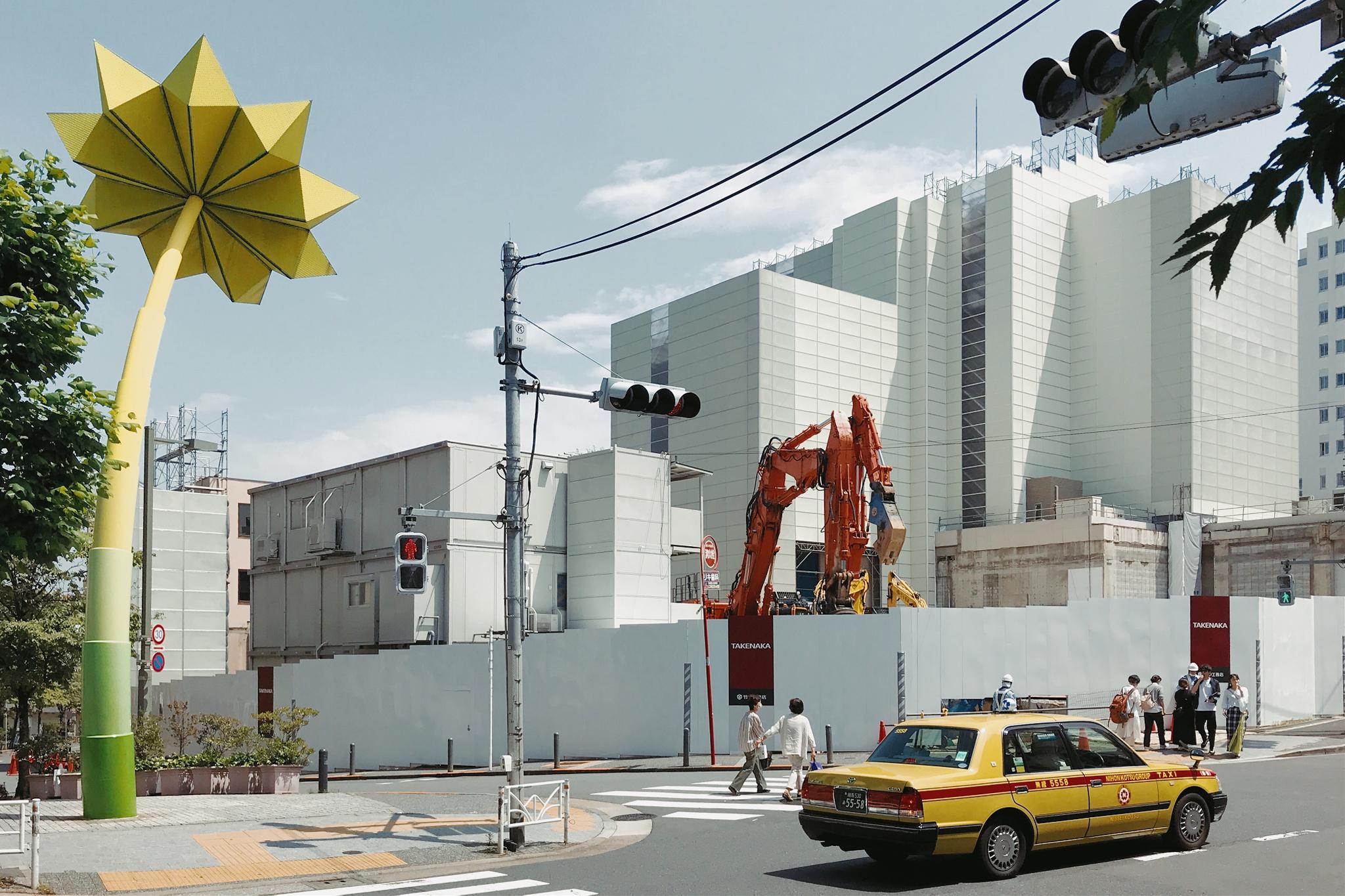
A stroll down Hachiman Dori, past Piotr Kowalski’s vibrant Sunflower sculpture and into the neighboring Tenoha Daikanyama courtyard, to relax with a coffee among leafy trees and shrubs. A good coffee shop is an elusive thing, a perfect blend of well-made coffee and atmosphere.

This corner cafe fit the bill nicely, but just like that, it’s gone — together with the courtyard, restaurant, gift shop and co-working office space that formed the Tenoha complex. The entire site has disappeared, bulldozed to the ground, like so many places in Tokyo, to make way for a newer, bigger, more profitable construction.

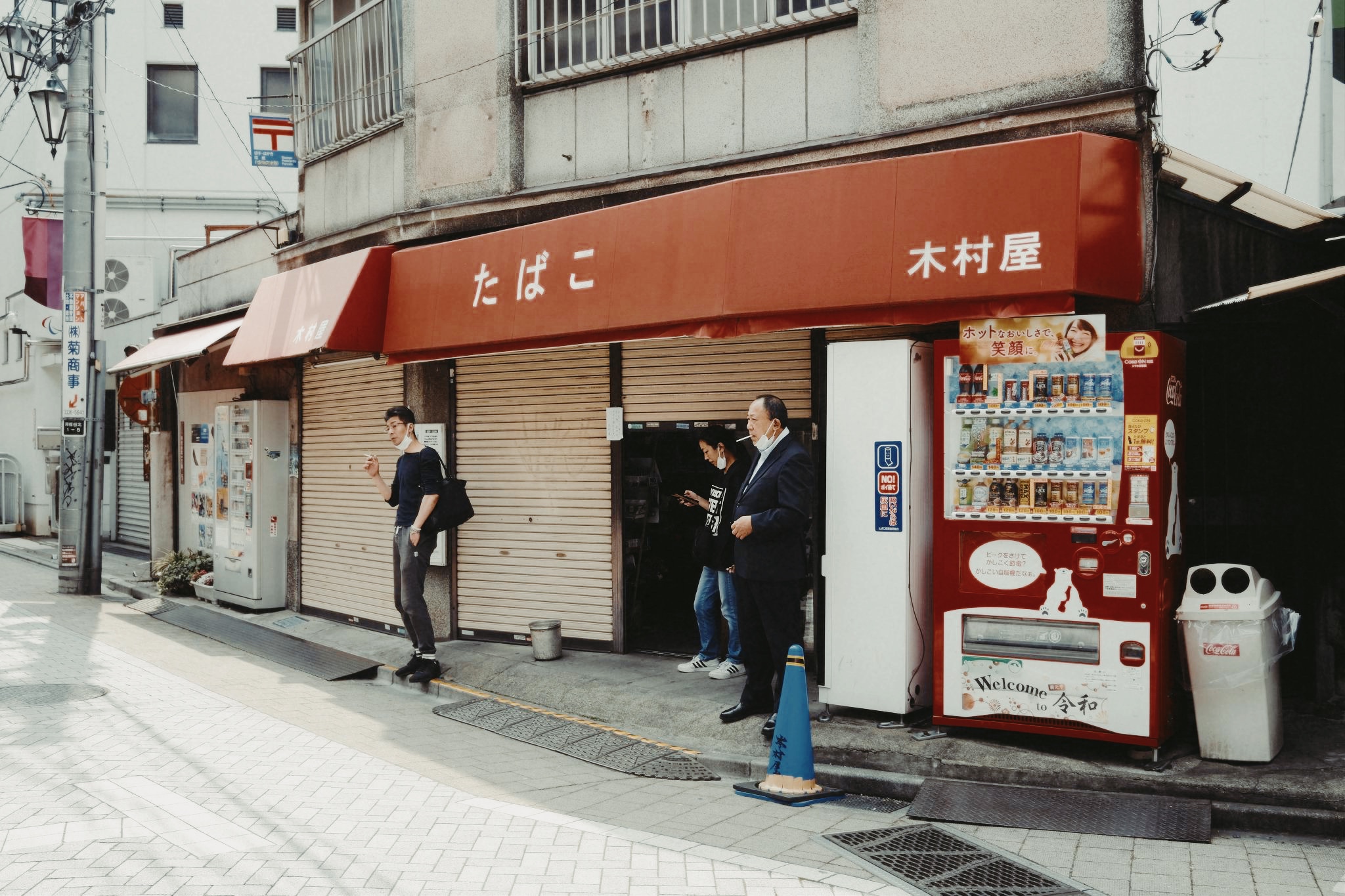
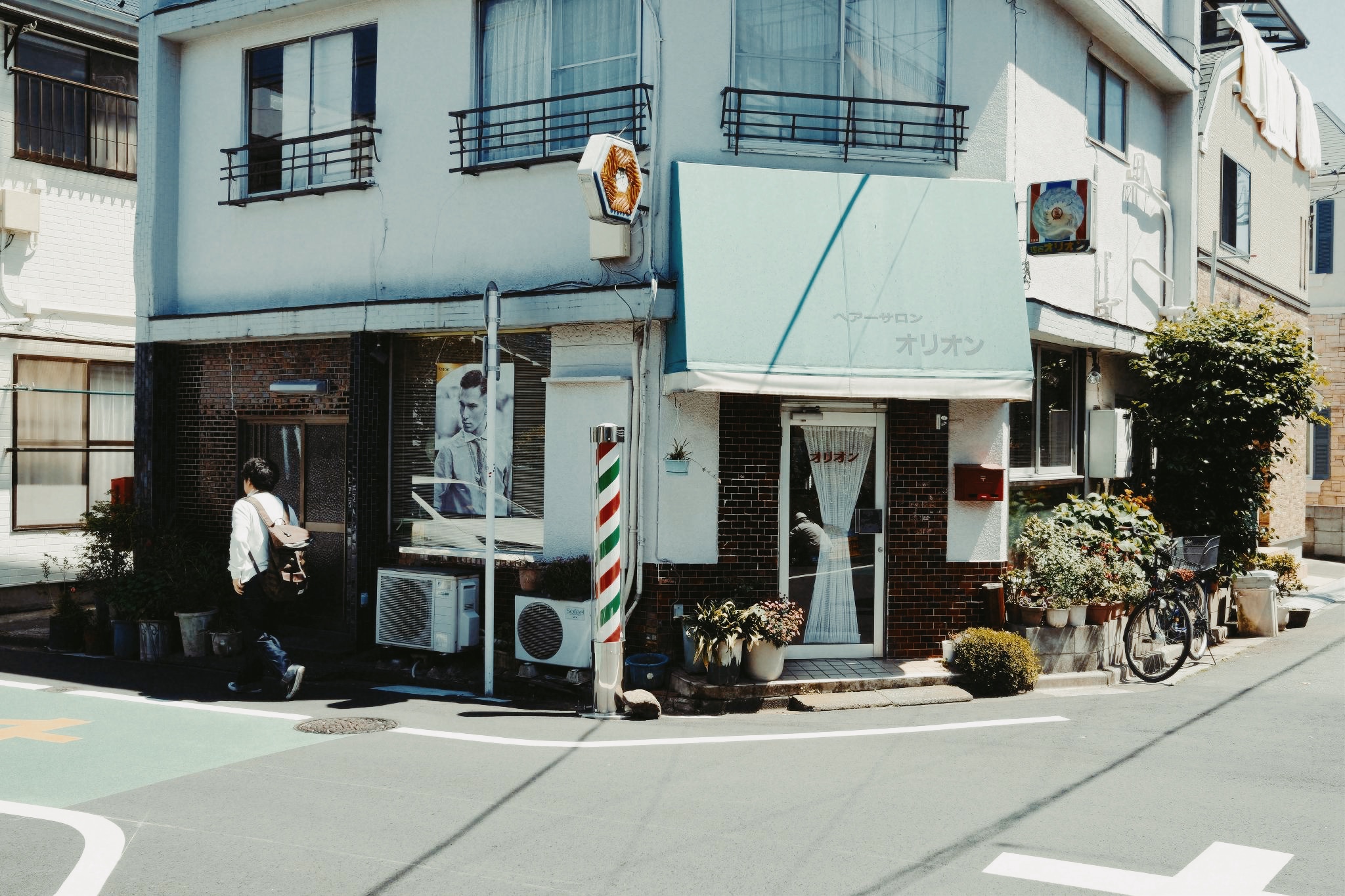
At times when I look back through my archives, look through photos taken in Tokyo over the years, I often see places that I captured, stores and restaurants I frequented, and realize they no longer exist. Of these places there are no traces left. In time even their memories have faded. In the end there are only photographs. The places below that I’ve recently documented do still exist, but I wonder for how long?

TOKYO-202005-00033-V2.JPG

TOKYO-202005-00022-V2.JPG

TOKYO-202005-00064-V2.JPG