
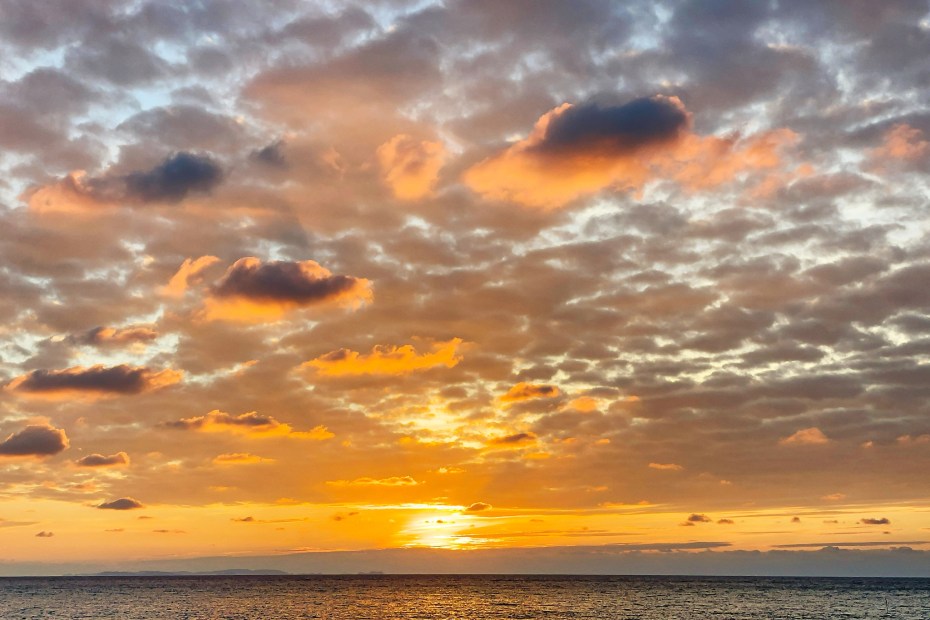
Back on Okinawa with its peerless Autumn skies.


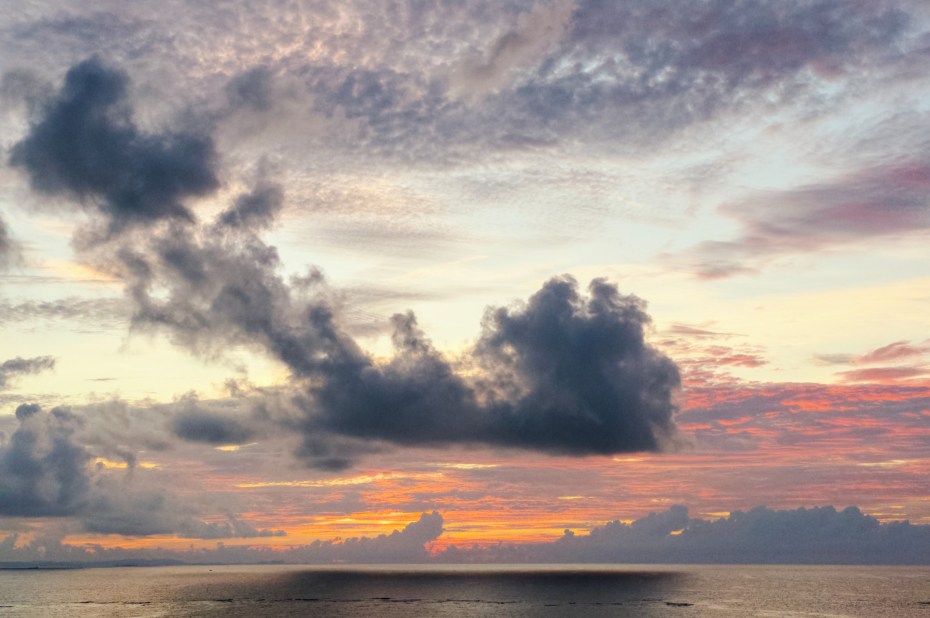


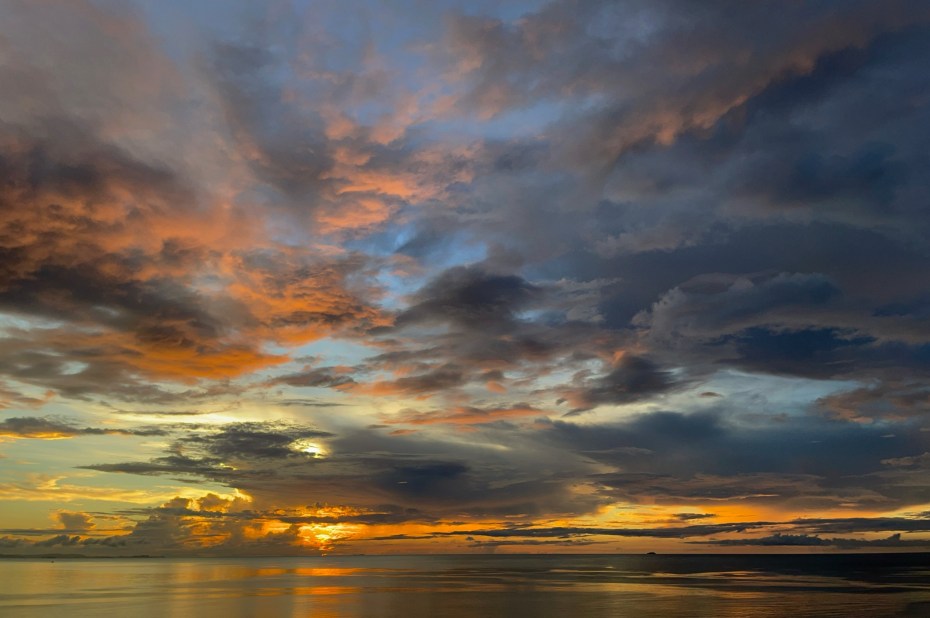
Back on Okinawa with its peerless Autumn skies.




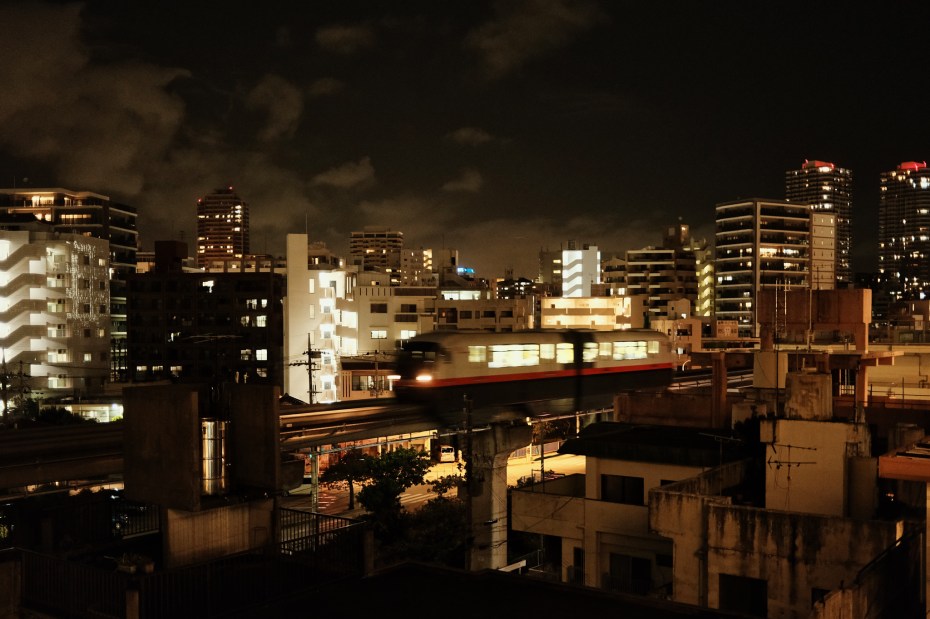
Travel. Not too long ago it was a pedestrian experience; these last years it’s become impossible for many, less than pleasant and wrapped in the paperwork of pandemic-fueled bureaucracy for those who can. And still, even now, with travel can come moments of delight. For me, one of the small pleasures of arriving in a new destination has always been the anticipation of what lies behind the door of a new hotel room: the space and light; the furnishings and decor; the bathroom facilities. And then going to the window, perhaps looking over the balcony: sometimes delighted; at other times disappointed, but always gifted a new and different view.
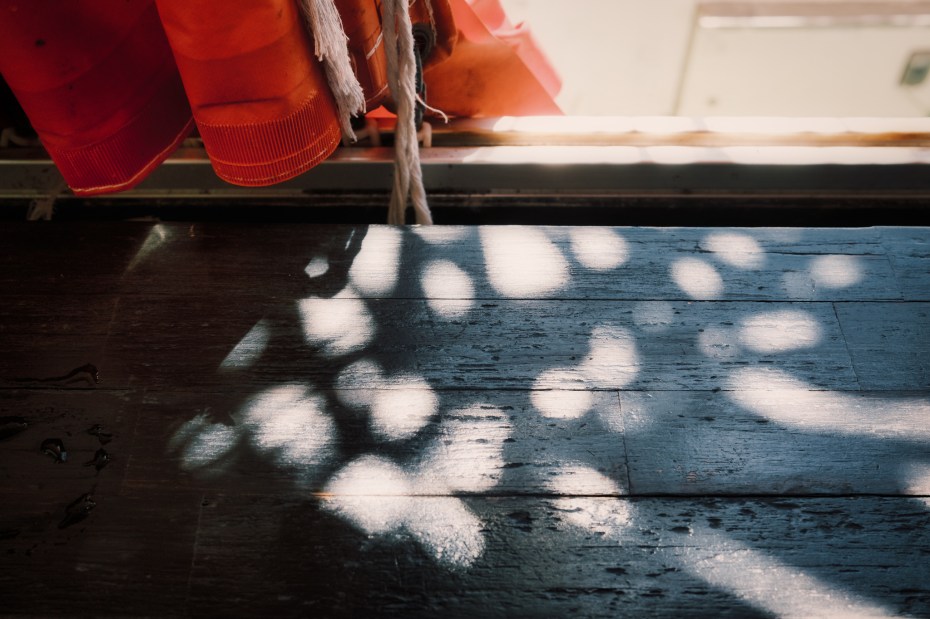
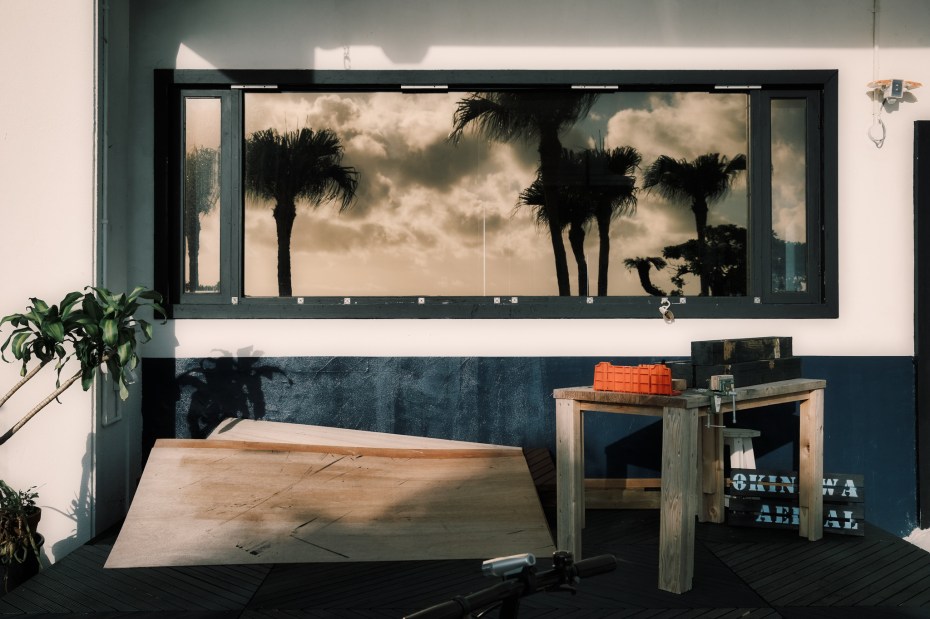
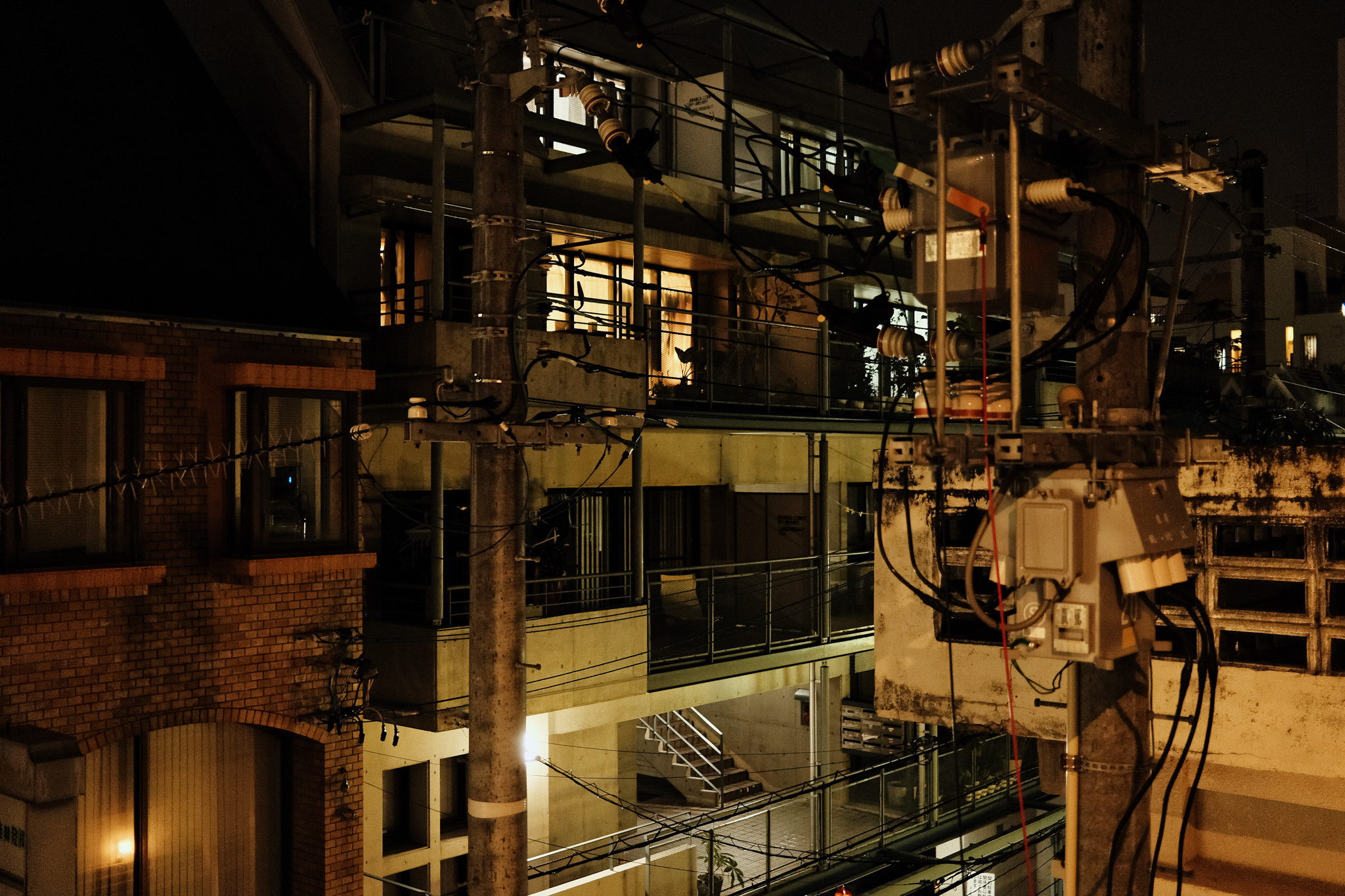
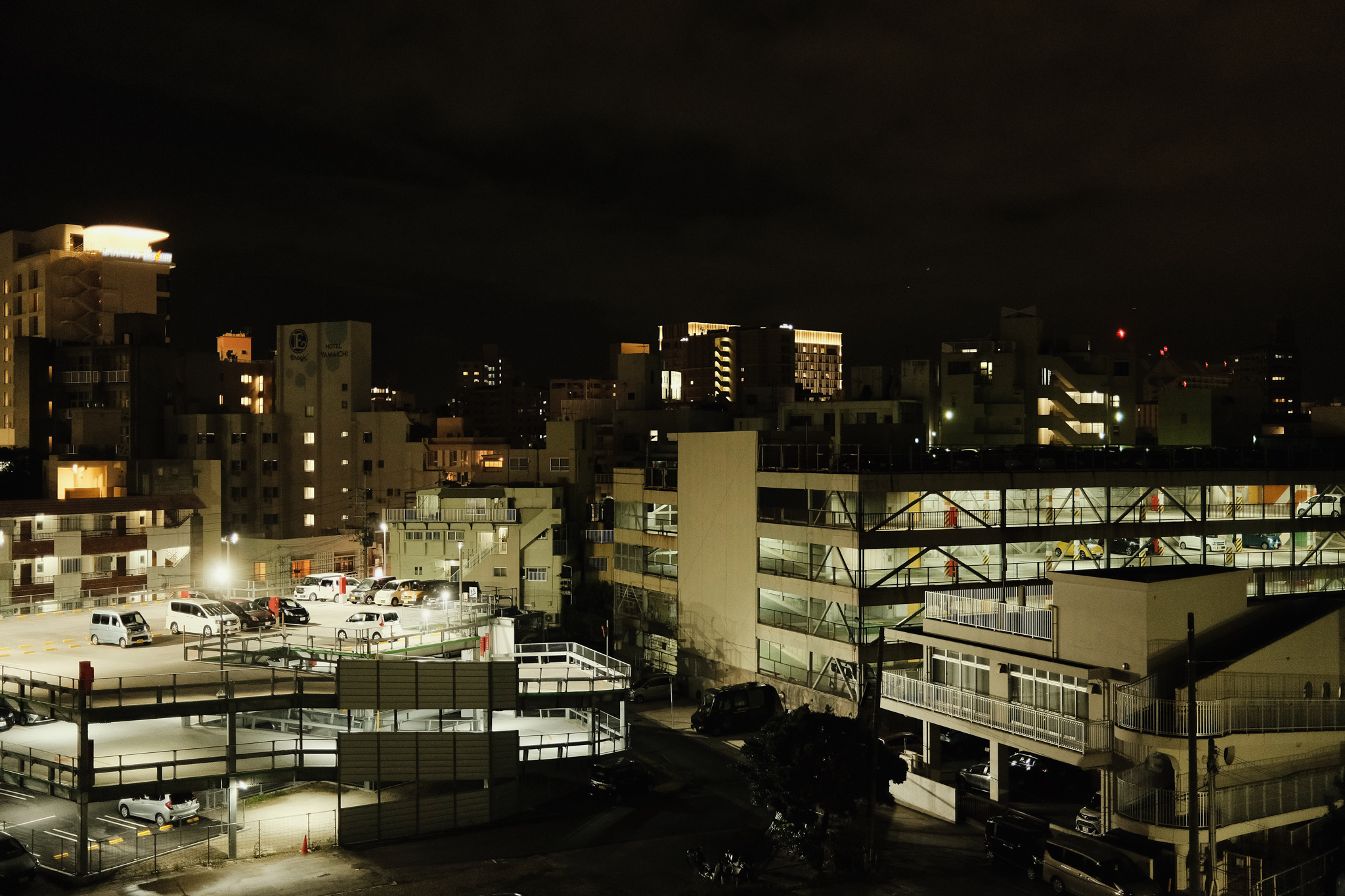
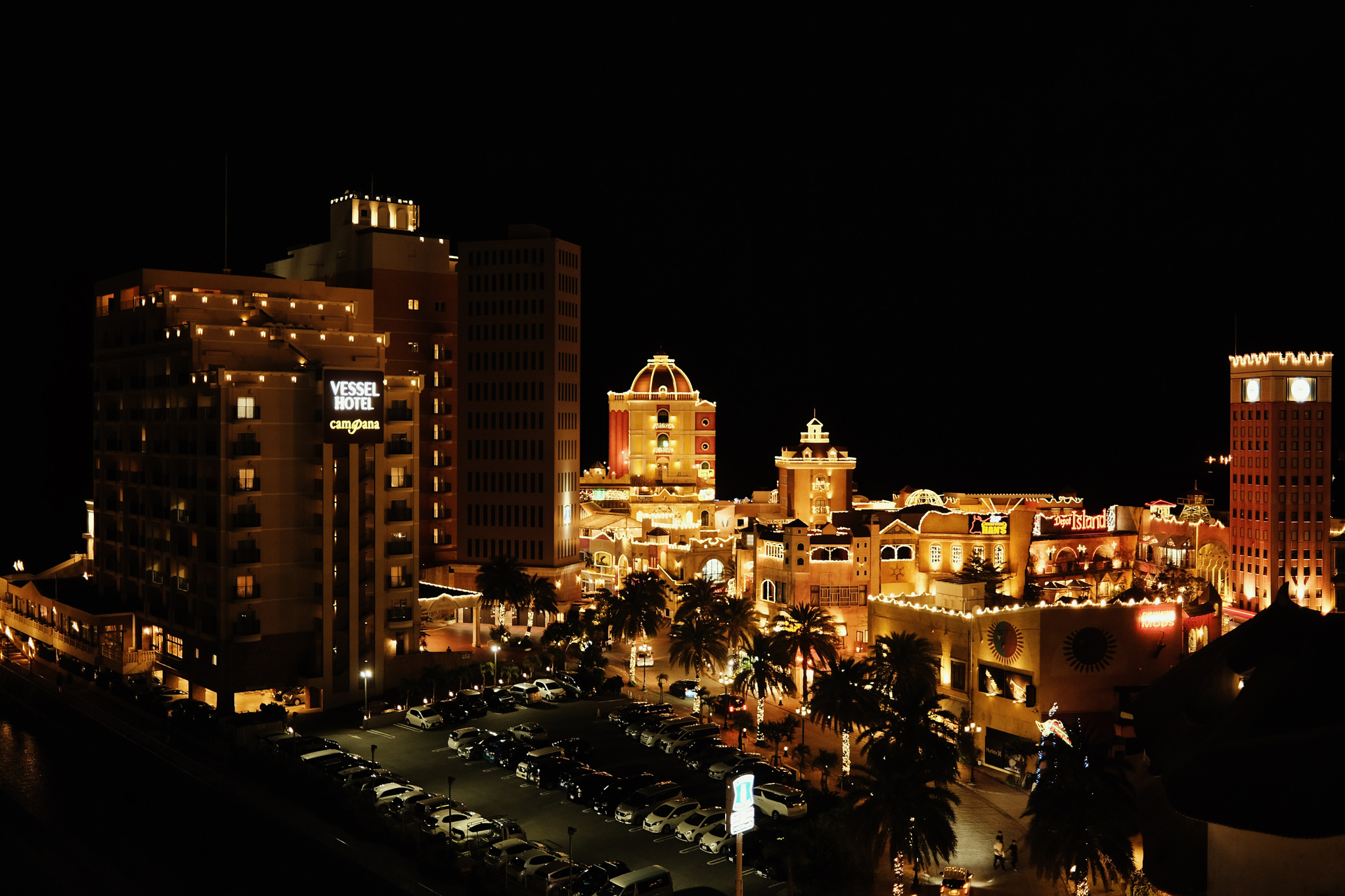
The camera through history has often looked through windows, peering into rooms and also looking out. Recently I’ve been able to do a little bit of traveling, stay in a few hotel rooms, and with my camera look out their windows.
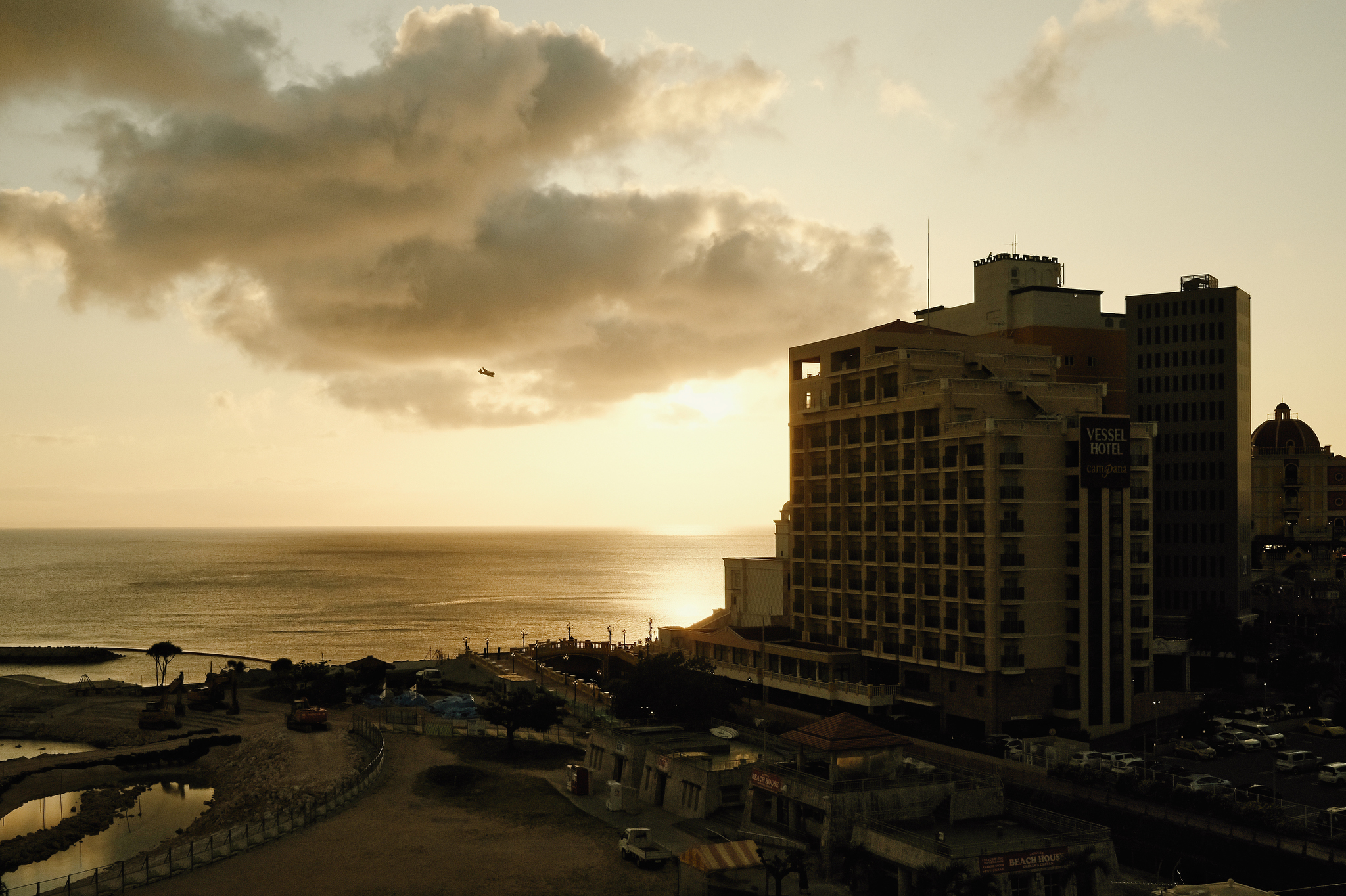
Since Japan was defeated in the Second World War the US military have maintained a presence in the country. Nowhere is this more evident than Okinawa, a prefecture that comprises less than one per cent of Japan’s land mass yet houses around seventy per cent of America’s Japanese military facilities.
It seems somewhat ironic then that this year — today, in fact — Okinawa celebrates the fiftieth anniverary of regaining its sovereignty, control of its lands transferred back to Japan in the Okinawa Reversion Agreement of 1971 — the transfer occurring on May 15, 1972. Something, it should be noted, that was achieved twenty years after the rest of the country. During that period Okinawa was practically a foreign nation: not only was the place governed by the Americans, the US dollar remained the prefecture’s official currency and locals needed a special travel permit to visit other parts of Japan.
Unsurprisingly, Okinawa has a complicated historical relationship with both the US military and Japan’s central government. The prefectural government, which feels both misunderstood and taken for granted, has a fractious relationship with both. While there’s an understanding of the strategic security benefits of the island bases and the population generally feel no antipathy to their American neighbors, who have over the decades had some impact on the islands’ culture, there are mixed feelings and resentments towards their bases given concerns about environmental damage, accidents, nuclear, chemical and biological weapons, aircraft noise, crowding and crime. As for Japan, which annexed the independent Kingdom in 1879, Okinawans march to the beat of their own drum, a recent survey of residents showing that some seventy percent of people identified as Okinawan more than Japanese — something unthinkable in other parts of a country that has a unwavering sense of national identity.
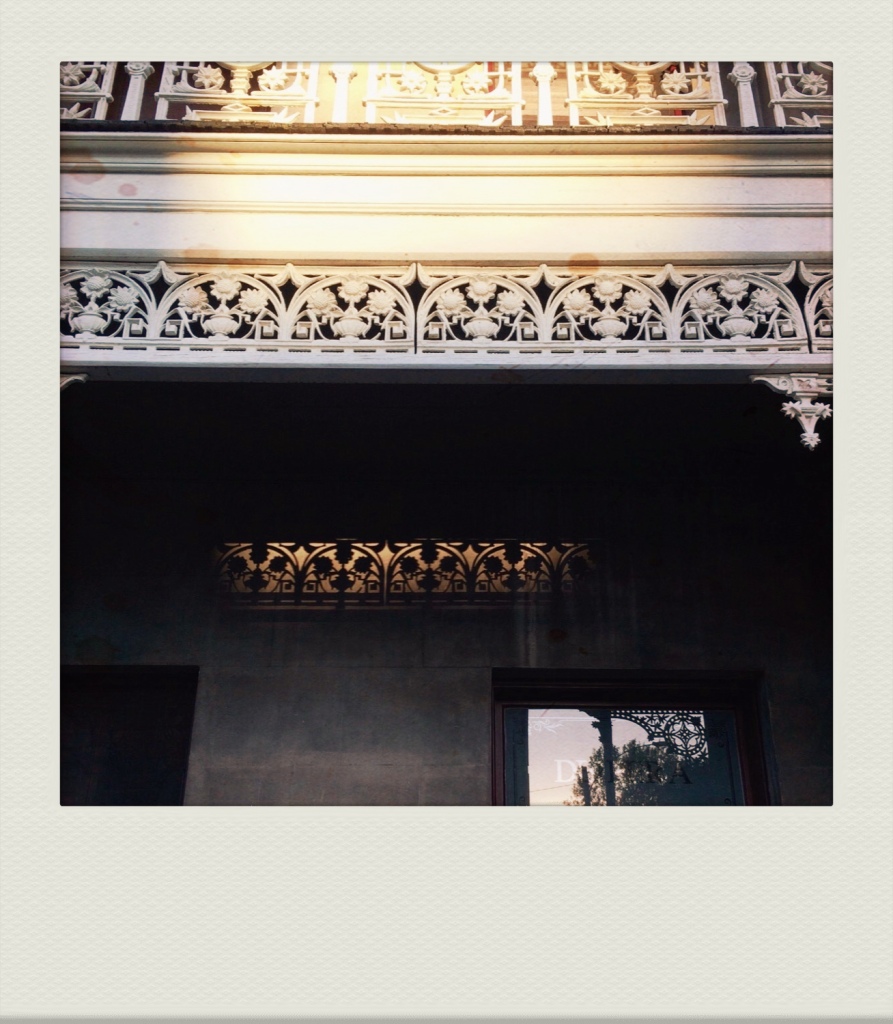
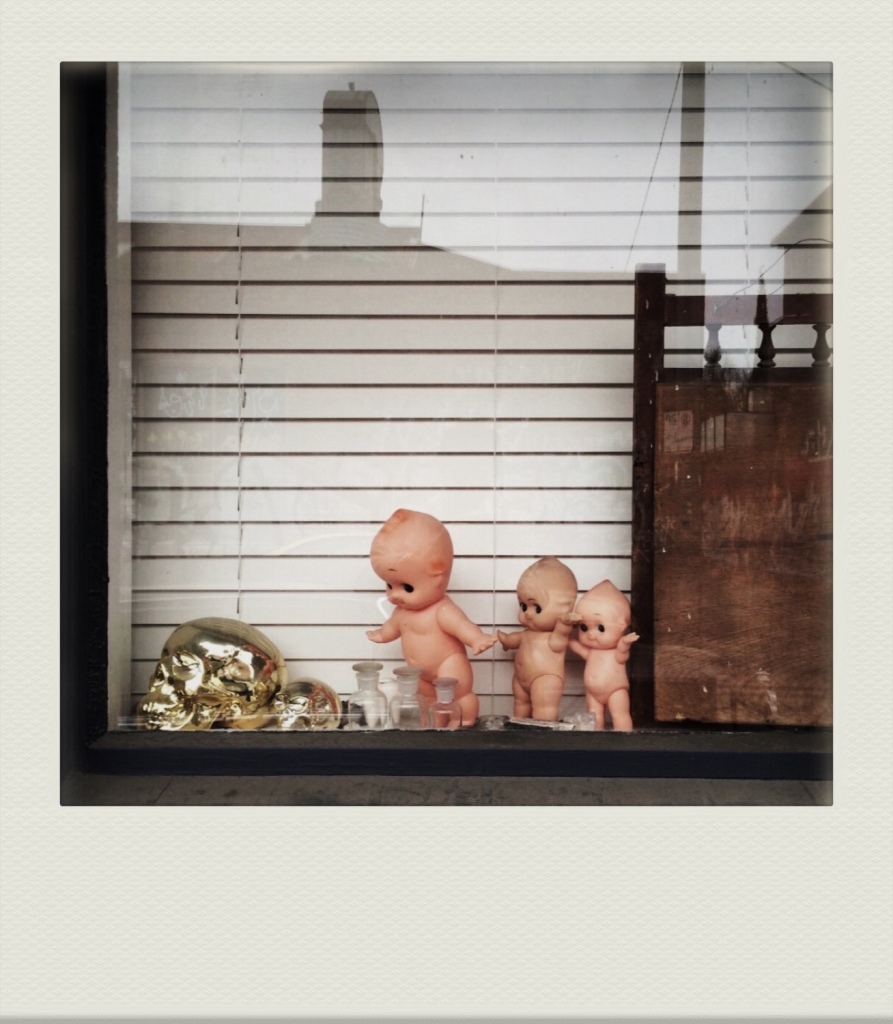
Home. Melbourne, Sydney, Tokyo, Osaka, Okinawa, for a few brief moments the Greek island of my ancestors, all have been and are in some sense home. Most recently, my base has been Melbourne, my original home, the city often rated the world’s most liveable. At certain times of the year it more than lives up to its reputation. When the weather is fine, the city’s glorious outdoor spaces, a kaleidoscope of greens, are pockets of paradise, and eateries across town, both big and small, serve up meals and drinks whose serious quality is tempered with a typically casual professionalism. The city’s streets provide a feast of visual stimuli. In Melbourne these last months I’ve been busy, but have found time to savor both the outdoor oases and the eateries. I’ve also managed to enjoy Melbourne’s streets and to make a series of photos of the city that has become the latest addition to my Wallpaper gallery.
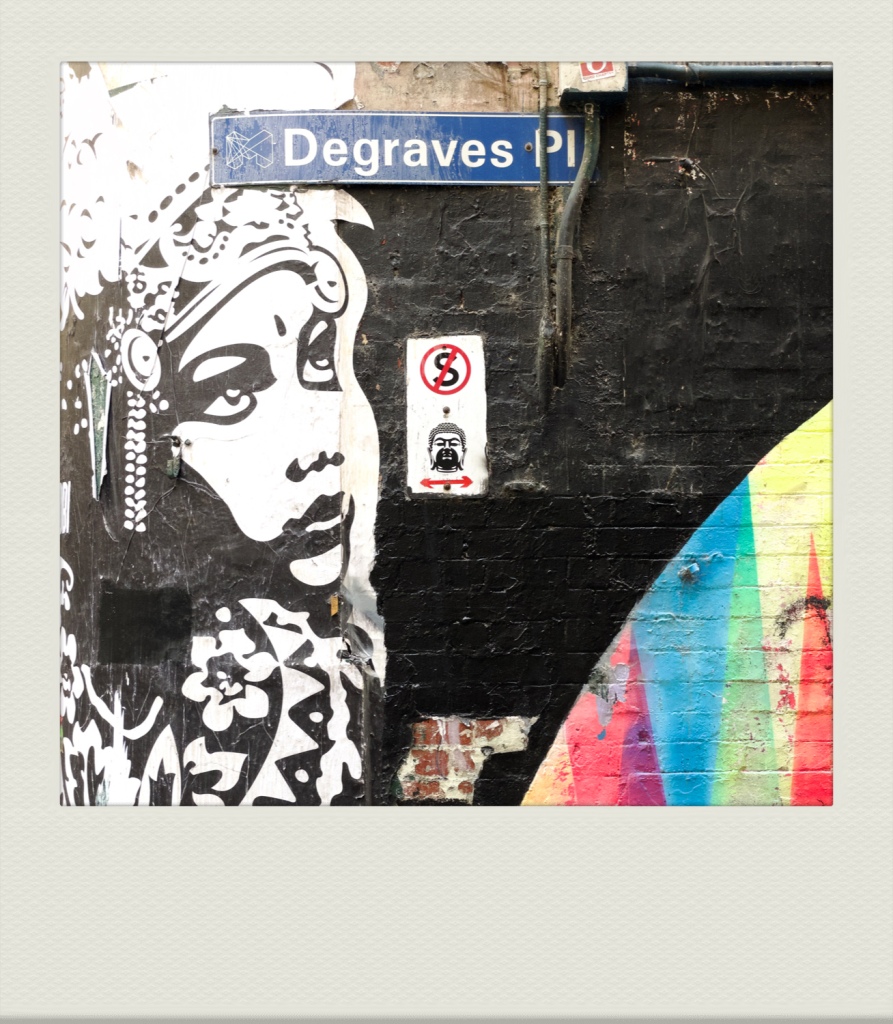
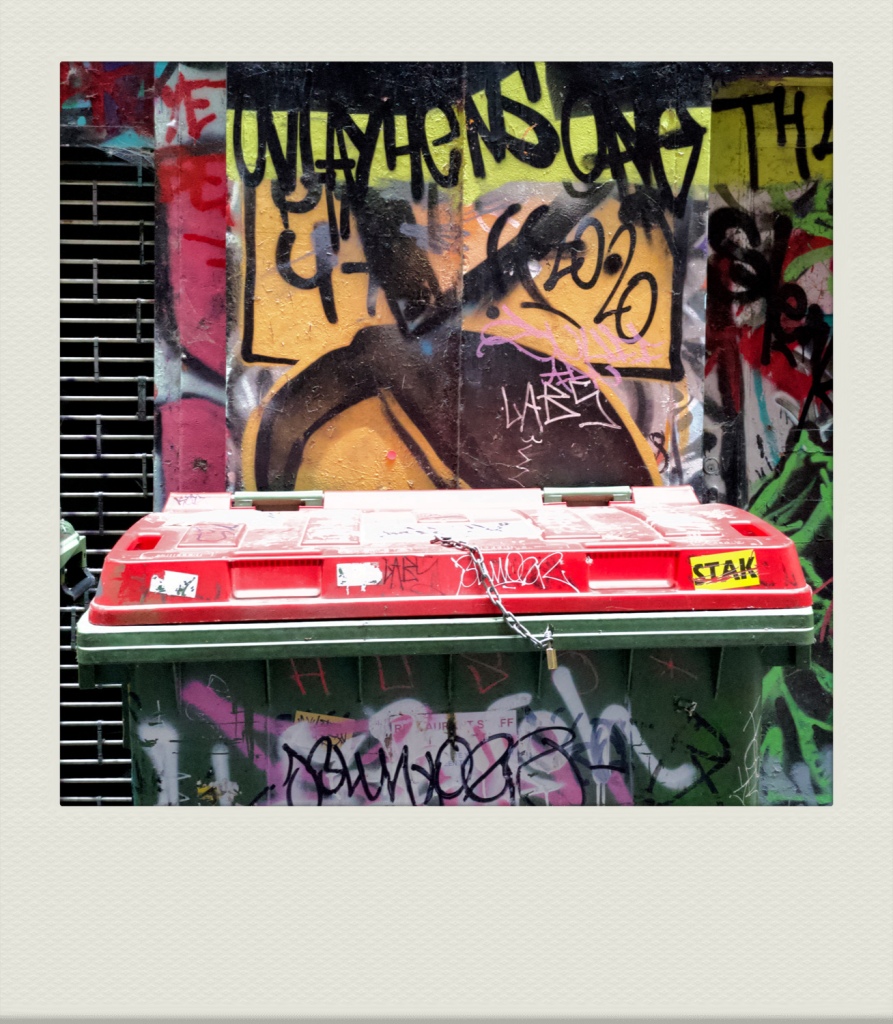
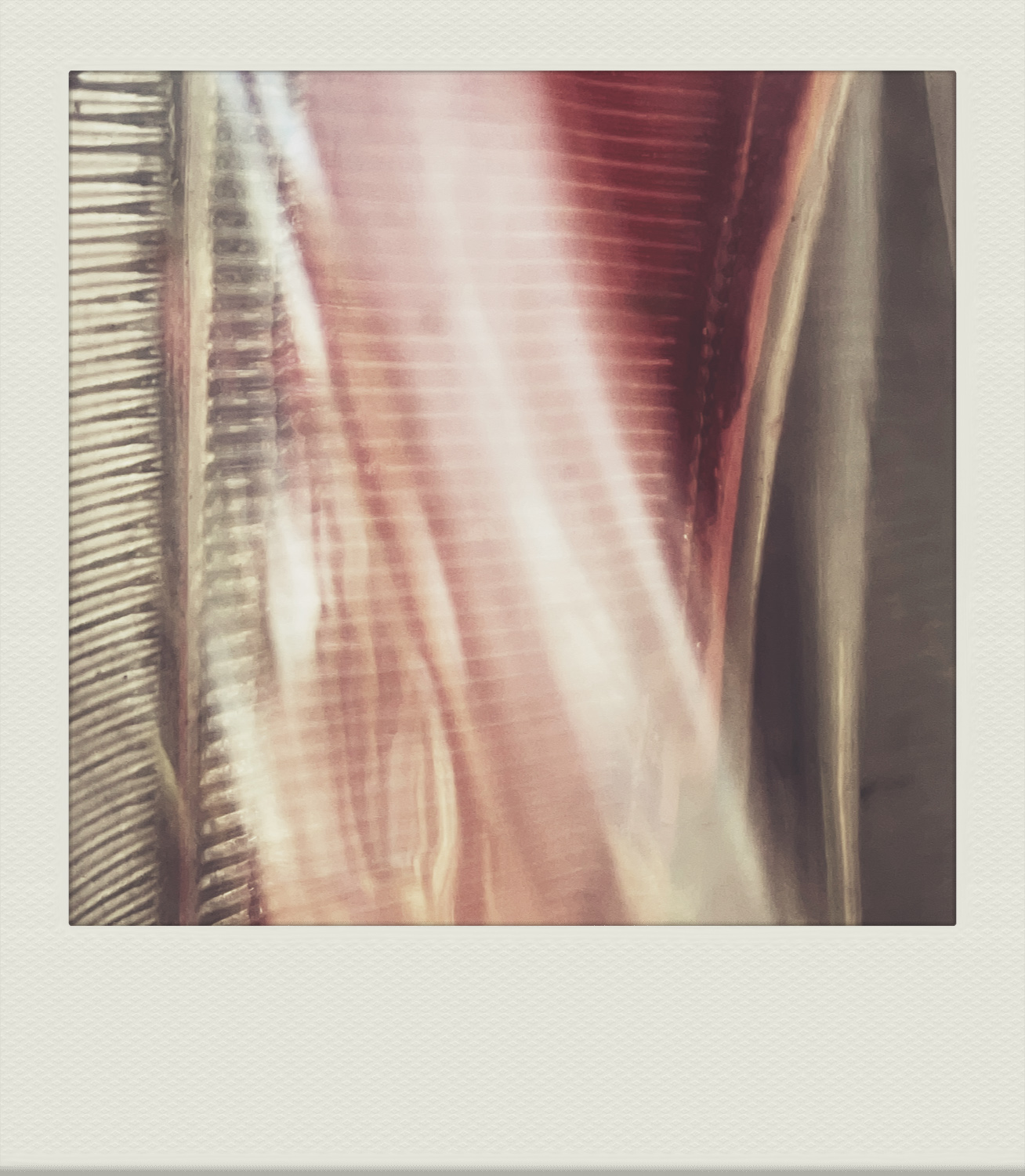
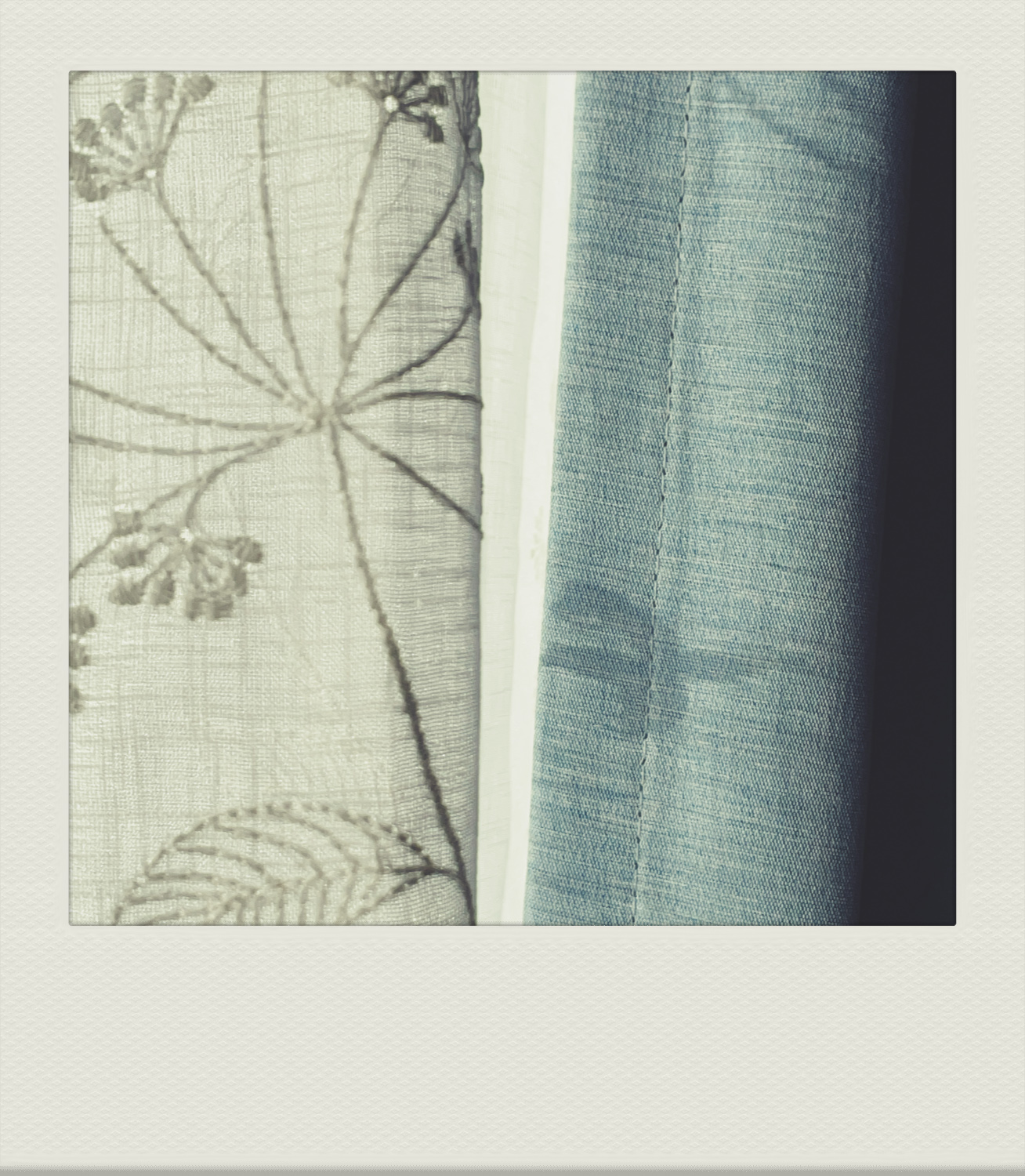

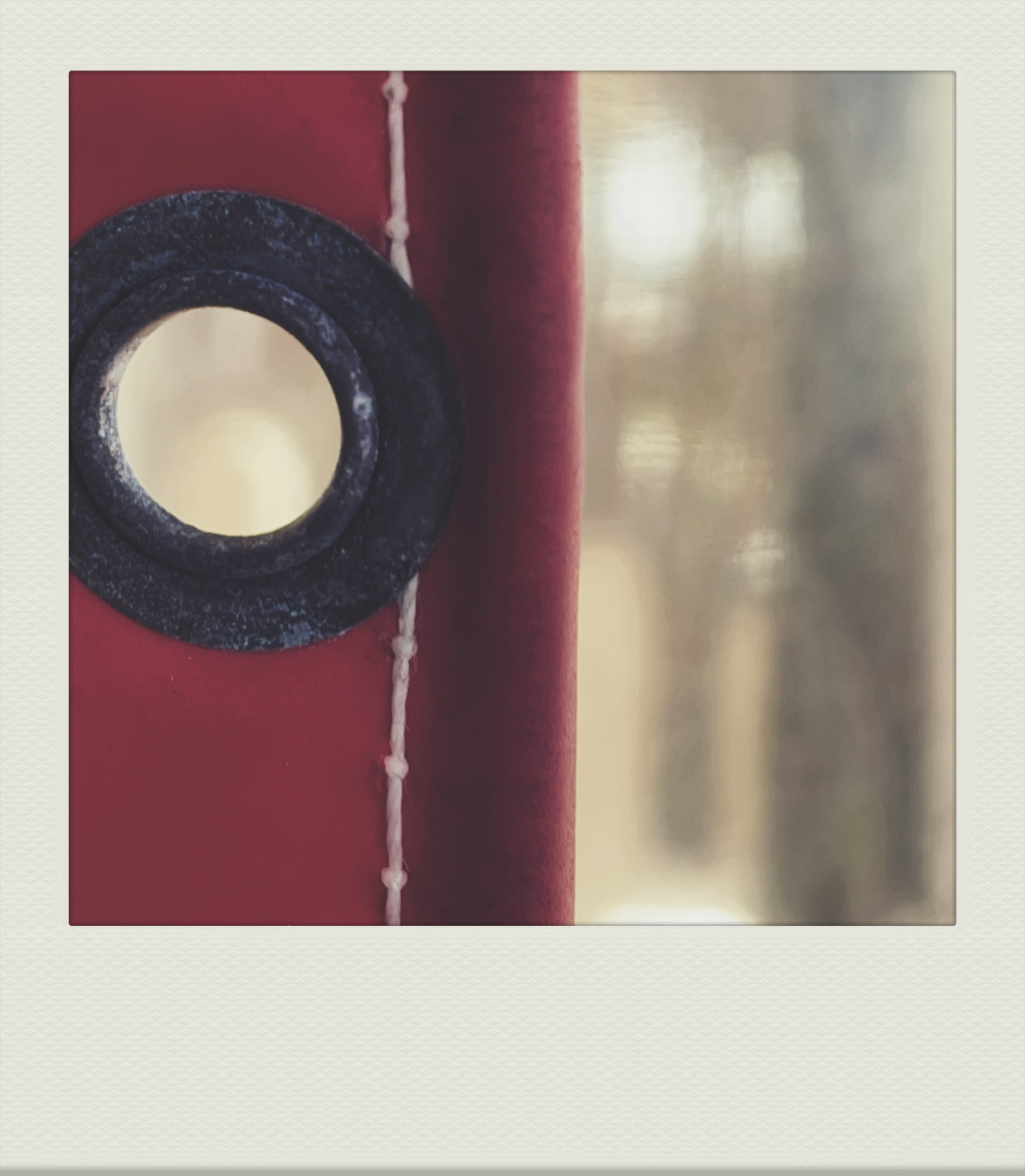
Photography is by its nature a medium of record, framing and preserving fragments of the world around us: from personal milestones and historically significant events to this morning’s coffee and our latest sneakers.
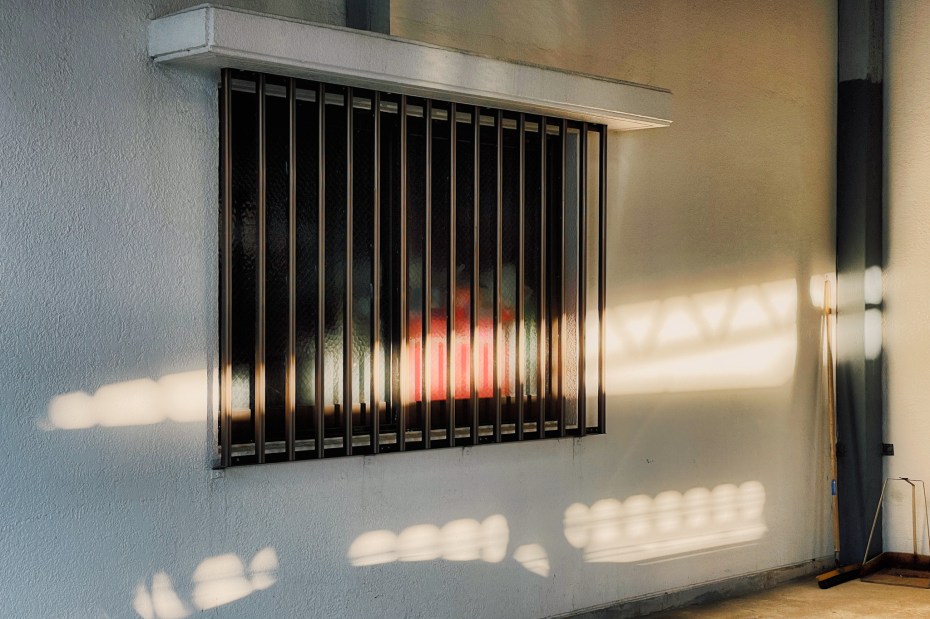
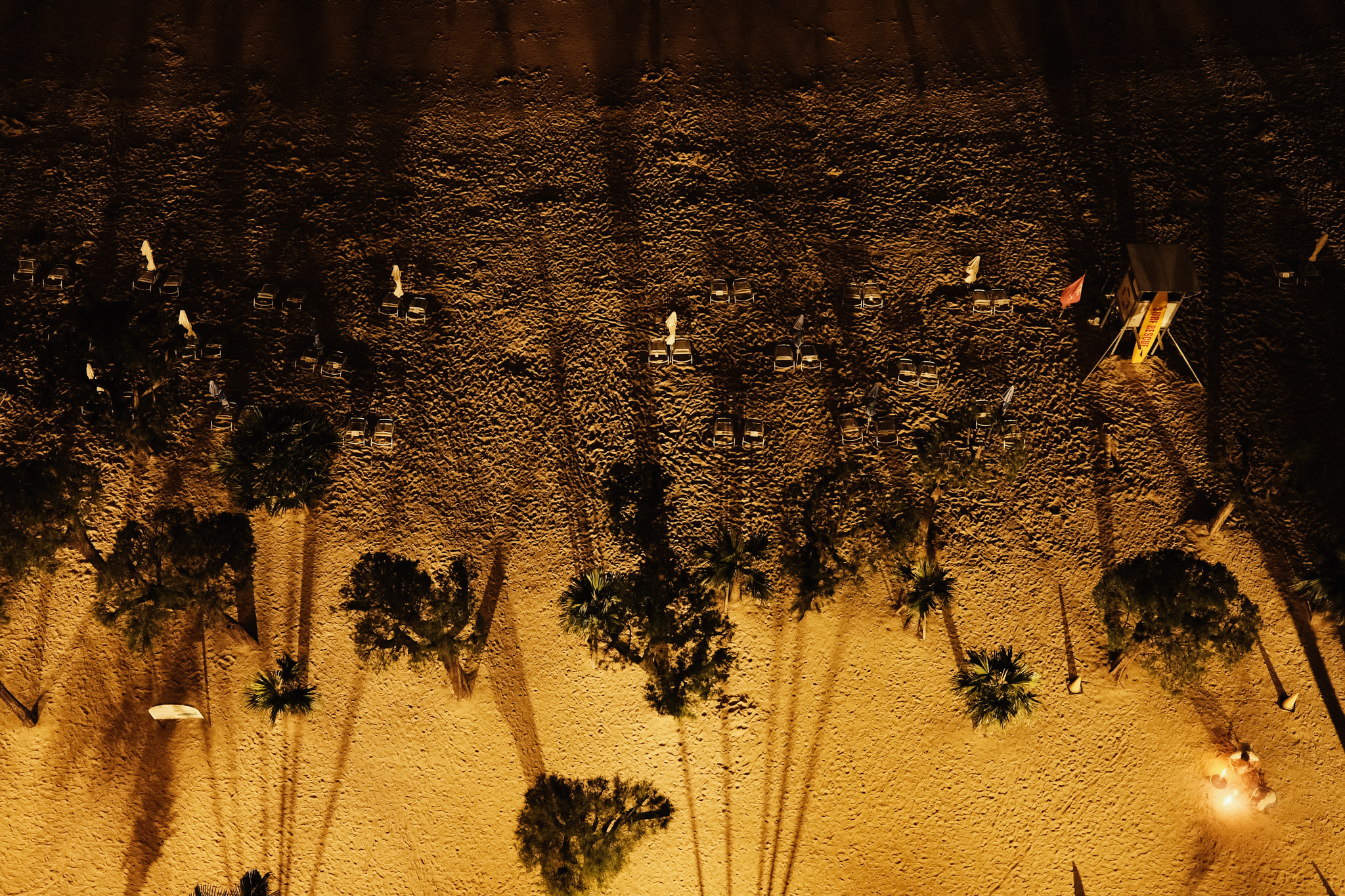
Photography is also literally writing with light and there are photographers that are concerned more with the mood and expressiveness of their images than with any documentary aspects. Many of the lyrical images of photographic artists such as Rinko Kawauchi, Narelle Autio and Laura El-Tantawy verge on the abstract: luminous poems more than lucid documents. Sometimes it really is simply about capturing the beauty and intensity of the light.
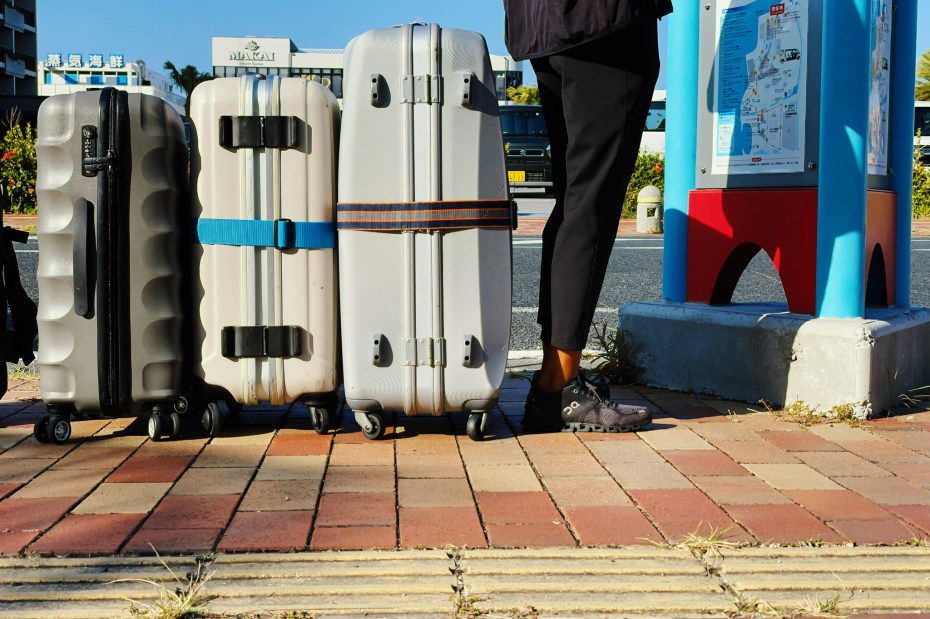
8:57am Chatan Okinawa
Waiting for the shuttle bus to Naha Airport.
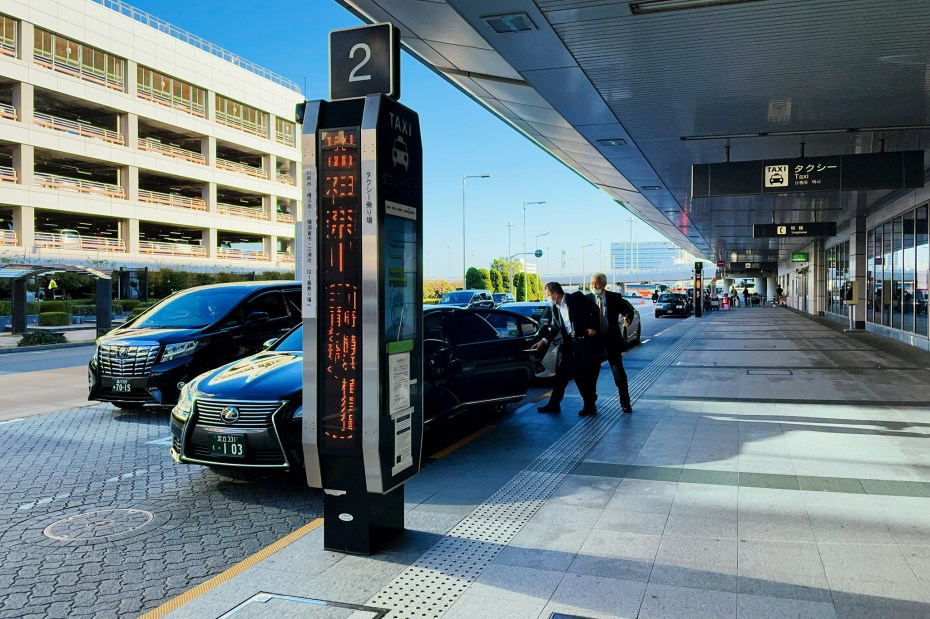
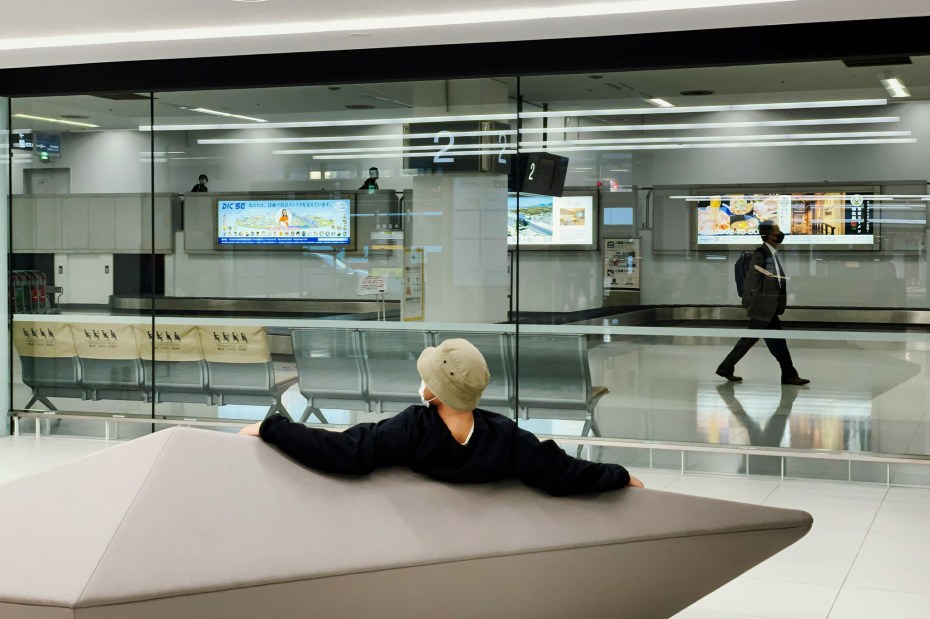
2:44pm Haneda Airport Tokyo
Arrived in Tokyo and caught another shuttle bus to Narita Airport.
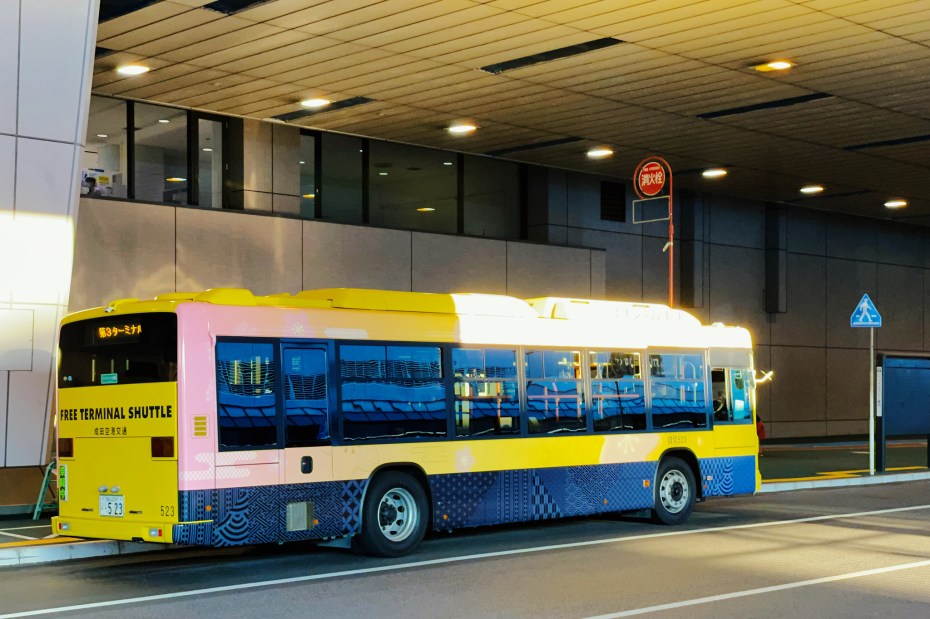
4:04pm Narita Airport Chiba
Waiting for yet another shuttle to take us to our airport hotel.
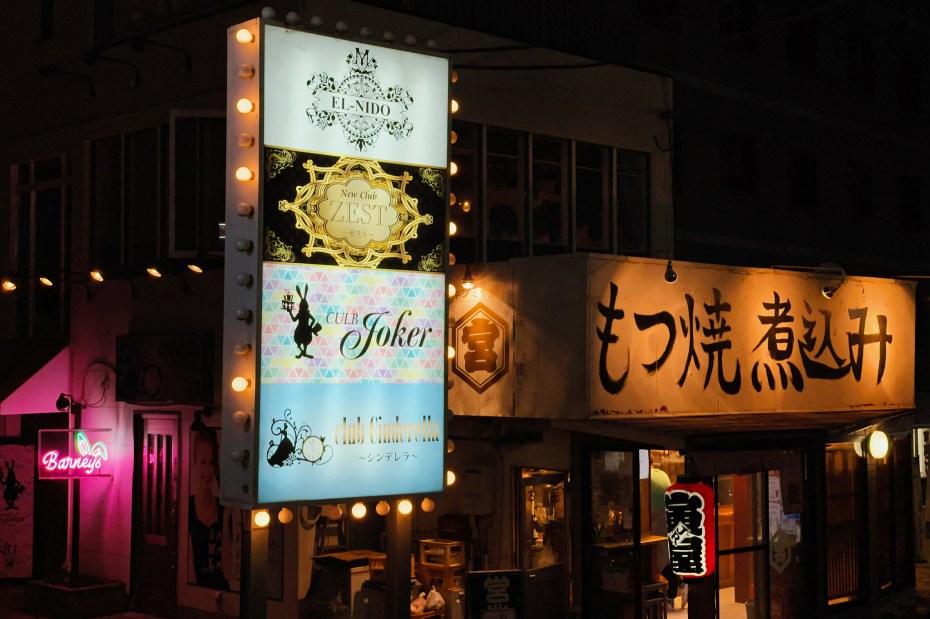
5:46pm Narita City Chiba
After checking in at the hotel, headed to Narita station for some dinner.
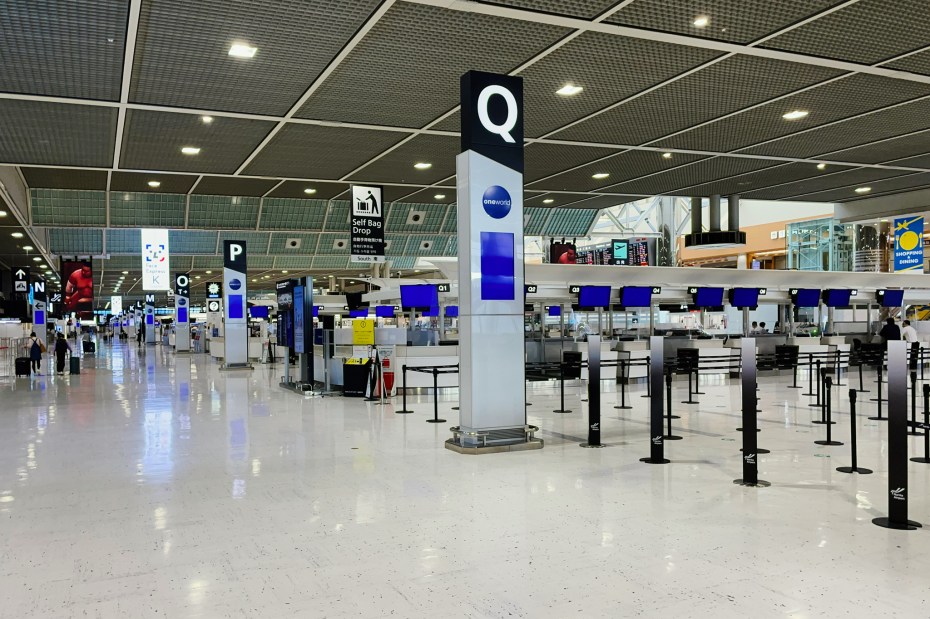
8:45am Narita Airport Chiba
Back at an all but deserted terminal to check-in for our international flight.
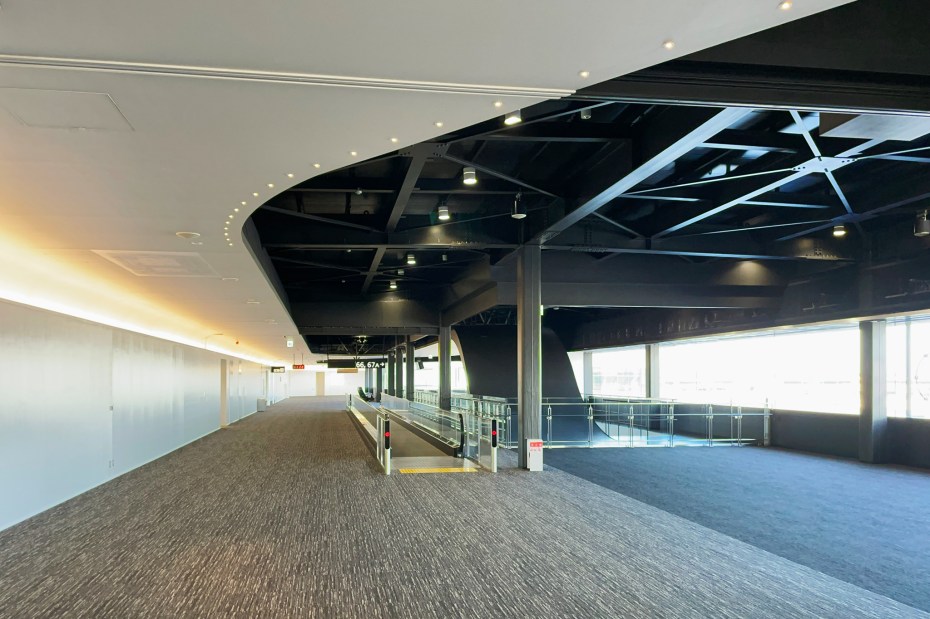
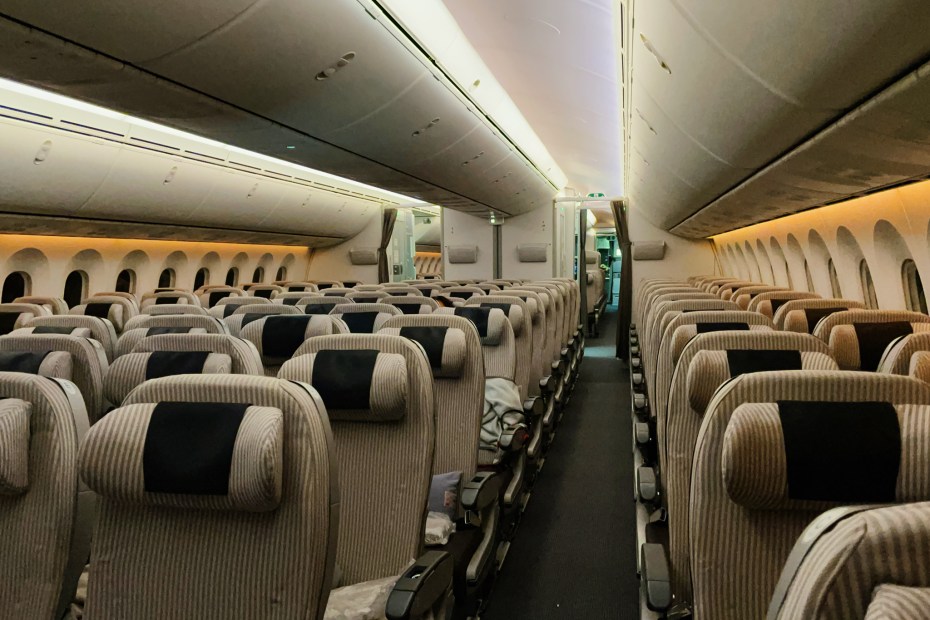
11:22am Narita Airport Chiba
A handful of passengers get ready to board the plane. In all there are seven passengers and seven flight crew.
The bureaucracy and preparation for a trip during these times of reinforced international borders is far from a pleasant experience. Travel in times like this is best avoided. Sometimes, it can’t be. And here we are.
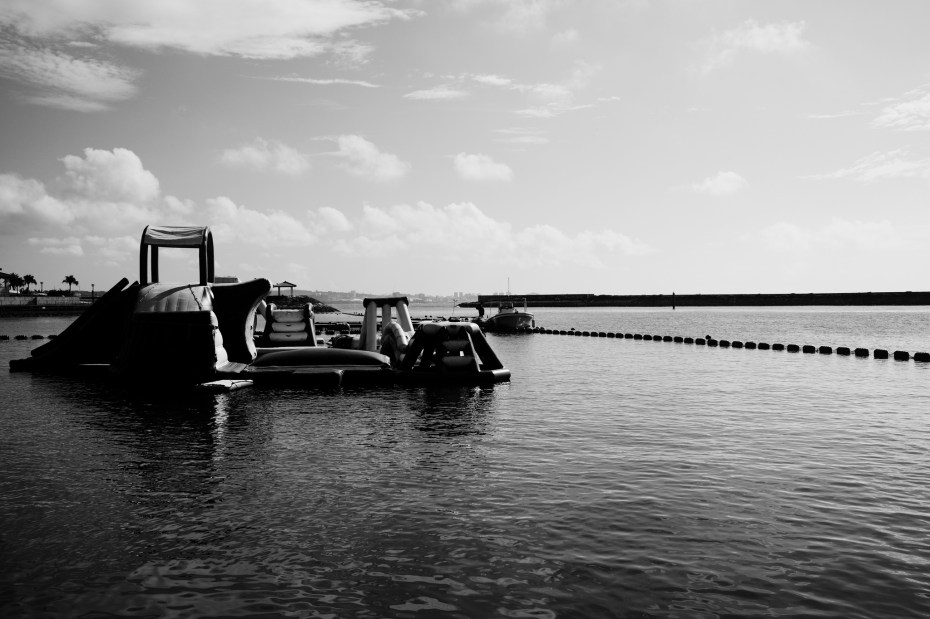
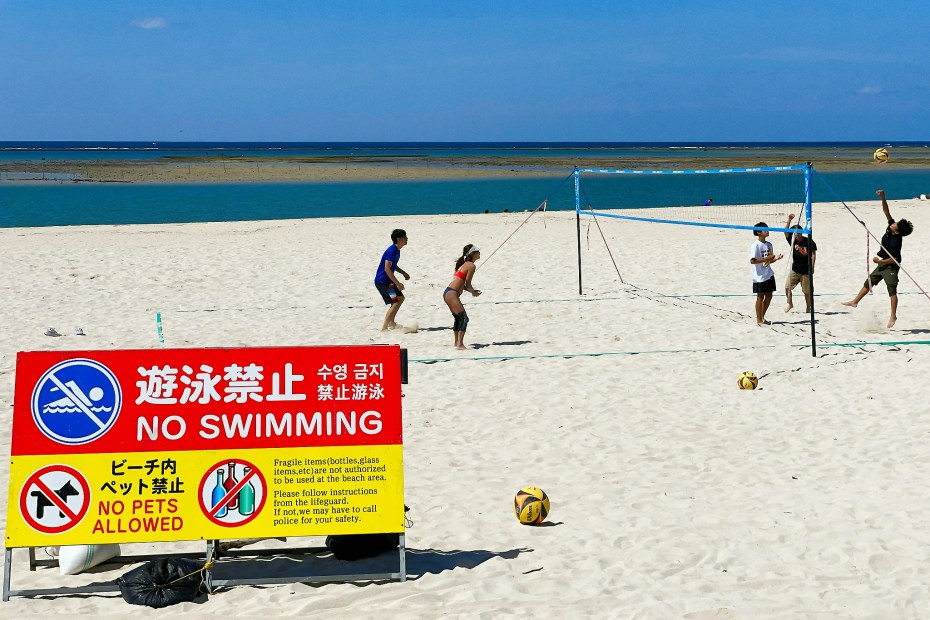
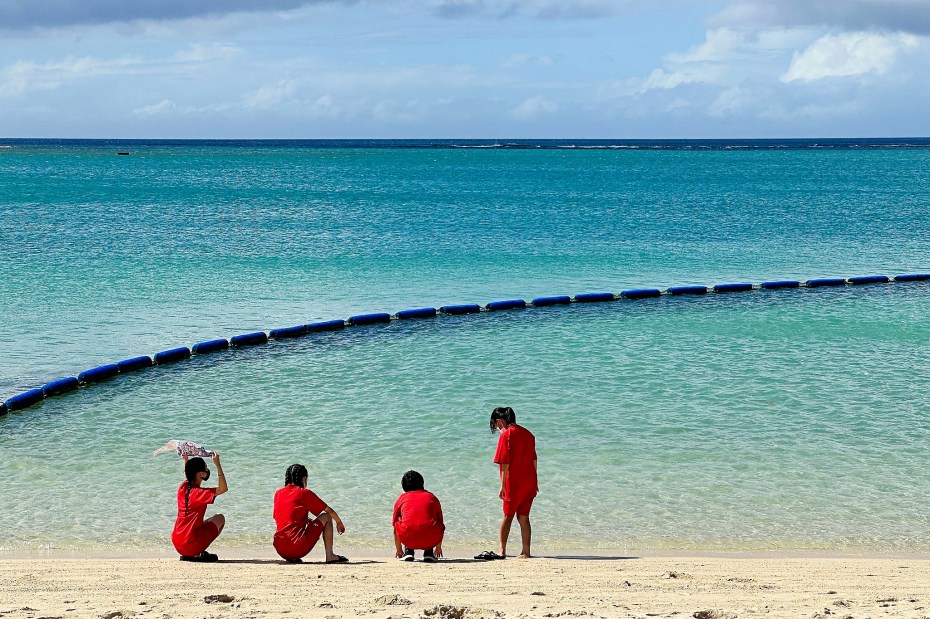
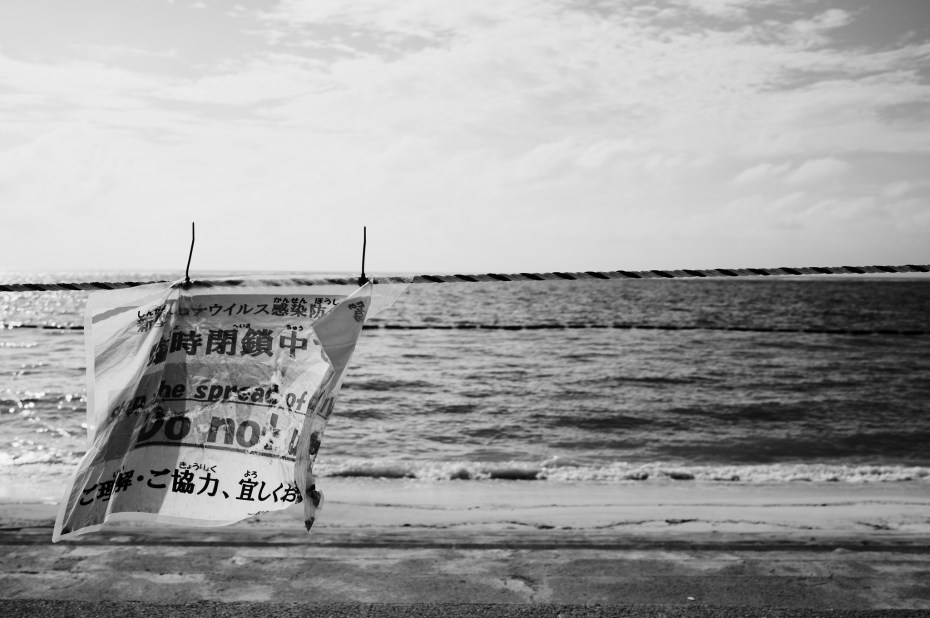
The beach and the sights and sounds of summer. Swimwear: vibrant daubs of color on the sun-bleached sands. Umbrellas and beach tents scattered throughout. In the water, gorgeous inflatables: rings and tubes, seats and animals. Splashes and squeals of joy. Bursts of laughter and animated voices. Music drifting from a beachside bar and the muffled roar of jet skis offshore. Not this beach. Not this summer. Not this officially decreed state of emergency.
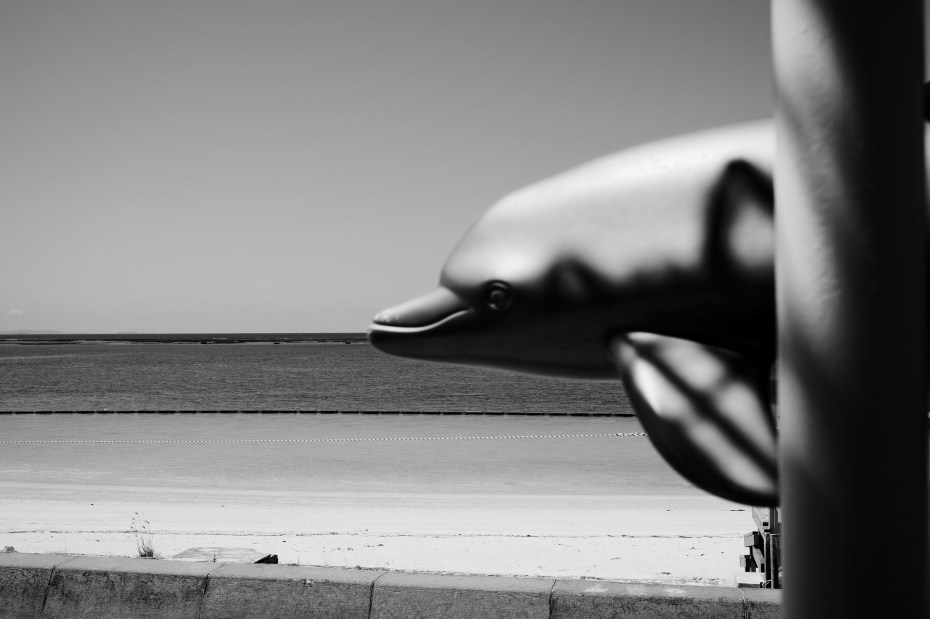
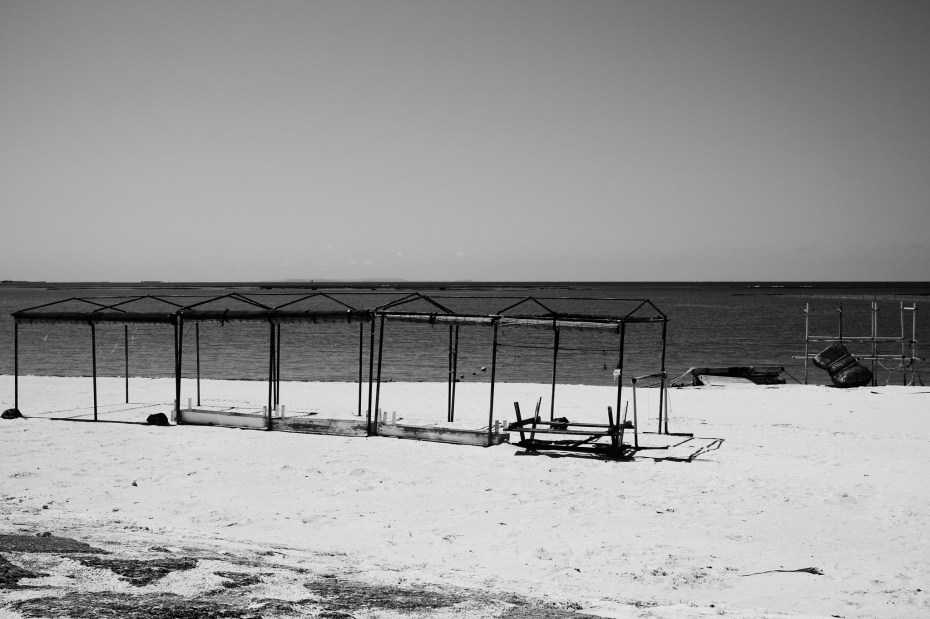
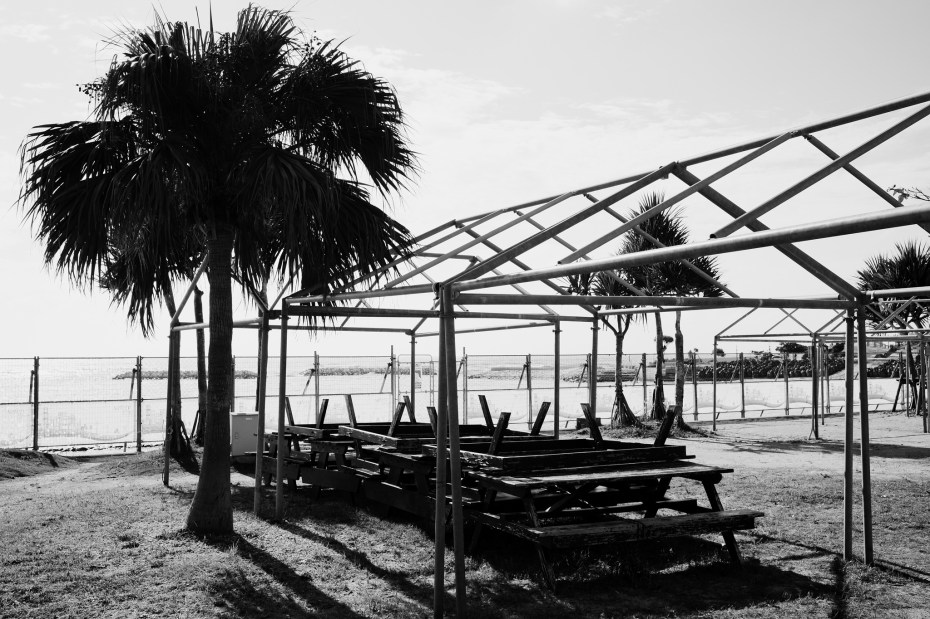
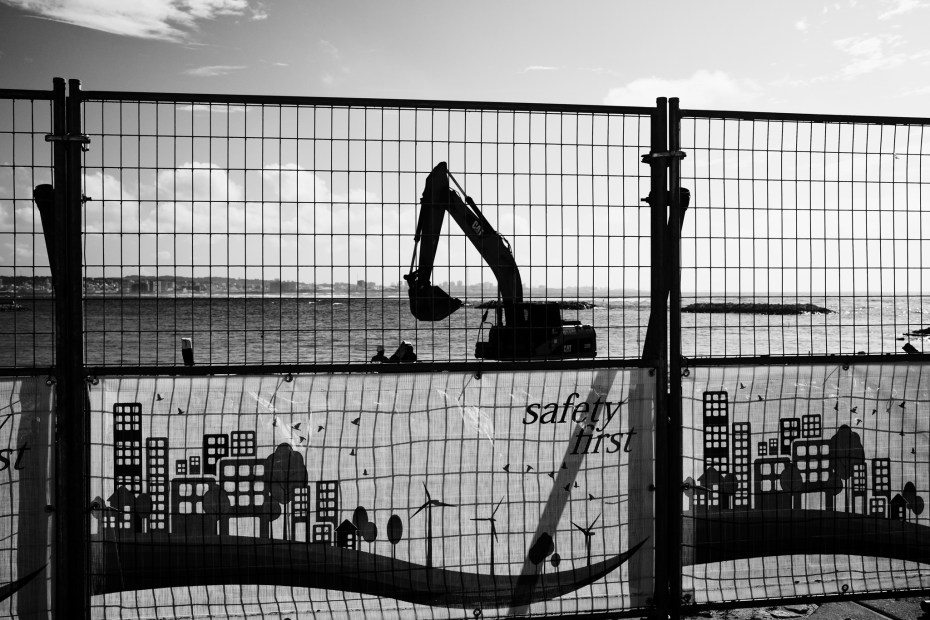
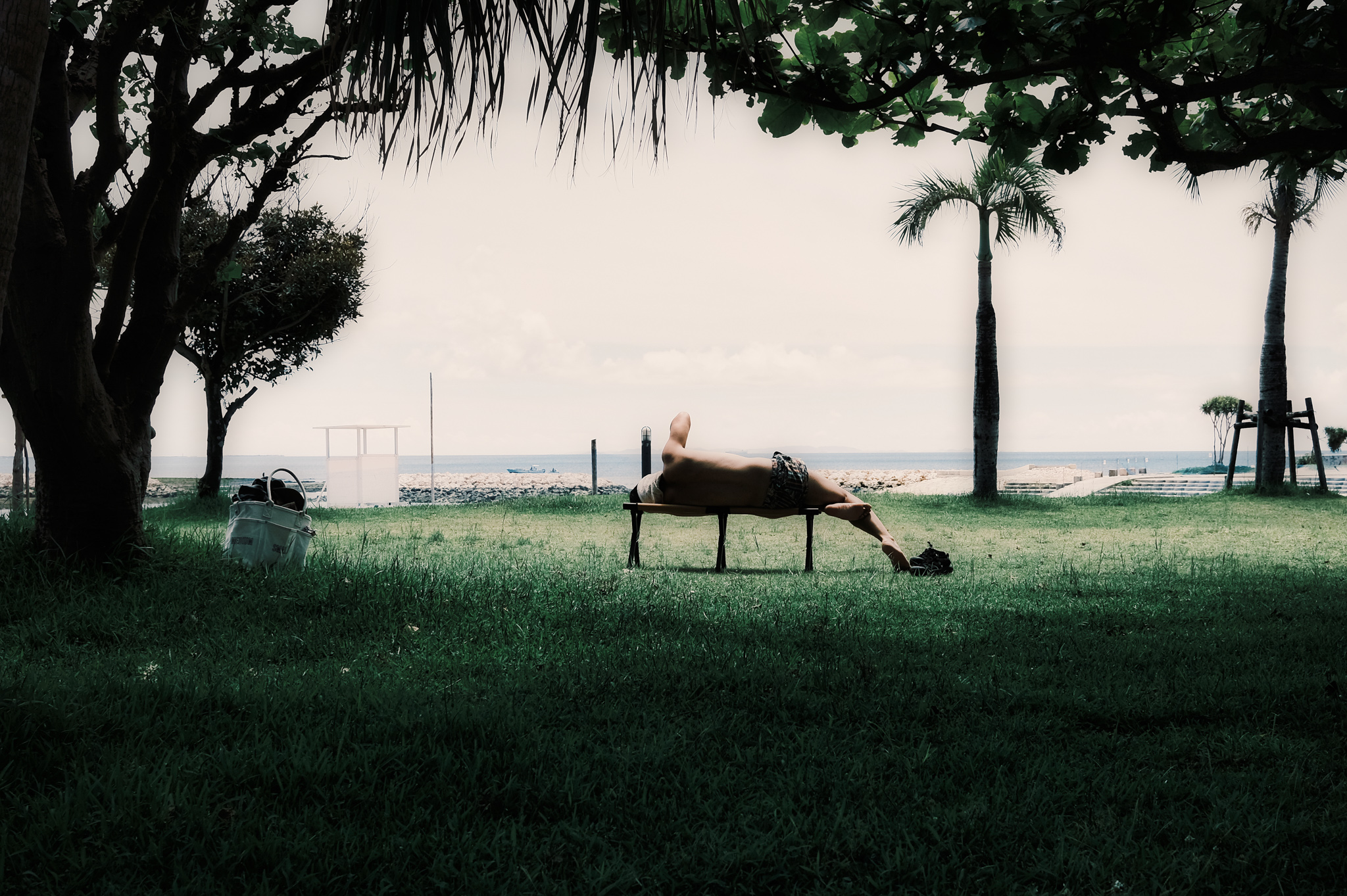
O wind, rend open the heat,
cut apart the heat,
rend it to tatters.Fruit cannot drop
through this thick air—
fruit cannot fall into heat
that presses up and blunts
the points of pears
and rounds the grapes.Cut the heat—
plough through it,
turning it on either side
of your path.

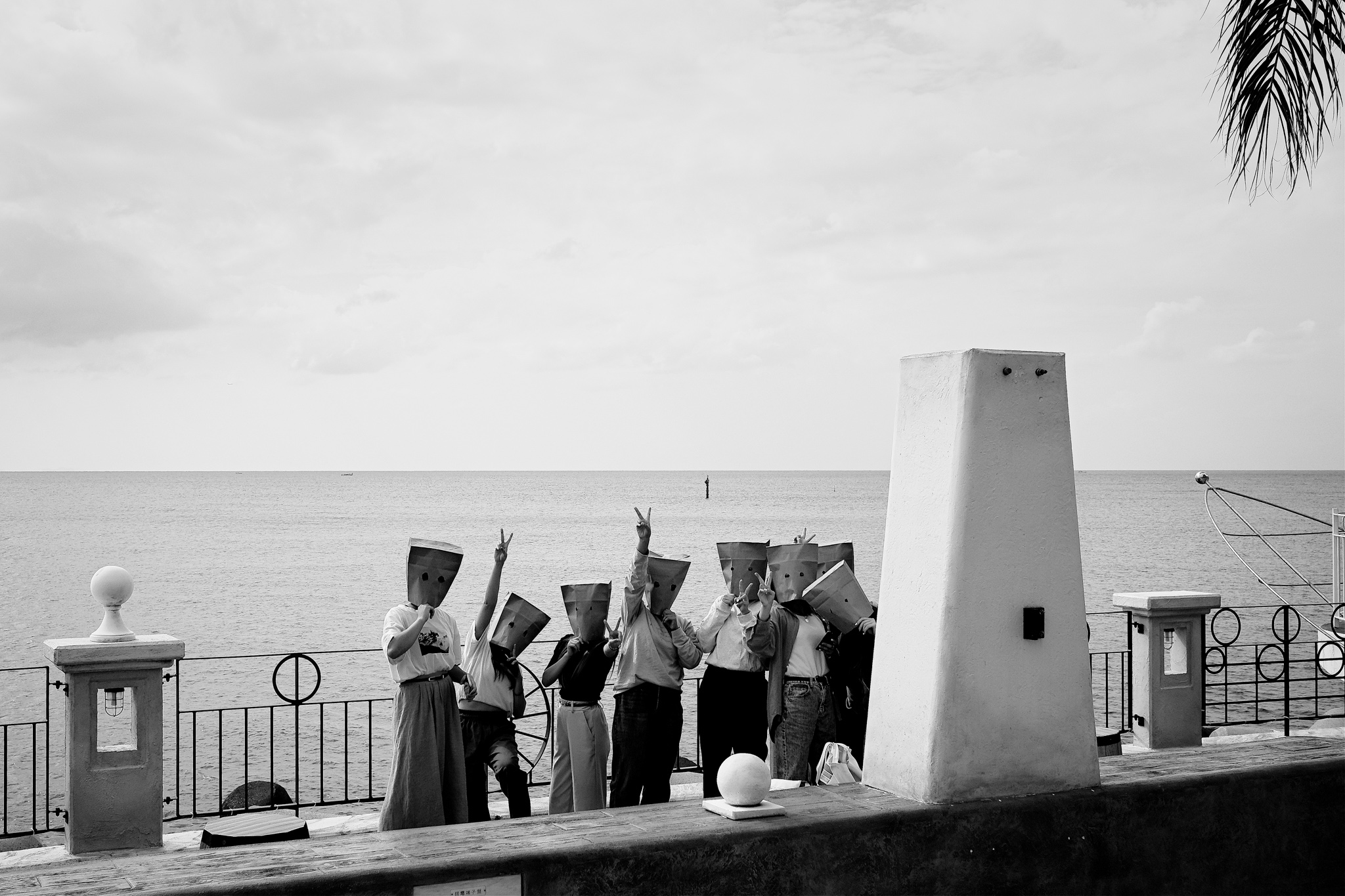
It’s only been ten months, yet it feels like…maybe not a lifetime, but it certainly feels like I’ve lived a life here. New routines were formed, friendships made, regular haunts frequented, notable destinations explored, local idiosyncracies discovered, seaside locales enjoyed.
It’s been a peculiar time to be here on Okinawa, the level of social and commercial activity repeatedly recalibrated under successive states of emergency, the place for the most part devoid of tourists, unusually quiet as a result. I’m heading to Tokyo next month. I’ll be there for a while — a few weeks, possibly longer — and there’s plenty to look forward to in Tokyo, but while I’m away I’ll miss life on this island with its easy rhythms and simple pleasures, its blend of cultures, warm weather and easily accessed beaches, an absence of crowds and a wealth of luxuriant open spaces. Needless to say I have plenty of photos to tide me over until my return, and memories too. So I won’t say sayonara; rather, ja ne.
 basili mobile images