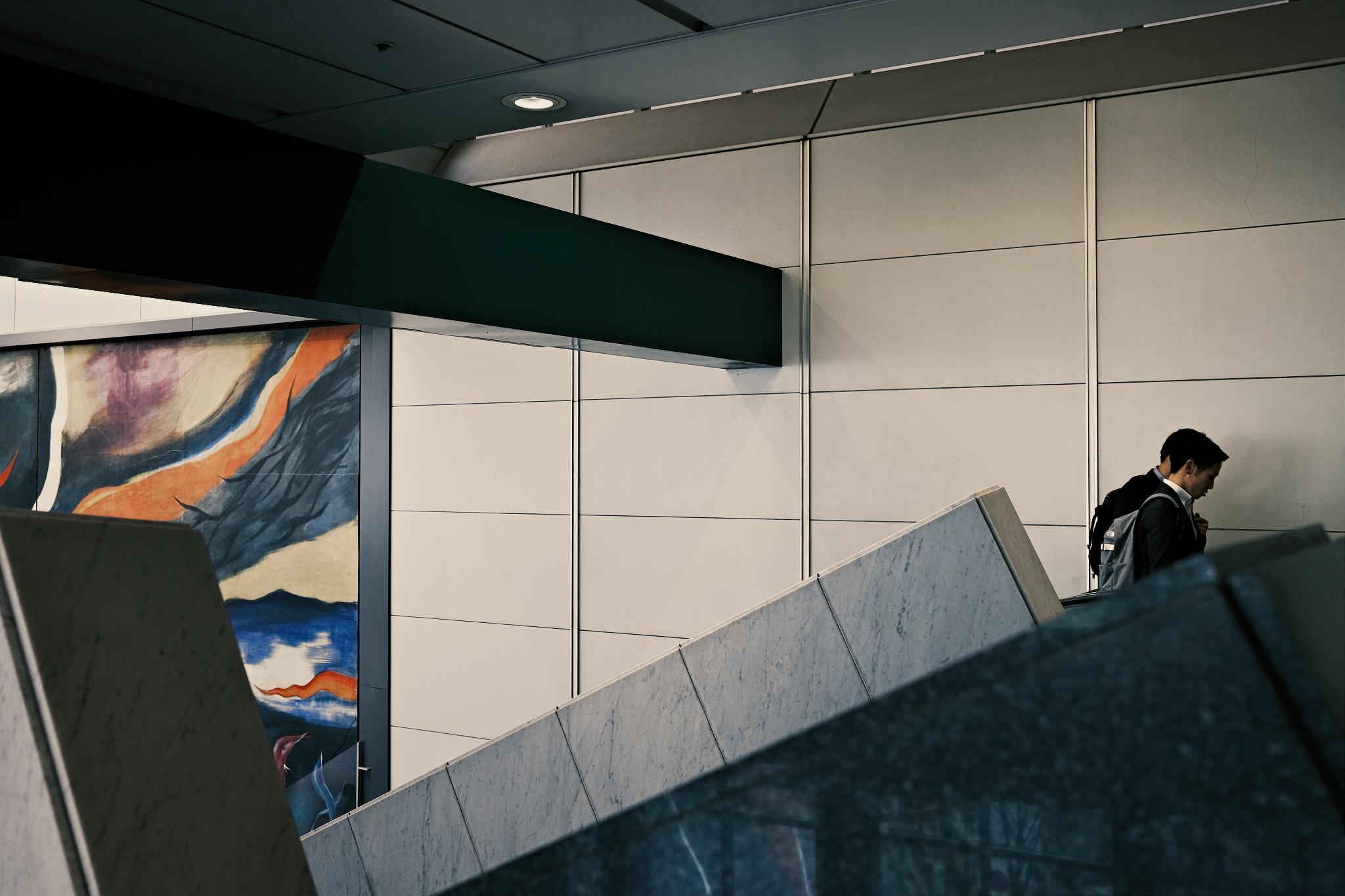
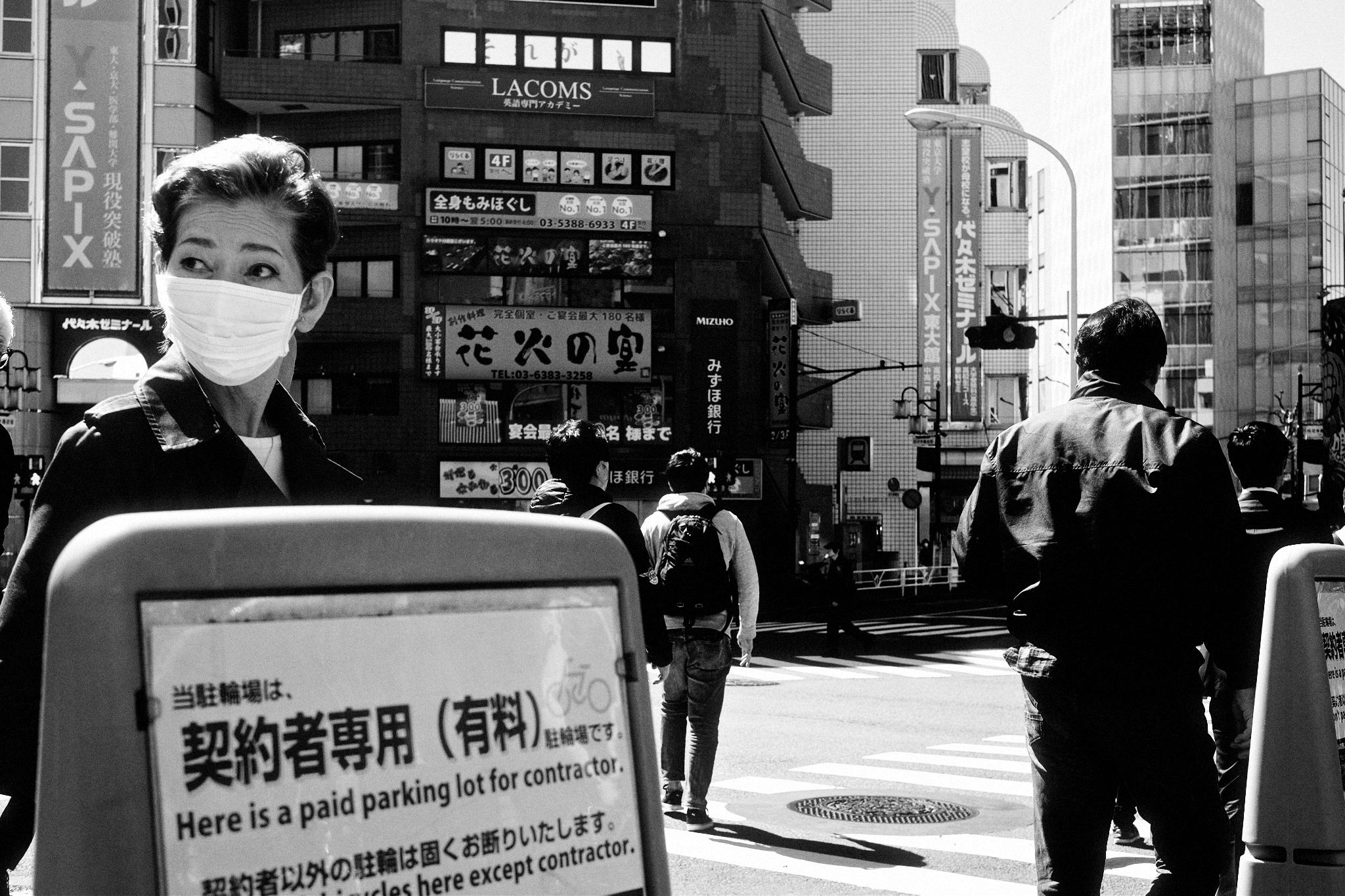
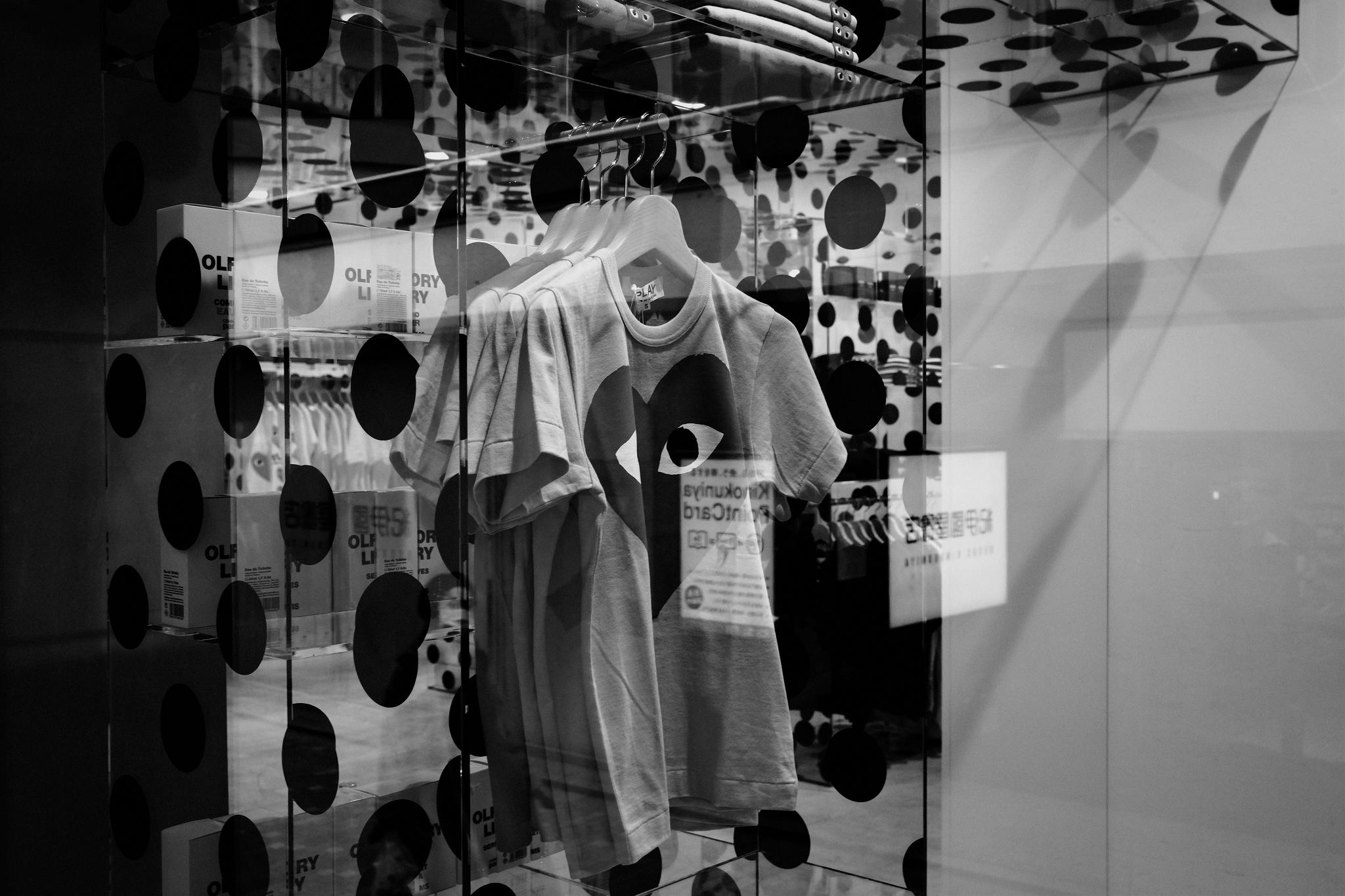
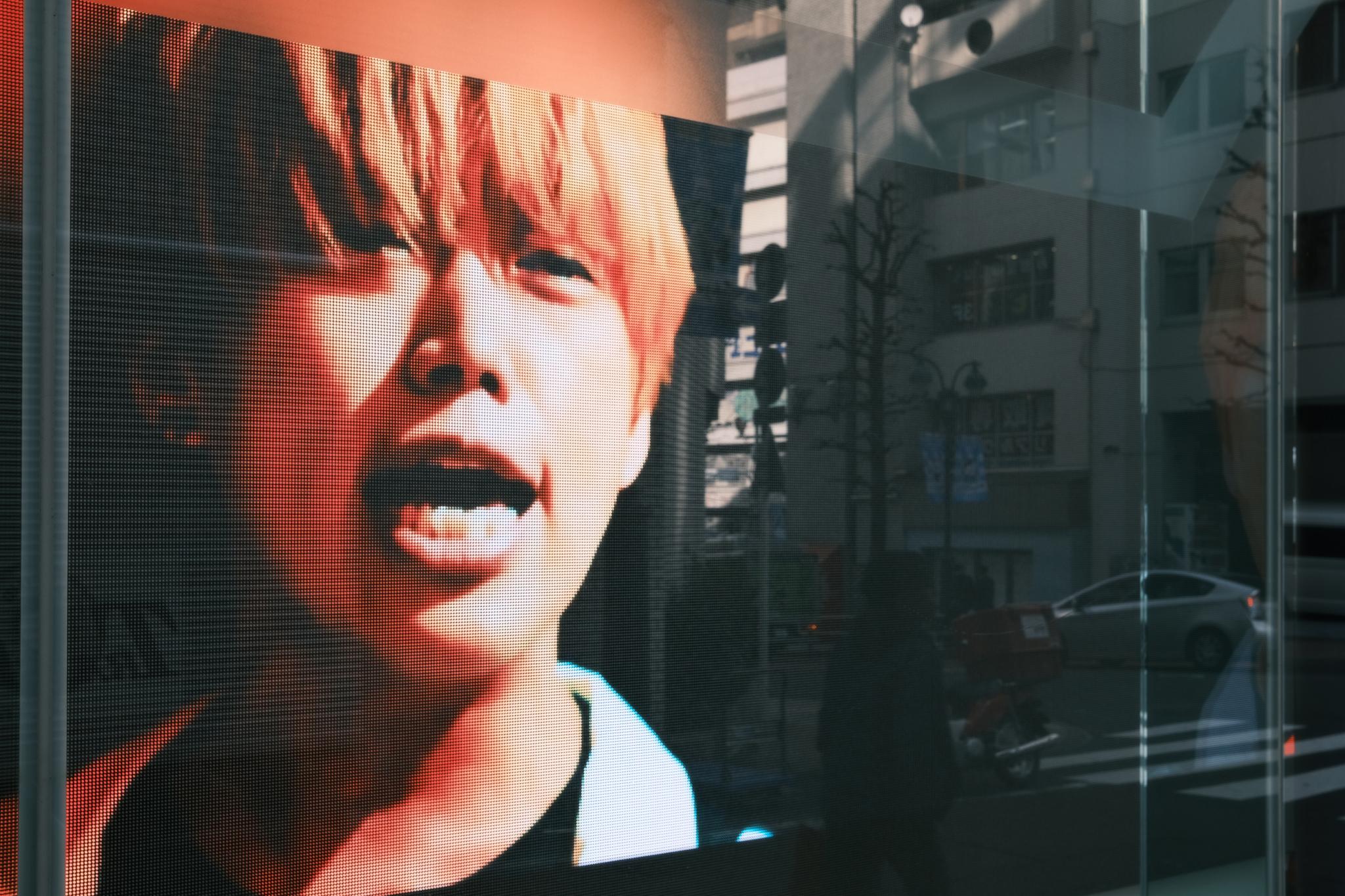
Rainy day blues

TOKYO-PH-202006-00002

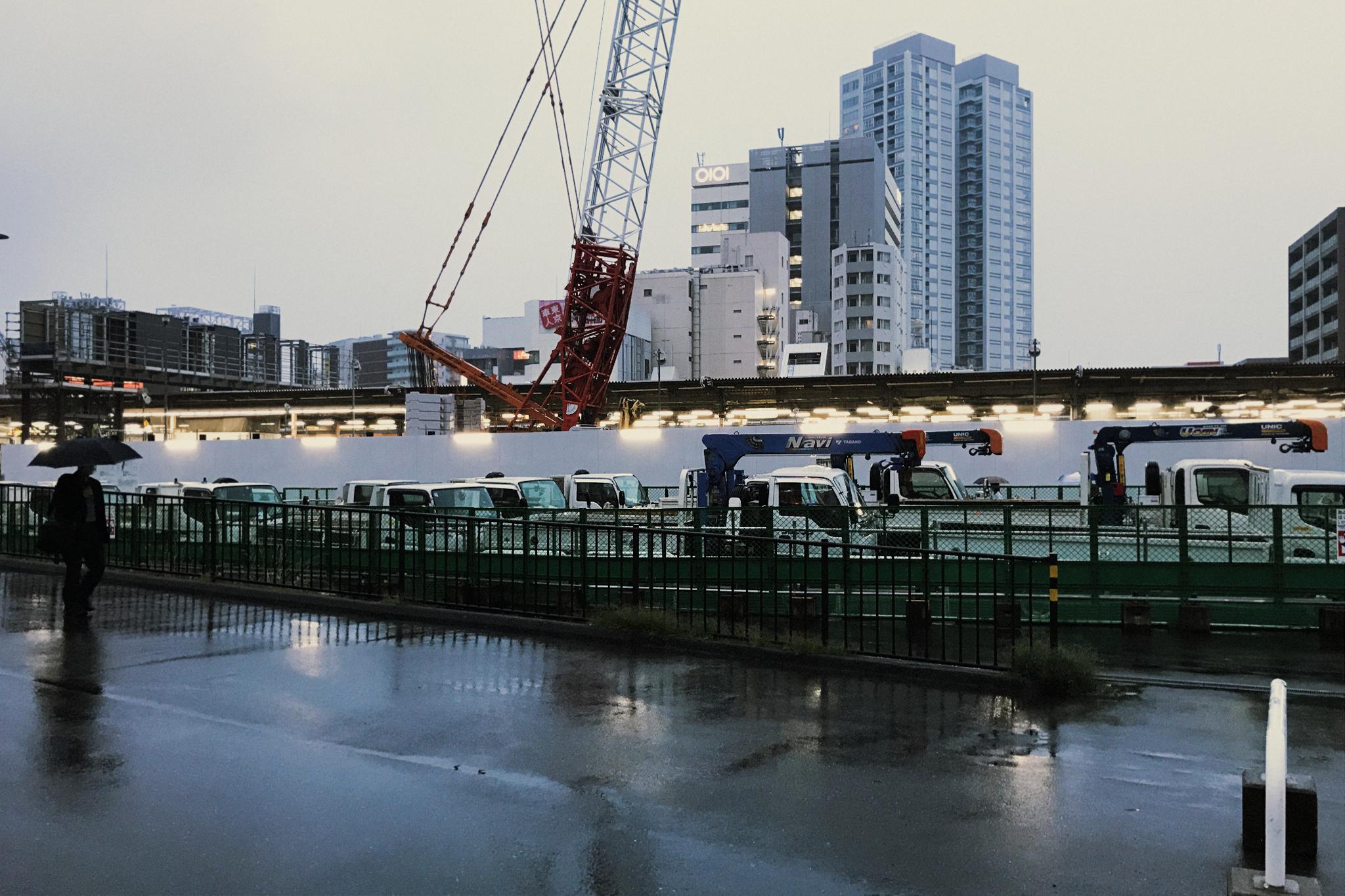
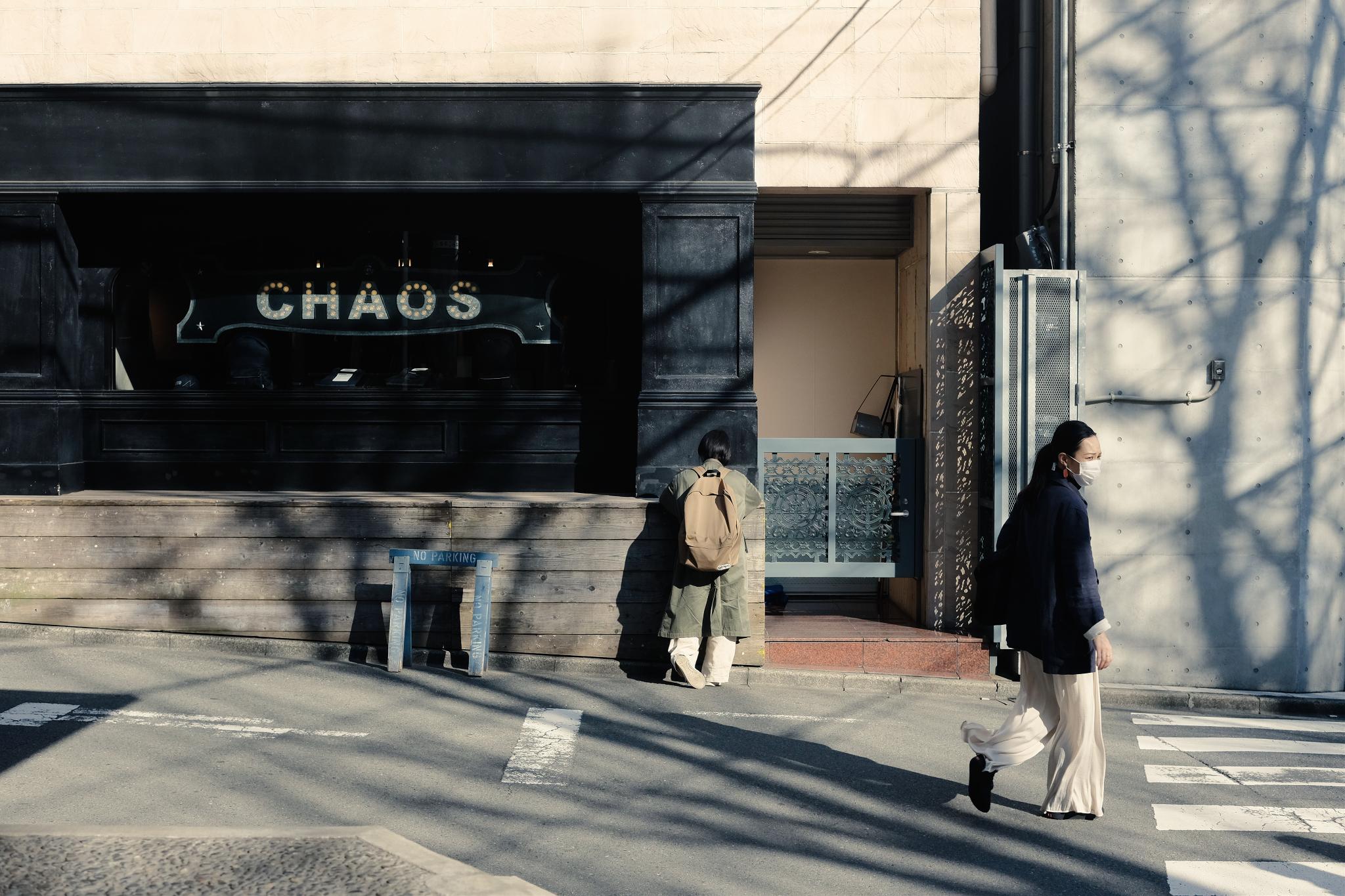
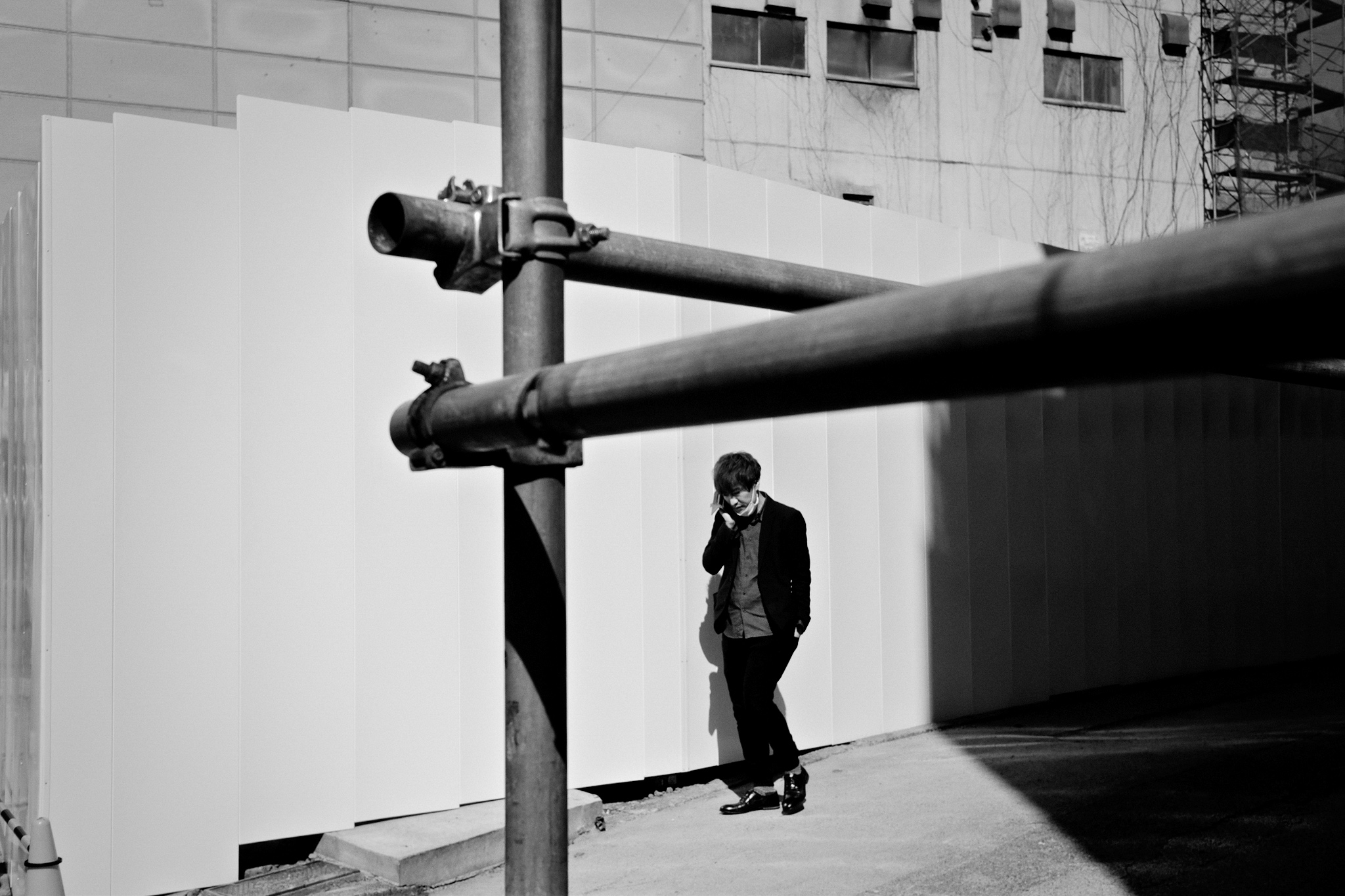
Tokyo, where the rainy season is fast approaching, where misty grey days will damp the air and violent deluges will blot out darkened skies. Just now it seems a bleak metaphor: the heavens crying for a world out of whack, weeping for Britain and Brazil and the idea that was America.

Tokyo, where the restrictions of lockdown lite have been officially lifted, where the department stores have raised their shutters, high school students have once again donned their uniforms and life on the sidewalks has become more animated. And yet…

Tokyo, where in a reverie I recall a hypnotic film I saw many years ago. Almost forty years old, Koyaanisqatsi seems made for our times. Pairing time-lapse and slow motion visual techniques with the pulsating music of Philip Glass, it attempts to convey how we’ve created a world out of balance; the Frankenstein story writ large.

TOKYO-202005-00074

TOKYO-PH-202006-00001

TOKYO-PH-202006-00003

Still lifes

If you fall down the various rabbit holes of online photography forums, you‘re likely to get ulcers or develop anger management issues. Many forum contributors have very strict rules and definitions about the rights and wrongs of photography and they type out their resolute assertions in the endlessly scrollable online debates. But the thing is, aside from photojournalism and other documentary practices that strive to present truth, there are no rules in photography. It’s an art, a medium, a process whose countless practitioners show that it can be explored with all manner of tools and pushed any which way. And if you work at it, you may just end up with something worthwhile.

Ok, but my photography doesn’t always fit into neat, coherent projects, so maybe I need to roll freeform around this world, unfettered, able to photograph whatever and whenever: the sky, my feet, the coffee in my cup, the flowers I just noticed, my friends and lovers, and, because it’s all my life, surely it will make sense? Perhaps. Sometimes that works, sometimes it’s indulgent, but really it’s your choice, because you are also free to not make ‘sense’.

And hopefully I will carry on, and develop it, because it is worthwhile. Carry on because it matters when other things don’t seem to matter so much: the money job, the editorial assignment, the fashion shoot. Then one day it will be complete enough to believe it is finished. Made. Existing. Done. And in its own way: a contribution, and all that effort and frustration and time and money will fall away. It was worth it, because it is something real, that didn’t exist before you made it exist: a sentient work of art and power and sensitivity, that speaks of this world and your fellow human beings place within it. Isn’t that beautiful?

British photographer Paul Graham penned these thoughts for the graduating students of the Yale (MFA) Photography program in 2009, in a brief but illuminating essay, Photography is Easy, Photography is Difficult.

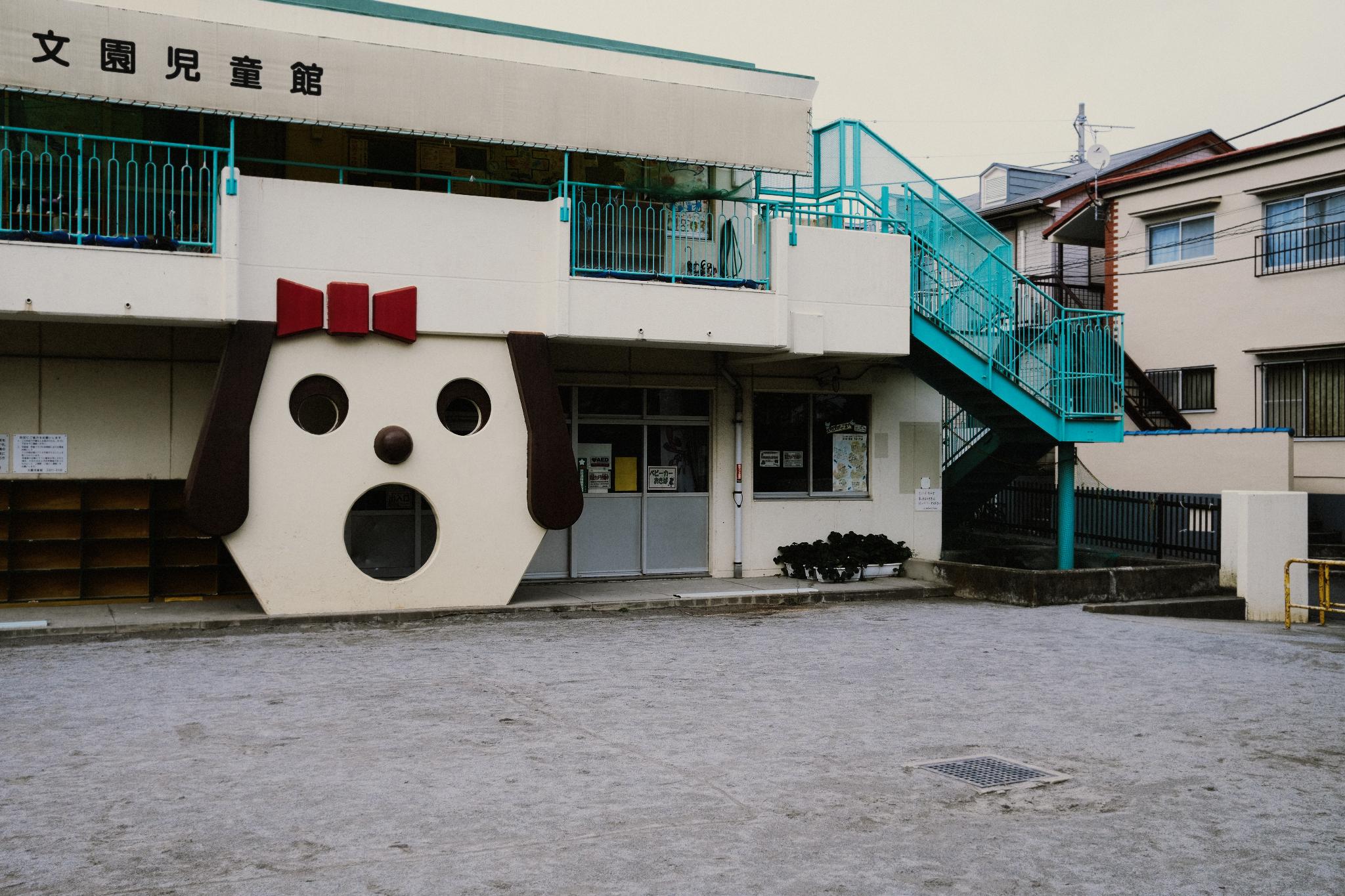
These pictures: more digital polaroid explorations; local street signage and other found graphic elements framed to create still life compositions; character studies of a neighborhood.

In the weeks since, my explorations have found a focus and taken shape and I’ve been able to develop a photographic series, one I expect will be organic and episodic in nature as it evolves.

Views from the ‘hood

TOKYO-202004-00150


And the one nice thing about photography is it teaches you to look.


So said Saul Leiter In Tomas Leach’s 2012 film on the photographer In No Great Hurry. He also said in interview that he thought that mysterious things happen in familiar places, that there was no need to run to the other end of the world to create his art.

Saul Leiter lived in the same apartment building on 10th Street in New York’s Lower East Side — later to become the East Village — for some sixty years, and true to his word, much of his extensive body of work was created within walking distance of his apartment.

I haven’t lived anyplace anywhere near that long, yet it’s surprisingly quick and easy to turn a blind eye to our most familiar surroundings, to become desensitized to our immediate environment, to see through things. Losing mobility, even in Tokyo’s lockdown lite situation, for all its inconveniences has a way of restoring one’s vision. Everything old may not be new again, but one develops a new appreciation of the old neighborhood streets, sees the effect of changing weather on its vistas, notices picturesque elements in the landscape.

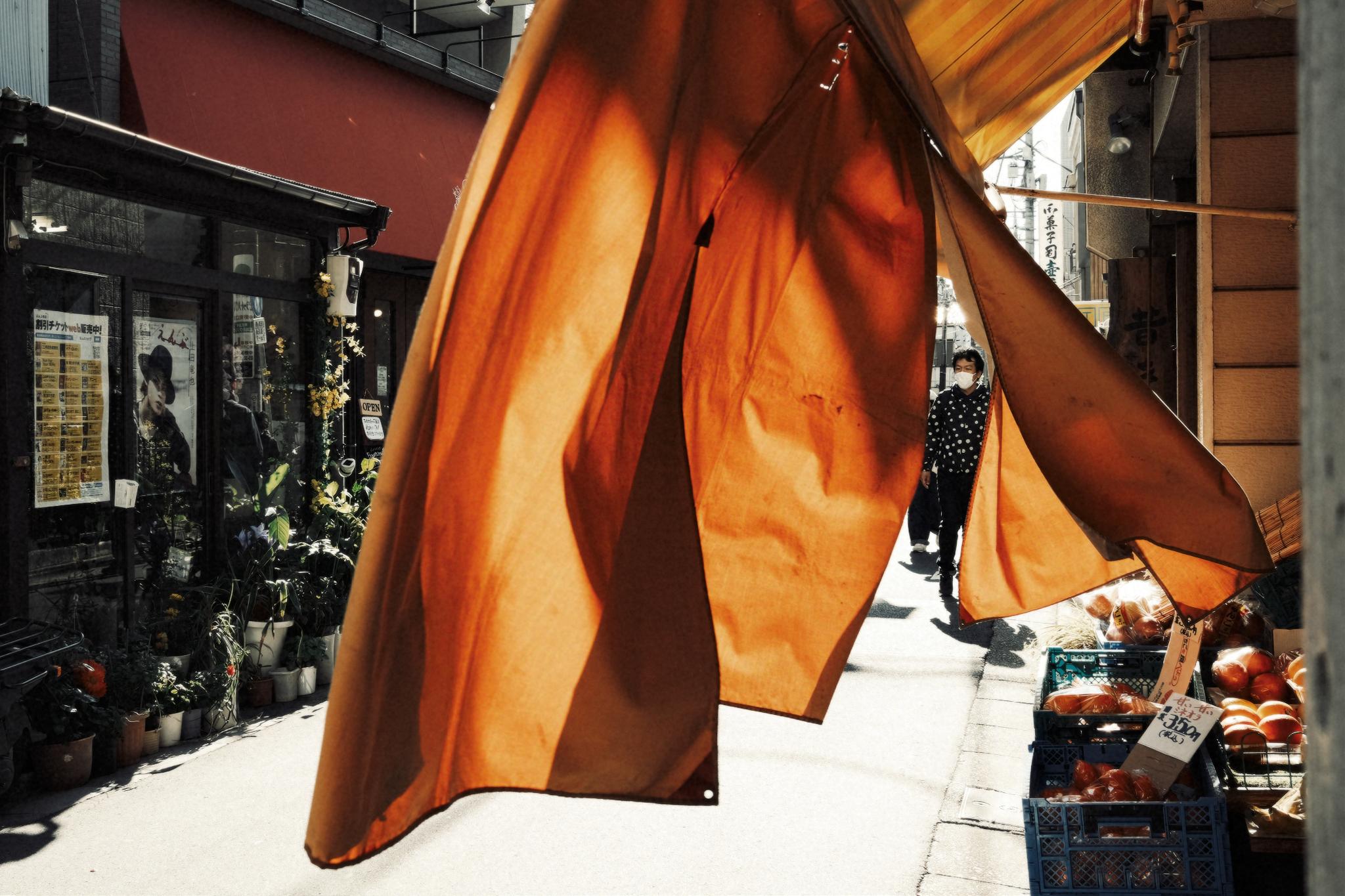
These images resulted from a number of recent walks around the neighborhood, visiting the supermarket, stretching my limbs and — despite being masked up and just a little bit anxious — getting some air and respite from being cooped up inside, and with my camera, looking at the neighborhood with fresh eyes.

Sofa sessions

TOKYO-202004-00170

Looking out windows and looking into screens, engaging with the world vicariously from our sofas. This is where we are, but the internet has proven itself a wonderful resource during these times when most of us find ourselves in some kind of enforced isolation. Among other things, I’ve been dipping into a series of videotaped interviews with photographers.

Martin Parr — renowned British photographer, prodigious producer and collector of photobooks, member and former president of Magnum Photos — sits down with other photographers at the Martin Parr Foundation in Bristol, for some casual chats focused on his guests’ work and careers.

The conversations on his sofa — the sofa sessions — are relaxed and make for easy viewing, Parr’s encyclopedic knowledge of the medium and insight into his guests’ work ensuring he deftly guides the discussions throughout the twenty or so minutes allotted to each session. The filmed chats are engaging, but for better context and understanding I would like to see some photos from the projects, books or exhibitions that are being discussed.

Still, it’s good to have another addition to the recorded history of photography. Parr is however approaching this project at a leisurely pace; he’s only filmed a dozen sessions since the first one a year ago. Most recently, this chat earlier this month with Alec Soth.

Sofa Sessions: Conversations with Martin Parr – Alec Soth Copyright The Martin Parr Foundation 2020

Confinement

TOKYO-202004-00053

The cool thing about photography on the streets is that it’s a jazz improvisation. The photographer sets out on a visual exploration of a chosen environment, has some ideas – perhaps about how to use the light or perspective and framing choices – but doesn’t know where this exploration will lead. The photographs that are made are the result of an interplay between the photographer, the camera, the surrounding elements and some serendipity. When all the right notes are hit and it all comes together, the experience and the resulting photos are magical.

This is how I like to approach photographing on the streets and other public spaces, reacting to and working with the changing scenes that unfold before me, aiming for a little magic.

But there’s another approach: to focus on a single scene, treat it as a studio of sorts, explore its visual possibilities through space and time. A few years ago, the photographer and writer Teju Cole, on his Instagram feed, published a series of frames of a bus stop (somewhere in Europe if I remember rightly). Each day he added a photo taken from a new angle or distance, showing a facade of the structure or else a small detail. Banal as the subject was, the images as a series worked as a kind of mediation on that particular structure and on seeing in general.

These photos were taken during three visits to Tokyo’s Shibuya station, in a section of the concourse connecting the Shibuya Mark City complex. The colorful mural visible in some of the photos is Taro Okamoto’s 1969 masterpiece Myth of Tomorrow.

This focused, more studied approach – perhaps a necessity in these times of confinement – can also yield interesting results in a single session and a more confined space, say a kitchen.

Impermanence

TOKYO-202003-00240

TOKYO-202003-00235

Transience and impermanence are hallmarks of life, from the changing elements of the seasons to the changing seasons of our own lives. Nothing lasts forever; it all fades away. This is the pathos of life, the mono no aware.

物の哀れ

Mono-no aware: the ephemeral nature of beauty – the quietly elated, bittersweet feeling of having been witness to the dazzling circus of life – knowing that none of it can last. It’s basically about being both saddened and appreciative of transience – and also about the relationship between life and death. In Japan, there are four very distinct seasons, and you really become aware of life and mortality and transience. You become aware of how significant those moments are.
— David Buchler / Fiona Macdonald

The most celebrated example of a natural phenomenon rich in mono no aware is the spectacle of cherry blossoms.
— The Book of Life

TOKYO-202003-00248

Pandemic

TOKYO-202003-00031

Reading the latest developments in this unfolding drama, it seems like we’re living in some kind of prequel to Twelve Monkeys.

Deadly pandemics have wreaked havoc and taken lives in the past: the Black Death killed some 50 million people in the 14th Century; the 1918 Spanish flu possibly many more; more recently, HIV/AIDS has taken around 30 million lives. This new COVID-19 outbreak has thankfully not been anywhere near as deadly, and with optimism we can expect that with 21st Century medical technology a cure will be found before too long.
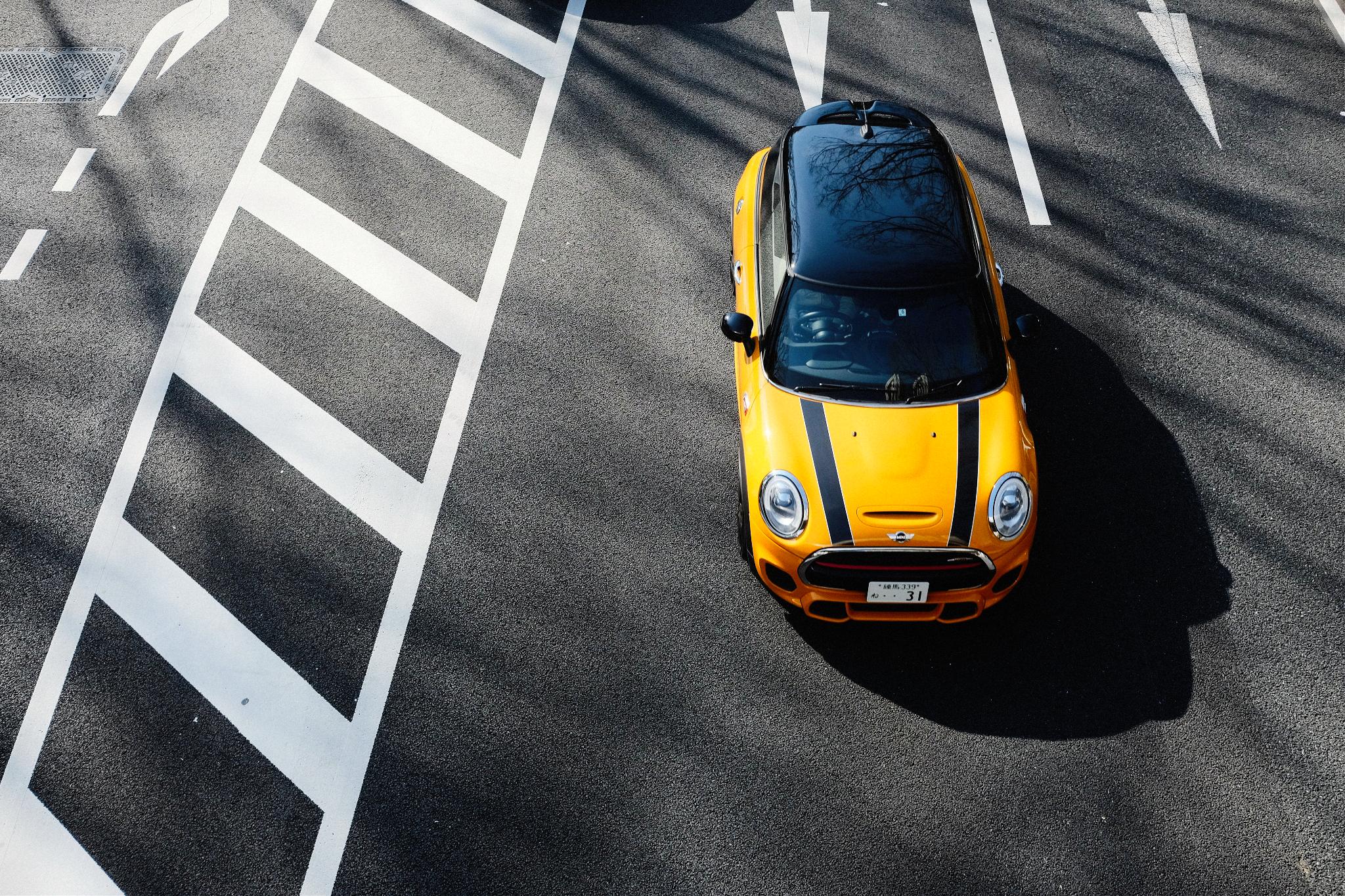
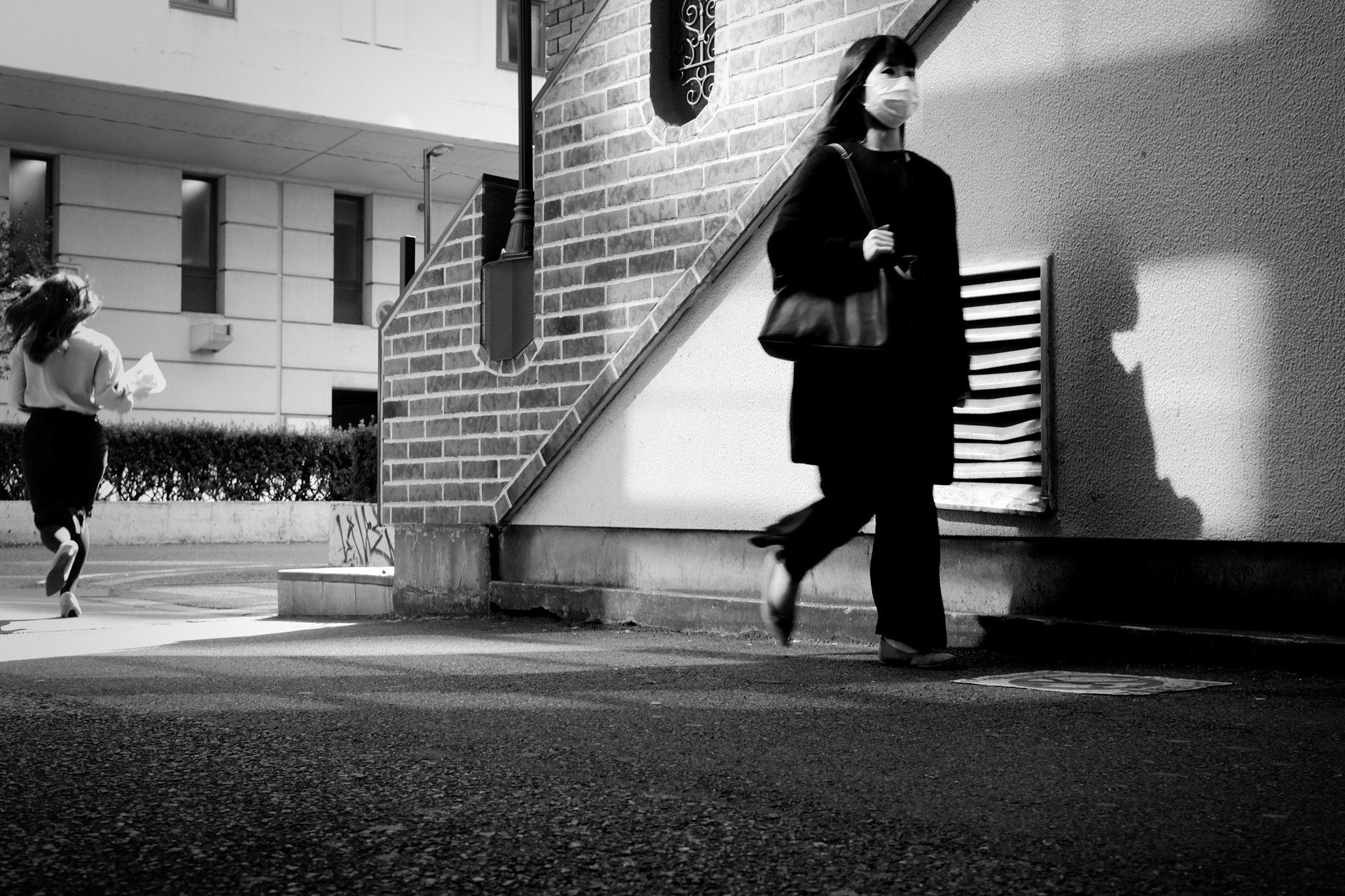
But the certanities of a few months ago have deserted us, and here we are, worrying about family and friends, and trying to live our lives as best we can in a continually shifting landscape of closed borders and mandatory quarantines. Here in Tokyo, while schools and museums have been shuttered, things don’t look all that different on the surface, but the inordinate prevalence of face masks and hand sanitizers, relatively empty train stations and carriages, dearth of tourists and mostly deserted stores belie our new reality. It’s like some kind of virtual simulation of its true self. We don’t know how bad it will get before it gets better. We don’t know when it will get better. But as they say, the darkest hour is just before the dawn. It will get better.
TOKYO-202003-00116

TOKYO-202003-00119

TOKYO-202003-00122

Soul food

TOKYO-202003-00019

The urge to create. Music. Monuments. Machines. Mathematical equations and scientific theories. Poetry and literature. Art. Photography. The compulsion to give our existence meaning and to creatively express our experiences and impressions is deeply ingrained in us, evidenced as far back as 20,000 years ago in those celebrated late Palaeolithic era cave paintings created at Lascaux in south-western France.

As we hurtle toward a cold and barren cosmos, we must accept that there is no grand design. Particles are not endowed with purpose. There is no final answer hovering in the depths of space awaiting discovery. Instead, certain special collections of particles can think and feel and reflect, and within these subjective worlds they can create purpose. And so, in our quest to fathom the human condition, the only direction to look is inward. That is the noble direction to look. It is a direction that forgoes ready-made answers and turns to the highly personal journey of constructing our own meaning. It is a direction that leads to the very heart of creative expression and the source of our most resonant narratives. Science is a powerful, exquisite tool for grasping an external reality. But within that rubric, within that understanding, everything else is the human species contemplating itself, grasping what it needs to carry on, and telling a story that reverberates into the darkness, a story carved of sound and etched into silence, a story that, at its best, stirs the soul.
— Brian Greene

Human creativity is a wonderful thing. Ballast amid the chaos. I’ve chosen photography to reflect on my world, but I used to paint and draw and there was a time I used words to contemplate my feelings, experiences and impressions. Not long ago I came upon an old notebook — a diary of sorts — that was full of poems penned by a much younger me. I’ve begun to collate the analog writings into digital book form for archival purposes and in the process have rediscovered thoughts, emotions and impressions of people and places I’d long ago encountered and in time all but forgot. For instance this poem, a portrait of a woman I knew in Sydney in 1998.

And her quiet space
her wistful face
a sadness draped
over
inner grace.
Her stillness
moves
throughout the room.
Her strength
a wall
against the gloom.
Her warmth
fragrant
summer blooms.
From a quiet place
such a tender face
upon which
melancholy
leaves a subtle trace.

Fujifilm X100V

Beauty, it’s said, is in the eye of the beholder. To me, Fujifilm’s X100 series of cameras is nothing if not beautiful. It’s also said that true beauty is more than skin deep. The latest iteration, the X100V is especially so.

When the original X100 camera was released in 2011, so too was a Japanese promotional film. As far as ads go, this film — less than a couple of minutes long —is a work of art. Its implied message: this is a camera for artists, for modern-day Moriyamas and Franks.

Fujifilm Finepix X100 video copyright 2011 Fujifilm Corporation

I badly wanted an X100 back then, but that beauty was flawed, and it wasn’t until the third iteration, the X100T, that I bought into the series. It served me well for a time, but the X100V has further refined the original X100 concept to achieve something remarkable. More so than any other camera, it’s a chameleon. Within its sleek compact form exist a number of cameras. It can be used in its purest analog form, with its optical viewfinder, exposure triangle and focus dials and rings to approximate the tools of Cartier-Bresson and his generation. It can be used as a modern touchscreen imaging device, the dials and buttons all but ignored. Or it can offer various blends of the two. The camera’s interactive choices are unparalleled and with a little customization it can become the camera that many different photographers want.

This blog doesn’t often touch on camera gear and I wouldn’t consider myself a gear head but I love good industrial design, and this latest version of the X100 is something far greater than the sum of its parts. As good as it looks in photographs and its specifications and design choices look on paper, it’s even better in the hand. The finishes, the ergonomics, the tolerances, the features, all perfect. It’s a highly complex technological imaging device wrapped in an elegantly simple body. It’s a seductive piece of industrial design and shooting with the X100V is nothing short of delightful. It’s quite possibly the best compact camera ever made; it is a truly beautiful camera.

On the street

TOKYO-202002-00138-V2

The photograph should be more interesting or more beautiful than what was photographed.
— Garry Winogrand

TOKYO-202002-00161-V2

I have always loved the amateur side of photography, automatic photographs, accidental photographs with uncentered compositions, heads cut off, whatever.
— William Klein

TOKYO-202002-00074

To me, photography is an art of observation. It’s about finding something interesting in an ordinary place…I’ve found it has little to do with the things you see and everything to do with the way you see them.
— Elliott Erwitt

TOKYO-202002-00146-V2

I fell in love with the process of taking pictures, with wandering around finding things. To me it feels like a kind of performance. The picture is a document of that performance.
— Alec Soth